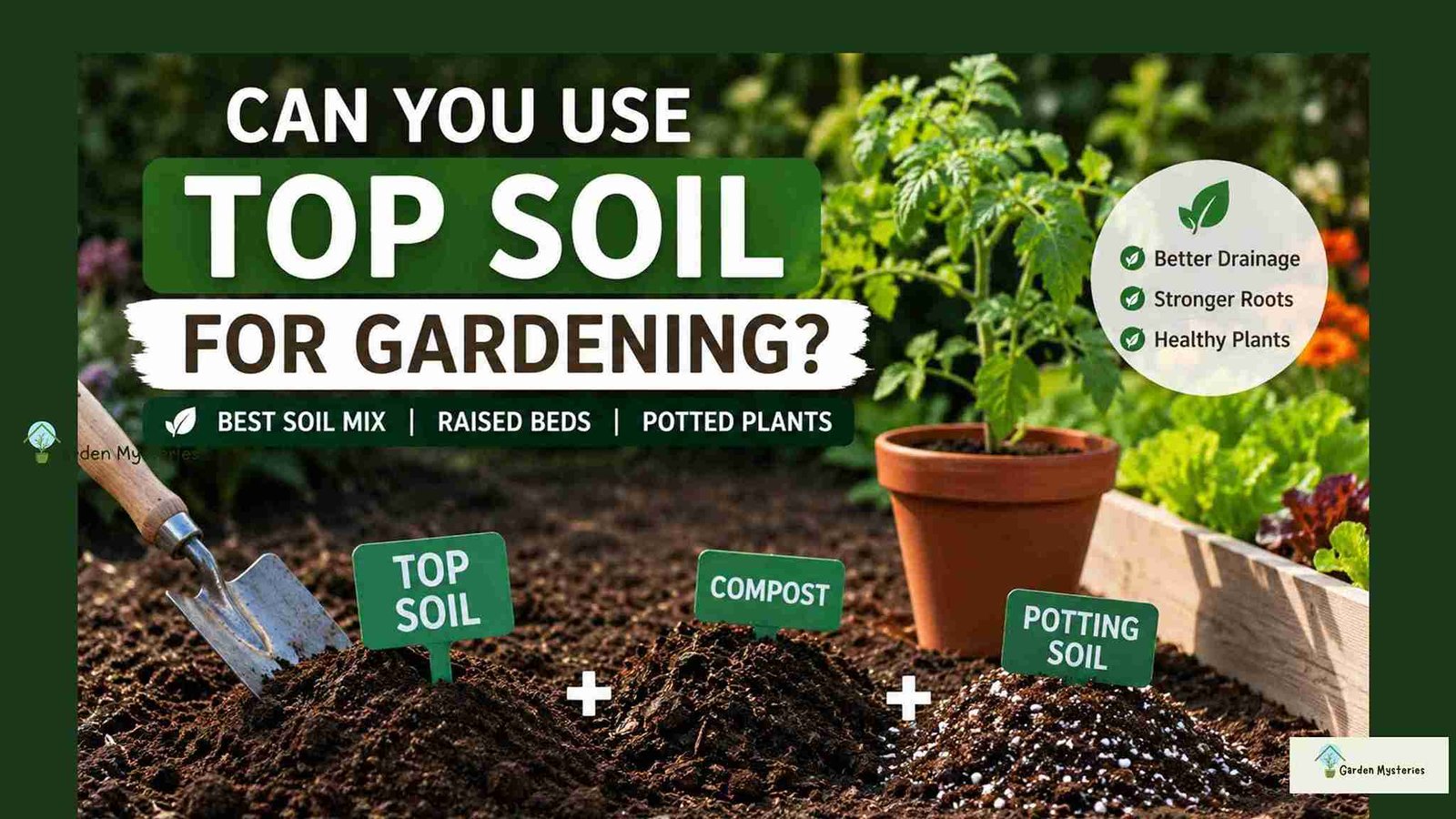
Can you use top soil for gardening? Yes, but only as a base layer or mix. Topsoil alone lacks nutrients and drainage balance, so it works best when combined with compost or potting soil for healthy plant growth.
That’s why gardeners rarely rely on topsoil by itself. Instead, it works best when combined with compost or potting mix to improve soil structure, fertility, and moisture balance. It creates a loose, nutrient-rich growing medium that supports stronger roots and healthier plants over time.
Here you will learn when topsoil can be used safely, how it behaves in real garden conditions, why mixing is essential, and the best soil combinations for different plants so you can avoid common beginner mistakes and grow healthier gardens.
What Is Topsoil and What Is It Used For?
Topsoil is the upper layer of soil used in gardening, landscaping, raised beds, and lawn repair. It helps improve soil depth and supports root growth for vegetables, flowers, grass, and outdoor plants. However, topsoil alone usually lacks enough nutrients for long-term plant health.
Gardeners commonly use topsoil for:
- Filling raised garden beds
- Leveling uneven lawns
- Improving poor garden soil
- Supporting outdoor planting areas
What is Topsoil for Gardening?
Topsoil is the upper soil layer used for leveling land, filling beds, and supporting plant roots. It is not nutrient-rich enough alone, so gardeners mix it with compost to improve fertility, drainage, and soil structure.
For the best soil mix for gardening, topsoil is often combined with compost or potting soil to improve drainage, airflow, and moisture retention.
Can You Use Top Soil for Gardening? Read This Before You Try
Can you plant just in the topsoil and expect healthy growth? In most cases, no, and this is where many beginners go wrong.
- You can’t plant directly in topsoil for the best results
- Topsoil alone = low nutrients + compaction issues
- Poor structure can block root growth and drainage
- Always mix with compost or organic matter
- Best mix: topsoil + compost = balanced growing medium
- Fixing topsoil is simple but crucial for healthy plants
Unlike garden soil, topsoil is mainly structural, not nutrient-rich, which is why plants grow better when it is enriched with compost or organic matter before planting.
Why Planting Straight Into Topsoil Fails (Most of the Time)
Topsoil sounds like the “good layer,” but in bags, it’s often more like filler than feast. Think of it as plain rice without curry. It fills space, but doesn’t nourish.
Here’s what usually goes wrong:
- Low nutrients → Plants starve slowly
- Poor structure → Compacts like wet clay or dries like dust
- Inconsistent quality → May contain sand, wood chips, or debris
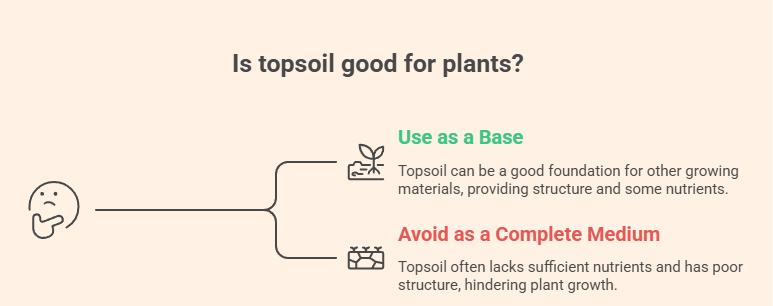
So when beginners ask, “Is topsoil good for plants?” The honest answer is: only as a base, not a complete growing medium.
Topsoil vs Compost
The difference between topsoil and compost can help you choose the right growing medium. Topsoil or compost: topsoil provides structure and fills space, while compost supplies nutrients and improves soil health.
| Feature | Topsoil | Compost |
| Nutrients | Low | High |
| Texture | Dense / variable | Light and crumbly |
| Microbial life | Minimal | Rich and active |
| Best use | Filling, leveling | Feeding plants |
This is why topsoil vs compost is not even a fair fight. Topsoil builds the house. Compost brings the kitchen to life. For deeper clarity, check our internal blog on compost vs fertilizer in your free time.
Can I Mix Topsoil and Potting Soil?
Yes, you can mix topsoil and potting soil, but the ratio matters for healthy plant growth. A balanced blend improves drainage, airflow, moisture retention, and nutrient availability without making containers too dense. For most vegetables, herbs, and outdoor planters, the best soil mix for gardening is:
- 50% potting soil
- 30% compost or organic matter
- 20% screened topsoil
This combination helps prevent soil compaction while supporting stronger root development. Potting soil keeps the mix light and breathable, while compost feeds beneficial microbes and improves soil fertility. Topsoil adds structure and moisture stability, especially for raised beds and container gardening.
When comparing topsoil vs potting soil, potting soil is always better for containers because it drains faster and allows more oxygen around roots. However, adding a small amount of topsoil can help anchor larger plants and improve moisture balance in outdoor pots.
If you’re wondering, “can you use topsoil in containers?” the answer is yes, but only when blended properly. Avoid using heavy topsoil alone, especially for the best soil for potted vegetables like tomatoes, peppers, or cucumbers.
The Right Way: How to Use Topsoil for Planting
Planting directly in topsoil is not ideal, but when you prepare it correctly, it becomes a strong growing base. Mixing and improving topsoil ensures better nutrients, drainage, and root development.
Break and Prepare the Topsoil
You should start by loosening compacted topsoil using a garden fork or hoe. Remove stones, roots, and debris to create a clean base. Loose soil improves aeration, helping roots grow faster and absorb nutrients efficiently.
Add Compost for Nutrient Boost
Mix 2 parts topsoil with 1 part compost to improve fertility and structure. Compost adds essential nutrients and beneficial microbes. According to FAO, organic matter can improve soil productivity by up to 20%.
Improve Drainage for Healthy Roots
If your soil feels heavy or clay-like, add sand or coco coir. This prevents waterlogging and root rot. Well-drained soil allows oxygen flow, which is critical for strong and healthy plant growth.
Mix Thoroughly for Even Results
Do not layer topsoil and compost separately. Blend them evenly so nutrients are distributed throughout. Uniform mixing ensures roots access moisture, air, and nutrients consistently, preventing uneven plant growth and weak spots.
Let the Soil Rest Before Planting
Allow the soil mix to sit for a few days before planting. This helps microbial activity begin. USDA notes healthy soil microbes improve nutrient availability and plant health.
When Can You Use Topsoil Directly?
Topsoil can be used directly in a few specific situations where plants are not immediately relying on it for nutrients. In these cases, it works more as a structural base than a complete growing medium.
Lawn Leveling
Topsoil is commonly used to smooth uneven lawns and fill low spots. Its dense structure helps create a firm surface for grass. Once spread, the grass roots gradually grow through it, especially when combined with the existing soil below.
Filling Garden Beds Before Mixing
You can use topsoil to fill raised beds or garden areas initially. It acts as a bulk base layer to save cost. However, it should always be enriched later with compost or organic matter before planting.
Base Layer for Raised Beds
Some people question: Can I use topsoil for raised beds? Yes, with a proper mix. Topsoil works well as a bottom layer in raised beds, supporting drainage and structure. The upper layers should contain nutrient-rich soil or compost where plant roots actively grow and feed.
Temporary Ground Cover or Erosion Control
Topsoil can be spread over bare areas to prevent soil erosion and dust. It stabilizes the surface and prepares the ground for future planting once amendments are added.
Prepping Soil Before Improvement
Gardeners often apply topsoil before improving it with compost, fertilizers, or soil conditioners. This creates a workable base that can be customized depending on plant needs.
Planting directly into topsoil, though, rarely succeeds. It behaves like a compact, low-nutrient layer, making root growth difficult and limiting plant health over time.
Can You Use Top Soil for Gardening? Pro Tip: Not All Topsoil Is Equal
Not all topsoil is the same, and bagged products can vary more than most beginners expect. Some may look rich and dark but still contain fillers like sand, wood pieces, or partially decomposed material. Brands like Earthgro can differ in texture and consistency from one bag to another, which can affect drainage, nutrient levels, and overall plant performance.
This is why it’s important to check the label and understand what you’re buying. Look for screened soil with minimal debris and a balanced texture. If the soil feels too coarse or too fine, it may need mixing with compost or other organic matter before planting.
If you’re comparing options, read our guide on Earthgro vs Vigoro to understand real performance differences.
Best Soil Mixes for Different Plants
Choosing the right soil mix is like setting the stage before the actors arrive. Get the foundation right, and your plants perform beautifully without constant rescue.
Vegetables
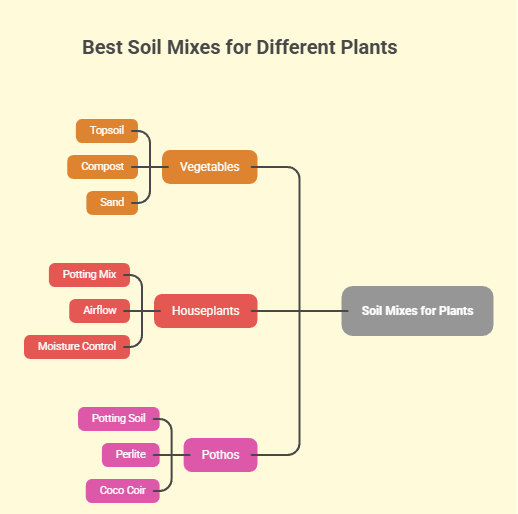
Vegetables thrive in a nutrient-rich, well-draining mix. Combine topsoil + compost + a small amount of sand to create a balanced structure. Compost feeds the plants, while sand improves drainage, preventing soggy roots.
Houseplants
Avoid using topsoil alone for indoor plants. It compacts easily and can suffocate roots in pots. Instead, use a quality potting mix, which is designed for airflow, moisture control, and steady nutrient release.
Pothos
For pothos, think light and breathable. A mix of potting soil + perlite or coco coir works best. This keeps roots airy and prevents overwatering issues, which pothos plants are especially sensitive to.
Can I Use Bagged Topsoil for Potted Plants?
Bagged topsoil can be used for potted plants, but it works best when mixed with potting soil or compost. Using topsoil alone in containers may reduce drainage, compact roots, and hold excess moisture for too long.
For healthier container gardening, combine bagged topsoil with lighter materials like compost, coco coir, perlite, or potting mix. This creates better airflow and helps maintain balanced moisture levels around plant roots.
A simple mix for outdoor pots includes:
- 50% potting soil
- 25% compost
- 25% bagged topsoil
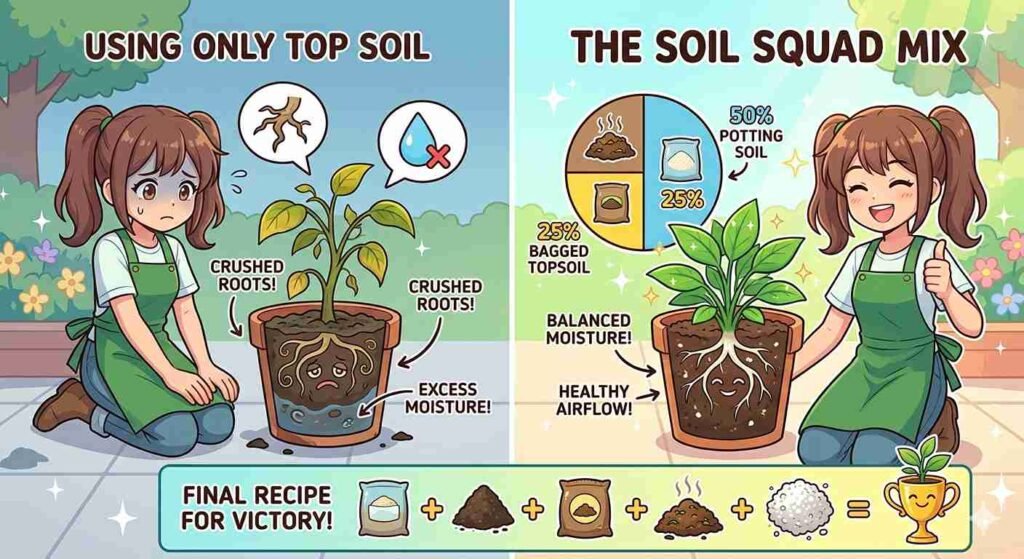
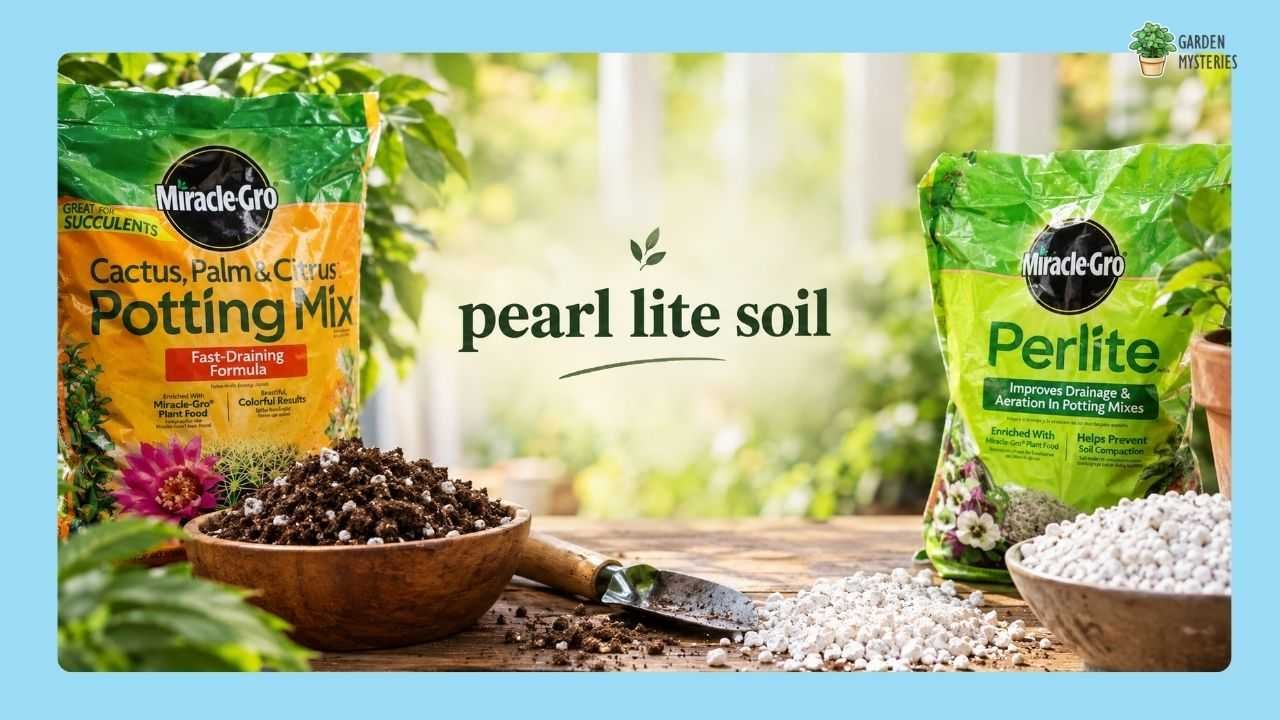
This blend works well for vegetables, herbs, flowers, and patio containers. It also helps reduce soil compaction compared to using only topsoil. You can check out this potting mix – plant soil by Miracle-Gro, which has many good reviews online.
Many gardeners ask, “can you plant in topsoil?” For containers, the answer is usually no. Topsoil for vegetables and potted plants performs better as part of a mixed growing medium rather than the main soil source.
Bagged topsoil for garden beds can still be useful when combined with compost and other organic matter properly.
Final Verdict: Can You Use Top Soil for Gardening?
Topsoil alone is only a base layer, not a complete growing medium for gardening. If you’re still asking, Can You Use Top Soil for Gardening, the answer remains no in most cases, because roots often struggle due to low nutrient availability, poor soil structure, and compaction issues that slow plant growth and reduce overall soil health.
However, when you combine topsoil with compost or other organic matter, it becomes a balanced, nutrient-rich growing medium. It improves topsoil vs compost performance in real garden use, enhancing drainage, increasing microbial activity, and supporting stronger root development.
In simple gardening terms, topsoil provides the foundation, but the right mix transforms it into a living soil system that actually supports healthy, long-term plant growth.
FAQs
Yes, but only when mixed with compost or organic matter. On its own, topsoil can compact, drain poorly, and lack nutrients needed for strong plant growth.
Yes, you can use topsoil in a garden bed, but not alone. Mix it with compost or organic matter to improve nutrients, drainage, and soil structure for healthy plant growth.
The best soil mix for gardening is typically a 2:1 ratio of topsoil tocompost. This blend improves soil structure, boosts nutrient content, and enhances drainage, making it suitable for vegetables, flowers, and general garden use.
No, topsoil vs potting soil comparisons show that potting soil is better for containers. Potting mixes are designed for aeration, moisture control, and nutrient balance, while topsoil is heavier and better suited for ground use.
Using topsoil in pots alone is not recommended. It can compact easily, restrict airflow, and suffocate roots. For container gardening, mix it with compost or use a quality potting mix for better drainage and plant health.
Topsoil and garden soil serve different purposes. Topsoil improves soil depth and structure, while garden soil usually contains compost and organic matter designed for planting. For vegetables and raised beds, gardeners often mix topsoil with garden soil for better drainage and nutrients.