Best Fast Growing Vegetable Plants for Beginners (Quick Harvest)
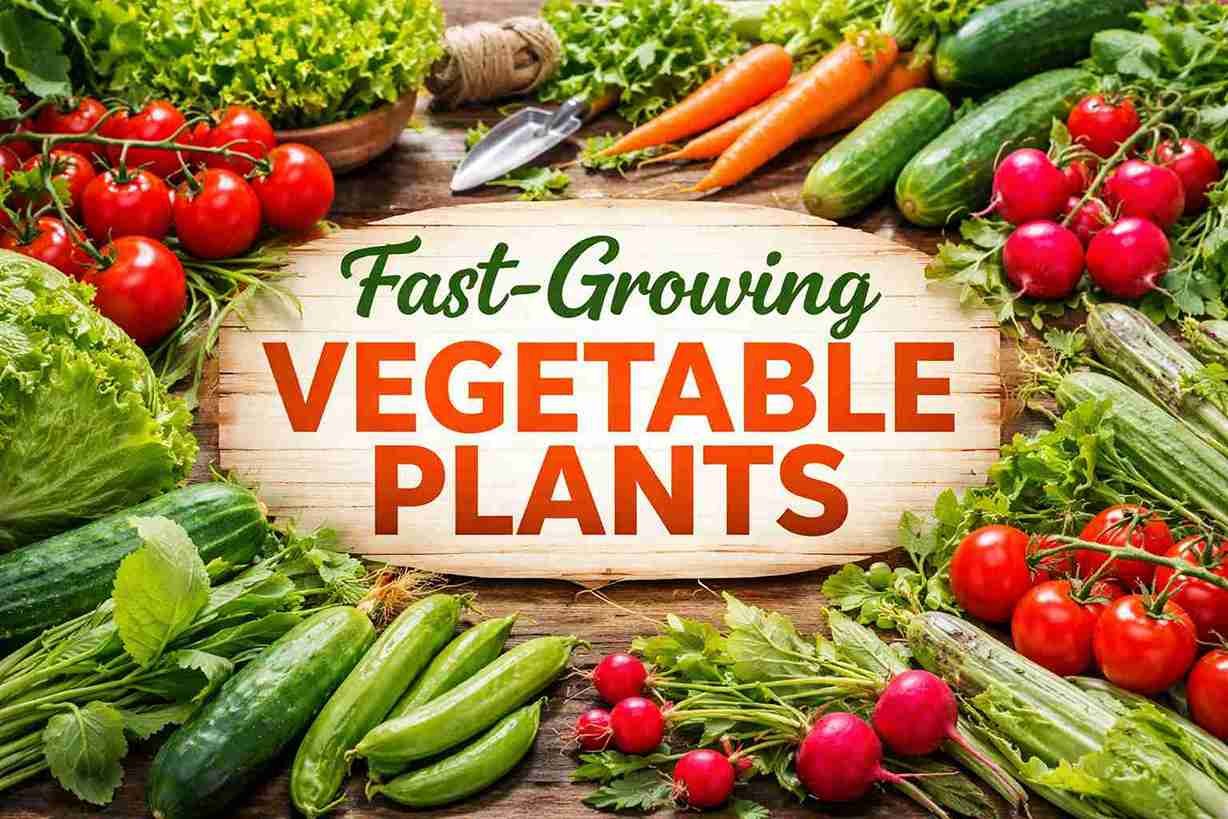
Growing your own vegetables doesn’t have to feel slow or complicated. With the right choices, you can grow fast growing vegetable plants that deliver fresh harvests in just a few weeks. These crops are perfect for beginners, small spaces, and anyone who wants quick results without waiting an entire season.
From quick growing vegetables for beginners to high yield fast growing vegetables, this guide will help you choose, grow, and harvest smarter.
Fast growing vegetable plants are crops that grow in 18 to 60 days, including leafy greens, root vegetables, and compact fruiting plants ideal for quick harvest gardening.
What Are Fast Growing Vegetable Plants?
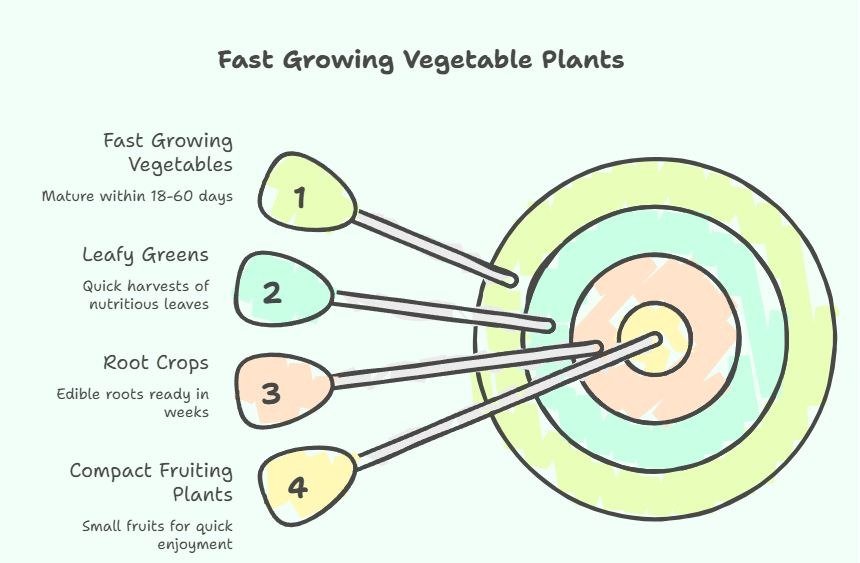
Fast growing vegetable plants are crops that mature within 18 to 60 days, making them ideal for quick harvests, small gardens, and beginner-friendly growing.
These vegetables are typically leafy greens, root crops, or compact fruiting plants. They are popular in container gardening, raised bed gardening, and balcony gardening because they require less time, space, and care.
Fastest Growing Vegetable Plants Comparison Table
These vegetables grow quickly and provide consistent results, especially when planted in the right season and soil conditions.
| Vegetable | Days to Harvest | Best Growing Season |
| Radish | 20-30 days | Cool season |
| Arugula | 18-25 days | Cool season |
| Lettuce | 25-50 days | Cool season |
| Spinach | 25-40 days | Cool season |
| Cucumber | 40-60 days | Warm season |
| Cherry Tomato | 45-60 days | Warm season |
| Carrot | 50-60 days | Cool season |
These are some of the fastest growing vegetables from seed, perfect for short season gardening and quick results at home.
Why Some Vegetables Grow Faster Than Others
The growth speed of vegetables depends on how they develop, from leaves to roots to fruits, each stage requiring different time and energy.
- Leafy greens grow fastest because you harvest leaves directly
- Root vegetables take more time as they develop underground
- Fruiting plants require the longest time to flower and produce
That’s why vegetables ready in 30 days are usually leafy greens, while tomatoes and cucumbers take longer. Understanding this can help you plan a quick harvest vegetable garden efficiently.
The Leaves, Roots & Fruits Rule
The easiest way to grow faster is by following a simple structure based on plant type and growth speed.
- Leaves (fastest) → lettuce, spinach, arugula
- Roots (moderate) → radish, carrots, beets
- Fruits (slower) → tomatoes, cucumbers, peppers
If your goal is fast growing vegetables for beginners, start with leafy greens and roots. These require less space, less maintenance, and provide faster results.
7 Fast Growing Vegetable Plants You Should Try
If you want a productive garden without long waiting times, these fast growing vegetable plants are ideal. Most of them are popular in searches for fast growing vegetables from seed, especially for beginners, container gardeners, and small-space growers.
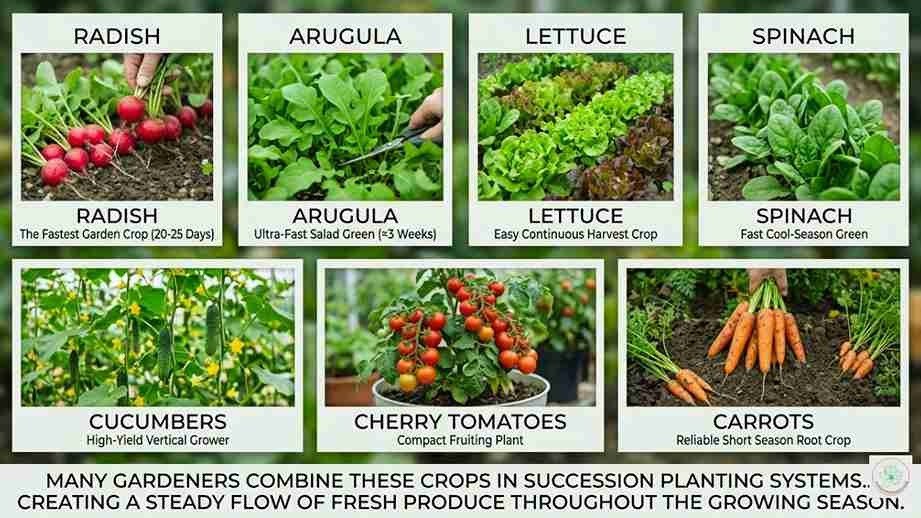
1. Radish – The Fastest Garden Crop (20-25 Days)
Radish is one of the most searched fast growing vegetable seeds because it matures extremely quickly. Many varieties are ready in just 3-4 weeks. It grows best in loose, well-drained soil and is perfect for raised beds or small containers. Because it dislikes crowding, spacing is important for proper root development.
2. Arugula – Ultra-Fast Salad Green (≈3 Weeks)
Arugula is often listed among the fastest vegetables to grow at home, especially for salad lovers. It germinates quickly and supports a cut-and-come-again harvest, allowing multiple harvests from the same plant. It performs best in cool weather and is widely used in home vegetable gardening for beginners.
3. Lettuce – Easy Continuous Harvest Crop
Lettuce, especially loose-leaf types, is a classic quick growing vegetable plant for home gardens. It can be harvested as baby greens in about 25-30 days. It fits well in container gardening and raised beds, and thrives when harvested repeatedly instead of fully uprooted.
4. Spinach – Fast Cool-Season Green
Spinach is a nutrient-rich leafy green included in many lists of fast growing leafy vegetables. Baby leaves can be ready in 30-35 days depending on conditions. It grows best in cooler temperatures and fertile soil, making it a strong choice for seasonal planting cycles.
5. Cucumbers – High-Yield Vertical Grower
Cucumbers are popular in fast growing vegetables and fruits categories, especially for vertical gardening. With proper support like trellises, they grow quickly once temperatures rise. Many varieties begin producing within 50-60 days, making them efficient for home harvest systems.
6. Cherry Tomatoes – Compact Fruiting Plant
Cherry tomatoes are among the most practical fast fruiting vegetables for home gardens. Dwarf and determinate varieties are especially suitable for containers and balcony setups. With enough sunlight, they start producing earlier than larger tomato types and provide continuous harvests.
7. Carrots – Reliable Short Season Root Crop
Carrots are slightly slower but still considered part of short season vegetables. Baby carrots can be harvested early, while full maturity takes longer. They require loose, stone-free soil for proper growth and are widely used in beginner-friendly gardening setups.
Many gardeners combine these crops in succession planting systems, starting with radish and arugula for quick yield, followed by cucumbers and tomatoes for longer harvest cycles. This creates a steady flow of fresh produce throughout the growing season.
Fastest Vegetables You Can Harvest in 30 Days
If you want the quickest results, focus on fast growing vegetable plants that mature in under a month and provide instant satisfaction.
- Radish (20-25 days)
- Arugula (18-21 days)
- Spinach (25-30 days)
- Lettuce (baby greens in 25 days)
These are the best vegetables you can harvest in a month, perfect for building confidence and maintaining motivation.
Cut-and-Come-Again Vegetables (Harvest More Than Once)
Some vegetables continue producing even after harvesting, making them highly efficient and productive for small gardens.
- Lettuce
- Spinach
- Arugula
These cut and come again vegetables allow you to harvest outer leaves while the plant keeps growing, increasing yield without replanting.
Fast Growing Vegetable Plants for Containers & Raised Beds
Even a balcony or a narrow patio can turn into a steady food source when you choose the right fast growing vegetable plants. Containers and raised beds create a controlled environment where soil warms faster, roots stay compact, and growth cycles speed up. They are perfect for quick harvest vegetables and small space gardening.
- Lettuce → A classic container vegetable with shallow roots; ideal for cut-and-come-again crops and continuous harvesting.
- Radish → One of the fastest 30-day vegetables, great for beginners and tight spaces.
- Spinach → A reliable fast growing leafy green that performs well in partial shade and cool conditions.
- Cherry tomatoes → Productive compact fruiting plants that thrive in pots with support; excellent for high-yield container gardening.
- Cucumbers → Perfect for vertical gardening in raised beds, saving space while boosting yield.
These vegetables are widely recommended for urban gardening, balcony gardening, and container vegetable gardening because they grow quickly, require less root depth, and adapt well to limited soil volume.
Pro tip: Use a loose, well-draining potting mix, water consistently, and ensure at least 5-6 hours of sunlight daily to speed up growth and improve harvest quality.
Want sweeter, more productivecherry tomatoes? This guide can break it down even more simply, I hope. With the right setup, even a few pots can feel like a full garden harvest waiting to happen.
Why Your Vegetables Are Growing Slowly
Fast-growing plants can still struggle if basic growing conditions are not met, leading to slow or poor results.
- Poor soil quality or lack of nutrients
- Insufficient sunlight (less than 6 hours daily)
- Overwatering or poor drainage
- Planting in the wrong season
Improving these factors helps maintain healthy growth and ensures your crops stay in the quick harvest vegetables category.
Choosing the Right Fertilizer for Fast Growing Vegetables
The right fertilizer can speed up growth, improve yield, and keep your fast growing vegetable plants healthy. Here’s how popular options compare and when to use them.
Black Kow vs Miracle-Gro (Organic vs Synthetic Boost)
When comparing black kow vs miracle grow, the difference comes down to soil health vs quick results. Black Kow (composted manure) improves soil structure and supports long-term growth, making it great for leafy greens and root vegetables.
Miracle-Gro, on the other hand, is a fast-acting synthetic fertilizer that delivers quick nutrients, ideal for rapid growth in containers.
Best use: Combine both-use Black Kow for soil enrichment and Miracle-Gro for quick feeding.
Sta-Green vs Miracle Gro (Budget vs Performance)
In the sta green vs miracle grow comparison, Sta-Green is often more budget-friendly and works well as a general-purpose fertilizer. Miracle-Gro provides faster visible results, especially for quick growing vegetables in pots and raised beds.
Best use:
- Sta-Green → steady feeding for garden beds
- Miracle Gro → fast boost for quick harvest crops
Are These Fertilizers Always Necessary?
Not always. For many fast growing vegetables, especially leafy greens, rich soil with compost is often enough. Overusing fertilizers can even slow growth or damage plants.
Better Alternatives for Fast Growing Vegetable Plants
- Compost-rich soil (natural nutrient supply)
- Balanced fertilizers (like 7-7-7)
- Liquid organic feeds (fish emulsion, compost tea)
These options support quick harvest vegetables while keeping soil healthy long-term.
Final Thoughts
Fast growing vegetable plants are perfect for gardeners who want quick results without long waiting periods. From vegetables ready in 30 days to high yield fast growing crops, these plants make gardening more rewarding and accessible.
Start with leafy greens, experiment with root crops, and gradually expand your garden. With the right approach, you’ll enjoy fresh harvests more often and build confidence with every growing cycle.