
How to Trigger New ZZ Plant Shoots Quickly at Home
The ZZ plant grows slowly by storing energy in thick underground rhizomes before producing new shoots above the soil. It does not respond to forceful care; instead, it depends on steady light, proper watering, and healthy soil conditions over time.
If your plant seems stuck, the focus should be on how to trigger new ZZ plant shoots by creating the right environment rather than trying to rush growth. Most activity actually happens underground first, long before any visible change appears.
In this guide, you will learn simple, proven methods to encourage natural growth, including light optimization, watering balance, soil care, and long-term stability. When these conditions align, the plant shifts energy into its rhizomes, eventually producing fresh green shoots.
What Actually Triggers New ZZ Plant Shoots? Key Takeaways
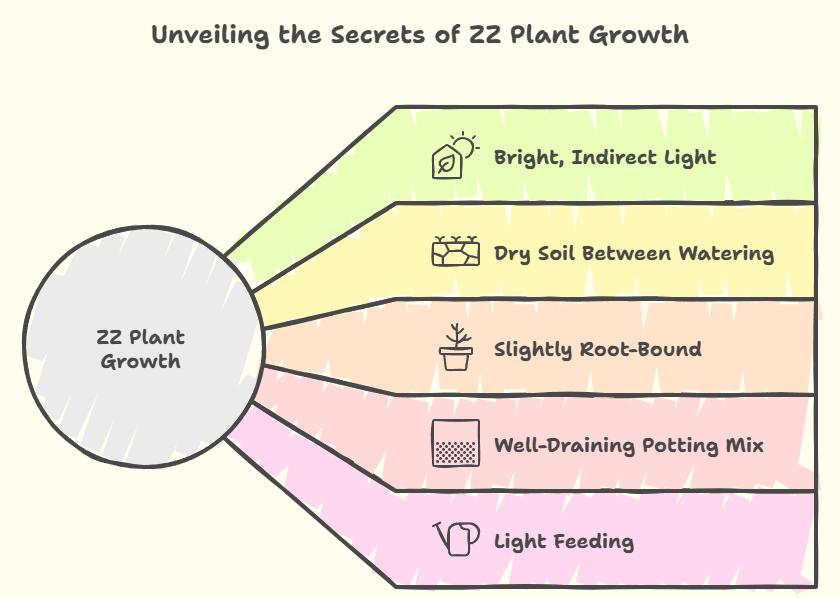
Based on real growing patterns and search data, new shoots appear when these conditions align:
- Bright, indirect light
- Fully dry soil between watering
- Slightly root-bound but not stressed
- Well-draining potting mix
- Light feeding during active season
Miss one of these, and growth slows down significantly. These simple ZZ plant new growth tips focus on creating the right balance of light, soil, and watering to support healthy development.
If your ZZ plant is struggling, you can also check our blog on why your ZZ plant is not growing new shoots.
How to Trigger New ZZ Plant Shoots: 7 Proven Tips
The ZZ plant grows in silence, but it only moves when conditions feel right. If you want to understand how to trigger new ZZ plant shoots, the first and most important factor is light. It is because energy begins there before anything appears above the soil, and then the other factors come.
1. Bright Indirect Light = Growth Activation
Your ZZ plant can survive in low light, but it won’t feel motivated to grow there. Think of low light as maintenance mode-steady, quiet, and slow. If you want new shoots, you need to gently turn up the energy.
Place your plant where it can enjoy bright, indirect light-near a window with a curtain, or a spot that gets plenty of daylight without harsh sun hitting the leaves. Direct sunlight can scorch it, but soft, filtered light tells the plant it’s safe to grow.
A few simple tweaks make a big difference:
- Keep it close to a bright window (east or north-facing works well)
- Avoid deep corners or rooms with very little natural light
- Rotate the pot every couple of weeks so all sides get equal exposure
Here’s what’s happening behind the scenes: light powers photosynthesis, and that energy gets stored in the ZZ plant’s rhizomes (those thick, potato-like roots underground). Once enough energy builds up, the plant finally “decides” to push out new shoots.
2. Let Soil Dry Completely
If ZZ plants had a personality, they’d be the “don’t rush me” type. Most growth problems start with one habit: watering too often.
These plants store water in their thick rhizomes, so they actually prefer a dry pause between drinks. When the soil stays wet for too long, the roots can’t breathe-and that’s when growth quietly shuts down.
Here’s a simple rhythm that works:
- Wait until the soil is fully dry before watering again
- When you do water, soak it until the excess drains out
- Then let it rest-no frequent top-ups
- In winter or low light, water even less often
A good trick? Stick your finger 2-3 inches into the soil. If it still feels cool or slightly damp, give it more time.
What’s happening underground: when the soil dries out properly, roots grow stronger and healthier. But constant moisture leads to rhizome stress or rot, and a stressed ZZ plant won’t produce new shoots.
So instead of watering on a schedule, follow the soil. With ZZ plants, a little neglect often leads to better growth than too much care.
3. Check If Your Plant Is Root-Bound
Here’s a quiet little secret most guides skip: ZZ plants actually like a bit of snugness. A slightly root-bound plant often feels “secure” and may push out new shoots faster. But when things get too cramped, it’s like trying to grow in a crowded room-eventually, everything slows down.
So the goal isn’t to rush into repotting… it’s to know when “cozy” turns into “crowded.”
Watch for these signs:
- Roots circling tightly around the pot
- The container looking bulged or slightly distorted
- Soil drying out unusually fast after watering
- Growth completely stalled for a long time
If you notice these, your ZZ plant is likely running out of space and nutrients.
The fix is simple: move it into a pot just one size bigger, not a huge jump. Use fresh, well-draining soil so the roots and rhizomes can breathe and expand again.
What happens next? Once the roots get a bit more room, the plant shifts gears-less survival, more growth. That’s when you’ll often see new shoots finally emerging from the soil, almost like the plant has been waiting for that extra space all along.
4. Use a Well-Draining Potting Mix
If watering is the “schedule,” then soil is the stage where everything happens. And for ZZ plants, the stage must stay light, airy, and never soggy.
These plants don’t like heavy, compact soil-it slowly suffocates the roots and blocks the underground rhizomes that are responsible for new shoots. What they really want is a mix that lets air move freely while still holding just enough moisture.
A simple, effective blend looks like this:
- Standard potting soil (base structure)
- Perlite or coarse sand (for airflow and drainage)
- A small pinch of compost (for gentle nutrients)
Nothing fancy-just balanced and breathable.
This combination helps in three important ways:
- Better drainage so water never sits too long
- Improved aeration so roots can “breathe”
- Healthy rhizome expansion which directly supports new shoot growth
Think of it like this:compact soil is a tight room with no windows, while a well-draining mix is an open space where roots can stretch and work comfortably.
If you want to support long-term growth naturally, you can also explore:natural fertilizers for ZZ plants that actually work. That combination-air-rich soil plus gentle feeding-is what quietly sets the stage for consistent new ZZ plant shoots over time.
5. Fertilize Lightly During Growth Season
When it comes to feeding a ZZ plant, less really is more. These plants are naturally low-demand feeders, so heavy fertilizing doesn’t speed things up-it often does the opposite and slows them down.
The goal is just to gently “top up” the soil, not flood it with nutrients.
A simple approach works best:
- Use a diluted balanced fertilizer (never full strength)
- Apply it only during the active growing season (spring and summer)
- Space feeding out to about every 4-6 weeks
- Skip fertilizing completely in winter when growth naturally slows
Think of it like offering small snacks instead of full meals-just enough to support steady energy without overwhelming the plant.
Here’s the important part many people miss: Too much fertilizer can build up salts in the soil and stress the roots. Instead of encouraging growth, it can actually block new ZZ plant shoots from forming.
If you prefer a more natural approach, organic options can also work well when used lightly. For a deeper, more natural feeding approach, you can read an article on the best natural fertilizer for ZZ plant growth indoors.
Used correctly, gentle feeding simply supports what the plant is already trying to do-slow, steady, and healthy growth from its rhizomes over time.
6. Keep Conditions Stable and Warm
ZZ plants don’t respond well to drama. No sudden moves, no temperature swings, no constant shifting between “too hot” and “too cold.” They grow best when life around them feels steady and predictable.
Inside the home, think of it like giving the plant a calm corner where nothing changes too quickly.
Here’s what works best:
- Keep the plant in warm indoor temperatures (avoid cold drafts or AC blasts)
- Don’t keep moving it from room to room or window to window
- Maintain moderate humidity, but nothing extreme or forced
ZZ plants are sensitive in a quiet way. Even if they don’t show stress immediately, unstable conditions can slow down internal processes-especially the energy buildup in their rhizomes that leads to new shoot formation.
Here’s the simple truth: when conditions stay consistent, the plant doesn’t waste energy adapting. Instead, it slowly redirects that energy into growth-often resulting in healthier, more reliable new ZZ plant shoots over time.
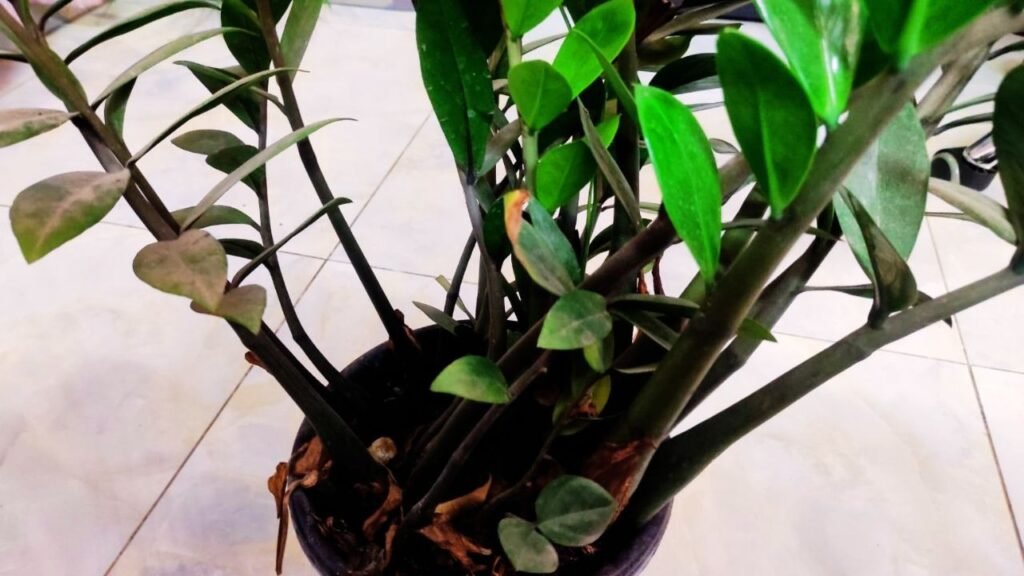
7. Remove Weak or Yellow Growth
Pruning isn’t a magic switch that creates new shoots in ZZ plants, but it does something equally important-it helps the plant stop wasting energy.
When a ZZ plant holds on to damaged, yellowing, or weak stems, it quietly spends energy trying to maintain those parts. Cleaning them up gently shifts that energy back into healthier areas, especially the rhizomes where new growth begins.
A simple routine works best:
- Remove any yellow, soft, or clearly damaged stems
- Keep cuts clean and close to the base if needed
- Avoid over-pruning-just tidy, don’t stress the plant
Think of it as decluttering. A cleaner plant is not just prettier-it functions more efficiently.
Once the plant isn’t “supporting the weak parts anymore,” it can redirect resources toward stronger internal growth zones. Over time, this supports the conditions needed for new ZZ plant shoots to emerge naturally.
Want Faster Results? Try Propagation
If your goal is not just one healthy ZZ plant but more plants altogether, then propagation opens a completely different path. It doesn’t directly “trigger” new shoots on the same plant, but it helps you multiply your collection over time-like turning one plant into a small green family.
There are a few reliable ways ZZ plant lovers use:
- Division (fastest method) → When repotting, you can gently separate the rhizomes and plant them in separate pots. This gives you instant new plants with established energy.
- Stem cuttings (moderate speed) → A healthy stem can be rooted in water or moist soil, though it takes patience for strong growth to develop.
- Leaf cuttings (slowest method) → Individual leaves can eventually form rhizomes, but this is a long game and requires steady care.
Important note: these methods don’t speed up shoot production on your existing ZZ plant. Instead, they create new independent plants that will grow at their own rhythm.
So if your original plant is slow, propagation is like taking a side road in gardening-you still reach growth, just through a different route.
Soil & Fertilizer Choices Matter
While ZZ plants don’t need heavy feeding, the type of fertilizer and soil care you use still affects long-term growth signals, especially when you’re trying to trigger new shoots.
Many gardeners compare general garden fertilizers like Earthgro vs Vigoro, especially for home use in soil beds and container plants. Both are widely available and used for balanced NPK feeding (like 10-10-10or similar all-purpose blends), but the key insight is this:
It’s not about the brand-it’s about how lightly and how correctly you use it. For a slow-growing plant like the ZZ plant, heavy fertilizing (even with trusted brands) can actually slow growth instead of improving it.
What Actually Works Better – How to Trigger New ZZ Plant Shoots!
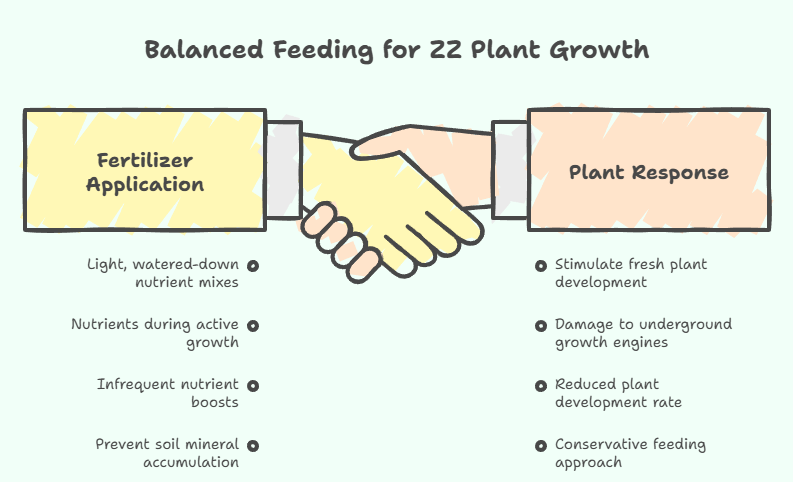
- Very diluted, balanced fertilizer applications
- Only during spring and summer growth months
- Long gaps between feeding (not frequent dosing)
- Avoid buildup of salts in the soil
Think of fertilizers like Earthgro or Vigoro as “general garden fuel”-useful in outdoor gardening or vegetable beds, but for ZZ plants, the approach must be much lighter and more controlled.
Why Over-Fertilizing Backfires
Instead of triggering growth, excess nutrients can:
- Stress rhizomes (the real growth engine underground)
- Create salt buildup in soil
- Slow down or completely pause new ZZ plant shoot development
That’s why many experienced indoor gardeners prefer a minimal feeding strategy rather than frequent fertilization.
Smarter Approach for Indoor Growth
If your goal is how to trigger new ZZ plant shoots, the real priority order is:
- Light (most important)
- Watering control
- Soil aeration
- Only then-light fertilization
Fertilizer supports growth, but it never replaces the basics.
What to Expect (Reality Check)
Even when you follow every care step perfectly, the ZZ plant still moves on its own quiet timeline. It’s not a fast responder-it’s more like a slow thinker in the plant world. New shoots can take anywhere from several weeks to a few months to appear.
This delay is completely normal because the ZZ plant doesn’t grow in a visible rush. Instead, it builds energy underground first. The rhizomes slowly store nutrients, strengthen themselves, and only when everything feels stable do they push out new growth.
So if nothing is happening above the soil, it doesn’t mean nothing is happening at all. Think of it like this: while you’re seeing “no change,” the plant is actually preparing the foundation for future growth beneath the surface.
If Your ZZ Plant Still Isn’t Growing
If you’ve adjusted light, watering, soil, and feeding but still see no new growth, the issue may go deeper than basic care. Hidden problems like root stress, poor drainage, or environmental imbalance can quietly slow down progress. For a complete breakdown, read our blog on why your ZZ plant is not growing new shoots.
Final Thoughts
Learning how to trigger new ZZ plant shoots is not about forcing growth, but about creating the right balance so the plant naturally chooses to grow when it is ready. The ZZ plant responds best to stability, patience, and consistent care rather than aggressive intervention.
For healthy growth, give your ZZ plant bright, indirect light, well-draining breathable soil, enough space for roots and rhizomes, and light infrequent watering. Avoid overfeeding or frequent changes, as consistency is more important than intensity.
When these conditions stay steady, the plant slowly redirects its energy into rhizome development underground. Over time, this hidden activity leads to new ZZ plant shoot formation.
FAQs
How long does it take for ZZ plant to grow new shoots?
Even in ideal conditions, a ZZ plant can take several weeks to a few months to produce new shoots because it first develops energy underground in its rhizomes before pushing visible growth.
Can root-bound ZZ plants grow new shoots?
Slightly root-bound ZZ plants may grow faster, but severely crowded roots can block new shoot growth. Repotting into a slightly larger pot can help restore growth.
Can I speed up ZZ plant growth naturally?
Yes, but only indirectly. You can encourage growth by improving light, using well-draining soil, watering only when dry, and applying light fertilizer during spring and summer. These conditions activate rhizome energy storage.
Does repotting help ZZ plant grow new shoots?
Yes, but only when necessary. If the plant is root-bound, repotting into a slightly larger container with fresh potting mix can reduce stress and allow rhizomes to expand, which may trigger new shoots.
Why is my ZZ plant not growing new shoots?
A ZZ plant may stop producing new shoots due to low light, overwatering, compact soil, or lack of nutrients. Improving light exposure, allowing soil to dry properly, and maintaining stable conditions can help restart natural growth.