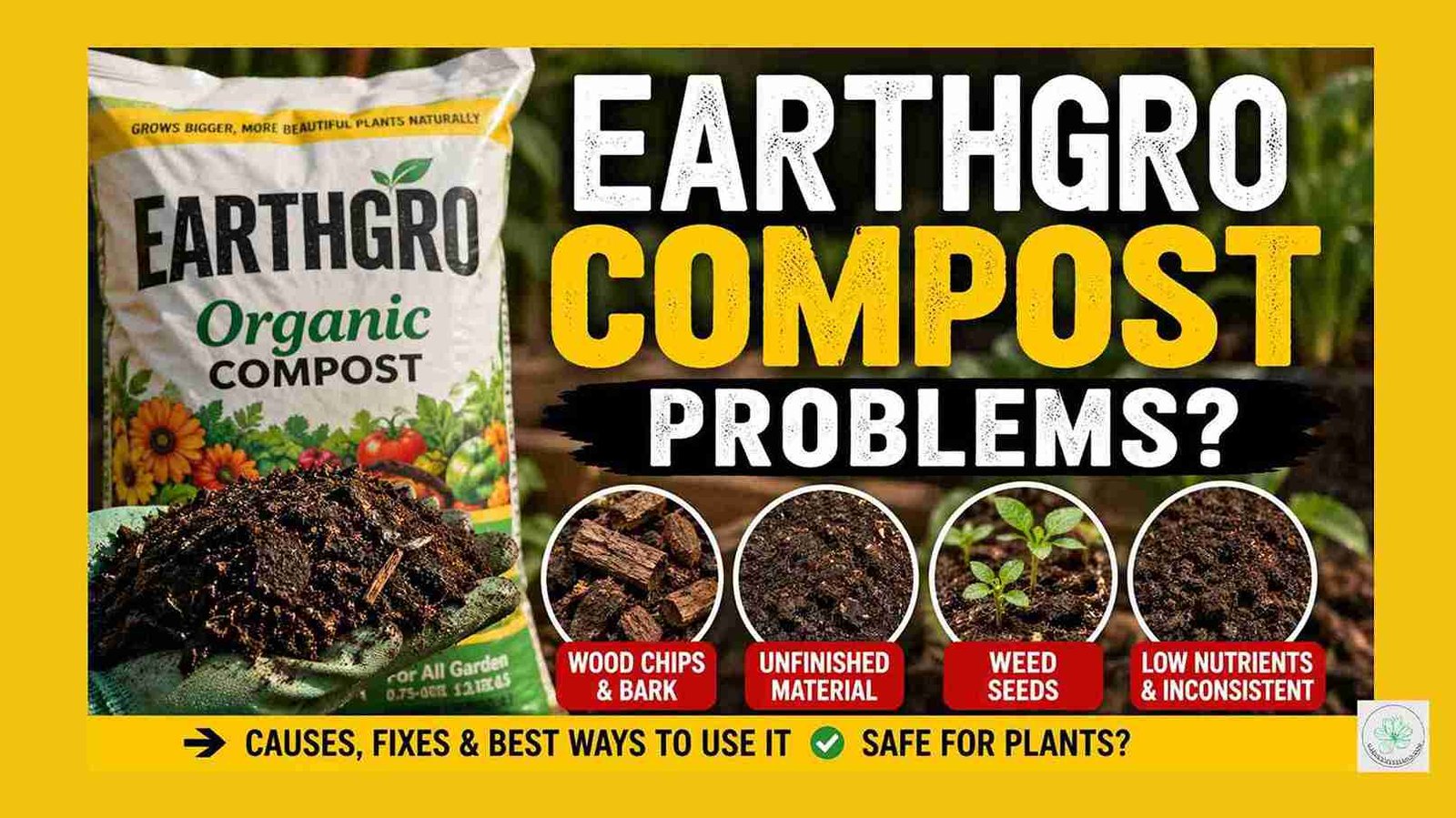
Earthgro compost problems refer to issues like wood chips, unfinished material, weeds, and inconsistent nutrients that affect plant growth.
Gardens, like stories, reveal their truth in layers. And when it comes to Earthgro compost problems, the story isn’t bad soil; it’s inconsistent soil. This guide breaks down what’s really going on inside those bags, why it happens, and how to turn it into something your plants will actually thank you for.
Quick Answer: Earthgro Compost Problems
Earthgro compost may contain wood chips, unfinished organic material, and occasional weed seeds. Its nutrient content can vary, making it less reliable for plant growth. Mixing it with topsoil or richer compost improves performance and reduces these issues.
What Are the Common Earthgro Compost Problems?
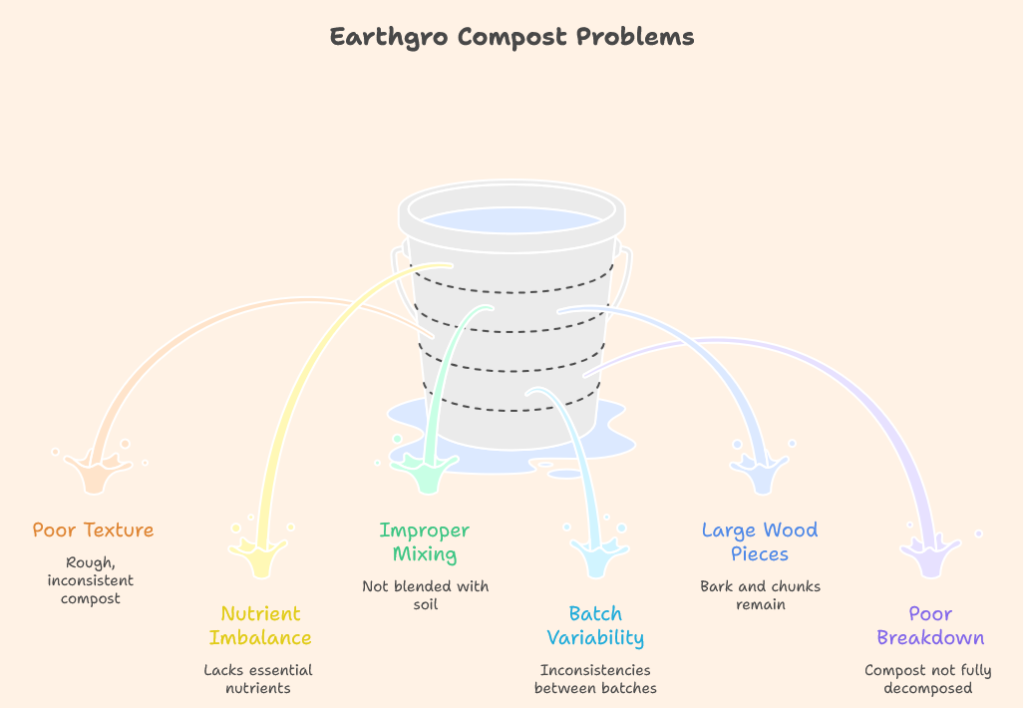
Earthgro compost problems show up as visible wood chips, unfinished material, weed growth, and uneven nutrients. These compost quality issues directly impact soil texture, nutrient availability, and overall plant performance in garden beds.
In most cases, the Earthgro compost disadvantage is not contamination but incomplete or uneven decomposition, which is common in bagged compost products.
Wood Chips and Bark Pieces
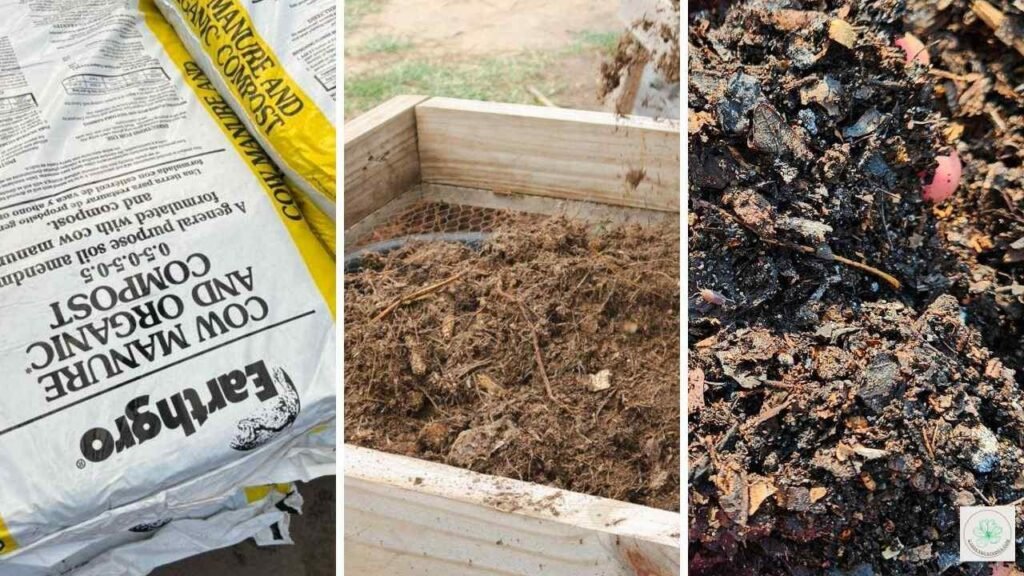
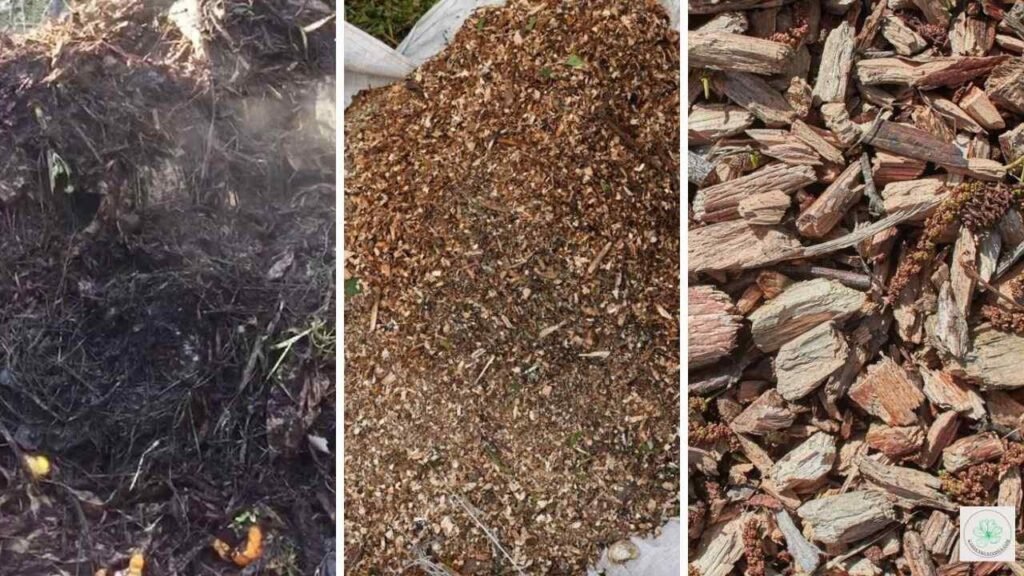
One handful feels rich and fine, the next feels like woodland debris. Earthgro compost wood chips are the most visible sign of uneven processing.
Why this matters for soil health:
- Large bark pieces slow down decomposition in the soil.
- Microbes pull nitrogen to break them down, causing a temporary nitrogen deficiency.
- Creates compost texture too chunky, reducing root-to-soil contact.
From a practical gardening standpoint, this can lead to patchy plant growth, especially in vegetables that need consistent nutrients.
Unfinished Compost Material
If the compost smells sharp, sour, or slightly warm, it signals unfinished compost material.
Clear signs to watch:
- Visible organic fragments (leaves, fibers, or scraps)
- Heat when turning the compost
- Sticky or uneven texture indicating poor compost breakdown
Impact on plants:
- Nutrients remain locked instead of being available
- Soil microbes compete with plants for nitrogen
- Leads to compost not fully decomposed issues
Earthgro compost problems usually come from incomplete decomposition, not harmful substances. This is a key distinction for safe garden use.
Weed Growth Issues
Sometimes the compost brings along unexpected seedlings.
Does Earthgro compost have weeds?
→ It can, depending on how thoroughly the material was processed.
Why it happens:
- Composting temperatures may not fully eliminate all seeds.
- Mixed organic inputs can introduce compost with weed seeds.
What this means in your garden:
- Extra maintenance pulling weeds
- Competition for nutrients, water, and sunlight
- Reduced efficiency in vegetable beds
It falls under common compost contamination issues, though it’s usually manageable rather than harmful.
Inconsistent Nutrient Levels
Among the earthgro compost disadvantages, this is where most gardeners notice frustration. One bag supports growth, and another feels weak.
Common symptoms:
- Compost not improving soil structure or fertility
- Slow or weak plant development
- Yellowing leaves from low nutrient compost
The biggest issue with Earthgro compost is batch inconsistency, which affects how reliably it feeds plants.
Why this matters:
Experienced gardeners and soil specialists treat bagged compost as a soil amendment, not a complete nutrient source. This approach reduces risk and improves results.
Practical Insight
From hands-on gardening experience, Earthgro compost performs best when you observe before you use:
- Check texture (fine vs chunky)
- Smell for maturity (earthy vs sour)
- Look for visible debris or weed sprouts
These simple checks help you identify compost quality issues early and adjust accordingly. It will also ensure safer and more predictable plant growth.
Why Earthgro Compost Has These Problems?
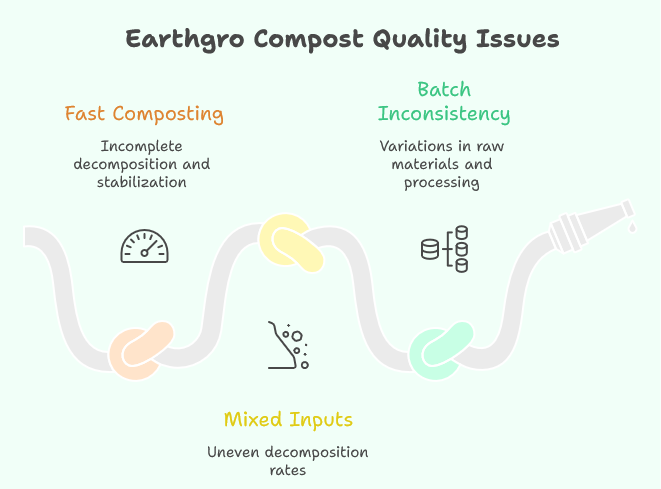
Earthgro compost problems are mostly tied to how bagged compost is produced at scale. Unlike carefully managed home piles, commercial composting balances speed, volume, and cost, which can lead to unfinished compost material, visible wood chips, and inconsistent nutrient content. These are common bagged compost quality issues, not signs of unsafe compost.
Fast Composting Process
To meet demand, producers accelerate decomposition cycles. This short timeline can leave some materials only partially broken down.
What happens during fast composting:
- Organic matter doesn’t fully stabilize
- Microbial activity is still active inside the bag
- Leads to unfinished compost material and uneven texture
Gardener’s insight:
Compost that hasn’t fully matured may still compete with plants for nitrogen, which explains early-stage growth issues in vegetable beds.
Mixed Organic Inputs
Earthgro compost is made from a blend of organic sources rather than a single controlled input.
Typical materials include:
- Wood waste and bark
- Yard trimmings and leaves
- General organic debris
Why this matters:
- Different materials decompose at different speeds
- Wood-heavy inputs create earthgro compost wood chips and coarse texture
- Results in compost quality issues like uneven breakdown
This is why you often see bark pieces in compost and inconsistent structure from bag to bag.
Batch Inconsistency
Each production batch can vary depending on available raw materials and processing time.
Key factors behind inconsistency:
- Changing input materials
- Variations in composting duration
- Moisture and temperature differences during processing
Real-world impact:
- One bag may be nutrient-rich and fine
- Another may be coarse with low nutrient compost characteristics
This explains common bagged compost consistency problems and why gardeners sometimes see mixed results.
How to Fix Earthgro Compost Problems
Most Earthgro compost problems can be corrected with simple adjustments. Improving compost texture, balancing nutrients, and mixing it properly with soil can turn inconsistent compost into a reliable growing medium.
Experienced gardeners often treat bagged compost as a soil amendment rather than a complete growing medium due to batch variability. Here’s where things turn from frustration into control.
From my gardening experience, the goal is very simple: reduce variability and support microbial balance so plants can access nutrients without stress.
Mix with Topsoil
This is the foundation move that solves most issues at once.
Why it works:
- Dilutes Earthgro compost wood chips and coarse texture
- Improves aeration and root contact
- Stabilizes nutrient availability in soil
Best ratio:
- 70% topsoil
- 30% compost
This directly fixes compost texture too chunky and compost not improving soil problems.
Add Nitrogen-Rich Compost or Manure
When compost feels weak, it usually lacks accessible nutrients.
What to add:
- Well-rotted manure
- Rich, fully finished compost
Benefits:
- Corrects low nutrient compost
- Supports microbial activity
- Prevents nitrogen drawdown from wood-heavy material
This step is important for improving compost not helping plants grow issues.
Screen Out Large Wood Pieces
A simple physical fix with immediate results.
How it helps:
- Removes bark and undecomposed chunks
- Creates a finer, more uniform soil mix
- Improves seed-to-soil contact
Especially useful when dealing with bark pieces in compost and uneven texture.
Use as Mulch Instead of Planting Mix
If the compost still feels raw, don’t fight it; reassign its role.
How to use:
- Spread a thin layer on top of soil
- Keep it around plants, not mixed deeply
Why it works:
- Retains moisture
- Gradually breaks down over time
- Avoids direct root stress from unfinished compost material
This method sidesteps poor compost breakdown and compost not fully decomposed issues.
Quick Fix
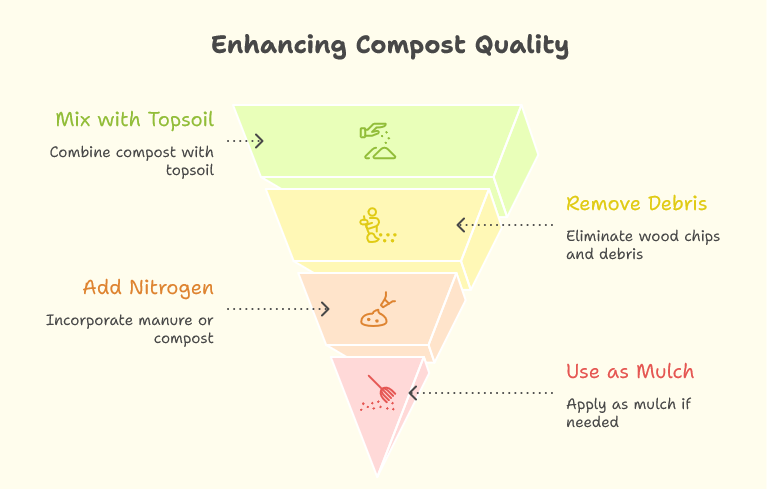
- Mix with topsoil (70:30)
- Remove wood chips and large debris
- Add a nitrogen-rich source (manure or rich compost)
- Use as mulch if the compost is too raw
In real garden conditions, even cheap compost vs premium compost differences can be minimized with proper handling. Experienced growers rarely rely on bagged compost alone. Instead, they observe texture, adjust ratios, and layer improvements over time.
Earthgro vs Black Kow
Earthgro vs Black Kow highlights a clear difference in compost consistency and nutrient strength. While Earthgro compost problems often relate to variability, Black Kow is typically more stable and manure-rich.
- Earthgro: cheaper, variable, wood-heavy
- Black Kow: more consistent, manure-based, richer
This reflects the broader debate: cheap compost vs premium compost. Choose whichever suits you best.
How to Use Earthgro Compost the Right Way
To minimize Earthgro compost problems, it’s important to apply it correctly. Using it as a soil amendment, not a standalone mix, helps avoid issues like poor breakdown, low nutrients, and uneven texture.
From a gardener’s bench, Earthgro works best when you treat it as a soil conditioner, not a finished growing medium.
Start by screening out large wood chips if the texture is rough. Then blend it into your soil instead of planting directly in it. A reliable mix is 2-3 parts topsoil to 1 part compost. This buffers inconsistency and prevents nitrogen drawdown.
For vegetable beds, work it into the top 4-6 inches of soil a week or two before planting. This gives partially decomposed material time to settle and stabilize.
If the compost feels too raw, use it as mulch around plants instead of mixing. Spread a thin layer on top and let nature finish the job slowly.
When nutrients seem weak, pair it with well-rotted manure or richer compost to balance performance. Handled this way, Earthgro stops being unpredictable and starts acting like a steady, supporting layer in your soil system.
Is Earthgro Compost Still Good?
Despite common Earthgro compost disadvantages, it can still be useful when handled properly. Its effectiveness depends on how it’s mixed, applied, and supported with better-quality organic matter.
Yes, but not straight out of the bag.
- Not ideal as a standalone planting mix
- Useful when improved or mixed properly
You can fix most Earthgro compost issues by mixing it properly. Think of it less as finished compost, and more as a “base ingredient.”
FAQs
Not inherently. Problems arise when used alone. Mixing it improves safety and performance for vegetables and garden beds.
Because it includes mixed organic inputs like bark and yard waste, which don’t fully break down during fast composting.
Yes, occasionally. Some seeds may survive the composting process, especially if decomposition wasn’t complete.
Mix with topsoil, add nutrient-rich compost or manure, remove large chunks, or use it as mulch instead of planting soil.
Final Takeaway
Earthgro compost problems don’t mean the compost is bad or unusable. In most cases, they come from incomplete decomposition, mixed inputs, and inconsistent nutrients. The key is understanding that compost is meant to improve soil, not to replace it.
Treat Earthgro compost as a base ingredient. When you mix it with topsoil, balance it with nutrient-rich inputs, and apply it correctly, you turn weak compost into a functional soil amendment that supports healthy plant growth.
Most of the experienced gardeners rely on this approach because compost works slowly to build soil structure, while fertilizers provide quick nutrients to plants.
If you want to go deeper and understand when to use compost vs nutrients, read it when you are free to do so. If they are used wisely, even imperfect compost becomes part of a living soil system.