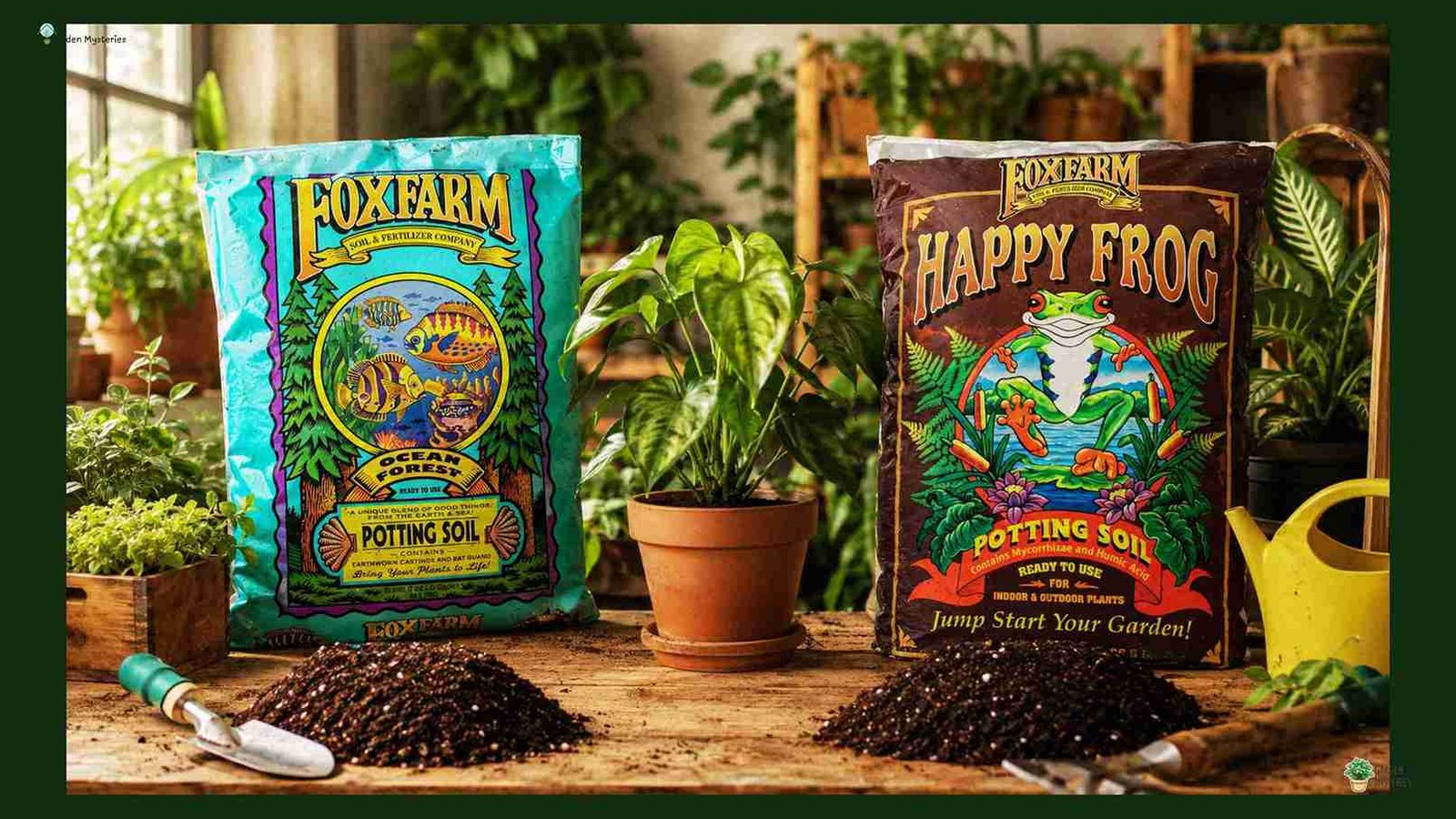
Picking the right soil can feel overwhelming, especially when two great options are sitting right in front of you. The happy frog or ocean forest debate is one of the most common questions gardeners ask when starting out with Fox Farm.
Both are quality Fox Farm potting soil products, but they work very differently depending on what you are growing and where you are in the plant’s growth cycle.
This guide will break down the real differences between the two, when to use each one, how to mix them, and which one gives you the best results for your specific garden setup.
What Is Fox Farm Happy Frog Potting Soil?
Fox Farm Happy Frog is a lightweight, microbe-rich potting soil designed for young plants, seedlings, and container gardening. It is gentler than most soils, making it one of the most beginner-friendly options in the Fox Farm potting soil lineup.
Every happy frog potting soil review highlights the same strengths: earthworm castings, bat guano, humic acid, and composted forest humus. These ingredients work together to feed roots slowly without overwhelming them with too much nutrition too fast.
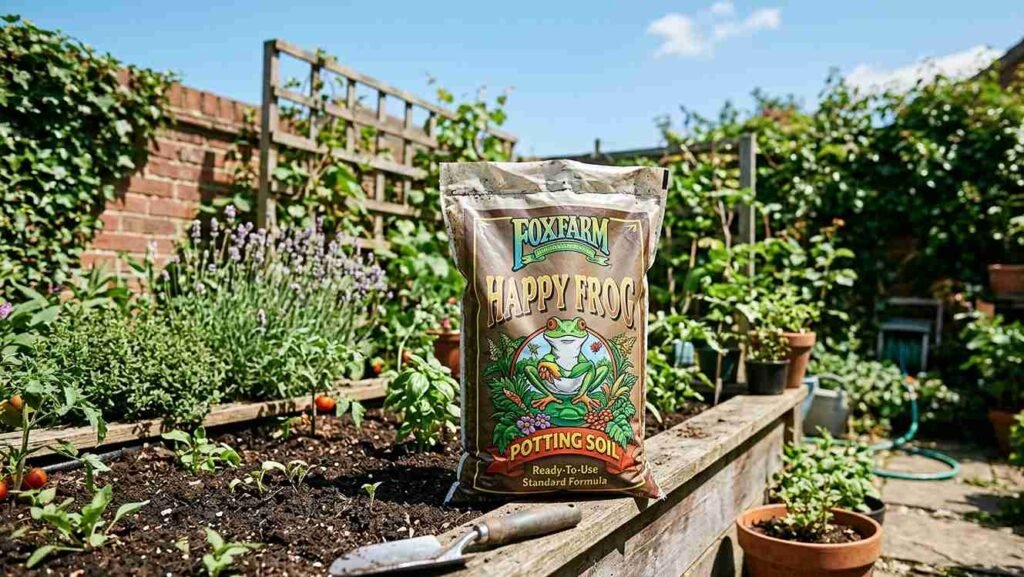
The pH sits between 6.3 and 6.8, which is the sweet spot for most vegetables, herbs, and flowering plants. This balance helps roots absorb nutrients more efficiently from the very start.
If you are growing in pots or starting seeds, this Fox Farm potting soil is a reliable first choice that rarely causes problems for new gardeners.
Fox Farm Happy Frog also offers fertilizers, soil conditioners, and specialty potting mixes for vegetables, flowers, and containers. These products help improve soil structure, nutrient availability, root development, and overall plant health throughout different stages of growth.
What Is Fox Farm Ocean Forest Potting Soil?
Fox Farm Ocean Forest is a nutrient-dense potting soil built for established plants that need a strong, consistent feed from day one. It is richer and more powerful than Happy Frog, making it the go-to choice for heavy-feeding plants.
Every honest ocean forest soil review points to the same standout ingredients: fish meal, crab meal, shrimp meal, bat guano, and earthworm castings. This marine-based blend gives plants a serious nutrient boost right from the first watering.
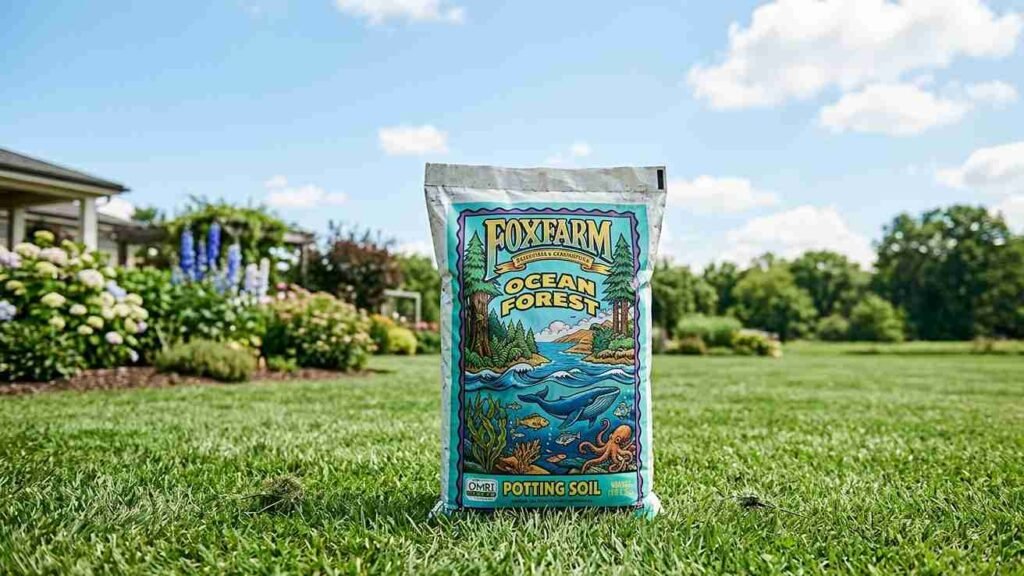
Gardeners often call this fox farm ocean forest mix “hot soil” because its high nutrient content can overwhelm young seedlings or sensitive plants. It works best once your plants are past the early stage and actively growing.
The pH ranges from 6.3 to 6.8, similar to Happy Frog, but the nutrient load is noticeably heavier. This Fox Farm potting soil truly shines with tomatoes, peppers, and other hungry vegetables.
Happy Frog vs Ocean Forest: At a Glance
The core difference in the FoxFarm soil comparison comes down to nutrient strength. Happy Frog is lighter and gentler for young plants, while Ocean Forest is denser and more powerful for established, heavy-feeding plants.
When deciding happy frog or ocean forest, most gardeners choose based on plant stage. Seedlings and young plants do better in Happy Frog, while mature plants thrive in Ocean Forest.
Here is a quick breakdown of how foxfarm ocean forest vs happy frog compares across the most important factors:
| Feature | Happy Frog | Ocean Forest |
| Nutrient Level | Mild and gentle | Rich and heavy |
| Best For | Seedlings, young plants, herbs | Vegetables, mature plants, heavy feeders |
| pH Range | 6.3 to 6.8 | 6.3 to 6.8 |
| Texture | Light and fluffy | Dense and sandy |
| Mycorrhizae | Yes | No |
| Price | Slightly lower | Slightly higher |
| Bag Size | 12 qt / 2 cu ft | 12 qt / 1.5 cu ft |
| Ideal Plant Stage | Seedling to early veg | Transplant to full growth |
Well, choosing the right soil can be tricky. Our Mother Earth Soil vs Fox Farm comparison makes the decision a whole lot easier.
Happy Frog vs Ocean Forest: Detailed Comparison
Choosing between fox farm soil for indoor plants is easier once you understand how each soil performs across the factors that actually matter. Here is a closer look at what sets them apart in real garden conditions.
Nutrient Strength and Soil Heat
In the happy frog vs ocean forest comparison, Ocean Forest is the hotter soil by a clear margin. Hot soil simply means it carries a higher concentration of readily available nutrients that feed plants fast and aggressively.
This matters most during the early growth stage. A seedling placed directly into Ocean Forest can experience nutrient burn because its young roots cannot handle that level of intensity right away.
Happy Frog is the safer starting point in any fox farm soil comparison. It feeds gently, allowing roots to establish before heavier nutrition is introduced later in the growth cycle.
pH Levels and Soil Structure
Both soils share a similar pH range of 6.3 to 6.8, which suits most vegetables, herbs, and flowering plants. This slightly acidic range helps roots absorb nutrients efficiently without any major adjustments needed.
Where they differ is texture. Happy Frog feels light and fluffy, which improves airflow around roots and drains well in containers. Ocean Forest has a denser, sandier feel that holds more moisture over time.
For container gardening, Happy Frog’s lighter structure is often the better fit. For raised beds and in-ground growing, Ocean Forest’s density can work in your favor during drier periods.
Mycorrhizae and Beneficial Microbes
Happy Frog contains mycorrhizae, which are beneficial fungi that attach to plant roots and help them absorb water and nutrients more efficiently. This gives seedlings a strong biological advantage from the very start.
Ocean Forest does not include mycorrhizae but compensates with its rich marine-based ingredients. The fish meal, crab meal, and bat guano create a powerful nutrient environment that supports rapid growth in established plants.
Price and Value
When asking is ocean forest or happy frog better for your budget, the answer depends on what you are growing. Happy Frog is slightly cheaper per bag and often comes in larger volumes, giving better coverage per dollar.
Ocean Forest costs a little more but delivers higher nutrient density, which can reduce how much fertilizer you need to add later. For heavy-feeding vegetables, that tradeoff often makes it worth the extra cost. You can also try out Happy Frog All Purpose Fertilizer for a quick boost to the soil quality.
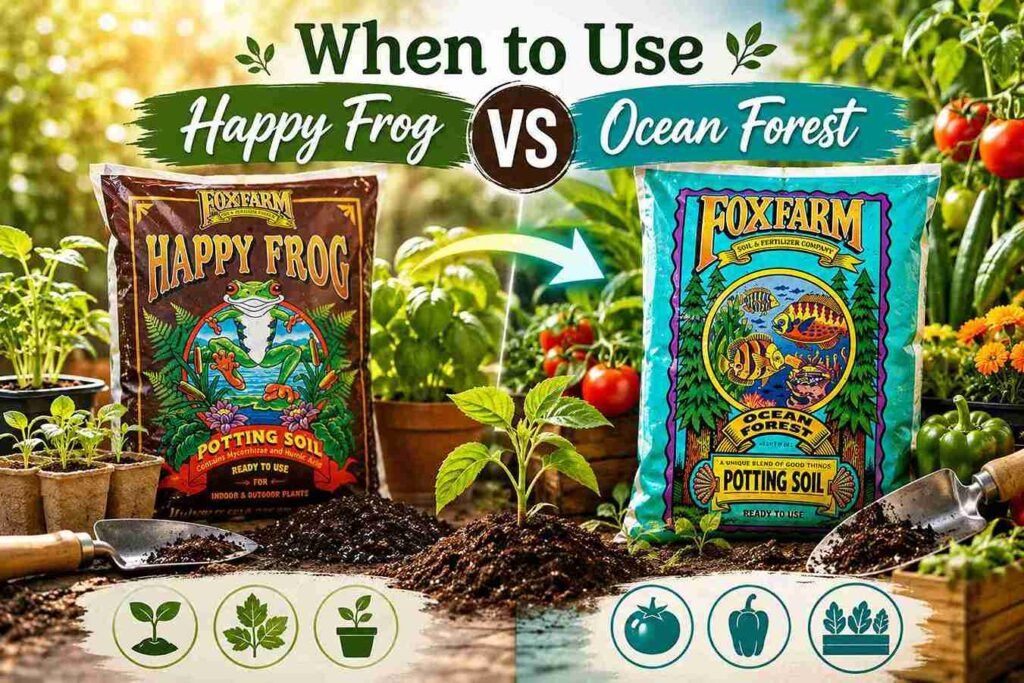
When to Use Happy Frog or Ocean Forest
The simplest way to think about the two Fox Farm soils is by plant stage. Use Happy Frog at the beginning of the growth cycle and switch to Ocean Forest once your plants are established and actively pushing growth.
Use Happy Frog Soil When
Happy Frog is the best Fox Farm soil for beginners because it is forgiving, gentle, and hard to overdo. New gardeners can plant directly into it without worrying about nutrient burn or pH swings disrupting early growth.
It is also a strong performer for leafy herbs and container vegetables. Many gardeners ask is happy frog good for vegetables, and the honest answer is yes, especially for greens, herbs, and any plant in its early weeks.
Here is when Happy Frog makes the most sense:
- Starting seeds or rooting cuttings
- Growing herbs like basil, cilantro, or parsley in pots
- Repotting young plants into slightly larger containers
- Any situation where you want a gentle, low-risk starting soil
Use Ocean Forest Potting Soil When
Ocean Forest steps in once your plants are past the seedling stage and ready for heavier feeding. It is not the right call for brand new seedlings, so anyone wondering is ocean forest good for seedlings should hold off until plants are stronger.
When it comes to Fox Farm soils for tomatoes and happy frog vs ocean forest for vegetables like peppers, squash, and cucumbers, Ocean Forest consistently delivers stronger results during the main growing phase.
Here is when Ocean Forest works best:
- Transplanting established seedlings into larger pots or garden beds
- Growing fruiting vegetables like tomatoes, peppers, and eggplant
- Any plant that is a known heavy feeder during its peak growth stage
- Raised bed gardening where nutrient density matters most
Can You Mix Happy Frog and Ocean Forest?
Yes, you can absolutely mix Happy Frog and Ocean Forest, and many experienced gardeners actually prefer it this way. Combining the two creates a balanced soil that is gentler than straight Ocean Forest but more nutrient-rich than Happy Frog alone.
Why Gardeners Mix Ocean Forest and Happy Frog Soils
Mixing ocean forest and happy frog gives you the best qualities of both products in one blend. Happy Frog brings the beneficial microbes and light texture, while Ocean Forest adds the nutrient density that plants need as they mature.
The happy frog ocean forest mix also stretches your budget further. Instead of buying two separate bags for different growth stages, one blended batch can carry plants through a longer portion of their cycle without switching soils mid-grow.
Key benefits of mixing the two:
- Balanced nutrient level that suits a wider range of plants
- Improved drainage and texture compared to straight Ocean Forest
- More microbial activity than straight ocean floor soil alone
- Better cost efficiency across a full growing season
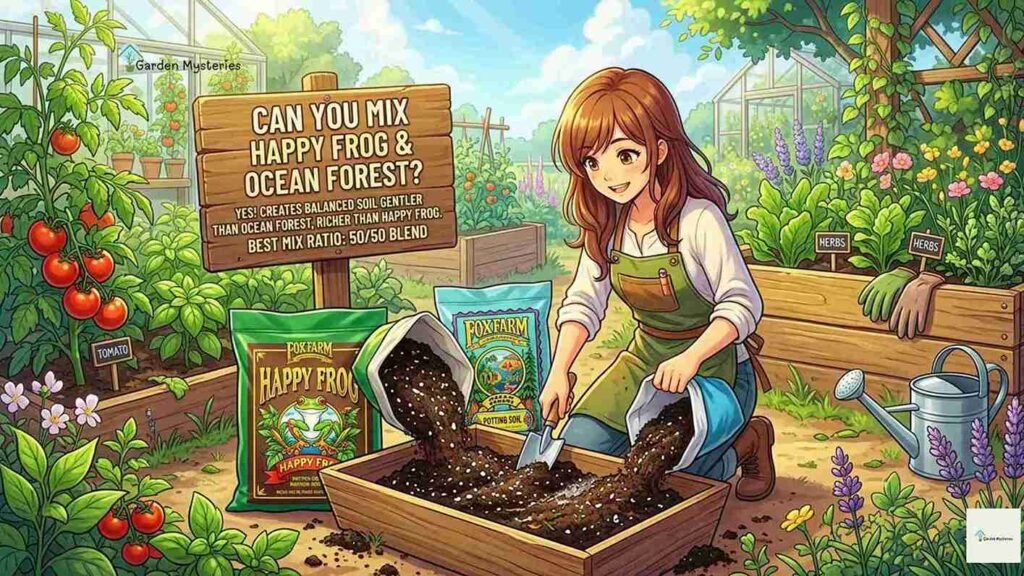
Best Mix Ratio for Most Plants
The most popular way to mix happy frog and ocean forest is a simple 50/50 blend. This ratio works well for most vegetables, container plants, and herbs that need moderate nutrition without the intensity of straight Ocean Forest.
If you are growing very young plants or sensitive varieties, shift the happy frog vs ocean forest ratio toward 60 percent Happy Frog and 40 percent Ocean Forest. For heavy feeders in their peak stage, flip it to 60 percent Ocean Forest for a stronger feed.
Not sure which fertilizer form works best for your garden? Our liquid vs granular fertilizer guide has everything you need.
Happy Frog or Ocean Forest for Container and Indoor Plants
For container and indoor growing, Happy Frog is usually the better starting choice between happy frog vs ocean forest. Its lighter texture drains more freely in pots, which reduces the risk of overwatering and root problems in confined spaces.
Smaller pots dry out faster and leave less room for error. When using Fox Farm soil for indoor plants in compact containers, Happy Frog’s gentler nutrient load gives roots time to spread without hitting a wall of intense fertilizer too early.
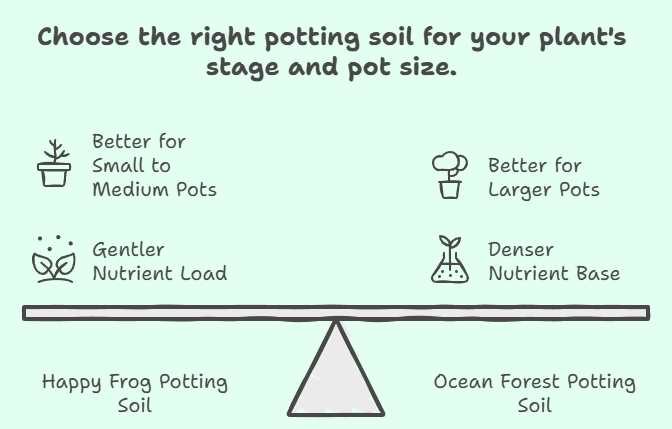
As plants grow into larger containers, Ocean Forest becomes a stronger option. Its denser nutrient base supports bigger root systems and heavier feeding demands that come with plants in full growth mode.
This Fox Farm potting soil decision really comes down to pot size and plant stage. Start with Happy Frog in small to medium pots, then transition to Ocean Forest or a blended mix as your plants and containers scale up together.
Happy Frog or Ocean Forest for Autoflowering Plants
For autoflowering plants, Happy Frog is the stronger choice between the two Fox Farm soils for autoflower growing. Fast-cycling, compact varieties are naturally more sensitive to high nutrient levels, and Ocean Forest can simply be too intense for their smaller, quicker-developing root systems.
Autoflowering plants move through their entire growth cycle rapidly, leaving little time to recover from nutrient burn or soil stress. A heavy soil early on can slow development at exactly the wrong moment, cutting into your final results.
Happy Frog gives these sensitive varieties a gentler foundation that supports steady growth without overwhelming them. Its mycorrhizae and earthworm castings provide quiet, consistent nutrition that matches the pace of fast-cycling plants perfectly.
If you want more nutrient density without the full intensity of Ocean Forest, the happy frog or ocean forest for autoflower solution many gardeners use is a 70/30 blend, favoring Happy Frog, with a light liquid feed added during peak growth.
FAQs
The main difference between happy frog and ocean forest is nutrient strength. Happy Frog is lighter and gentler, while Ocean Forest is denser and far more nutrient-rich. Happy Frog suits early growth stages, Ocean Forest suits established plants.
Yes, you can mix happy frog and ocean forest, and many gardeners do it regularly. A 50/50 blend creates a balanced soil that works well across multiple growth stages without being too gentle or too intense.
Yes, Happy Frog is good for vegetables, especially leafy greens, herbs, and young transplants. For heavy-feeding vegetables like tomatoes and peppers, it works best during early stages before transitioning to Ocean Forest.
Happy Frog is the best Fox Farm soil for beginners without question. It is forgiving, unlikely to cause nutrient burn, and works straight out of the bag for most plants and containers.
Ocean Forest is generally too nutrient-rich for seedlings and can cause nutrient burn on delicate young roots. Most experienced gardeners start seedlings in Happy Frog and move them to Ocean Forest after they are established.
Ocean Forest is significantly hotter than Happy Frog. Its marine-based ingredients like fish meal, crab meal, and bat guano, create a much higher nutrient concentration that feeds plants aggressively from the first watering.
Conclusion
The decision on soils really comes down to where your plants are in their growth journey. Happy Frog is your starting point, Ocean Forest is your next step.
If you are a beginner or working with young plants, start with Happy Frog. If your plants are established and hungry, move to Ocean Forest or blend the two for the best of both worlds.
Either Ocean Forest or Happy Frog, you are working with quality Fox Farm potting soil that gives your garden a real advantage. Now go to your plant hub and start growing.
Note: This page contains affiliate links and paid ads. We may earn a commission if you purchase through our links. Content remains honest and unbiased.