Tomatoes grow best in rich and well-draining soil filled with organic matter. The best compost for tomatoes is nutrient-balanced compost made from kitchen scraps, aged manure, leaf mold, or plant-based organic material that improves soil structure and supports healthy fruit production.
Good compost helps tomato plants retain moisture, develop stronger roots, and produce healthier harvests throughout the growing season. This guide will explain the best compost types for tomatoes, how to use them correctly, and what to avoid in vegetable garden soil.
Quick Answer: Best Compost for Tomatoes
If you want a fast, reliable answer, here’s what works best in most gardens:
- Best overall: Well-rotted cow manure compost
- Best nutrient booster: Worm castings (vermicompost)
- Best for soil structure: Mushroom compost
- Best sustainable option: Homemade compost
- Best for moisture retention: Leaf mold
Ideal mix: 30-40% compost + 60-70% soil
This combination gives tomatoes the nutrients they need while maintaining proper drainage and aeration.
Disclaimer: This article may contain affiliate links, including Amazon Associates links. We may earn a commission if you purchase through these links, at no extra cost to you. Our recommendations remain independent and honest.
Why Compost Is Essential for Tomatoes and Vegetable Gardens
Healthy tomato plants begin with healthy soil. Compost acts as both a nutrient source and a soil conditioner, improving growth conditions across the entire vegetable garden.
Cherub Tomatoes are heavy feeders, meaning they quickly draw nutrients from the soil. Compost helps by:
- Improving soil fertility and organic matter for a steady nutrient supply.
- Supporting root development and plant strength for higher yields.
- Enhancing water retention without waterlogging through better soil structure.
- Feeding beneficial soil microbes that drive nutrient cycling.
MDPI research shows that compost improves soil fertility, structure, water retention, and nutrient availability, all of which directly support better plant growth and yields
For vegetable gardens, compost creates a stable growing environment that benefits everything from leafy greens to root crops.
Compost Nutrient Content Explained (What Your Plants Actually Get)
Understanding compost nutrient content helps you choose the right type and avoid common feeding mistakes. Compost does not act like a quick fertilizer; instead, it provides a steady supply of nutrients over time.
NPK in Compost (Nitrogen, Phosphorus, Potassium)
These three macronutrients are essential for plant growth, and compost provides them in balanced, natural forms.
- Nitrogen (N): Supports leafy growth, especially in the early stages
- Phosphorus (P): Encourages strong roots and flower formation
- Potassium (K): Improves fruit quality and plant resilience
A balanced NPK profile is critical for tomatoes to transition from leafy growth to fruit production.
Micronutrients in Compost
Beyond NPK, compost contains trace elements that are often missing in synthetic fertilizers.
- Calcium (prevents blossom end rot)
- Magnesium (supports photosynthesis)
- Iron (improves plant metabolism)
These micronutrients contribute to overall plant health and better yields.
Slow-Release Feeding vs Chemical Fertilizers
Unlike chemical fertilizers, compost releases nutrients gradually. This slow-release process:
- Prevents nutrient burn’
- Reduces leaching’
- Supports long-term soil health
This makes compost ideal for sustainable vegetable gardening.
What Makes the Best Compost for Tomatoes
The best compost for tomatoes is not defined by a single ingredient, but by a balance of nutrients, structure, and decomposition quality. Since tomatoes are heavy feeders, they rely on compost that supports steady growth, strong flowering, and consistent fruit production while maintaining long-term soil fertility and microbial activity.
Ideal Nutrient Balance for Tomato Growth
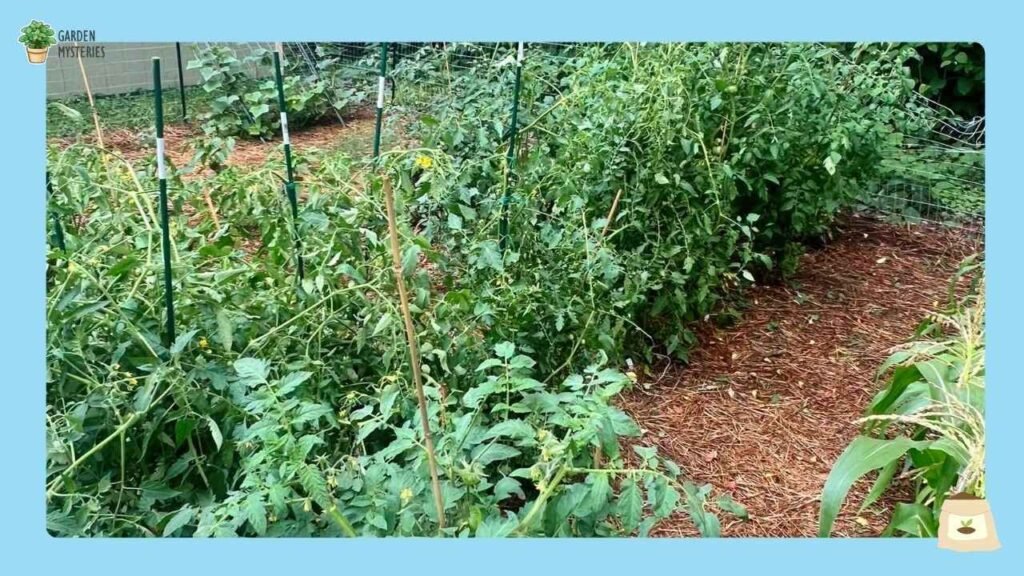
Tomatoes require different nutrients at each growth stage, so the best compost provides a balanced and gradual nutrient release. During early growth, nitrogen supports leafy development, while phosphorus and potassium become more important during flowering and fruiting stages.
A well-balanced compost avoids excessive nitrogen, which can lead to overly lush foliage but reduced fruit yield. This balance is essential for achieving stable tomato plant productivity.
Texture, Drainage, and Aeration
Good compost should improve overall soil structure rather than make it heavy or compacted. A high-quality mix is typically loose, crumbly, and well-aerated, letting oxygen reach the roots while still holding adequate moisture.
Proper drainage prevents waterlogging, reduces the risk of root diseases, and supports consistent nutrient uptake, especially in raised bed vegetable gardening and container systems.
Compost Maturity (Why It Matters)
Mature compost is fully decomposed organic matter that is stable, safe, and ready for plant use. Immature compost can continue breaking down in the soil, temporarily locking up nitrogen and stressing young plants.
It may also create uneven nutrient distribution and slow root establishment. For best results, always use well-rotted compost that has a dark color, earthy smell, and fine texture.
Microbial Life and Soil Health
High-quality compost is alive with beneficial microorganisms that play a key role in soil health. These microbes break down organic material, release nutrients in plant-available forms, and improve overall soil biology and nutrient cycling.
A biologically active soil not only supports stronger tomato plants but also improves resistance to stress, pests, and diseases over time.
Best Types of Compost for Tomatoes (Ranked & Explained)
Different composts behave differently in the soil. Some feed quickly, others improve structure over time, and a few do both in a balanced way.
For tomatoes, the goal is steady nutrition, good drainage, and active soil life. Especially in vegetable garden beds and raised bed vegetable setups, where soil is managed more intensively.
1. Composted Cow Manure (Best Overall for Tomatoes)
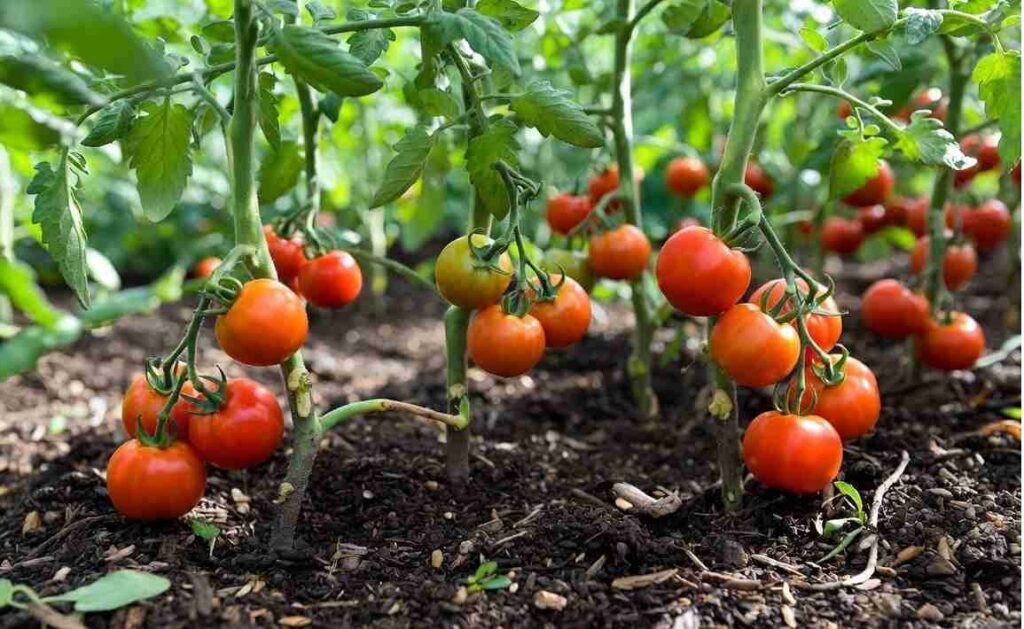
Well-rotted cow manure compost is one of the most dependable choices for tomato growing. It adds a steady mix of organic matter and balanced nutrients, helping improve soil texture without overwhelming the plant. When fully composted, it supports healthy root growth, moisture balance, and gradual nutrient release, making it suitable for most garden soils.
2. Worm Castings / Vermicompost (Best Nutrient Booster)
Worm castings are finely processed organic matter produced by earthworms, and they are known for being rich in readily available nutrients and beneficial microbes. Even small amounts can improve plant vigor, especially during flowering and early fruit development. They work best as a supplement mixed into compost or soil rather than used alone.
One of the most trusted products available in the market is Wiggle Worm Soil Builder Earthworm Castings. It is widely used for tomatoes because it supports microbial activity and improves nutrient uptake naturally.
3. Homemade Compost (Best Long-Term Soil Builder)
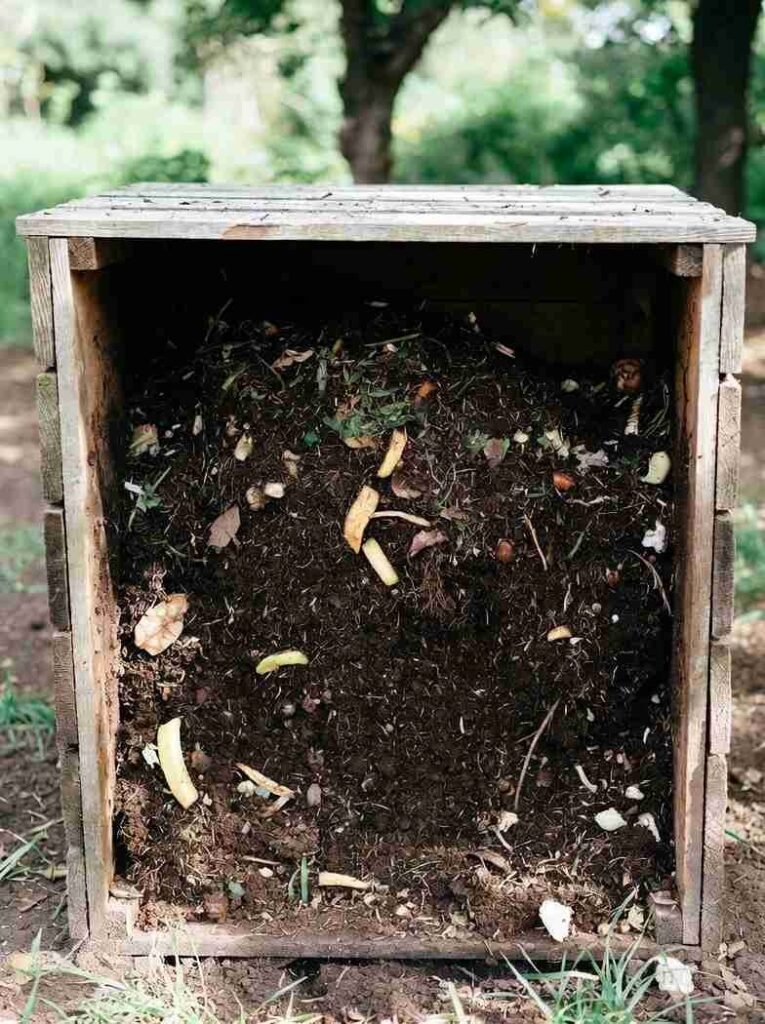
Homemade compost is made from everyday garden and kitchen waste, and gradually it becomes one of the best ways to build soil organic matter and fertility. It improves soil structure, encourages microbial activity, and helps maintain long-term productivity in vegetable beds. The quality depends heavily on how well it is managed and permitted to fully decompose.
Products like FCMPOutdoor IM4000 Tumbling Composter help create consistent, well-decomposed compost for vegetable gardens.
4. Mushroom Compost (Best for Improving Soil Structure)
Mushroom compost is useful for loosening heavy soils and improving drainage, especially in clay-heavy gardens. It adds organic material that helps create a lighter, more workable soil. Because it can sometimes be slightly alkaline, it is usually best when mixed with other composts rather than used on its own for tomatoes.
5. Green Waste Compost (Balanced Everyday Option)
Green waste compost comes from decomposed grass clippings, leaves, and garden trimmings. It is a practical, widely available option for general vegetable gardening. While not as nutrient-dense as manure or worm castings, it helps improve soil texture, moisture retention, and overall organic content in a steady, reliable way.
For convenience, gardeners often choose Dr. Earth Organic Compost or similar bagged compost blends. These are made from plant-based organic waste and are suitable for general vegetable gardening.
6. Leaf Mold (Best for Moisture Retention)
Leaf mold is made from decomposed leaves and is especially helpful in improving how soil holds water. It is light, soft, and excellent for sandy or fast-draining soils. Although it does not provide many nutrients on its own, it works well when blended with richer composts to improve soil balance.
Most gardeners don’t rely on just one compost type. A practical approach is mixing cow manure compost for nutrition, leaf mold for moisture control, and a small amount of worm castings for extra plant support. You can try Black Kow compost for a quick soil mix with convenience.
This combination creates a stable growing environment where tomatoes can develop strong roots and consistent fruit without sudden nutrient swings.
Quick Tip for Best Results
For tomatoes, avoid relying on a single compost type. A balanced mix works better:
- Base: Cow manure compost
- Booster: Worm castings
- Structure: Mushroom compost (if needed)
This layered approach keeps your soil productive throughout the growing season.
Note: Some links may be affiliate links. This does not affect pricing. Choose products based on your soil condition and gardening needs.
Best Compost for Vegetable Garden (Beyond Tomatoes)
While tomatoes have specific needs, compost benefits the entire vegetable garden by improving soil fertility and structure.
For best results:
- Use well-rotted compost across all beds
- Adjust compost levels depending on crop type
- Maintain balance between nutrients and drainage
Not all compost behaves the same in the soil, and that’s actually a good thing. In a vegetable garden, different crops respond better to different nutrient strengths, textures, and drainage levels.
The table below breaks down the most useful compost types so you can match them with your beds, soil conditions, and growing goals for more consistent results across the whole garden.
| Compost Type | Best Use in Vegetable Garden | Key Benefits | Notes |
| Well-rotted manure compost | General soil improvement across all beds | Boosts overall fertility, improves soil texture | Best base compost for most gardens |
| Worm castings (vermicompost) | Heavy-feeding crops (tomatoes, peppers, leafy greens) | Rich microbial life, strong nutrient boost | Use as a top layer or mix-in |
| Leaf mold compost | Root vegetables and raised beds | Improves soil structure, water retention | Slow-release, long-term soil health |
| Mushroom compost | Clay-heavy soils, containers | Improves drainage, adds organic matter | Use moderately, can be alkaline |
| Kitchen/household compost | Mixed vegetable beds | Balanced nutrients, sustainable recycling | Needs proper decomposition |
| Green waste compost | General garden maintenance | Adds bulk organic matter, improves soil life | Quality varies by source |
Results may vary depending on soil and climate conditions.
Best Compost for Tomatoes in Cold Region
Cold climate brings shorter growing seasons and cooler soil, so compost choice and application need to support faster warming and steady nutrient release. This is especially important in raised bed vegetable gardening, where soil conditions are fully controlled. Here’s how to adjust for cooler regions.
Climate-Smart Compost Choices
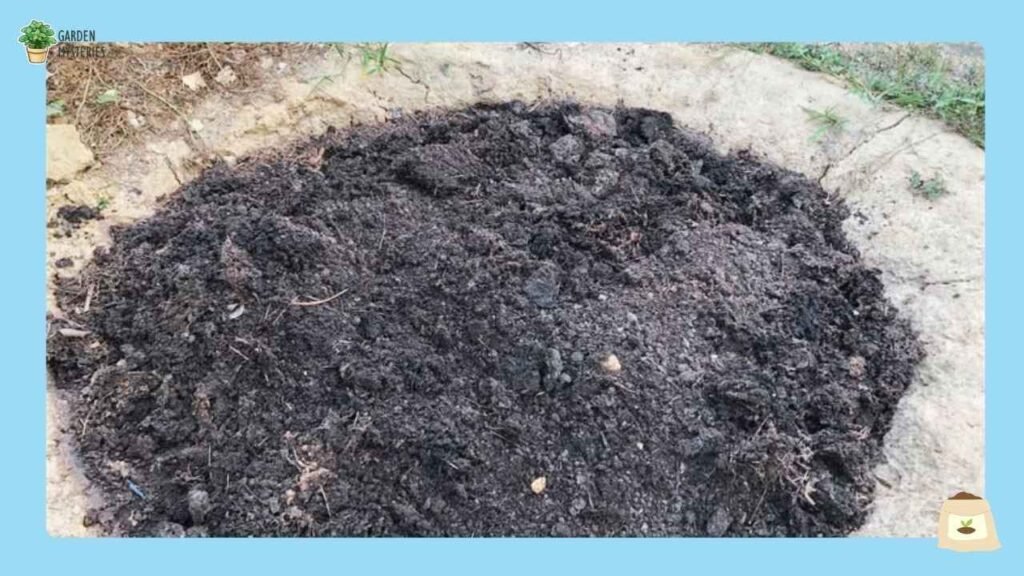
In cooler regions, use compost that warms up quickly and feeds consistently.
- Well-rotted manure for balanced nutrients
- Compost blends with organic matter for heat retention
- Avoid heavy, wet compost that slows soil warming
Raised Bed Vegetable Garden Soil Mix
Raised beds benefit from a lighter, well-draining mix that supports early planting.
- 40% compost
- 40% topsoil
- 20% aeration material (coco coir or peat moss)
This type of mix improves drainage, root growth, and nutrient availability.
Seasonal Best Compost for Tomatoes Tips
Apply compost in early spring to prepare beds and again mid-season to maintain fertility. This ensures tomatoes and other vegetables get consistent nutrition despite shorter growing windows. Also, check our guide on Black Kow vs Earthgro Compost in your free time.
My Experience Using Compost for Tomato Plants
In my experience growing tomatoes, the best results come from using compost to improve the soil rather than replacing it completely. I prefer mature, well-finished compost with a dark, crumbly texture and an earthy smell. Also, I mix a moderate amount into garden soil before planting and add a light layer around established plants later in the season.
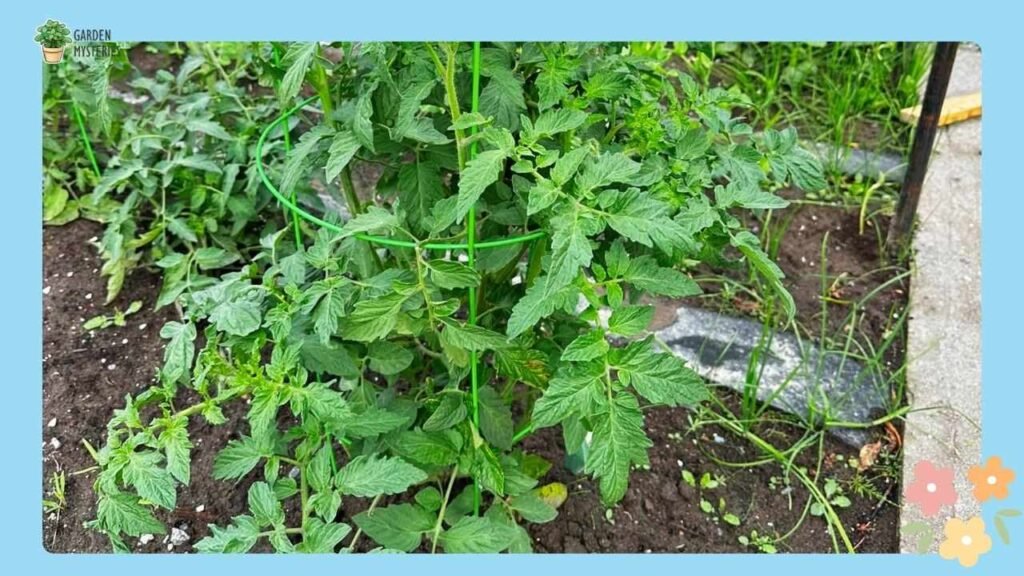
I have also learned that more compost is not always better. Too much rich organic matter can encourage excessive leafy growth, especially when the compost is high in nitrogen. Good drainage matters just as much as fertility, particularly for tomatoes grown in containers or raised beds. For me, the best approach is simple: use quality compost in moderation and combine it with a well-draining growing medium.
How to Use Compost for Tomatoes and Vegetables
Using compost the right way turns good soil into a high-performing growing system. Proper application improves soil structure, balances nutrient availability, and supports steady growth from seedlings to harvest. Whether you’re working in open beds, containers, or raised bed vegetable setups, method matters as much as material.
Ideal Compost-to-Soil Ratio
A balanced ratio ensures plants receive enough nutrients without sacrificing drainage or aeration. Too much compost can make soil heavy, while too little reduces its benefits.
Recommended mix:
- 30-40% compost
- 60-70% soil
This ratio supports healthy root development, stable moisture levels, and consistent nutrient release for tomatoes and other vegetables.
Pre-Plant Soil Preparation
Before planting, compost should be thoroughly mixed into the top 6-8 inches of soil. This improves root penetration, enhances organic matter content, and ensures nutrients are evenly distributed. Preparing soil in advance lets beneficial microbes activate, creating a fertile environment for strong early growth.
Top Dressing and Side Dressing
During the growing season, tomatoes benefit from additional feeding. Applying a thin layer of compost around the base of plants helps maintain nutrient levels and supports flowering and fruiting. This method improves soil fertility without disturbing roots or causing nutrient imbalance.
Using Compost in Containers
Container-grown tomatoes require a carefully balanced mix to prevent compaction and poor drainage. Combine compost with potting soil and aeration materials like coco coir or perlite. This creates a lightweight structure that supports root health, improves airflow, and maintains consistent moisture levels in a limited space.
Best Compost Mix Recipe (For Tomatoes & Vegetables)
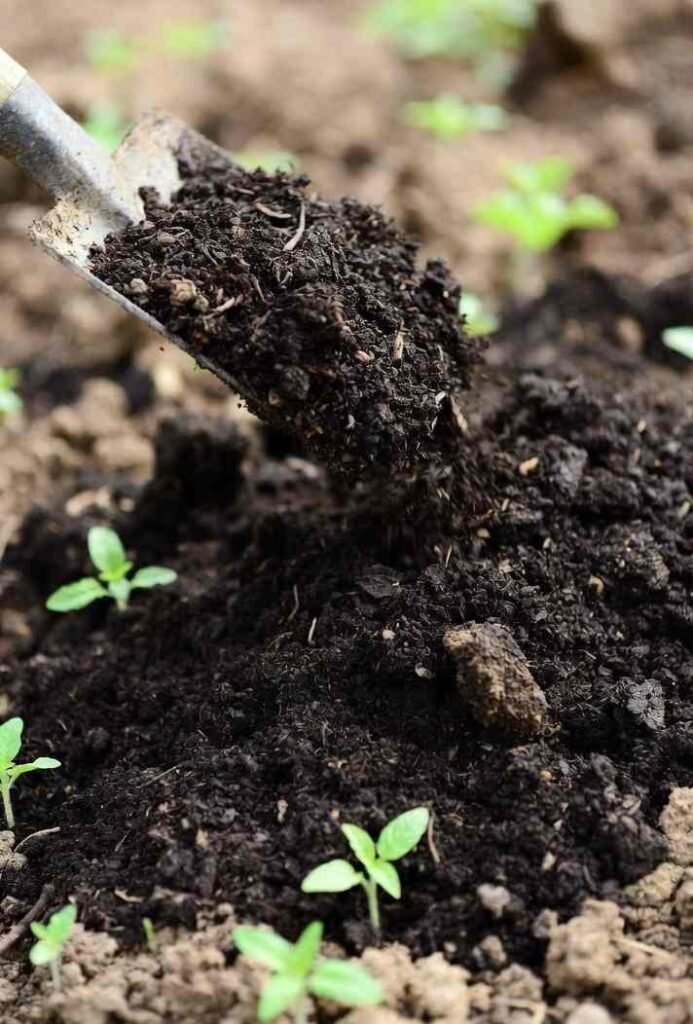
A reliable compost mix is the backbone of a productive garden, helping balance soil fertility, drainage, and nutrient availability. The right blend supports root development, improves soil structure, and ensures tomatoes and other vegetables receive steady nutrition throughout the growing season.
Standard Garden Mix
For most vegetable gardens, a simple and balanced mix works best. Combining compost with soil creates a stable growing environment that supports both moisture retention and aeration.
- 40% compost
- 60% garden soil
This ratio provides enough organic matter without making the soil too dense or waterlogged.
Adjustments for Soil Type
Different soil types require adjustments to maintain proper balance. Tailoring your compost mix ensures optimal plant growth and prevents common soil issues.
- Clay soil: Add compost along with coarse materials like sand or organic matter to improve drainage and reduce compaction.
- Sandy soil: Increase compost content to improve water retention and nutrient-holding capacity.
These adjustments help maintain consistent soil performance across different conditions.
Container and Raised Bed Mix Formula
Container gardening and raised bed vegetable systems require light and well-aerated mixes to prevent compaction and ensure proper drainage.
- 30% compost
- 40% potting mix
- 30% aeration material (coco coir, perlite, or peat moss)
This combination creates an ideal environment for root growth and nutrient uptake in limited spaces.
Can You Grow Tomatoes in Compost Only?
This is a common question among beginner gardeners exploring organic growing methods. While compost is rich in nutrients and beneficial microbes, using it alone as a growing medium is not ideal for tomatoes.
Why 100% Compost Doesn’t Work
Growing tomatoes in pure compost can lead to several issues because of an imbalance in structure and moisture control.
- Holds excess moisture, increasing the risk of root rot
- Lacks a stable structure for strong root anchoring
- Can create a nutrient imbalance, especially excess nitrogen
For best results, always mix compost with soil or other materials to create a balanced medium that supports both drainage and nutrient availability.
Can Compost Replace Fertilizer?
Compost builds a strong foundation for plant health, but it does not always fully replace fertilizer, especially for heavy-feeding crops like tomatoes. While compost improves soil fertility, organic matter, and microbial activity, its nutrient content (NPK) is released slowly. This supports steady growth but may not meet peak demands during flowering and fruiting stages.
For best results, use compost as a base soil amendment and supplement with a balanced organic fertilizer when needed. This combined approach improves nutrient availability, boosts tomato yield, and maintains long-term vegetable garden soil health without overfeeding or damaging plants.
Common Compost Mistakes That Reduce Yield
Even the best compost for tomatoes can underperform if applied incorrectly. Many gardeners focus on compost quality but overlook how it interacts with soil structure, nutrient balance, and plant growth stages.
If you avoid these common mistakes, it will help you maintain healthy plants, improve soil fertility, and maximize tomato yield in both garden beds and containers.
- Too Much Nitrogen in Compost Mix: Excess nitrogen drives leafy growth instead of flowers and fruit. Common with manure compost. Maintain a balanced compost-to-soil ratio and reduce nitrogen during fruiting.
- Using Unfinished or Immature Compost: Immature compost locks up nitrogen and slows root growth. It may disrupt soil microbes. Always use dark, crumbly, well-rotted compost with an earthy smell.
- Poor Drainage from Dense Compost Mixes: Too much compost can compact soil and reduce airflow. This increases root rot risk. Mix with topsoil or coco coir for better drainage and root health.
- Low-Quality or Contaminated Compost: Poor compost may contain weeds, pests, or chemicals. It also gives inconsistent nutrients. Choose high-quality organic compost or make your own.
- Overusing Compost as a Growing Medium: Compost alone holds too much moisture and causes an imbalance. For best results, mix compost with soil to support drainage, structure, and steady nutrition.
FAQs: Best Compost for Tomatoes
A well-balanced mix of compost, quality potting soil, and aeration materials like perlite or coco coir works best for container tomatoes. Also, it will ensure drainage, airflow, and steady nutrient release.
For most vegetable gardens, a ratio of about 30-40% compost mixed into soil is ideal. This improves soil structure, boosts organic matter, and maintains balanced nutrient availability.
Compost contains essential plant nutrients, including nitrogen, phosphorus, and potassium. Also, it comes with micronutrients like calcium, magnesium, and iron, all released slowly to support steady plant growth.
Compost provides a strong nutritional base, but tomatoes may still need extra feeding during the flowering and fruiting stages. They need support for higher nutrient demand and to improve overall yield.
Final Verdict
The best compost for tomatoes isn’t a single magic bag; it’s a smart mix. Start with well-rotted manure compost for steady, organic feeding, then add worm castings to push stronger flowering and fruiting.
In a raised bed vegetable garden, this combination really shines thanks to better drainage and healthier root zones. Mix it well into the soil and keep topping up through the season.
When compost is used correctly, it transforms soil into a living system that supports strong growth and consistent harvests.