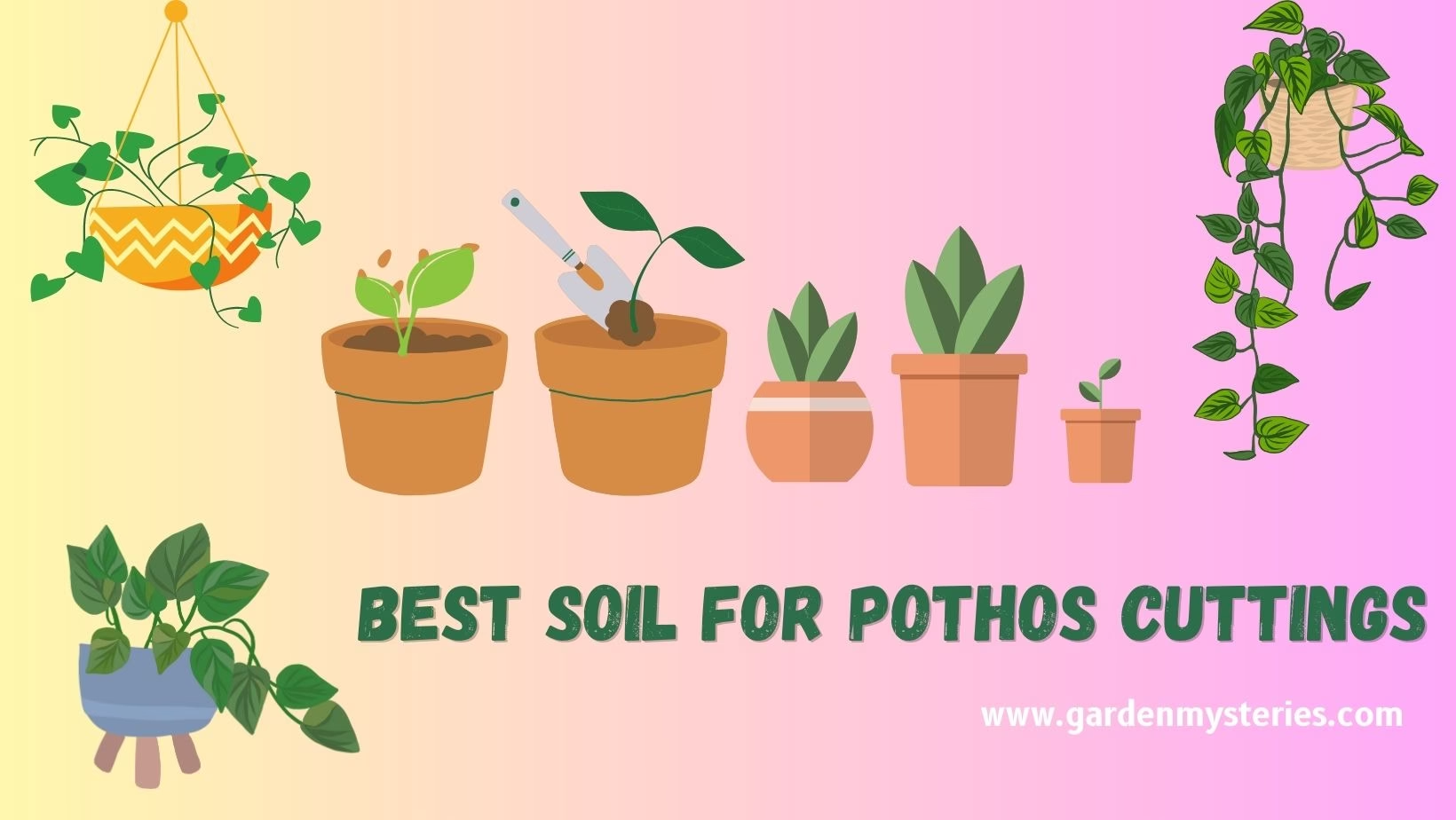
The best soil for pothos cuttings is a well-draining mix made of 60-70% potting soil or coco coir and 30-40% perlite or bark, ensuring fast rooting and preventing root rot. And then the first thing you will be worried about is the best soil for pothos cuttings. Right?
If you do, then you are not alone. We, all pothos lovers, do that every time we get a new cutting.
A few days back, I received 8 different types of pothos cuttings from my mom, who is a great gardener too. And I was very confused about making the soil mix for them.
So, I talked to some professionals about the best soil mix for pothos cuttings, and I got a lot of essential ideas from them. And here I am to share everything about the soil for pothos cuttings.
The best soil for pothos cuttings is a light, well-draining potting mix that holds moisture without becoming soggy. A blend of potting soil, perlite, and orchid bark encourages healthy root development while reducing the risk of root rot. Once rooted, the same mix works well for most pothos plants.
The Criteria of the Best Soil for Pothos Cuttings
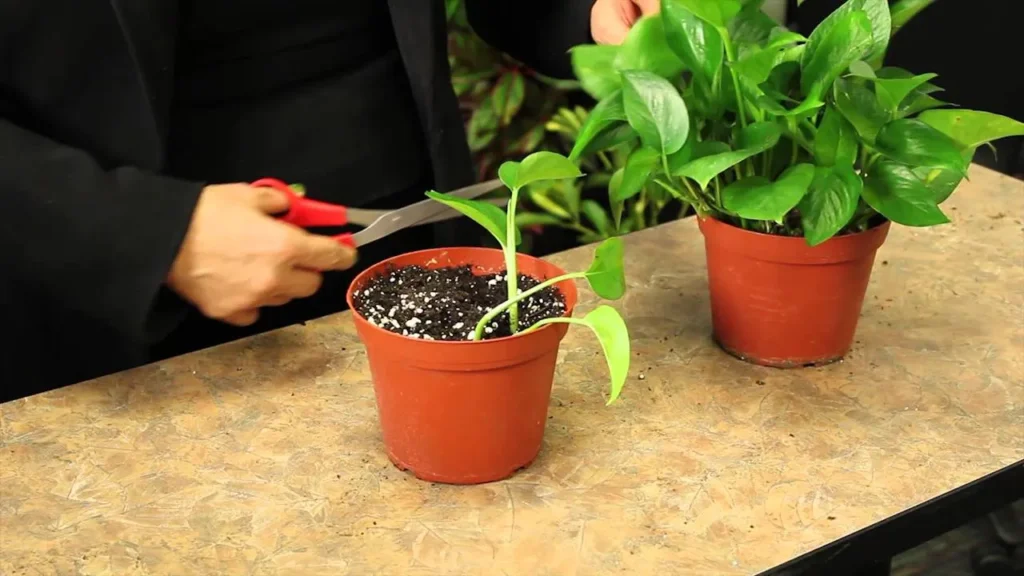
However, Pothos (Epipremnum aureum) is a popular houseplant that is easy to grow and propagate. It is a versatile plant that can thrive in different soil types, but the choice of soil is critical when it comes to propagating pothos cuttings.
The right soil mix can ensure that the cuttings root quickly and grow into healthy plants.
However, the fact is that you need to know how to get the best soil mix for pothos cuttings. Well, the most effective soil mix for pothos will have the following criteria.
1. Well-draining Soil
The soil used for pothos cuttings should be well-draining to prevent waterlogging, which can lead to root rot. A soil mix that contains a good amount of perlite or vermiculite can ensure proper drainage.
Perlite is a lightweight volcanic rock that improves drainage, and vermiculite is a mineral that holds water and nutrients while promoting good drainage.
2. Nutrient-rich Soil
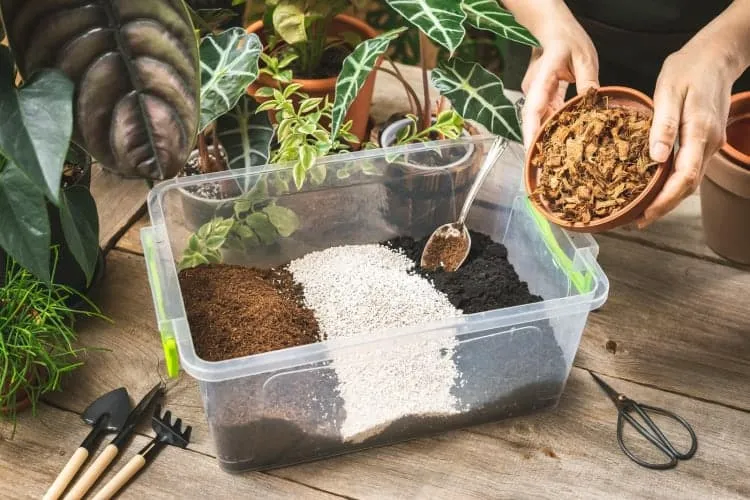
Pothos cuttings require a soil mix that is rich in nutrients to promote healthy growth. A soil mix that contains compost or well-rotted manure can provide the necessary nutrients.
Compost is a rich source of organic matter that improves soil structure and fertility, while well-rotted manure contains a good amount of nitrogen, phosphorus, and potassium that can support plant growth.
3. pH-balanced Soil
The pH level of the soil used for pothos cuttings should be between 6.0 and 7.0, which is slightly acidic to neutral. A pH level that is too high or too low can affect nutrient uptake and root growth.
A pH testing kit can be used to determine the pH level of the soil mix, and lime or sulfur can be added to adjust the pH level.
4. Light and Airy Soil
Pothos cuttings require a light and airy soil mix that promotes good aeration and drainage. A soil mix that contains peat moss or coconut coir can provide good aeration while retaining moisture.
Peat moss is a fibrous material that can absorb water and nutrients while promoting good drainage, while coconut coir is a byproduct of coconut processing that is rich in organic matter and has good water retention.
5. Sterilized Soil
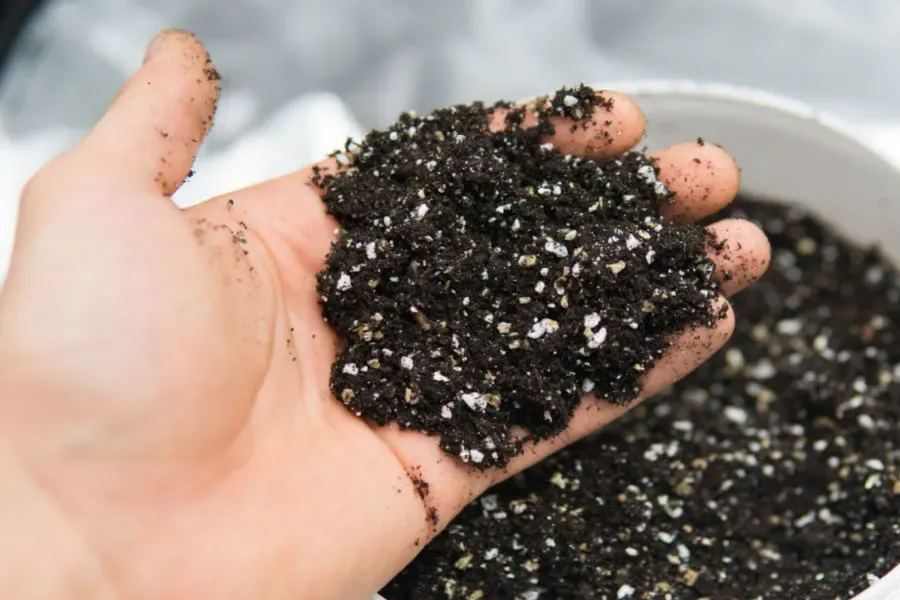
The soil used for pothos cuttings like Philodendron Neon Heartleaf should be sterilized to prevent the growth of harmful microorganisms that can cause plant diseases.
Sterilization can be done by baking the soil mix in an oven at 180°F for 30 minutes or by using a microwave. Sterilized soil can provide a clean and healthy environment for the cuttings to grow.
Best Soil for Pothos Cuttings (Mix Ratio Proven Recipes)
Getting the right soil mix for pothos cuttings is essential for fast rooting and healthy growth. A good mix should be well-draining, airy, and able to hold just enough moisture without becoming soggy. This helps prevent root rot while encouraging strong root development.
Simple Beginner Mix
- 2 parts potting soil
- 1 part perlite
This balanced mix is ideal for beginners. The potting soil retains moisture to keep cuttings hydrated, while perlite improves drainage and airflow. It creates a stable environment where roots can grow steadily without the risk of waterlogging.
Airy Fast-Rooting Mix
- 40% coco coir
- 30% perlite
- 30% orchid bark
This mix is designed for faster rooting and better aeration. Coco coir holds moisture evenly, while perlite and orchid bark create air pockets that allow roots to breathe and expand quickly. It works especially well in humid conditions or if you tend to water frequently.
Budget Mix – Best Soil for Pothos Cuttings
- 70% light garden soil
- 30% sand or perlite
This is a cost-effective option using readily available materials. The added sand or perlite helps loosen the soil and improve drainage. Make sure the garden soil is light, well-sifted, and free from debris to avoid compaction.
Why This Soil Mix Works for Pothos Cuttings
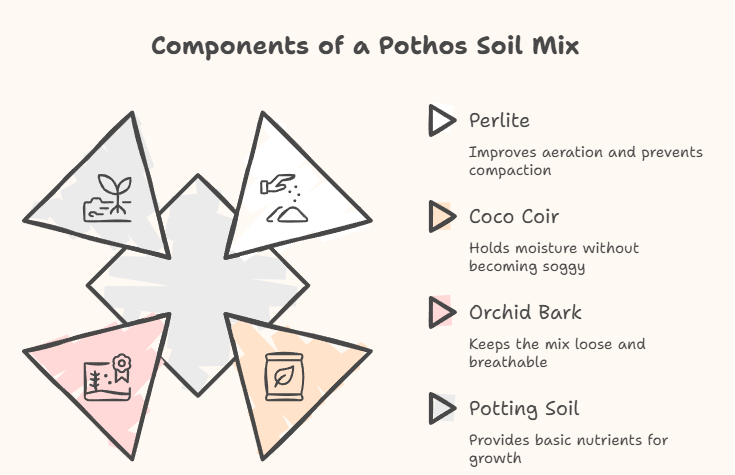
- Perlite improves aeration and prevents compaction
Perlite creates tiny air pockets in the soil, allowing oxygen to reach developing roots. This keeps the mix light and prevents it from becoming dense, which can slow down root growth. - Coco coir holds moisture without becoming soggy
Coco coir absorbs and retains water evenly while still allowing excess moisture to drain away. This helps keep cuttings hydrated without creating conditions that lead to root rot. - Orchid bark keeps the mix loose and breathable
Orchid bark adds structure to the soil, improving drainage and airflow. Its chunky texture prevents the mix from packing tightly, giving roots space to expand naturally. - Potting soil provides basic nutrients
Potting soil supplies essential nutrients that support early growth once roots begin to develop, helping the cutting transition into a healthy, established plant.
Soil Components and Their Role
| Ingredient | Function | Risk if Missing |
|---|---|---|
| Perlite | Improves aeration | Roots suffocate |
| Coco coir | Retains moisture | Soil dries too fast |
| Bark | Prevents compaction | Soil becomes dense |
| Potting soil | Provides nutrients | Weak growth |
How to Make the Best Soil Mix for Pothos Cutting?
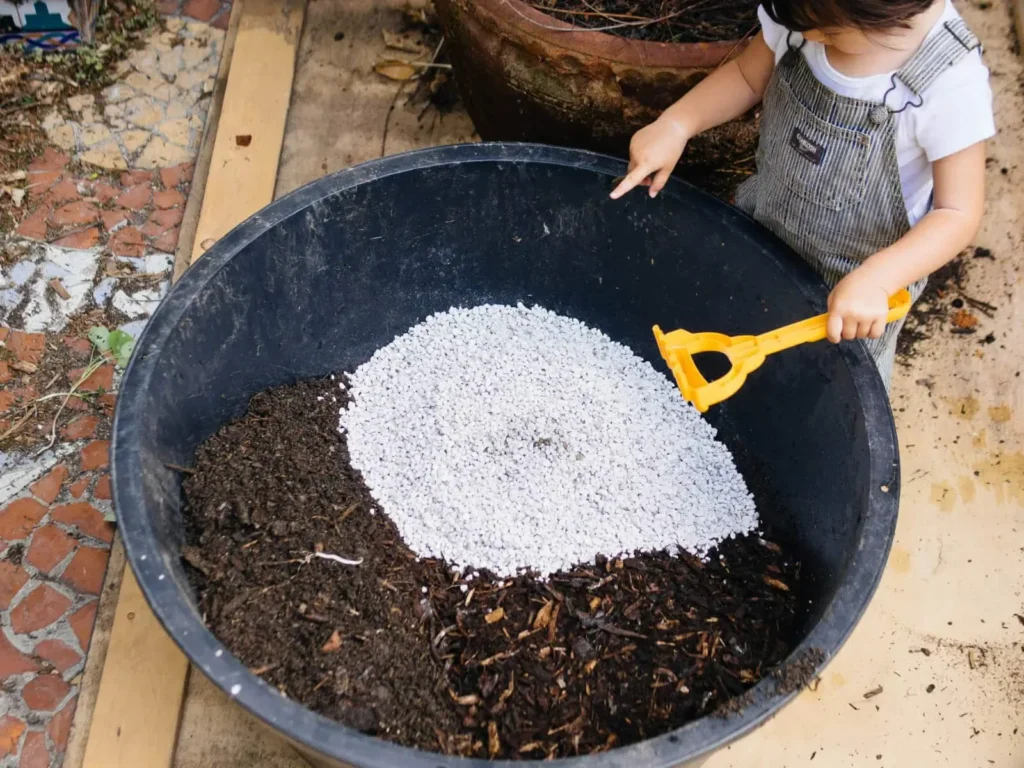
Making soil for pothos cuttings is a relatively simple process. You don’t need a lot of equipment, and there is nothing so complicated.
You’ll need potting soil, perlite, or sand, and a container for your pothos cutting. And then, you can follow the steps below.
Step 1: Mix the Soil
Combine equal parts potting soil and perlite or sand in a large bowl or bucket. The perlite or sand helps to improve drainage and prevent the soil from becoming too compact.
Step 2: Wet the Soil
Add water to the soil mixture until it is evenly moist. Be careful not to overwater the soil, as this can cause it to become waterlogged and lead to root rot.
Step 3: Fill the Container
Fill the container with the moistened soil mixture, leaving enough space at the top for the pothos cutting.
Step 4: Plant the Cutting
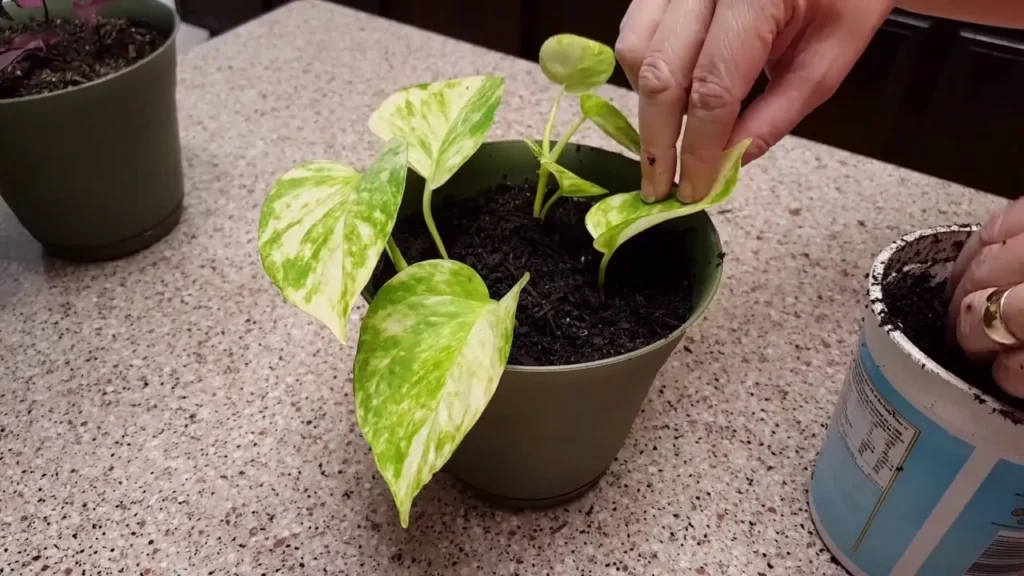
Take your pothos cutting and gently remove any leaves from the bottom 2-3 inches of the stem. Insert the cutting into the soil, pressing it down gently to ensure good contact between the stem and soil.
Step 5: Water the Cutting
After planting, water the cutting thoroughly until water drains out of the bottom of the container. Allow the soil to dry out slightly before watering again.
Step 6: Provide Appropriate Growing Conditions
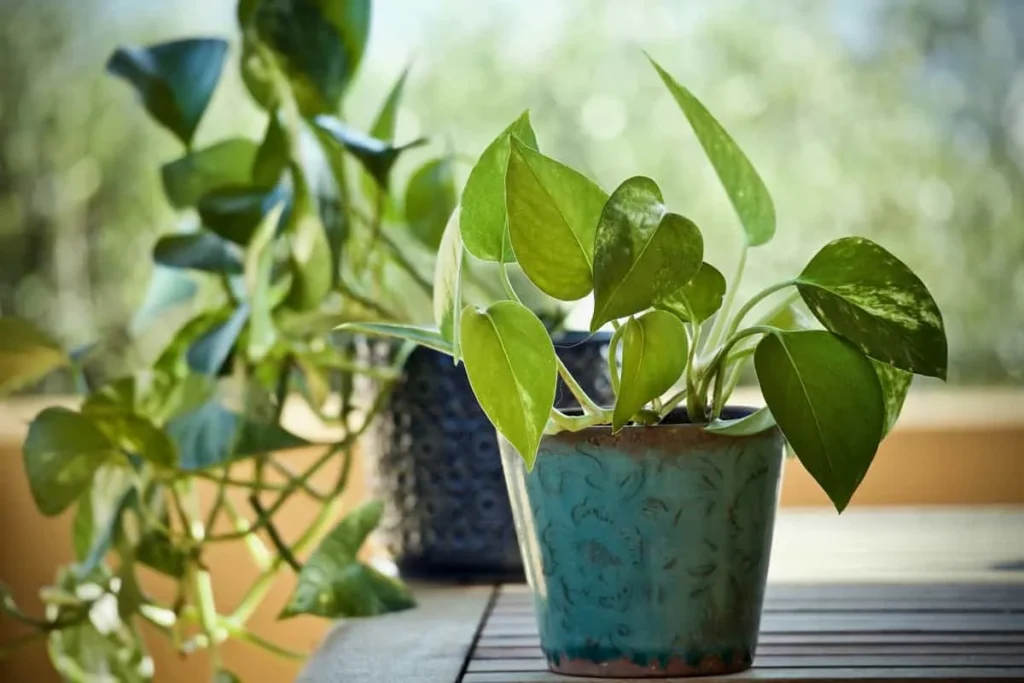
Pothos cuttings prefer bright, indirect light and moderate humidity. Keep the soil moist but not waterlogged, and avoid exposing the cutting to drafts or temperature extremes.
Pro Tip: Best Soil for Pothos Cuttings in Humid Climates
In humid conditions, pothos cuttings tend to stay wet for longer, so a well-draining, airy potting mix is essential to prevent excess moisture and support healthy root growth. Modern indoor plant guides consistently highlight that good aeration and drainage matter more than heavy, compact soil for successful propagation.
A mix with around 40% perlite improves airflow and reduces soil compaction, while coco coir or orchid bark helps retain just enough moisture without making the medium soggy. This creates a light, breathable structure that encourages faster rooting and reduces the risk of root rot.
This approach aligns with commonly recommended pothos care practices shared in indoor gardening references, including insights from Biology Insights.
If you’re struggling with broken peony roots, read our complete guide on peony roots.
Common Mistakes That Can Harm Pothos Cuttings in Soil
- Overwatering can lead to root rot
Keeping the soil constantly wet reduces oxygen around the roots and encourages fungal growth. Pothos cuttings prefer slightly moist soil, not soggy conditions. - Dense soil blocks oxygen flow
Heavy or compacted soil limits airflow, making it harder for new roots to develop. A light, well-aerated mix helps roots breathe and grow faster. - Using large pots can hold excess moisture
Oversized containers retain more water than needed, which slows down drying time and increases the risk of overwatering. Smaller pots help maintain better moisture balance. - Lack of drainage causes fungal issues
Pots without drainage holes trap water at the bottom, creating an environment where fungi and root problems can develop. Proper drainage is essential for healthy propagation.
My Experience Finding the Best Soil for Pothos Cuttings
After rooting several pothos cuttings, I found that a light, airy mix consistently produced healthier roots than heavy garden soil. I usually combine quality potting soil with perlite and a little orchid bark to improve drainage while keeping enough moisture around new roots.
This blend has also worked well as the best soil mix for pothos once the cuttings are ready for pots. I use the same approach for my golden pothos, and it continues to support steady growth without leaving the roots waterlogged. In my experience, the best soil for pothos plant is one that balances moisture retention with airflow, making it easier for both fresh cuttings and mature vines to thrive.
FAQs: Best Soil for Pothos Cuttings
Can I use regular potting soil for my pothos cuttings?
Yes, you can use regular potting soil for your pothos cuttings, but it’s important to make sure the soil is well-draining. You can mix in some perlite or vermiculite to improve drainage.
Should I use a rooting hormone on my pothos cuttings?
Using a rooting hormone on your pothos cuttings can help speed up the rooting process and increase the chances of success. You can use a liquid or powder rooting hormone, following the instructions on the package.
How often should I water my pothos cuttings?
You should water your pothos cuttings when the soil is dry to the touch. Be careful not to overwater them, as this can lead to root rot. It’s better to submerge than overwater pothos cuttings.
Can I propagate pothos cuttings in water instead of soil?
Yes, pothos cuttings can be propagated in water instead of soil. Simply place the cuttings in a jar of water, making sure the bottom node is submerged. Change the water every few days and wait for roots to form before transplanting to the soil.
Wrapping Up
Choosing the right soil mix for pothos cuttings can make a significant difference in the success of propagation.
The best soil for pothos cuttings is well-draining, nutrient-rich, pH-balanced, light and airy, and sterilized. A soil mix that contains a good amount of perlite or vermiculite, compost or well-rotted manure, peat moss, or coconut coir can be the best option in this case.
Also, it should contain a pH level between 6.0 and 7.0 to provide the ideal environment for the cuttings to root and grow.
By following these tips, you can ensure that your pothos cuttings thrive and become healthy plants. Happy Gardening
Latest Blogs: