
Fertilizer for Giant Pumpkins: Best Amount for Massive Size
Some pumpkins grow so big that they can weigh hundreds of pounds. Growing these giants takes more than seeds and water. Fertilizer plays a key role in helping them reach a massive size. So, you might want to know how much fertilizer for giant pumpkins need.
Regular pumpkins need care, but giant pumpkins demand more attention. They need the right mix of nutrients at the right time. Without proper feeding, these pumpkins stay small and fail to impress.
In this blog, you will learn how much fertilizer to give giant pumpkins, the best types to use, and simple tips to help them grow huge and healthy.
Fertilizer Needs for Giant Pumpkins
Giant pumpkins grow very fast and need a lot of food from the soil. Feeding them well helps leaves, vines, and fruits grow strong and healthy.
Why Giant Pumpkins Require Intense Feeding
Giant pumpkins use many nutrients every week. They need steady feeding to grow large. Young vines need food for leaves. Later, fruits need extra nutrients to get heavy and round.
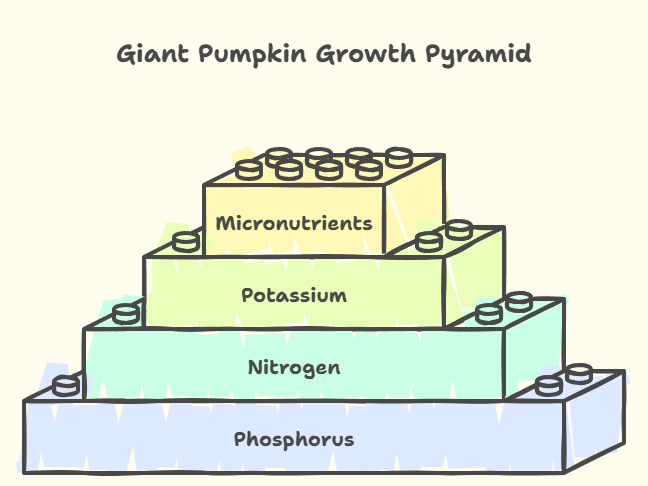
Key Nutrients for Giant Pumpkins
- Nitrogen (N): Helps leaves and vines grow early. Too much later can harm the fruit.
- Phosphorus (P): Makes roots strong at the start.
- Potassium (K): Helps pumpkins get big and firm.
- Micronutrients: Calcium and magnesium can help reduce the risk of cracking. Epsom salts support strong vines.
Giant Pumpkin Fertilizer Schedule and Amounts
Giant pumpkins grow very fast. They need different nutrients at different stages. Feeding them correctly helps leaves, vines, and fruits grow strong. Proper fertilizer and timing can make pumpkins huge and healthy.
Giant pumpkin fertilizer schedule at a glance:
| Growth Stage | Timing | Fertilizer Type | Amount per Plant | Application Method / Notes |
| Pre-Planting | Before planting | Organic-matter / compost (high in P & K) | 2-3 lbs per 1,000 sq ft | Work into soil; ensure 3-10% organic-matter for rich soil |
| Seedling Stage | 2-3 weeks after germination | Balanced fertilizer or high-phosphorus (e.g., 15-30-15) | 1-2 cups per plant | Apply near root zone to promote root growth |
| Vine Growth Stage | Once vines are 2-3 ft long | Balanced water-soluble (e.g., 20-20-20) | 1-2 lbs per plant per week | Dissolve in 4 gallons water; water around vine and base; apply 1-2x weekly |
| Fruit Set Stage | July-August, after pollination | High-potassium fertilizer (e.g., 15-11-29) + calcium + micronutrients | 1-2 lbs per plant per week | Dissolve in 4 gallons water; apply around base and vine; include foliar feed if desired |
| Early Fruit Development | First 14 days after pollination | Calcium and magnesium (Epsom salts) | Follow product instructions | Prevent fruit splitting; can be foliar or soil applied |
| Mid to Late Season | Mid-July onward | Maintain high K + micronutrients | 1-2 lbs per plant per week | Avoid excess nitrogen; continue consistent watering (2.5 cm twice weekly) |
Pre-Planting
Before planting, mix 2-3 lbs of organic-matter rich in phosphorus and potassium per 1,000 sq ft. This prepares the soil for strong roots.
Add 3-10% organic-matter to improve soil texture and hold water.
You can also add Pumpkin Fertilizer Complete Liquid to give the soil a quick nutrient raise before planting.
Tips for pre-planting:
- Work the soil at least 6-8 inches deep.
- Mix the fertilizer evenly so roots get nutrients everywhere.
- Avoid overpacking the soil, or roots may struggle to grow.
Seedling Stage
When seedlings appear, give 1-2 cups of balanced fertilizer or a high-phosphorus formula like 15-30-15 per plant.
Phosphorus helps roots grow strong, which supports leaves and vines later.
At this stage, plants are small and need gentle feeding.
Additional advice:
- Water after applying fertilizer so nutrients reach the roots.
- Avoid pouring too close to stems to prevent-burning.
- You can also use Pumpkin Fertilizer Applied Fast-Acting to give seedlings a quick nutrient lift.
Vine Growth Stage
Once vines start spreading, try to use 20-20-20 water-soluble fertilizer once or twice per week.
You can mix 1-2 lbs per plant in 4 gallons of water and pour around the base and along the vine.
Balanced fertilizer keeps leaves, vines, and roots-healthy.
Tips for this stage:
- Apply fertilizer in the morning for better absorption.
- Water lightly before feeding to prevent root-burn.
- Keep soil evenly moist so nutrients move easily to roots.
Optional: Add a small amount of Pumpkin Fertilizer Complete Liquid in water to improve nutrient uptake.
Fruit Set Stage (July-August)
When flowers turn into pumpkins, switch to high-potassium fertilizer, such as 15-11-29.
Potassium helps fruits get heavy, firm, and smooth.
Continue 1-2 lbs per plant weekly, mixed with calcium and micronutrients in 4 gallons of water.
Tips for fruit growth:
- Spread water-fertilizer mix evenly around the pumpkin base.
- Avoid too much nitrogen; it can make pumpkins grow too fast and crack.
- Apply Liquid 10-10-10 Fertilizer if you want a balanced option for fruit support.
Extra support ideas:
- Use Epsom salts to give magnesium for strong vines.
- Add calcium to prevent splitting.
- Keep soil moist but not soggy for steady growth.
Additional Tips During Fertilization
- Water regularly: 1-2 inches per week, rising to 2.5 cm twice weekly by mid-July.
- Check soil often; dry soil reduces nutrient absorption.
- Avoid over-fertilizing. Too much can harm plants and reduce fruit quality.
- Rotate feeding areas slightly around the plant to cover all roots.
- Keep records of fertilizer used to track growth and adjust if needed.
Additional Facts Supporting Pumpkin Fertilization
Pumpkins need more than just fertilizer. Soil, tiny nutrients, and proper water all matter. Good soil and careful feeding help leaves, vines, and fruits grow big, healthy, and strong throughout the growing season.
Soil Preparation for Giant Pumpkins
Healthy soil is the base for giant pumpkins. Preparing the soil well makes it easier for roots to grow, take in nutrients, and stay healthy. Strong soil leads to bigger, firmer pumpkins with less stress.
- Make sure the soil drains well so water does not stay around the roots.
- Mix in compost or organic-matter in fall or early spring to enrich the soil.
- A simple soil test shows pH and nutrients, so you know what to fix before planting.
Micronutrients and Supplements
Some nutrients are needed in very small amounts but make a big difference. Adding these can stop pumpkin cracks, keep leaves strong, and help the pumpkin get heavier. These nutrients support growth and fruit-health.
- Calcium keeps pumpkins firm and prevents cracks, especially in the first 14 days after pollination.
- Magnesium (Epsom salts) strengthens leaves and vines.
- Seaweed or fish extracts can be sprayed on leaves to give extra nutrients.
Watering Tips Related to Fertilizer
Water helps plants take in fertilizer and stay healthy. Proper watering ensures nutrients reach the roots. Too little or too much water can slow growth. Adjust the water based on pumpkin size and hot weather.
- Mix fertilizer in water to spread it evenly around the plant.
Keep the soil moist all the time so plants can absorb nutrients. - Adjust watering depending on plant size and weather. Bigger pumpkins need more water.
FAQs
What fertilizer is best for giant pumpkins?
Use a high-phosphorus fertilizer (15-30-15) early for strong roots. During vine growth, switch to balanced 20-20-20. When fruit forms, use high-potassium (15-11-29) to help pumpkins grow big and firm.
How much fertilizer should I give my pumpkin?
Give each pumpkin 1-2 lbs per week. Mix the fertilizer in about 4 gallons of water and pour around the base so the nutrients reach all roots evenly.
Can I use 20-20-20 fertilizer for pumpkins?
Yes. 20-20-20 balanced fertilizer works well when vines grow. It keeps leaves, stems, and roots healthy, giving plants steady nutrition and helping pumpkins grow strong without nutrient shortages.
Do pumpkin plants need a lot of fertilizer?
Yes. Giant pumpkins use many nutrients every week. Consistent, high-volume feeding keeps leaves, vines, and fruits healthy. Without enough fertilizer, pumpkins stay small and weak.
Can too much nitrogen harm my pumpkin?
Yes. Extra nitrogen late in the season makes pumpkins grow too fast. This can crack fruit or make it detach from the vine before fully ripening.
End Note
Proper fertilization is the key to growing giant pumpkins. By following a stage-wise nutrient plan, from high phosphorus at the seedling stage to high potassium during fruit development, you ensure strong roots, vigorous vines, and massive, healthy pumpkins.
Consistency matters: apply 1-2 lbs of water-soluble fertilizer weekly, supplement with calcium and micronutrients, and maintain even soil moisture for the best results.
Note: Fertilizer amounts may vary depending on soil conditions and product instructions. Always check the label before applying.


