
How to Grow String Beans: Easy Tips for Great Harvest
String beans, also called green beans or snap beans, are one of the easiest and most rewarding vegetables to grow in your garden. With their tender pods and crisp taste, they’re perfect for fresh salads, stir-fries, or simple steaming.
Whether you have a backyard garden or a sunny balcony, learning how to grow string beans can give you a steady harvest all season long. This guide will walk you through planting, caring, watering, fertilizing, harvesting, and even container-growing tips.
Types of String Beans
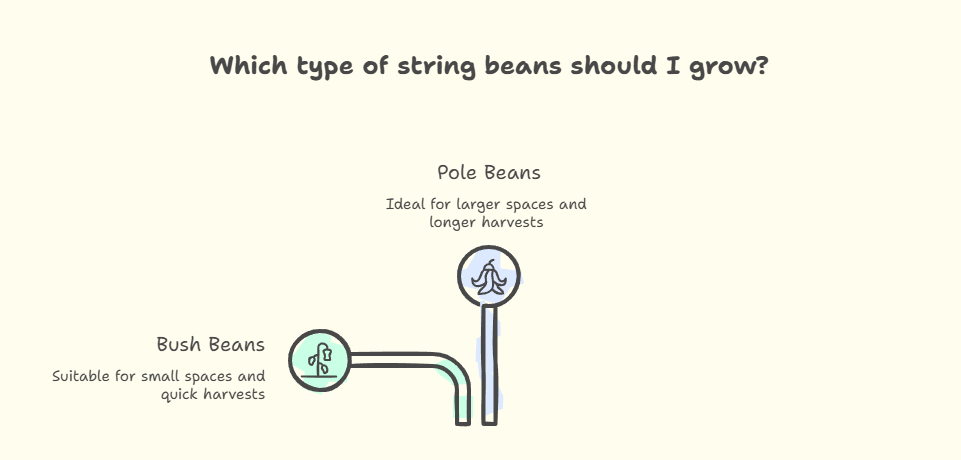
There are two main types of string beans. Check out the brief information below;
Bush Beans
- Grow in compact plants
- Do not require support
- Produce beans quickly for a short harvest period
Pole Beans
- Grow on climbing vines
- Require trellises or stakes
- Produce beans over a longer season
Knowing your variety helps you plan space, support, and harvest timing.
Best Time to Plant String Beans
String beans thrive in warm weather. Plant seeds after the last frost when soil temperatures are around 60-75°F (16-24°C). In most regions, this means late spring to early summer. Beans do not tolerate cold soil, so patience ensures better germination and stronger plants.
Choosing the Right Location
String beans need:
- Full sun (6-8 hours daily)
- Well-drained soil to prevent root rot
- Good air circulation to reduce disease
Avoid low, waterlogged spots and provide a sunny, open area for maximum growth.
Preparing the Soil
Beans prefer slightly acidic to neutral soil (pH 6.0-7.0). Adding compost or organic matter improves fertility and drainage. Loose, rich soil encourages healthy root development and higher yields.
Container tip: Mix garden soil, compost, and a bit of perlite for drainage.
How to Plant String Beans
Step-by-step planting:
- Dig holes about 1 inch deep
- Space seeds 2-3 inches apart
- Cover lightly with soil and water gently
Row spacing:
- Bush beans: 18-24 inches apart
- Pole beans: 30-36 inches between rows
Pole beans will need a trellis, bamboo stakes, or wire fencing for support.
Watering String Beans
Keep soil moist but not soggy. Watering 1-1.5 inches per week is usually enough. Focus on the base of the plant to prevent wet leaves, which can lead to fungal problems.
Fertilizing String Beans
Beans naturally fix nitrogen in soil, so they don’t require heavy feeding. Use a balanced fertilizer (10-10-10) lightly to encourage healthy growth. Too much nitrogen leads to lush leaves but fewer beans.
Organic options:
- Compost
- Fish emulsion
- Aged manure
Common Pests and Problems
Even easy-to-grow beans may face pests or diseases:
Pests’: aphids, bean beetles, spider mites
- Control naturally with neem oil or insecticidal soap
Diseases’: powdery mildew, rust fungus, root rot
- Prevent by spacing plants properly, watering at the soil level, and rotating crops each season
How Long String Beans Take to Grow
Understanding how long string beans take to grow is key to planning your garden and ensuring a steady harvest. From planting seeds to harvesting tender pods, the timeline depends on the variety, growing conditions, and care provided.
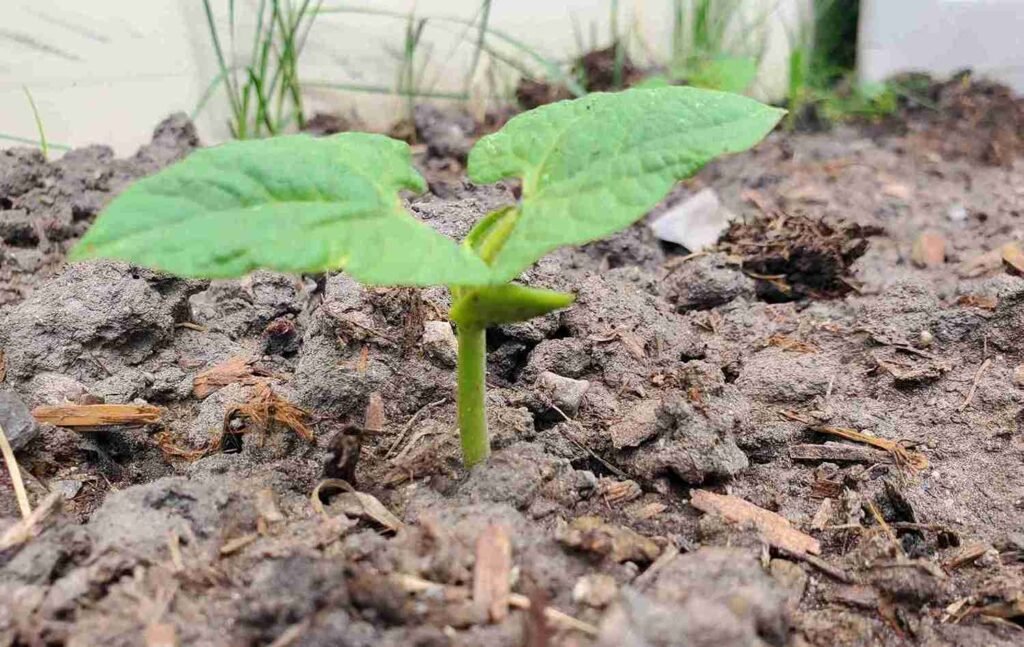
- Germination: After planting, string bean seeds usually sprout within 7-10 days. Warmer soil temperatures between 60-75°F (16-24°C) help seeds germinate faster, while cooler soil may slow the process. It’s important to keep the soil consistently moist during this stage to support healthy seedling growth.
- Bush Beans: These compact plants grow quickly and generally reach the harvest stage within 50-60 days after planting. Bush beans produce all their pods at once, making them ideal for gardeners who prefer a concentrated harvest. Regular watering, proper sunlight, and occasional fertilization will help your bush beans grow strong and healthy.
- Pole Beans: Pole beans take a bit longer, usually 60-75 days before the first harvest. These climbing varieties produce pods gradually over a longer period, letting multiple pickings throughout the season. Providing sturdy support like trellises or stakes encourages better growth and improves air circulation, reducing disease risk.
With proper attention, both bush and pole beans can yield a bountiful and continuous supply of fresh, crisp pods for your kitchen.
How to Harvest String Beans
Harvesting string beans at the right time is important for enjoying tender, flavorful beans and encouraging your plants to produce more throughout the season. Knowing how to harvest string beans properly ensures that your bush or pole beans continue to yield a bountiful crop.
Timing the Harvest
Pick your beans when the pods are firm, smooth, and bright green, and before the seeds inside begin to swell. Overgrown beans can become tough and lose flavor, so regular observation is key. Bush beans typically produce all their pods within a short period, while pole beans offer a longer, continuous harvest.
Harvesting Method
Use scissors or gently snap each pod off by hand to avoid damaging the plant or leaving broken stems behind. For pole beans, supporting the vine while harvesting can prevent stress on the plant and improve air circulation, which reduces disease risk.
Encourage More Production
Frequent harvesting is one of the most effective ways to increase bean yield. Regularly picking mature pods signals the plant to continue producing new beans. For best results, harvest every 2-3 days during peak production.
Mastering how to harvest string beans ensures your garden stays productive and your meals stay fresh all season.
Tips for a Better Harvest
- Plant every 2-3 weeks: Staggering your seeds ensures a continuous harvest of fresh string beans throughout the season.
- Mulch around plants: Helps retain soil moisture, suppress weeds, and maintain consistent soil temperature for healthy bean growth.
- Harvest regularly: Picking mature pods frequently encourages the plant to produce more beans and prolongs the harvest period.
- Provide vertical support for pole beans: Using trellises, stakes, or wire fencing saves garden space and improves air circulation, reducing the risk of fungal diseases.
- Maintain consistent care: Combine proper watering, soil fertility, and sunlight exposure to maximize bean yield and pod quality.
- Monitor plant health: Check for pests or diseases regularly to ensure a long, productive harvest of tender, flavorful string beans.
Black Kow Vs Miracle Grow for String Beans
Choosing the right fertilizer can boost your string bean harvest. Black Kow enriches soil with organic matter for long-term health, while Miracle-Gro provides fast nutrients for quicker growth. Depending on your garden goals, sustained soil fertility or rapid bean production, either can work.
For a detailed comparison of these fertilizers and tips on which works best for different garden setups, check out our guide on Black Kow vs Miracle Grow to make the most of your string bean planting and yield.
Growing String Beans in Containers
String beans can thrive in pots:
- Container depth: 8-12 inches
- Good drainage holes are essential
- Full sun location (balcony or patio)
- Pole varieties will need vertical support
This makes them perfect for small-space or urban gardening.
FAQs
How long do string beans take to grow?
Most varieties produce beans in 50-70 days.
Do string beans need full sun?
Yes. At least 6-8 hours of direct sunlight is ideal.
How often should I water string beans?
About once or twice per week, depending on weather and soil moisture.
Do string beans regrow after picking?
Yes. Regular harvesting encourages the plant to produce more pods.
Final Thoughts
Growing string beans is rewarding, beginner-friendly, and highly productive. By planting at the right time, providing sunlight, proper watering, and gentle care, you can enjoy fresh, crisp beans all season long. Whether in a garden bed or container, these legumes are a perfect addition to any home garden.


