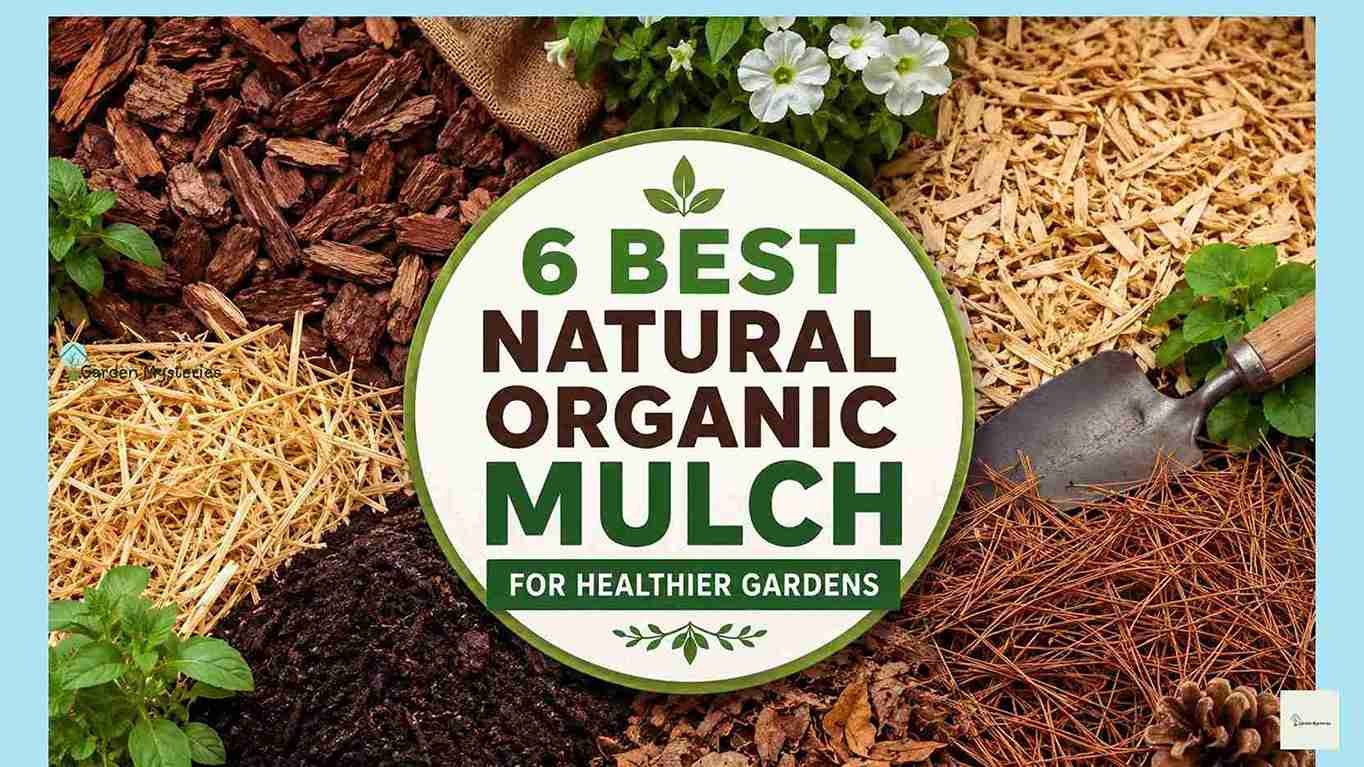
Natural organic mulch helps soil to retain moisture, suppress weeds, regulate temperature, and improve soil health naturally. The best organic mulch types include bark mulch, straw, compost, wood chips, pine needles, and shredded leaves.
Compost and straw work best for vegetable gardens, while bark mulch and wood chips last longer around trees, flower beds, and pathways. Unlike dyed or rubber mulch, natural organic mulch breaks down over time and improves soil structure naturally.
Most gardeners use organic mulch to reduce watering, prevent weeds, and improve long-term soil health without synthetic materials.
What is the best natural organic mulch type?
The best natural organic mulch depends on your garden type. Compost and straw are best for vegetable gardens, while bark mulch and wood chips are ideal for trees and flower beds. Pine needles work well for acid-loving plants, and shredded leaves improve soil naturally while reducing waste.
What Is Natural Organic Mulch?
Natural organic mulch is made from biodegradable plant materials like bark, straw, leaves, and compost. It breaks down slowly, feeding soil microbes and improving soil structure over each growing season.
This makes it a much safer choice than synthetic or dyed alternatives. Quality natural mulch is less likely to contain synthetic dyes or additives often found in decorative mulch products. Many gardeners prefer it around food crops.
Non-toxic mulch also supports earthworms and beneficial insects. Over time, it adds organic matter to the soil, which improves drainage in clay soils and moisture retention in sandy ones.
Benefits of Natural Organic Mulch
Natural organic mulch improves soil health, reduces weed growth, and helps plants stay hydrated during dry periods. These practical benefits make it one of the most useful tools in any garden.
In my own garden beds, straw mulch noticeably reduced watering needs during hotter summer weeks, while bark mulch lasted longer around shrubs and pathways with less maintenance.
Natural biodegradable mulch can also protect roots from temperature swings, which matters especially in spring and late autumn. Here is what it does well:
- Retains soil moisture. Reduces how often you need to water, especially in summer.
- Suppresses weeds. A 2-4 inch layer blocks light and slows weed germination noticeably.
- Regulates soil temperature. Keeps roots cooler in summer and warmer during cold nights.
- Improves soil biology. Breaks down into organic matter that feeds earthworms and microbes.
- Reduces erosion. Protects bare soil from heavy rain and wind in open garden beds.
- Improves soil texture. Long-term use loosens compacted soil and improves drainage over time.
Pro Gardener Tip
Apply natural organic mulch in a 2 to 3 inch layer and keep it a few inches away from stems and tree trunks. This prevents rot, improves airflow, and keeps roots healthy throughout the growing season.
6 Best Types of Natural Organic Mulch
The best types of natural organic mulch include bark mulch, wood chips, straw, compost, pine needles, and shredded leaves. Each one suits different garden areas and soil types.
Best natural organic mulch by garden type, a quick table for your convenience.
| Garden Type | Best Organic Mulch |
| Vegetable gardens | Straw or compost |
| Flower beds | Bark mulch |
| Fruit trees | Wood chips |
| Acid-loving plants | Pine needles |
| Slopes and erosion areas | Pine needles or shredded bark |
| Raised beds | Compost or shredded leaves |
1. Bark Mulch
Bark mulch is one of the most commonly used organic mulch options for landscaping beds, pathways, and around trees. It lasts longer than most other types and looks tidy.
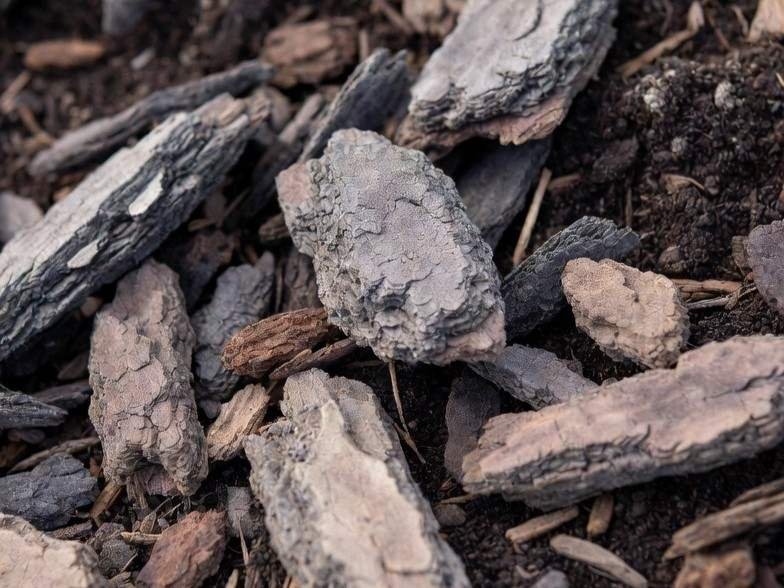
- Best use: Flower beds, tree bases, and decorative garden borders.
- Main benefit: Breaks down slowly, so it needs refreshing only once a year.
- Caution: Avoid piling it directly against tree trunks, as this can cause rot.
2. Wood Chip Mulch
Wood chip mulch works well for larger garden areas, pathways, and around established shrubs. It is affordable, widely available, and breaks down into rich organic matter over time.
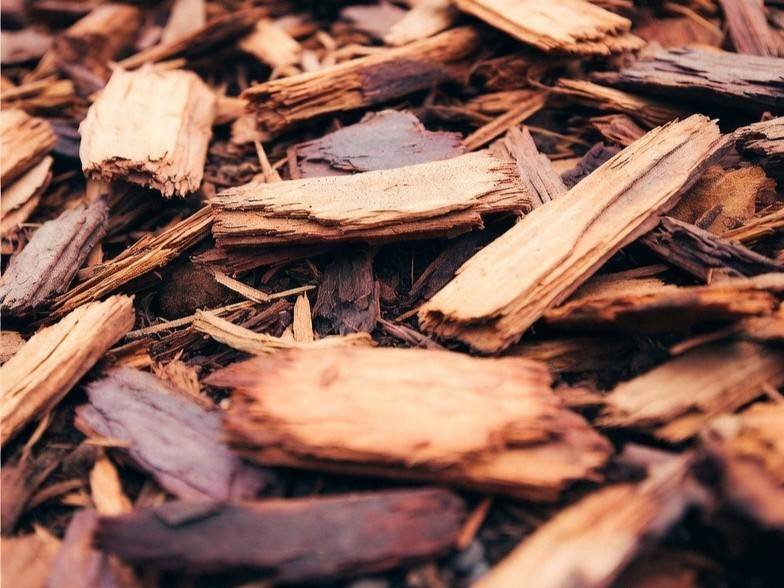
- Best use: Pathways, large beds, and around fruit trees.
- Main benefit: Adds a lot of organic material to soil as it decomposes.
- Caution: Fresh wood chips may temporarily tie up nitrogen near the soil surface as they decompose. So try to age them before use near crops.
3. Straw Mulch
Straw mulch is a lightweight, easy-to-spread option that many vegetable gardeners rely on throughout the growing season. It breaks down faster than bark but does an excellent job at moisture retention.
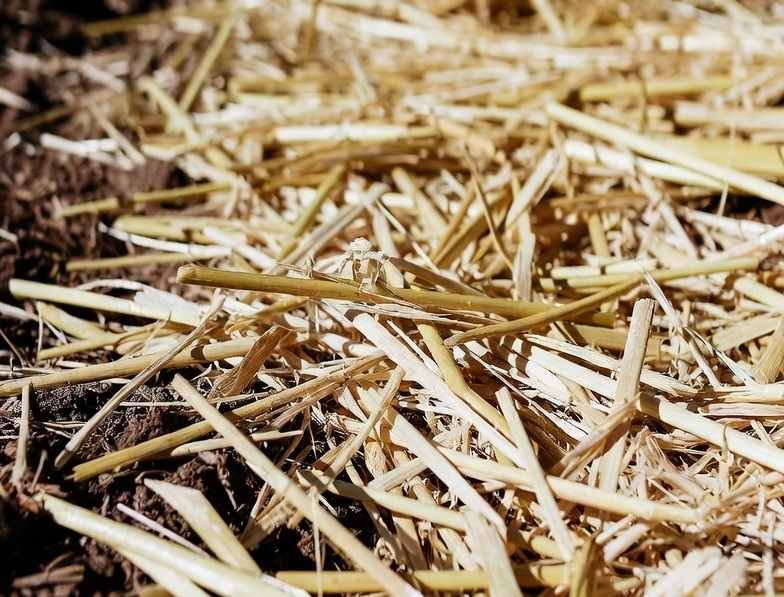
- Best use: Vegetable gardens and raised beds.
- Main benefit: Keeps soil moist and reduces mud splash on low-growing crops.
- Caution: Avoid hay, which contains seeds. Use straw specifically.
4. Compost
Compost works as both a mulch and a soil amendment, making it especially useful in kitchen gardens. It feeds the soil directly as it breaks down, unlike purely decorative mulches.
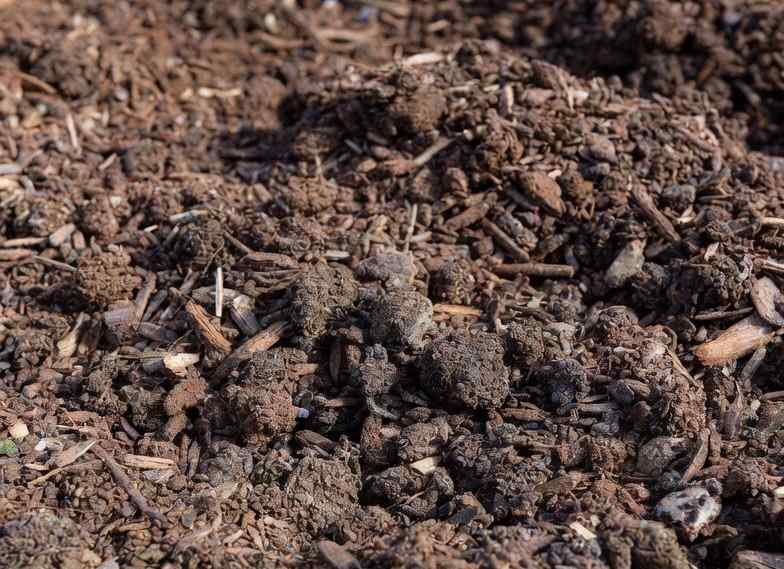
- Best use: Vegetable beds and around annual flowers.
- Main benefit: Improves soil fertility and microbial activity with every application.
- Caution: Apply in a thin layer (1-2 inches) to avoid smothering surface roots.
5. Pine Needles
Pine needles are a lightweight and long-lasting mulch that works particularly well for acid-loving plants like blueberries and azaleas. They knit together loosely and rarely wash away in the rain.
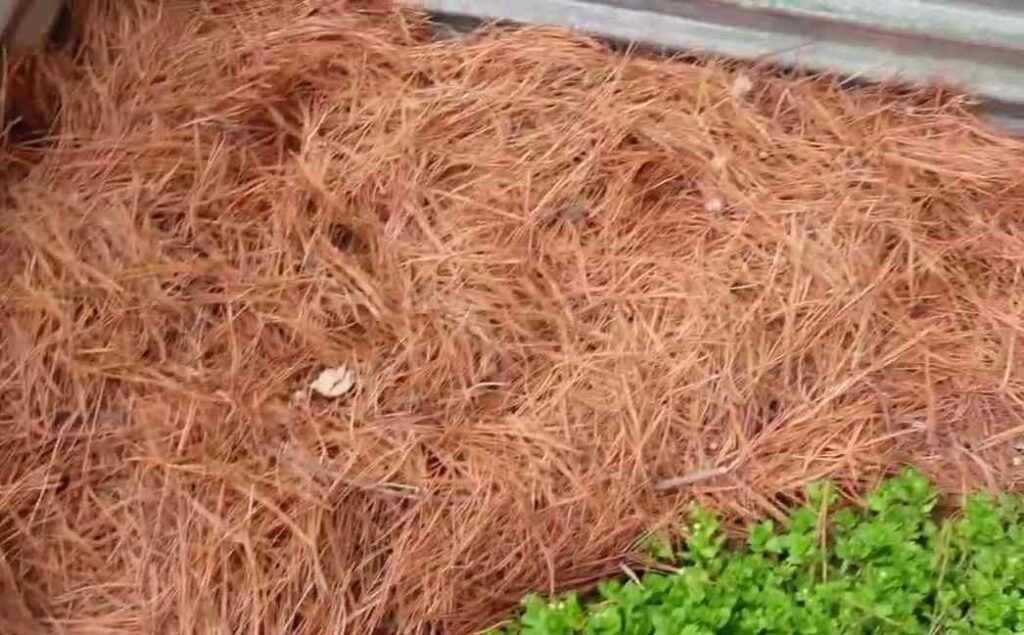
- Best use: Around acid-loving shrubs and berries.
- Main benefit: Stays in place well on slopes and raised areas.
- Caution: Best suited for acid-loving plants like blueberries and azaleas, though aged pine needles usually have little effect on overall soil pH.
6. Leaf Mulch
Leaf mulch is a free and effective option for gardeners who want to recycle autumn leaves instead of bagging them. Shredded leaves break down faster and work better than whole ones.
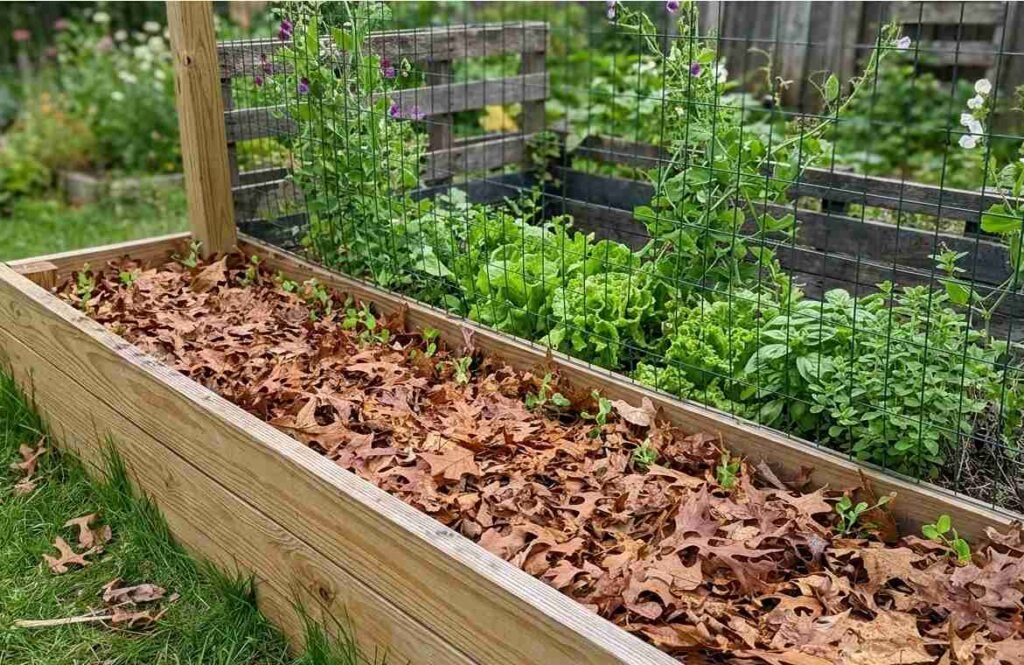
- Best use: Around perennials, shrubs, and vegetable beds in autumn.
- Main benefit: Adds excellent organic matter and improves soil structure over winter.
- Caution: Shred leaves before use. Whole leaves can mat together and block water.
Other Organic Mulch Types Worth Considering
Some gardeners also use cedar mulch, cypress mulch, grass clippings, or arborist wood chips depending on local availability, budget, and garden needs.
- Cedar mulch lasts longer than many other organic mulches and is commonly used in flower beds and pathways.
- Cypress mulch works well in decorative landscapes and holds its appearance through the season.
- Grass clippings break down quickly and can add organic matter back into the soil when applied in thin layers.
- Arborist wood chips are often an affordable option for large garden areas and improve soil structure gradually over time.
If you have pets, avoid using cocoa hull mulch in areas they can easily access, as some animals may react poorly if it is eaten.
Note: Some links in the following section may be affiliate links at no extra cost to you.
Best Bagged Organic Mulch Brands for Home Gardens
Bagged natural organic mulch suits smaller areas, raised beds, and patchy spots that do not justify bulk delivery. It is easy to store, clearly labelled, and available at most garden centres across different price points. Don’t forget to check our raised bed soil mix guide, if you are interested.
For beginner gardeners, bagged organic mulch is often easier to handle and apply evenly. Here are some widely available organic mulch options worth considering for home gardens. You can check them out.
1. Timberline Natural Cedar Mulch
Made from shredded cedar bark, this works well for flower beds and shrub borders. Cedar holds its appearance through a full season and breaks down more slowly than lighter mulch types.
2. Vigoro Brown Wood Mulch
A wood chip based option commonly available at Home Depot. One of the more affordable choices for gardeners covering larger areas. It suits general beds, tree surrounds, and pathways reliably through a full growing season.
3. Soil Sunrise 100% Natural Pine Bark Mulch Nuggets
Soil Sunrise Pine Bark Mulch Nuggets is made from aged pine bark with no additives or synthetic ingredients. It suits containers, raised beds, and acid-loving plants like blueberries well. This mulch retains moisture, improves drainage, and breaks down slowly to support soil health over time.
4. Miracle-Gro Organic All Natural Mulch
It is a very popular OMRI-listed mulch suitable for vegetable gardens and general landscaping use. If you like Miracle-Gro products, you can have it in your stock.
Also, don’t forget to read our comparison blog on Scotts vs Vigoro Mulch.
Best Natural Organic Mulch for Vegetable Gardens
The best natural organic mulch for a vegetable garden is straw, compost, or shredded leaves, as these break down quickly and feed the soil without introducing chemicals near food crops.
Many gardeners struggle with choosing the right organic mulch for vegetable garden beds because some types slow soil warming or add too much carbon. Sticking to lighter and faster-decomposing options avoids these problems.
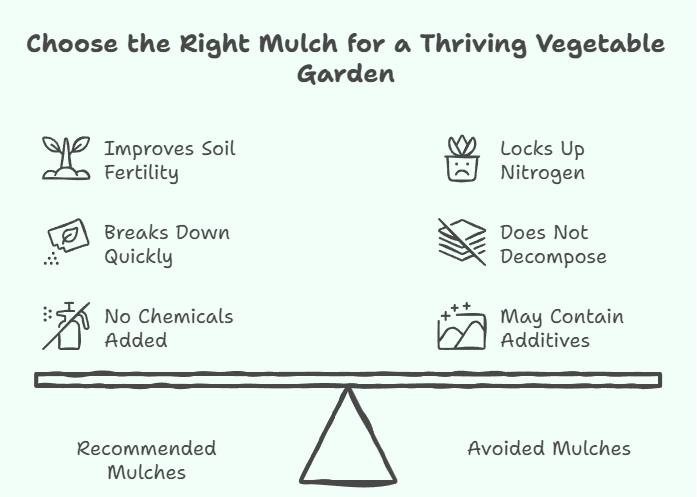
Recommended for vegetable beds:
- Straw mulch: retains moisture and breaks down cleanly.
- Compost mulch: improves soil fertility as it decomposes.
- Shredded leaves: free, effective, and gentle on roots.
Avoid in vegetable gardens:
- Dyed mulch: may contain additives not suitable near food.
- Fresh sawdust: locks up nitrogen and slows crop growth.
- Rubber mulch: does not decompose and adds no soil value.
Natural Organic Mulch vs Dyed Mulch
Natural organic mulch improves soil health as it breaks down, while dyed mulch is primarily decorative and offers limited benefit to the soil beneath it. The choice depends on your garden goals.
Dyed mulch holds its color longer and suits ornamental beds where appearance matters. However, natural mulch wins for vegetable gardens, trees, and any area where soil health is a priority.
| Feature | Natural Organic Mulch | Dyed Mulch |
| Biodegrades | Yes, feeds the soil | Slowly, limited benefit |
| Soil Benefits | Improves texture and biology | Minimal |
| Safety Near Vegetables | Recommended | Use caution |
| Appearance Longevity | Fades over one season | Holds color longer |
How Much Mulch Do You Need?
The ideal mulch depth depends on the garden area. You should use about 2 inches for vegetable gardens, 3 inches for flower beds, and up to 4 inches for pathways or around trees. Adding too much mulch can trap excess moisture and stress plant roots.
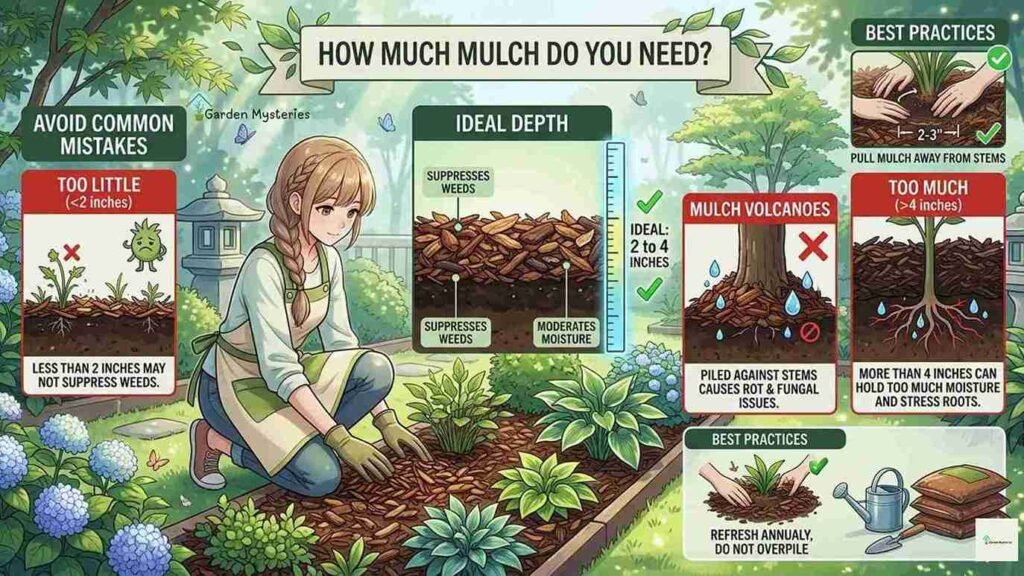
A common mistake is piling natural mulch against plant stems or tree trunks. This traps moisture at the base and can cause rot or fungal issues over time, especially in wet climates.
Pull mulch a few inches away from stems and crowns before applying. Refreshing your mulch layer once a year, rather than adding more each season without checking depth, keeps things balanced.
FAQs
Compost, shredded leaves, and untreated bark mulch are the healthiest organic mulch options because they improve soil structure, add nutrients, and support soil microbes as they break down.
Hardwood bark mulch and cedar mulch last the longest, often remaining effective for a full growing season or longer due to their slow decomposition rate.
Yes, cedar mulch is safe for most trees, shrubs, and flower beds. It also naturally resists insects and decomposes slowly without harming plants.
Compost and shredded leaves improve soil the fastest because they break down quickly and directly increase organic matter and microbial activity in the soil.
Straw, compost, and shredded leaves are the safest organic mulches for vegetable gardens. They are natural, free from harmful additives, and improve soil quality over time.
Final Thoughts
The best natural organic mulch depends on your soil, climate, and garden type. Compost and straw improve vegetable beds quickly, while bark mulch and wood chips provide longer-lasting coverage for trees and flower gardens.
Start with one mulch type that matches your garden needs, monitor how your soil responds through the season, and adjust gradually over time. Best of luck and happy gardening.
Note: This gardening blog is for informational purposes only. Content may include affiliate links and ads. We do not guarantee results and are not responsible for outcomes. Always verify information and use products at your discretion.