Vegetables to Grow in Buckets: Best Crops for Balcony and Container Gardening
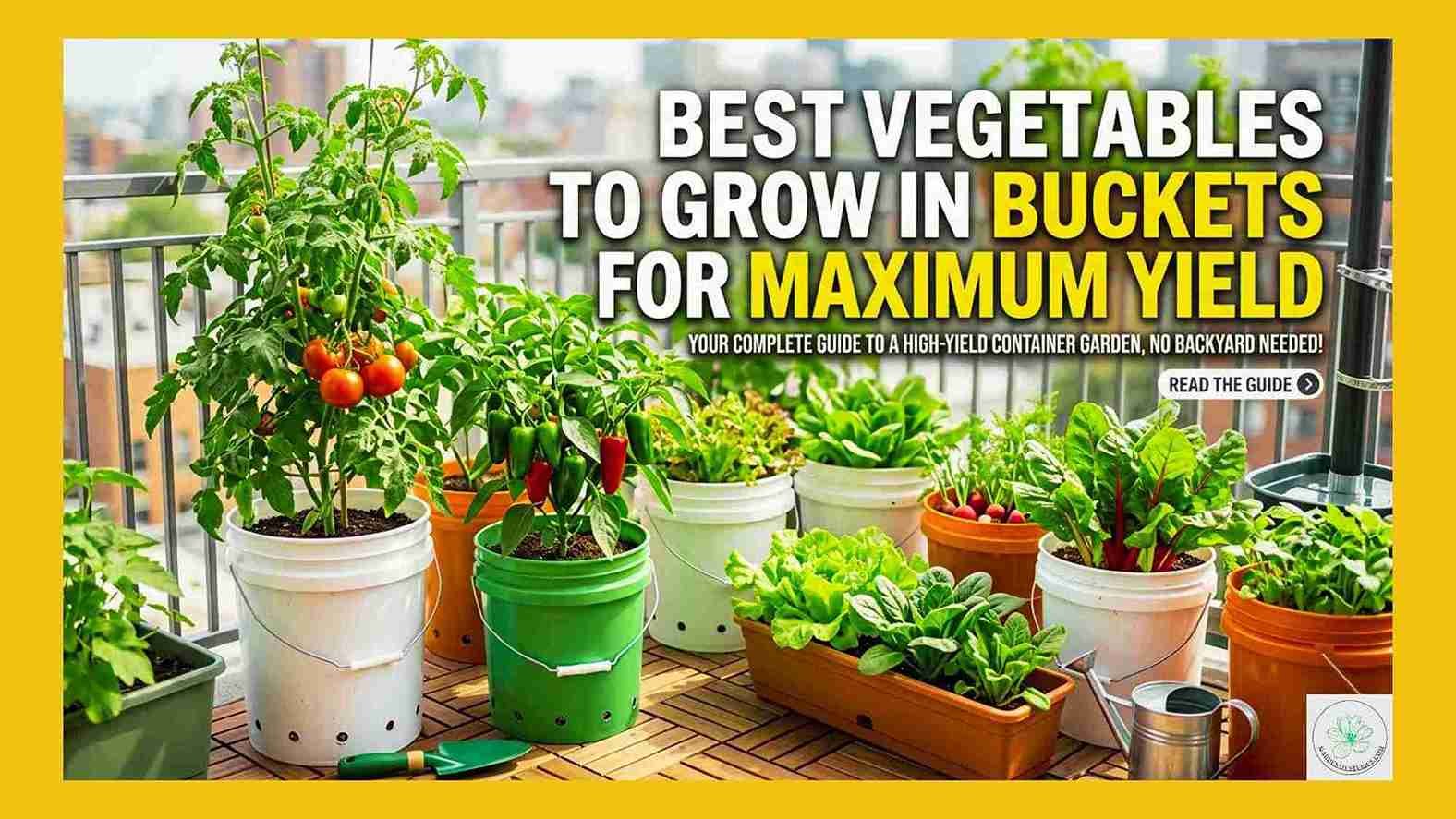
Growing your own food doesn’t need a backyard. With the right setup, you can grow a thriving vegetable garden using simple buckets, pots, or containers, even on a small balcony.
This guide will cover the best vegetables to grow in buckets, how to set them up, and the exact system to maximize yield in limited space.
Quick Takeaway – Vegetables to Grow in Buckets
- Use 5-gallon buckets with drainage holes
- Grow tomatoes, peppers, greens, and root vegetables
- Use light, well-draining soil mix
- Water regularly and feed consistently
- Perfect for balcony, pots, and container gardening at home
Why Bucket Gardening Works So Well
Bucket gardening is like giving each plant its own private apartment; controlled, efficient, and surprisingly productive.
- Perfect for balcony gardening and small spaces
- Better control over soil quality and drainage
- Fewer weeds and soil-borne diseases
- Ideal for beginners learning how to grow vegetables at home in pots
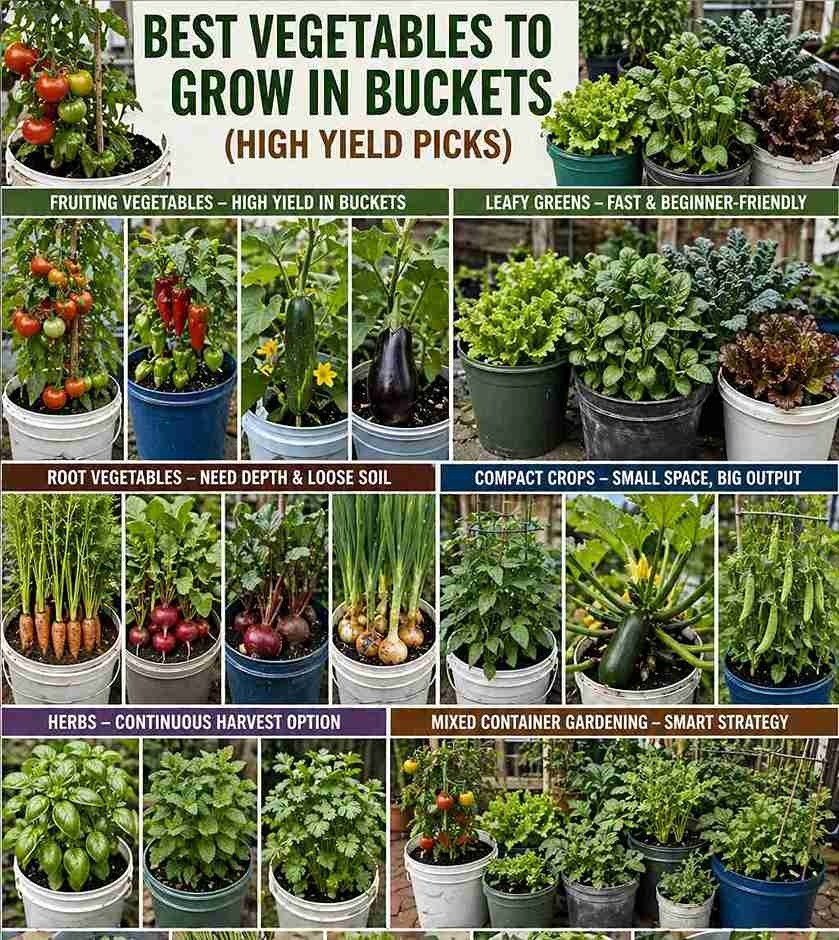
Best Vegetables to Grow in Buckets (High Yield Picks)
The best vegetables to grow in buckets are those that adapt well to limited root space, grow quickly, and produce high yields with proper care, soil mix, and consistent watering.
Fruiting Vegetables (High Yield in Buckets)
Fruiting crops thrive in deep containers and deliver strong harvests when given sunlight and support.
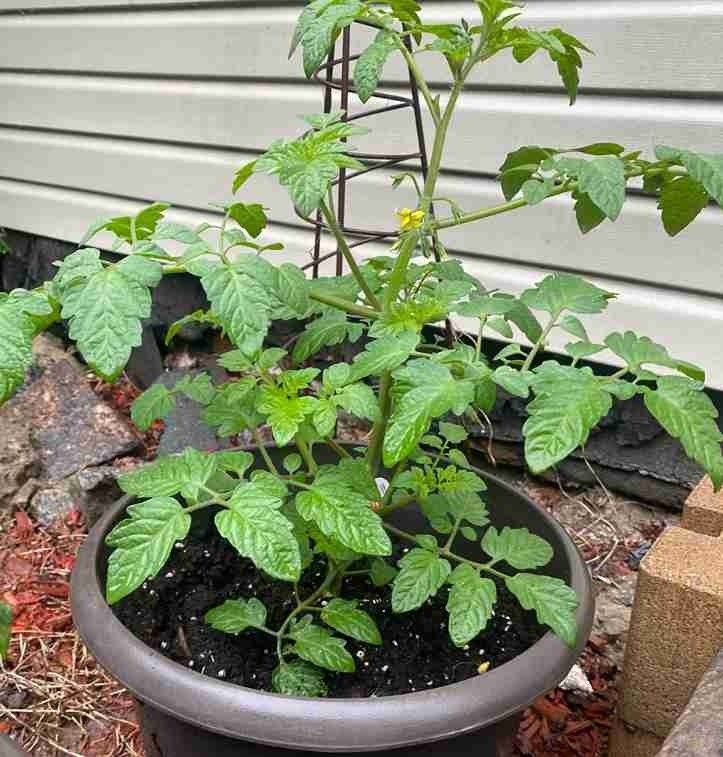
- Tomatoes (1 per 5-gallon bucket)
- Peppers and chillies
- Eggplant and cucumbers
- Use stakes or a trellis for support
An MDPI study shows container-grown tomatoes can yield up to 30% efficiently in small spaces when managed properly.
Leafy Greens (Fast and Beginner-Friendly)
Leafy vegetables grow quickly and are perfect for beginners using small containers or balcony setups.
- Lettuce, spinach, kale
- Mustard greens and salad mixes
- Harvest multiple times
- Grow well in shallow soil
According to sciencedirect research, leafy greens can be harvested 2-3 times faster in controlled container systems.
Root Vegetables (Need Depth and Loose Soil)
Root crops need deeper buckets and loose soil for proper development and straight growth.
- Carrots (12+ inch depth)
- Radishes and beets
- Onions for compact growth
- Avoid compacted soil
Loose and aerated soil improves root size and reduces deformities significantly.
Compact Crops (Small Space, Big Output)
Compact vegetables are perfect for maximizing yield in limited container space.
- Bush beans and peas
- Zucchini (1 per bucket)
- Fast-growing varieties
- Ideal for tight balconies
These crops produce quickly and continuously with minimal care.
Herbs (Continuous Harvest Option)
The herbs are low-maintenance and grow exceptionally well in pots and buckets.
- Basil, mint, coriander
- Thrive in small containers
- Frequent harvesting boosts growth
- Great for kitchen gardening
Herbs provide a consistent yield with very little space or effort.
Mixed Container Gardening (Smart Strategy)
Combining different vegetables in multiple buckets improves overall productivity.
- Pair leafy greens with herbs
- Grow fruiting plants separately
- Rotate crops for soil health
- Maintain balanced nutrients
This method ensures steady harvests and efficient use of space in container gardening.
How to Grow Vegetables in Buckets (Step-by-Step)
Growing vegetables in buckets is simple once you get the basics right. With the right container, soil mix, sunlight, and care routine, you can grow healthy plants and harvest consistently. You can even do that in small balcony spaces.
- Choose the Right Bucket
Start with a 5-gallon bucket, as it provides enough depth for most vegetables. If possible, use food-grade plastic to avoid chemical risks and ensure safe growing conditions.
Drill 4-6 drainage holes at the bottom to prevent water buildup. Good drainage keeps roots healthy and avoids common issues like root rot. - Use the Right Soil Mix
Avoid using garden soil in buckets because it becomes compact and blocks airflow. Instead, use a balanced mix of compost, potting soil, and coco coir or sand for better structure.
This combination improves drainage, aeration, and nutrient retention, helping roots grow freely while holding enough moisture for steady plant development. - Sunlight Placement
Most vegetables need 6-8 hours of direct sunlight daily for proper growth. Place your buckets in a sunny spot where plants can receive consistent light throughout the day.
For balcony gardening, south-facing areas give the best results, while east-facing spots work well for leafy greens that prefer milder sunlight. - Watering Strategy
Buckets dry out faster than ground soil, especially in warm weather. Check the soil regularly and water when the top layer feels dry.
Water deeply, but ensure excess water drains out. Keeping soil moist, not soggy, can help prevent stress and support healthy root systems. Read how often to water a vegetable garden for more expert tips on watering balcony gardens. - Feeding for Maximum Yield
Since nutrients wash out quickly in containers, regular feeding is important. Add compost or use a liquid fertilizer every 10-5 days to maintain soil fertility.
As plants start fruiting, reduce nitrogen and focus on balanced nutrients. This helps plants shift energy from leaf growth to producing more vegetables.
Bucket vs Pots for Growing Vegetables: Which Is Better?
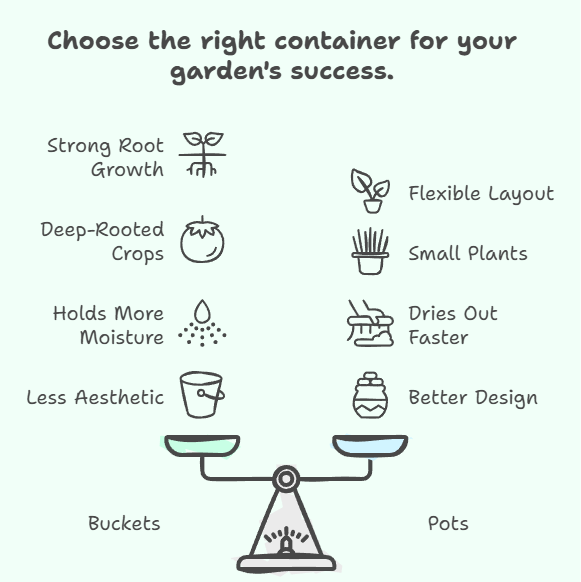
If you’re choosing between buckets and pots for container gardening, the answer isn’t one-size-fits-all; it depends on space, crop type, and how much control you want over soil and drainage. This quick comparison helps you pick the best option for higher yields.
Grow Vegetables in Buckets
- Larger volume (especially 5-gallon) supports strong root growth
- Ideal for tomatoes, peppers, cucumbers, potatoes
- Budget-friendly and easy to customize (drainage holes, DIY setup)
- Holds more moisture, reducing frequent watering
- Slightly heavier-less aesthetic but highly productive
Best for: maximum yield, balcony gardening, and beginners
Grow Vegetables in Pots
- Available in different sizes for various crops
- Better design and airflow in premium containers
- Easier to move and rearrange
- Works well for herbs, leafy greens, and compact plants
- Dries out faster than buckets in hot weather
Best for: small plants, decorative setups, and flexible layouts
Quick Comparison: Bucket vs Pots for Growing Vegetables
Not sure whether to use buckets or pots for your vegetable garden? Here’s a quick comparison to help you choose the right container for better growth and yield.
| Feature | Buckets | Pots |
| Best for | Yield & large plants | Small plants & herbs |
| Root space | Deep | Varies |
| Drainage control | Customizable | Pre-designed |
| Water retention | High | Moderate |
| Cost | Low | Medium to high |
For most gardeners, buckets outperform pots when growing vegetables because of better root space and moisture control. However, pots are great for flexibility and smaller crops.
Use both together: buckets for heavy feeders and pots for quick-growing greens to maximize space and productivity.
Balcony Gardening Tips: Vegetables to Grow in Buckets
If you’re planning to grow vegetables on a balcony, small adjustments in setup and plant management can significantly improve yield, plant health, and overall container gardening success.
- Use vertical space for climbing vegetables and better yield: Maximize limited balcony space by adding trellises, strings, or vertical supports for crops like cucumbers, beans, and peas. This improves airflow, reduces disease risk, and increases production per square foot.
- Group plants based on sunlight requirements for better growth: Arrange containers according to light needs. Place sun-loving vegetables like tomatoes and peppers in the brightest spots, while leafy greens grow better in partial shade, ensuring balanced growth across your balcony garden.
- Choose lightweight containers for safe and flexible balcony gardening: Use plastic, fabric grow bags, or lightweight pots instead of heavy clay containers. This reduces structural load on the balcony and makes it easier to move plants for sunlight, watering, and seasonal adjustments.
- Rotate crops regularly to maintain soil fertility and prevent disease: Avoid planting the same vegetables in the same container repeatedly. Rotate between leafy greens, fruiting plants, and root crops to maintain nutrient balance, reduce pest buildup, and support long-term soil health in containers.
Common Mistakes to Avoid in Balcony & Container Gardening
Even a small misstep in container gardening can slow growth or reduce yield. Avoid these common mistakes to keep your bucket vegetable garden healthy, productive, and beginner-friendly.
- No drainage holes → leads to root rot and plant failure: Without proper drainage, water collects at the bottom of the bucket, suffocating roots and causing rot. Always drill multiple holes to let excess water escape and maintain healthy root conditions.
- Using heavy garden soil → poor aeration and compacted roots: Garden soil becomes dense in containers, blocking airflow and restricting root growth. Instead, you should use a light and well-draining mix with compost and potting soil for better structure and nutrient balance.
- Overcrowding plants → reduced growth and lower yields: Planting too many vegetables in one bucket leads to competition for nutrients, water, and space. Follow spacing guidelines to ensure each plant grows properly and produces a healthy harvest.
- Ignoring nutrient depletion → weak plants and poor production: Nutrients wash out quickly in buckets because of frequent watering. Regular feeding with compost or liquid fertilizer is essential to maintain soil fertility and support continuous vegetable growth. Read our article on compost vs fertilizer for more in-depth info about soil and gardening.
- Too much nitrogen → leafy growth but fewer fruits: Excess nitrogen encourages lush green leaves but reduces flowering and fruiting. Balance nutrients properly, especially during the fruiting stage, to improve yield and overall plant performance.
FAQs
Yes, 5-gallon buckets are ideal for growing vegetables at home. They provide enough depth for root development and work well for tomatoes, peppers, and root crops when proper drainage holes are added.
To prepare a bucket, drill 4-6 drainage holes at the bottom, fill it with a well-draining potting mix (compost + coco coir + soil), and place it in a sunny location. This setup ensures proper drainage, aeration, and nutrient availability.
Vegetables in buckets typically need watering once a day in warm weather. Containers dry out faster than ground soil, so consistent moisture is important for healthy growth and yield.
The best soil mix for container gardening is lightweight and well-draining. A balanced mix of compost, potting soil, and coco coir helps retain moisture while preventing waterlogging.
Yes, bucket gardening is perfect for balcony spaces. With enough sunlight (6-8 hours), proper soil mix, and regular watering, you can grow a wide range of vegetables in pots and containers at home.
Final Thoughts
Bucket gardening proves one thing: space is optional, but strategy isn’t. With the right mix of soil, sunlight, and smart crop selection, even a small balcony can turn into a highly productive vegetable garden.
Start simple, observe your plants, and adjust as you grow. Gradually, your containers won’t just hold plants; they’ll hold a system that keeps giving.