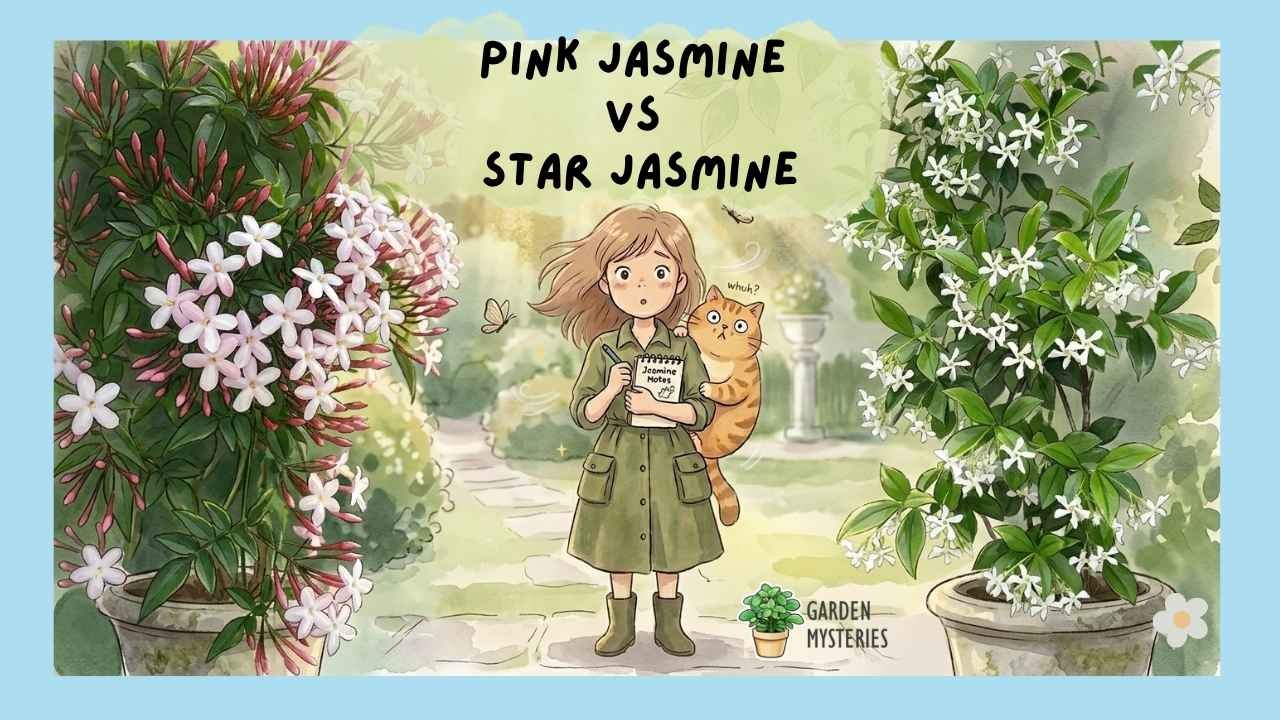
Do you ever look at two jasmine plants and feel lost? That is a common problem for beginner gardeners. People ask me about star jasmine vs pink jasmine all the time. They look green and lovely from far away. But the two vines have big differences.
Star jasmine has white star-shaped flowers. The smell is very strong and sweet. Pink jasmine has tiny pink blooms. Its scent is much lighter and softer. You need to know this before you spend money. A wrong plant might not give you the smell you want.
So, why is it so important to know, right? You need it at the garden store. You also need it when you plan a fence or a wall. Keep reading. I will show you how to pick the best one for your home.
What Is Star Jasmine?
Star jasmine is a climbing vine with white star-shaped flowers. Each flower has five petals that look like a little star. The smell is very strong, and you will love it. You can smell this sweet scent from far away. This plant is not a true jasmine from the jasmine family. But it still looks beautiful on fences and garden walls.
The leaves are dark green, and they stay shiny all year. Star jasmine grows slowly during its first year in the ground. Then it speeds up and climbs fast after that time. Last time I visited the flower bloom in the USA, I saw almost a mountain of star jasmine covering long walls.
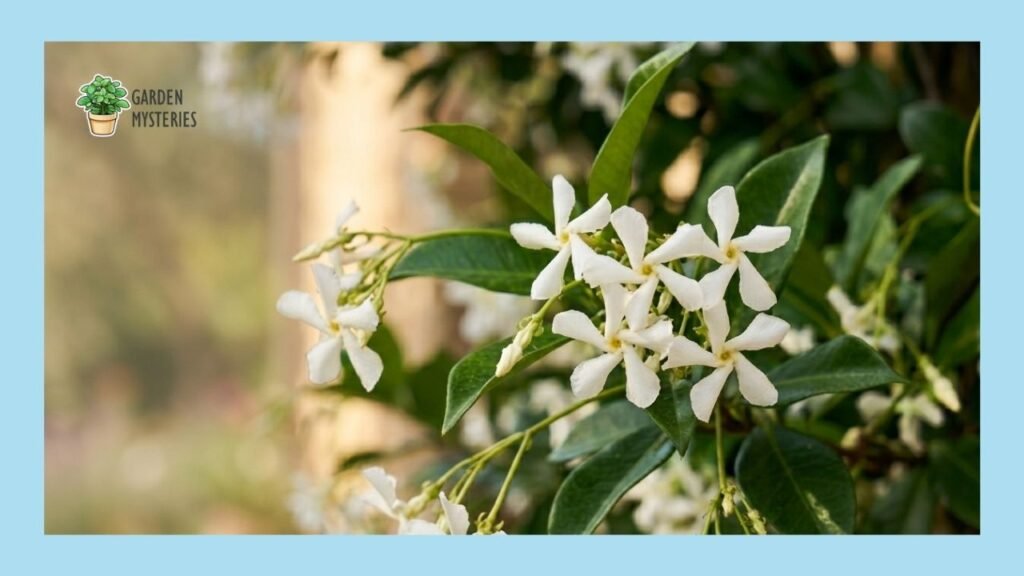
Check out the star jasmine picture above. The photo shows you the star-shaped bloom. That shape helps you remember its name. No other jasmine looks exactly like that.
What Is Pink Jasmine?
Pink jasmine is a fast growing vine that climbs up very quickly. It is a true jasmine plant from the real jasmine family group. The flowers start as small pink buds growing on the vine. Then they open into beautiful white blooms with pink colored backs.
The pink color stays on the outside of each small flower. That is why people call this plant pink jasmine for short. The smell is soft and light, and it is very pretty too. It is not as strong as the star jasmine smell at all.
The leaves are small and grow in groups of five to seven. They are not shiny like the star jasmine leaves are at all. You can grow it in your winter garden in the late winter. However, the vine grows very fast when the weather stays warm outside. It can cover a whole fence in just one summer season.
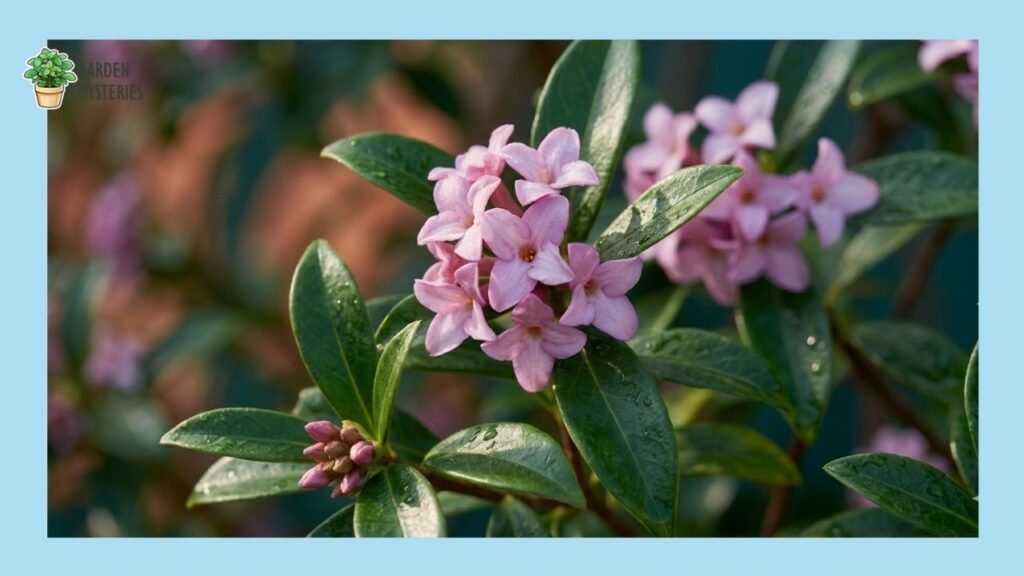
I suggest you properly check the pink jasmine picture above. The picture will show you the pink buds very well, I promise. You will see how different it looks from the star jasmine plant.
Star Jasmine vs Pink Jasmine: At a Glance
The following comparison table of star jasmine vs pink jasmine shows differences in plant family, growth, and fragrance traits. You can quickly understand which vine suits the climate, space, and long-term garden design needs.
| Feature | Star Jasmine | Pink Jasmine |
| Plant family | Apocynaceae family, not a true jasmine group | Jasminum genus, true jasmine family |
| Flower colour | White star-shaped blooms with glossy foliage | White flowers with pink-tinted buds |
| Fragrance | Sweet but generally lighter scent in most gardens | Stronger floral scent in warm and calm air |
| Bloom time | Spring to early summer with moderate duration | Late winter through spring with heavy flowering |
| Growth speed | Steady growth forms dense evergreen coverage over time | Faster climbing growth in warm sunny conditions |
| Cold hardiness | Tolerates mild frost and cooler winters better | Sensitive to frost, may die back in cold regions |
| Invasive risk | Low to moderate spread, depending on pruning care | Higher spread potential in warm climates if unmanaged |
| Pet safety | Generally considered non-toxic for pets | Also considered non-toxic, but may cause mild stomach upset |
Detailed Comparison: Star Jasmine vs Pink Jasmine
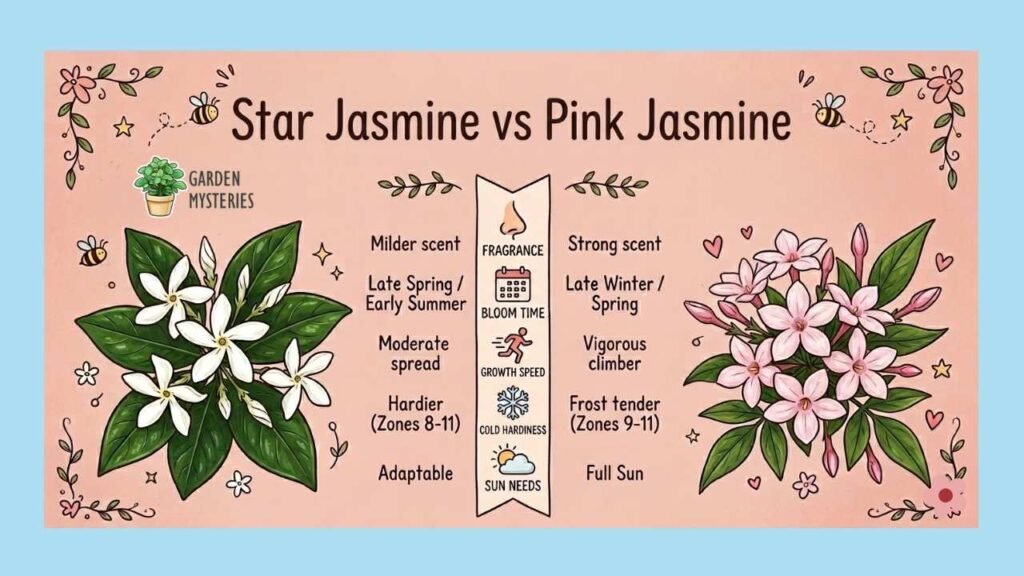
This section compares star jasmine and pink jasmine across key garden traits. You can clearly understand differences in fragrance, bloom timing, growth speed, winter survival, and sunlight needs for better plant selection in home gardens.
Fragrance: Is Pink Jasmine Fragrant?
Pink jasmine fragrance depends on growing conditions, but its flowers usually release a soft, sweet scent in warm weather. Star jasmine also smells pleasant, though its aroma often feels slightly more subtle in many garden spaces.
Garden environment changes how strong the scent feels during the flowering season. Humidity and still air usually increase fragrance intensity, while open windy areas reduce it. Both plants can smell lovely near patios where the airflow stays gentle.
Bloom Time: When Do They Flower?
Generally, pink jasmine bloom time begins in late winter and continues through spring in many warm regions. Flowers appear in dense clusters that quickly cover climbing supports and create a strong seasonal display in home gardens.
Season length depends on climate and care, so warmer areas often enjoy longer flowering periods. Star jasmine usually blooms slightly later and may continue into early summer, offering a second wave of soft seasonal color outdoors.
Growth Speed: How Fast Does Pink Jasmine Grow?
How fast does pink jasmine grow is strongly influenced by sunlight, soil, and warmth levels. In ideal conditions, vines climb quickly and cover fences or trellises within a single active growing season in most gardens.
Growth pattern differs between the two plants, since star jasmine develops a slower but thicker evergreen structure. Pink jasmine focuses more on fast upward spread, especially when watered well and placed in bright sunny locations.
Cold Hardiness: Which One Survives Winter?
Pink jasmine cold hardiness is limited because frost can damage stems and reduce flowering ability. In colder climates, upper growth may die back while roots survive underground and regrow when temperatures rise in spring.
However, star jasmine handles cooler conditions better and often keeps its green leaves during mild winters. This makes it more reliable in regions with occasional frost, where plant structure needs to stay stable through seasonal changes.
Sun Requirements: What Light Do They Need?
Pink jasmine sun requirements include strong sunlight to support healthy flowering and full bloom development. Without enough light, plants may grow leaves but produce fewer flowers, especially in shaded or partially covered garden areas.
Star jasmine adapts more easily and grows in full sun or partial shade. Increased sunlight improves flower production, while moderate shade still supports steady growth, making it flexible for different garden layouts and outdoor conditions.
Types of Jasmine Flowers You Should Know
Jasmine plants come in wide fragrant varieties that differ in scent, bloom timing, and growth style, including Arabian jasmine, star jasmine, pink jasmine, and night-blooming types for garden use. Let’s check out some of the jasmine plant varieties pictures right below:
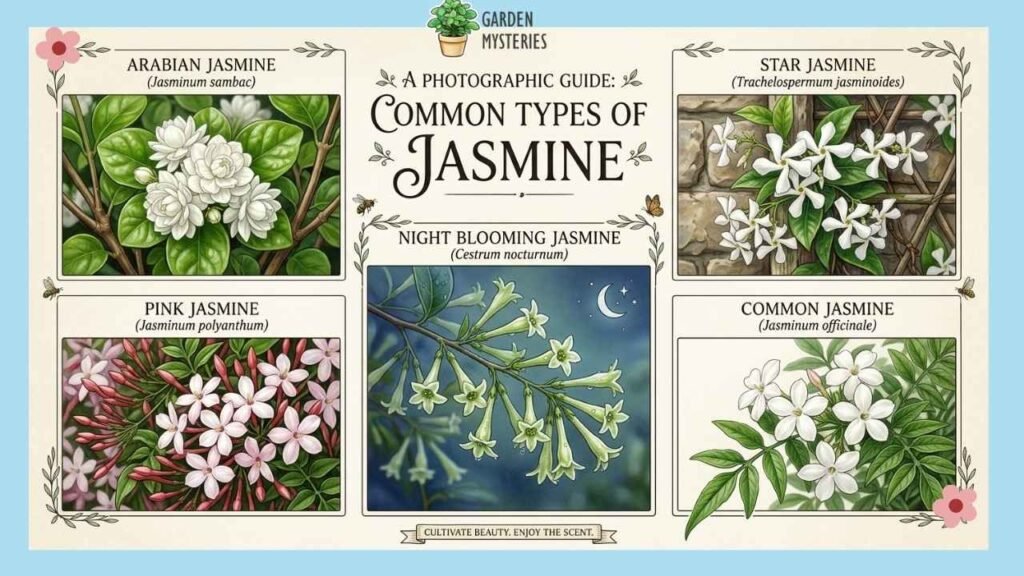
- Arabian jasmine: Generally, it produces highly fragrant white flowers used in teas and perfumes, see jasmine varieties pictures.
- Star jasmine: It forms evergreen vines with glossy leaves and star-shaped white blooms that suit fences and walls.
- Pink jasmine: Usually grows fast, climbing vines with pink buds and strong seasonal flowers in warm sunny gardens.
- Night-blooming jasmine: This one releases a strong scent after sunset and attracts night pollinators in tropical garden environments.
- Common jasmine: It offers classic fragrance and flexible growth, often seen in abandoned places or in roadside areas.

150+ Climbing Jasmine Flower Seeds – Fragrant Non-GMO Garden Seeds by Wivolibe
Wivolibe Store
★★★★ 3.6/5 (76 reviews)
🔥 300+ bought this month ✅ Best For: Outdoor Gardens$7.99 $8.99
Save 11% — FREE Returns
Buy on AmazonWhich Jasmine Is Right for Your Garden?
Gardeners often decide between climbers based on space, climate, and flowering style needs, like jasmine and honeysuckle, or just different types of jasmine. Star jasmine suits structured evergreen landscapes, while pink jasmine fits bold seasonal bloom displays in warm gardens with faster visual coverage and strong flowering impact.
Choose Star Jasmine If…
Star jasmine fits your garden perfectly when you want steady evergreen coverage with reliable structure throughout the year. It creates a clean, green backdrop that supports fences, walls, and shaded corners without losing visual appeal during cooler months.
This plant performs well in areas needing controlled growth and low maintenance support. It also works as ground cover where soil protection matters and spreads evenly without becoming overly aggressive in managed garden spaces.
Choose Pink Jasmine If…
Pink jasmine works best for you if you prefer seasonal flowering coverage in warm climate conditions. It quickly climbs supports and creates dense bloom displays during peak flowering months across trellises, fences, and bright outdoor garden structures.
It performs strongly in regions with mild winters and consistent sunlight throughout the growing season. Regular watering and support structures help maintain healthy growth and improve flowering performance and overall quality.
Note: This gardening content is for informational purposes only. Plant performance may vary by climate, soil, and care methods. Some links may be affiliate links, which may earn us a small commission at no extra cost to you.
How to Care for Jasmine Plants: Tips for Beginners
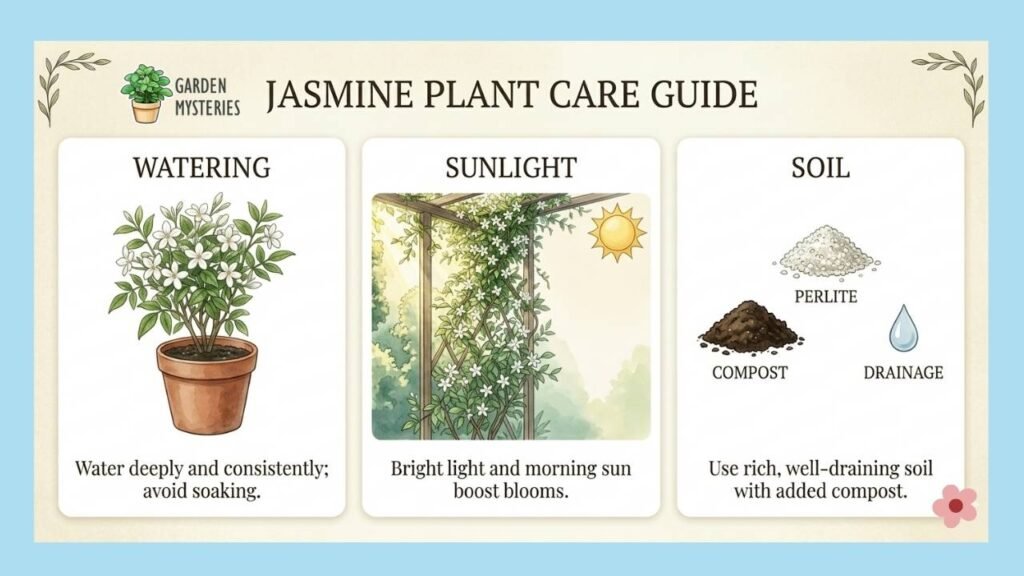
Jasmine plants grow best when you provide balanced care with proper water, light, and regular seasonal attention daily. Simple routines help beginners keep vines healthy while encouraging strong fragrance and consistent blooming throughout seasons easily.
Watering Jasmine Plants
Jasmine plants need consistent watering to keep roots moist, but never overly wet soil conditions. Deep watering works better than frequent light watering, especially during hot, dry summer periods.
Sunlight Needs
Bright sunlight improves jasmine flowering, though some varieties tolerate partial shade in warm climates well. Morning sun exposure helps plants develop stronger blooms and healthier foliage growth, resulting consistently.
Soil Requirements
Well-drained soil supports jasmine roots and prevents rot during heavy monsoon rainfall periods. If you add organic compost or manure, it will improve soil structure and encourage steady nutrient release for healthy plant growth.
Fertilizer Guide
Balanced fertilizer supports strong jasmine growth and increases flower production during the active season period. Be careful while choosing between liquid fertilizer and granular fertilizer. A monthly feeding schedule works well for container plants and garden soil jasmine varieties types grown.
Pruning Tips
Regular pruning helps control jasmine vines and improves flowering by removing old, weak stems. Light trimming after blooming keeps plants tidy and encourages new shoots for next season’s growth.
FAQs
Arabian jasmine usually produces a richer and deeper fragrance compared to star jasmine. Star jasmine smells pleasant but lighter, while Arabian jasmine feels more intense in warm evening garden air conditions.
Pink jasmine grows very quickly when sunlight, water, and warm weather are consistent. It can cover trellises or fences within one active season, especially in fertile soil and supportive climbing structures.
Star jasmine can grow in partial shade, although flowering becomes less abundant compared to full sun conditions. It still maintains healthy green foliage and steady growth even in moderately shaded garden spaces.
Most jasmine plants are considered generally non-toxic for pets like cats and dogs. However, eating leaves or flowers may still cause mild stomach upset, so monitoring pets around plants is advised.
End Note
Jasmine plants offer two different gardening experiences depending on the variety and conditions. Star jasmine gives a steady evergreen structure with a light fragrance, while pink jasmine delivers fast seasonal growth and a stronger floral display.
Learning about these differences between star jasmine vs pink jasmine helps you match plants with climate, space, and care needs for better results in home gardens.
Both types respond well to sunlight, watering, and pruning. When maintained properly, they produce healthy vines, pleasant fragrance, and beautiful blooms that improve outdoor spaces across seasons.