Many of you, especially beginners, think about using lava rock for orchids. But can’t decide whether this rock is good for orchids or not? Actually, Lava rock is very essential for orchids, and sometimes, it works better than any type of media.
Is Lava Rock Good for Orchids? (Quick Answer)
Lava rock is a durable, inorganic orchid media that improves drainage and orchid root aeration. It works best for orchids that prefer wet-dry cycles, like Dendrobium and Cattleya. However, it may require more frequent watering in dry environments.
As a porous growing medium, lava rock lets roots breathe while preventing waterlogging. This makes it a reliable orchid drainage medium, though beginners may need to monitor moisture levels closely.
Is Lava Rock Good for Orchid?
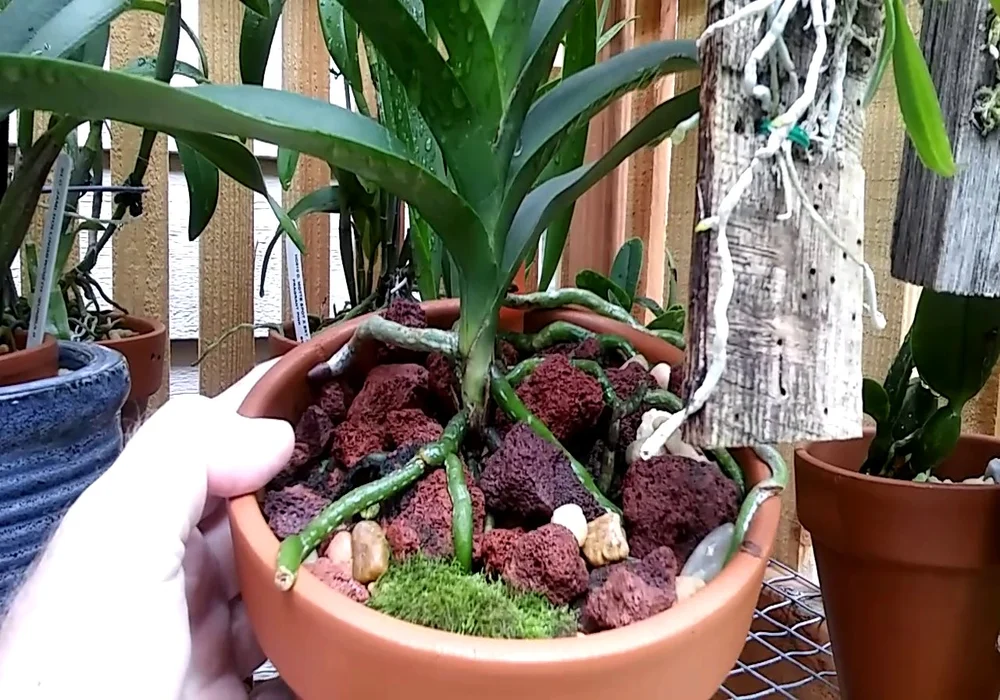
Lava rock can be a suitable growing medium for orchids, depending on the specific needs of the orchid species you are working with. Lava rock is a porous material that provides excellent drainage and aeration, which are crucial factors for the healthy growth of orchids.
Using lava rocks for orchids can provide several benefits:
Excellent Drainage
Lava rocks have a porous structure that allows for excellent drainage. This prevents waterlogging and helps maintain optimal moisture levels for orchid roots. Proper drainage is crucial for orchids as they are susceptible to root rot when exposed to excess moisture.
Aeration
The porous nature of lava rocks also facilitates adequate airflow to the roots. This helps prevent the roots from suffocating and promotes oxygenation, which is essential for healthy root development and overall plant growth.
pH Regulation
Lava rocks have a neutral pH, which means they do not significantly alter the pH of the growing medium. This is advantageous for orchids, as they generally prefer a slightly acidic to neutral pH range for optimal nutrient absorption.
Stability and Support
Lava rocks are lightweight yet sturdy, providing stability to potted orchids. They help anchor the plant and prevent it from toppling over. This is particularly beneficial for tall or top-heavy orchid varieties.
Durable and Long-lasting
Lava rocks are highly durable and do not break down easily over time. Unlike other organic growing media that decompose, lava rocks can be reused for several years, making them a cost-effective option in the long run.
Pest Prevention
Lava rocks do not attract pests like organic growing media such as bark or moss. This reduces the risk of pests infesting your orchids and helps maintain a healthier growing environment.
Easy Maintenance
Lava rocks are low-maintenance and require less frequent watering compared to organic materials like sphagnum moss or bark. This can be advantageous for busy orchid enthusiasts or those who may tend to overwater their plants.
Aesthetic Appeal
Lava rocks can add an attractive touch to your orchid display. They come in various sizes, shapes, and colors, allowing you to create visually appealing arrangements. The contrast between the dark lava rocks and the vibrant orchid blooms can create a striking visual impact.
Using lava rocks as a growing medium for orchids can promote healthy root growth, prevent water-related issues, and provide a stable and aesthetically pleasing environment for your plants.
You can also read: Orchid Roots Are Turning Brown
Lava Rock vs Other Orchid Media
Choosing the right orchid growing substrate can make a big difference in plant health. Here’s how lava rock compares with other popular options:
| Medium | Drainage | Water Retention | Lifespan | Best For |
|---|---|---|---|---|
| Lava Rock | Excellent | Low–Moderate | Very long-lasting | Semi-hydroponic orchids |
| Orchid Bark | Good | Moderate | Breaks down over time | Most orchids |
| Sphagnum Moss | Low | High | Medium | Dry environments |
| LECA | Excellent | Moderate | Long-lasting | Controlled watering setups |
Lava rock stands out as an inorganic orchid media that doesn’t decompose, making it a long-term solution. In contrast, orchid bark and moss break down and require regular replacement.
When comparing lava rock vs bark orchids, bark offers more moisture retention, while lava rock provides better airflow and durability.
Disadvantages of Lava Rock for Orchids
While lava rock offers excellent drainage and aeration, it may not suit every grower or environment. With pros, there are some cons too.
- Dries out quickly: As a porous growing medium, it can lose moisture faster than organic mixes, especially in hot or dry climates.
- Frequent watering needed: Orchid watering frequency with lava rock is usually higher compared to bark or moss.
- No nutrients: Lava rock is an inorganic orchid media, meaning it does not provide nutrients. Regular fertilization is essential.
- Not beginner-friendly: Managing moisture levels can be tricky without experience.
- May attract ants: In some cases, gaps between rocks can become shelter for small insects.
For best results, many growers combine lava rock with other materials to balance moisture and airflow.
How to Use Lava Rocks to Set Orchids?
Using lava rock for orchids is an excellent alternative to traditional potting mix. Lava rocks provide excellent drainage and aeration for orchid roots while allowing them to cling onto the rough surface. This method works especially well for semi-hydroponic orchids, where roots benefit from consistent airflow and controlled moisture. Here’s a step-by-step guide on how to use lava rocks to set orchids:
Step 1: Gather the necessary materials
- Lava rocks: Purchase clean and sterilized lava rocks from a garden center or online supplier. Ensure they are of suitable size and shape for your orchid pots.
- Orchids: Select healthy orchids that are suitable for growing in a semi-hydroponic setup, as this method closely mimics their natural habitat.
- Containers: Choose pots or containers that have adequate drainage holes to prevent waterlogging.
Step 2: Prepare the lava rocks
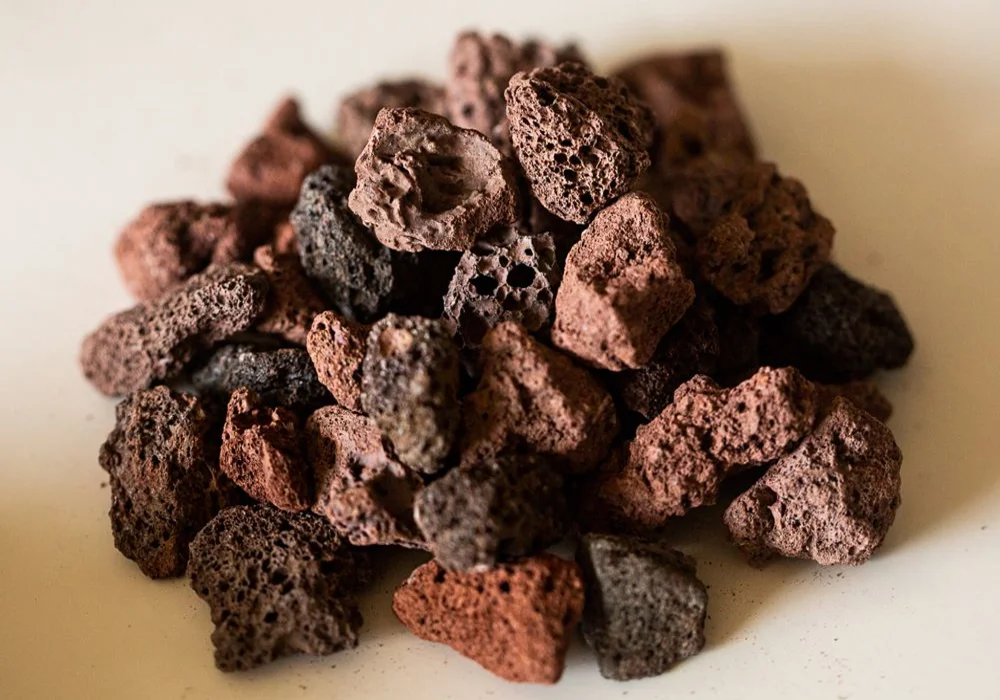
- Rinse the lava rocks thoroughly under running water to remove any dust or debris. This helps ensure a clean growing environment for your orchids.
- Sterilize the rocks by boiling them in water for about 10-15 minutes or baking them in the oven at a temperature of 250°F (121°C) for an hour. This step is crucial to eliminate any potential pathogens or contaminants.
Step 3: Soak the lava rocks
- Fill a bucket or sink with water and place the sterilized lava rocks inside.
- Allow the rocks to soak for a few hours or overnight. This step is important to saturate the rocks with water, which will provide moisture to the orchid roots in the initial stages.
Step 4: Potting the orchid
- Take the orchid out of its current pot, gently removing any old potting mix from its roots. If the roots are healthy and firm, avoid cutting or trimming them excessively.
- Select a suitable pot or container filled with a layer of lava rocks at the bottom to facilitate drainage. Ensure that the pot has enough drainage holes.
- Place the orchid on top of the lava rocks, spreading its roots evenly. Adjust the positioning so that the base of the orchid is slightly above the lava rock layer.
- Fill the remaining space around the roots with more lava rocks. Press them gently to ensure stability and support for the orchid.
Step 5: Settling in and care
- After potting the orchid, water it thoroughly until the excess water drains out from the bottom of the pot. The lava rocks will hold moisture, providing a humid environment for the roots.
- Place the orchid in a suitable location with adequate light, but avoid direct sunlight, which may cause excessive heat or burns.
- Monitor the moisture levels in the lava rocks and water the orchid when the rocks start to dry out. The frequency will depend on various factors such as orchid species, environment, and temperature.
- If the lava rocks start accumulating salts or mineral deposits, periodically flush them with water to prevent buildup that could harm the orchid roots.
Step 6: Maintenance and growth
- Regularly inspect the orchid’s roots and remove any dead or rotting parts. This helps maintain a healthy root system.
- Provide proper nutrition to the orchid by using a diluted orchid fertilizer solution during watering. Follow the instructions provided by the manufacturer for the correct dosage and frequency.
- Monitor the orchid for any signs of stress, such as yellowing leaves or lack of growth. Adjust watering and light conditions accordingly to meet the specific needs of your orchid.
By following these steps and providing appropriate care, your orchids can thrive in a lava rock growing medium, resulting in healthy and vibrant plants. Remember that each orchid species may have slightly different requirements, so it’s essential to research and understand the specific needs of your orchid variety.
Maintenance Tips: Orchids on Lava Rocks
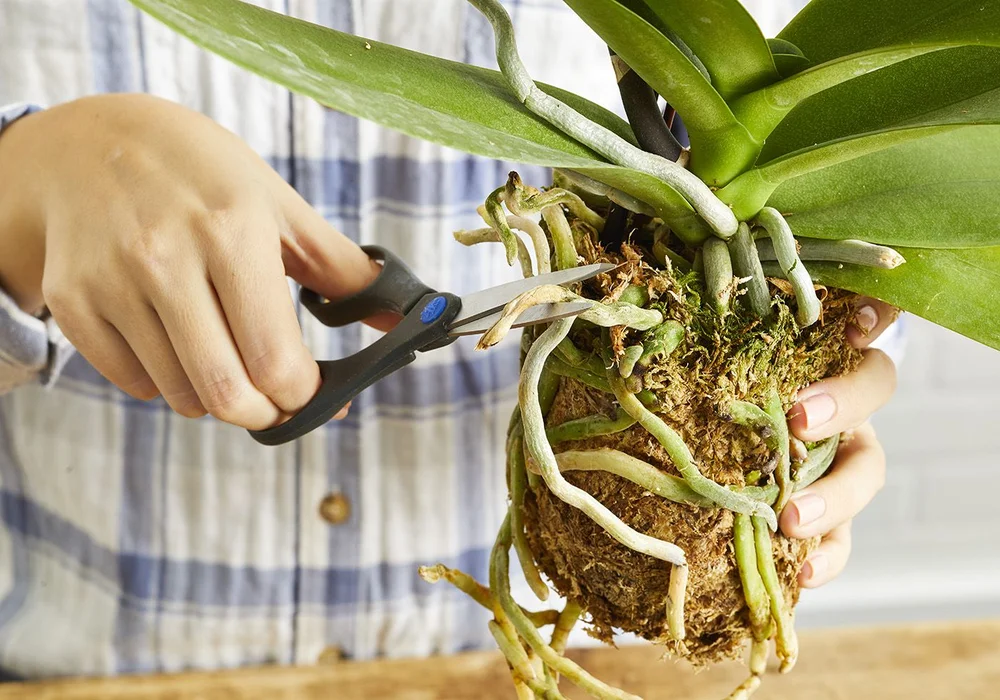
Orchids are beautiful and delicate plants that require proper care and maintenance to thrive. When it comes to growing orchids on lava rocks, there are some specific maintenance tips that can help ensure the health and longevity of these unique plants. Here are some effective maintenance tips for orchids on lava rocks:
Proper watering
Orchids grown on lava rocks have different watering needs compared to those grown in traditional pots. Lava rocks provide excellent drainage, which means that excess water flows through them quickly.
To water your orchids on lava rocks, thoroughly soak the rocks and roots, allowing the water to pass through and drain completely. Avoid leaving stagnant water in the container, as it can lead to root rot and other problems.
Since lava rock acts as a fast-draining orchid drainage medium, monitoring moisture is key to maintaining a healthy watering routine.
Humidity control
Orchids generally prefer high humidity levels. To maintain the required humidity for orchids on lava rocks, you can mist the plants regularly or place a tray filled with water near the plants. The evaporating water will increase the humidity around the orchids.
However, make sure to monitor the humidity levels to prevent excessive moisture, as it can lead to fungal diseases.
Fertilization
Orchids on lava rocks benefit from regular fertilization. Choose a balanced orchid fertilizer and dilute it according to the instructions provided. Apply the fertilizer to the plants during the growing season, typically every two to four weeks.
Avoid over-fertilizing, as it can harm the orchids’ delicate roots. Flush the rocks with plain water occasionally to prevent the buildup of mineral salts. Because lava rock is an inorganic orchid repotting medium, nutrients must be supplied through regular feeding.
Temperature and light
Orchids thrive in specific temperature and light conditions. Most orchids prefer temperatures between 60°F and 80°F (15°C to 27°C) during the day, with slightly cooler temperatures at night.
Place your orchids on lava rocks in a location that provides them with bright, indirect light. Avoid exposing them to direct sunlight, as it can cause leaf burn.
Air circulation
Orchids on lava rocks benefit from good air circulation. Ensure that the plants are not placed in stagnant or overly humid areas. Gentle air movement can help prevent the growth of harmful fungi and pests. Avoid placing the orchids in drafty areas, as extreme temperature changes can be detrimental to their health.
Regular inspection
Regularly inspect your orchids for any signs of pests, diseases, or other problems. Look for pests like aphids, scale insects, or mealybugs on the leaves, stems, and roots.
If you notice any signs of pests or diseases, take immediate action to address the issue and prevent it from spreading.
Repotting
Orchids on lava rocks generally require less frequent repotting compared to those in traditional pots. However, if the plants outgrow their containers or the lava rocks start to break down, it may be necessary to repot them.
Choose a suitable potting mix for orchids, remove the old lava rocks, and gently transfer the orchids to the new container.
Remember that each orchid species may have specific care requirements, so it’s essential to research the particular type of orchid you are growing on lava rocks to provide the best maintenance practices.
By following these effective maintenance tips for orchids on lava rocks, you can create an environment that promotes healthy growth and stunning blooms. Happy orchid gardening!
Can I Use Lava Rocks for Other Plants?
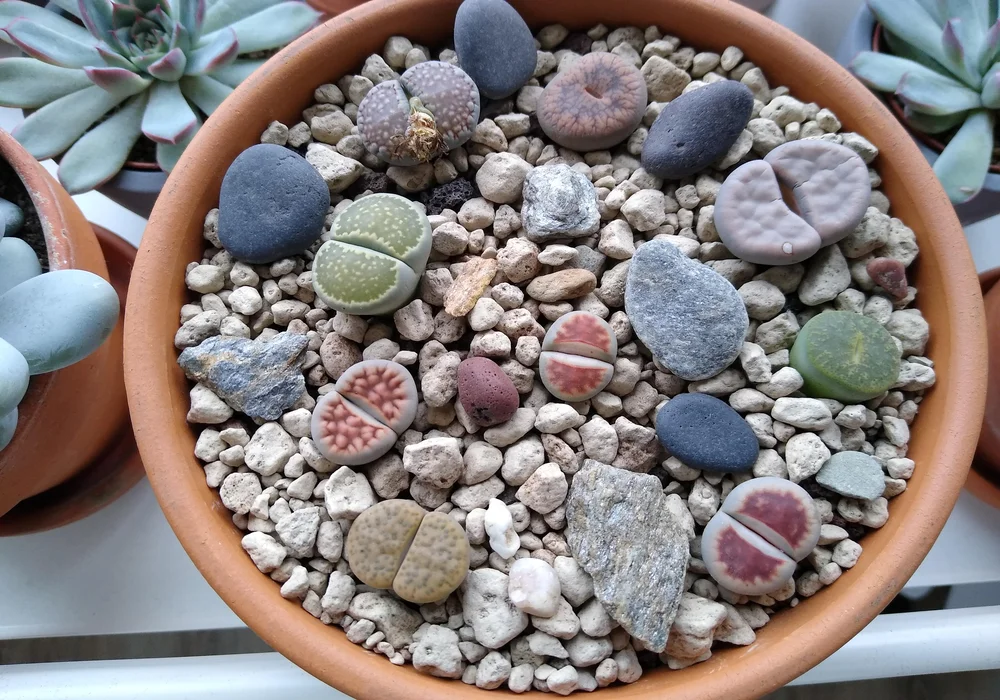
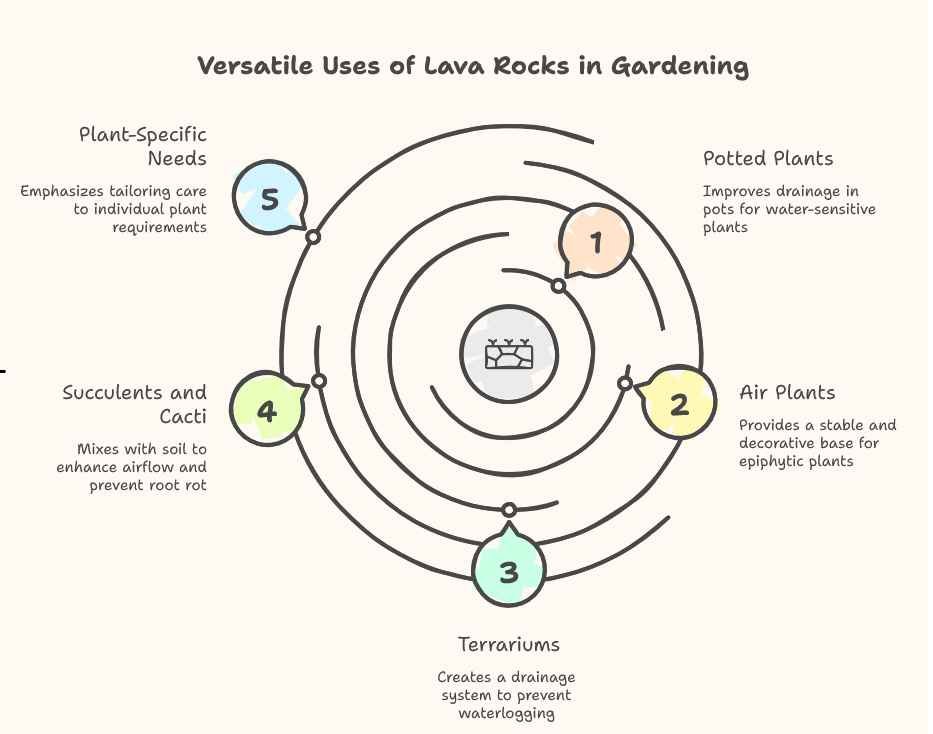
Yes, lava rocks can be used for other plants besides orchids. Lava rocks are a popular choice for growing various types of plants because they have several beneficial properties. Here are a few ways you can use lava rocks for different plants:
Potted Plants
Lava rocks can be used as a drainage layer at the bottom of pots to improve water drainage. Eventually, you can use lava rocks for indoor plants too.
This is particularly useful for plants that are sensitive to overwatering or require well-drained soil. Simply place a layer of lava rocks at the bottom of the pot before adding the potting soil.
Air Plants
Lava rocks can be used as a decorative base for air plants. Air plants, also known as Tillandsia, are epiphytic plants that don’t require soil to grow. You can place air plants on top of a bed of lava rocks, which will provide stability and a natural aesthetic.
Terrariums
Lava rocks can be used as a base layer in terrariums to create a drainage system. When constructing a terrarium, it’s important to have proper drainage to prevent waterlogging and root rot. By adding a layer of lava rocks at the bottom, you can create a reservoir for excess water to collect, keeping the soil moist but not waterlogged.
Succulents and Cacti
Lava rocks can be mixed with regular potting soil to create a well-draining medium for succulents and cacti. The porous nature of the lava rocks allows for good airflow and prevents the roots from sitting in water, which can cause root rot.
Mix lava rocks with the potting soil at a ratio of approximately 1:1 or adjust as needed based on the specific needs of your plants.
Remember that different plants have different requirements, so it’s important to consider their specific needs in terms of watering, light, and nutrient requirements.
Even though lava rocks for plants are beneficial, it’s always a good idea to research the specific care instructions for the plants you are growing to ensure their optimal growth and health.
For growers searching for the best potting mix for orchids, lava rock can be used alone or blended with bark or LECA to create a balanced orchid growing substrate.
Can You Mix Lava Rock with Other Orchid Media?
Yes, lava rock can be combined with materials like bark or LECA to create a more balanced orchid growing substrate.
Mixing lava rock with organic or semi-inorganic materials improves moisture retention while maintaining proper orchid root aeration. This balance helps you manage orchid watering frequency in lava rock more easily, especially in warm or dry conditions.
For growers exploring inorganic orchid media or transitioning to semi-hydroponic orchids, this method offers better control over drainage and hydration without increasing the risk of root problems.
When comparing lava rock vs bark orchids, a mix can provide both airflow and moisture balance. This makes it a practical option when building the best potting mix for orchids for consistent growth.
FAQs
How often should I water orchids potted in lava rock?
The watering frequency for orchids potted in lava rock depends on factors like the orchid species, humidity, and temperature. Generally, lava rock allows for faster drying, so it’s important to monitor the moisture level and adjust watering accordingly to prevent dehydration or waterlogging.
Do orchids require additional fertilizer when grown in lava rock?
Orchids grown in lava rock may require additional fertilization. Lava rock does not provide nutrients to the plants, so using a balanced orchid fertilizer is recommended. Follow the instructions provided by the fertilizer manufacturer for the proper application and frequency.
Can I use lava rock to mount orchids instead of a traditional pot?
Yes, lava rock can be used to mount orchids instead of using a traditional pot. Lava rock provides a stable base for attaching orchids and offers good airflow to the roots. Ensure the orchid’s roots are securely attached to the rock, and provide regular misting or watering to keep the roots hydrated.
How should I clean and maintain lava rock for orchids?
To clean lava rock, rinse it with water to remove any dust or debris. If the rock becomes clogged with organic matter or mineral deposits, soak it in a solution of water and mild dish soap, then rinse thoroughly. Regularly inspect the lava rock for any signs of deterioration or damage.
Final Thoughts: Should You Use Lava Rock for Orchids?
Lava rock is a durable and porous growing medium that can support healthy orchid growth when used correctly.
It improves orchid drainage, supports airflow around roots, and reduces the chances of overwatering issues. As an inorganic orchid media, it works especially well for orchids that prefer a wet-dry cycle.
However, it may require more frequent watering in certain environments, so monitoring moisture levels is important.
For beginners, using a mixed orchid growing substrate can make care easier. For experienced growers, lava rock can be a reliable option for semi-hydroponic orchids and long-term planting.
If you’re testing a new orchid repotting medium or looking for an alternative to traditional mixes, lava rock is a practical option worth trying with proper care.