Coconut Coir vs Peat Moss: Which One Suits Your Garden
Coconut coir and peat moss are popular soil amendments used to improve moisture retention, drainage, and soil structure. Well, coconut coir is generally considered the more sustainable option because it is renewable, reusable, and naturally pH balanced, while peat moss retains more moisture and works well for acid-loving plants.
For most gardeners, coconut coir is the better long-term choice for raised beds, container plants, and hydroponics. Peat moss still performs well for seed starting and plants that prefer acidic soil conditions.
This guide will compare coconut coir vs peat moss based on water retention, drainage, sustainability, pH, cost, and best gardening uses.
What is Coconut Coir?
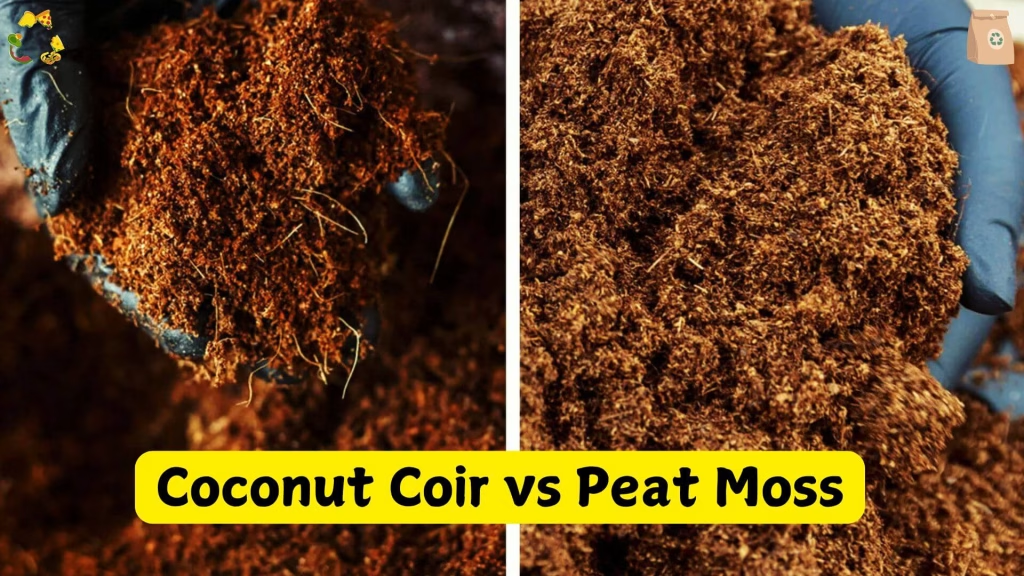
Coconut coir (or coco coir) comes from the fibrous husk of coconuts. Once treated as waste, coco coir is now widely used as a valuable resource for gardeners, hydroponic growers, and sustainable building applications.
Its versatility and eco-friendly nature make it an excellent alternative to traditional soil amendments.
Benefits of Coconut Coir
Coconut coir is a highly versatile growing medium that improves soil structure, supports healthy root development, and is often preferred in the coco coir vs peat moss debate for its sustainability and performance.
- Eco-Friendly & Renewable – Made from coconut husks, a byproduct of the coconut industry, making it a sustainable choice.
- Neutral pH – Unlike peat moss, it doesn’t require pH balancing for most plants.
- Great Water Retention & Drainage – Holds moisture while letting excess water drain, preventing root rot.
- Long-Lasting & Reusable – Doesn’t break down as quickly as peat moss, making it a better investment.
- Naturally Resistant to Pests & Disease – Helps keep soil healthy without extra treatments.
- Excellent for Hydroponics – A top choice for soilless gardening systems.
- Increases Microbial Life – Encourages beneficial bacteria and fungi in the soil.
What is Peat Moss?
Peat moss is an organic material harvested from peat bogs, where it forms over thousands of years as decomposed plant matter accumulates in waterlogged conditions. Peat moss is widely used in gardening, though it is often discussed for its environmental impact because of slow natural regeneration.
Benefits of Peat Moss
Peat moss is widely used in gardening because it improves moisture retention, soil structure, and is often compared in the peat vs coir debate for its strong water-holding ability and suitability for specific plant types.
- Holds Water Like a Sponge – Helps retain moisture, making it great for seed starting.
- Light & Airy – Improves soil aeration, especially in heavy soils.
- Popular in Gardening Mixes – Often used in commercial potting soils and seed-starting mediums.
- Provides Some Nutrients – Contains minimal organic matter beneficial for plant growth.
- Good for Acid-Loving Plants – Works well for blueberries, azaleas, and rhododendrons.
Is Coconut Coir Better Than Peat Moss?
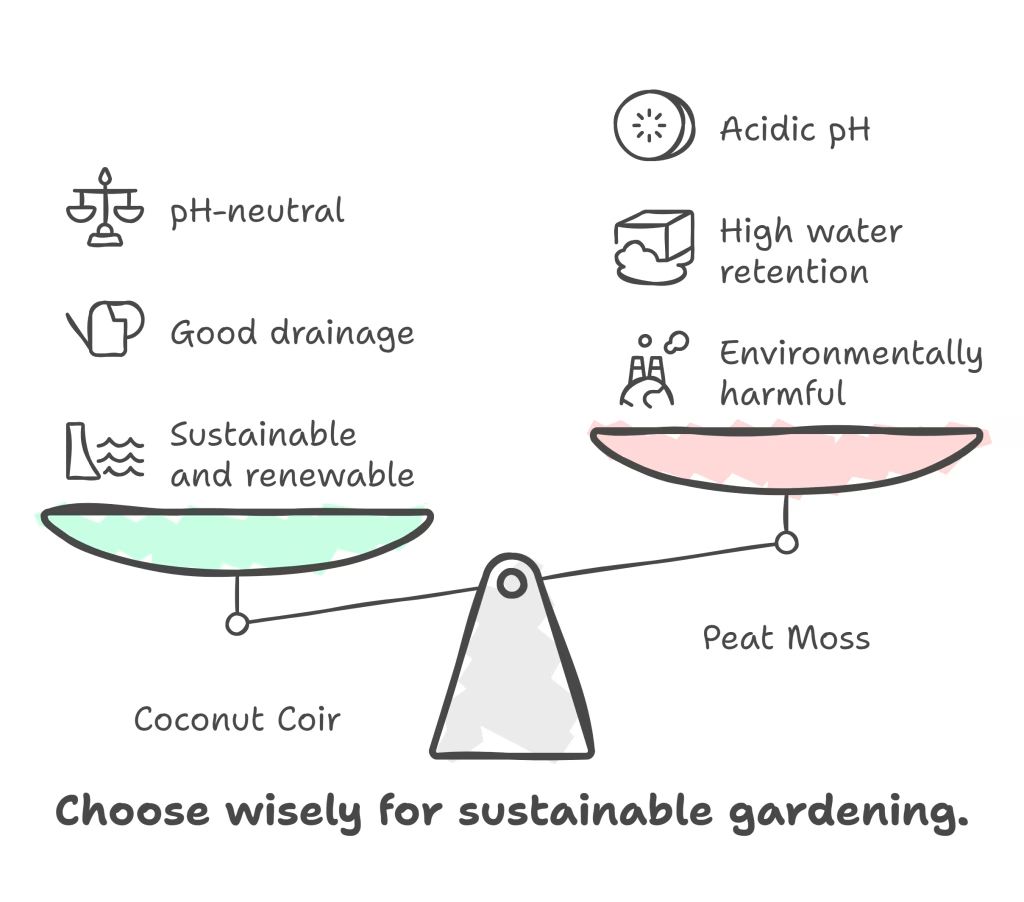
Coconut coir is often considered better than peat moss for general gardening because it is renewable, reusable, and improves soil without damaging peat bog ecosystems. It offers strong water retention with better drainage and airflow for plant roots.
Peat moss can hold more moisture for acid-loving plants, but coconut coir is usually the more sustainable and versatile option for long-term gardening use.
Coconut Coir vs Peat Moss: Key Differences
If you are comparing peat moss vs coco coir, the key differences come down to sustainability, water retention, and soil structure performance. Let’s break down the major differences to help you make an informed decision.
1. Sustainability & Environmental Impact
Soil amendments should elevate plant growth without harming the planet. Here’s how coconut coir and peat moss compare in terms of sustainability.
- Coconut Coir: A renewable byproduct that doesn’t harm ecosystems.
- Peat Moss: Takes hundreds of years to form, and harvesting it releases stored carbon, damaging the environment.
- Coconut coir is generally considered the more sustainable option because it is renewable and reusable.
2. Water Retention & Drainage
Both coconut coir and peat moss help with moisture management, but they behave differently in the soil.
- Coconut Coir: Holds moisture but drains well, preventing waterlogged soil.
- Peat Moss: Retains more water but can become compacted, restricting airflow.
- Best for: Coconut coir for hydroponics; peat moss for plants that love constant moisture.
In container gardening, coconut coir usually stays looser longer than peat moss after repeated watering cycles, which helps improve airflow around roots.
3. pH Levels & Nutrient Content
The pH of your soil amendment can significantly affect plant growth.
- Coconut Coir: pH-neutral (5.5-6.8), making it easy to use with most plants.
- Peat Moss: Acidic (3.5-4.5), meaning you might need to adjust pH for certain plants.
- Best for: Coconut coir for general gardening; peat moss for acid-loving plants like blueberries.
4. Longevity & Reusability
Longevity determines how often you need to replace your soil amendment, affecting cost and labor.
- Coconut Coir: Lasts longer and can be reused multiple times.
- Peat Moss: Breaks down quickly and needs frequent replacement.
- Coconut coir usually lasts longer and can often be reused in multiple growing cycles.
5. Cost & Availability
When comparing peat moss vs coco coir price, coconut coir is usually more affordable and expands when soaked, while peat moss is costlier due to slow, labor-intensive harvesting.
- Coconut Coir: Available in compressed bricks, expands when soaked, and is affordable.
- Peat Moss: Often more expensive because of labor-intensive harvesting.
- Best buy: Coconut coir for better value and long-term use.
6. Soil Structure Improvement
In coir vs peat, coconut coir improves sandy soil by boosting water retention and structure, while peat moss loosens clay soil but may compact over time with repeated use.
- Coconut Coir: Adds structure to sandy soil, preventing erosion and improving water retention.
- Peat Moss: Lightens clay soil by enhancing aeration, but can compact over time.
Here’s a well-structured comparison table for Coco Coir vs Peat Moss to help readers quickly understand the key differences:
| Feature | Coconut Coir | Peat Moss |
| Source | Byproduct of coconut husks (renewable) | Harvested from peat bogs (non-renewable) |
| Sustainability | Eco-friendly, sustainable, and biodegradable | Destructive to peat bogs, releases carbon |
| pH Level | Neutral (5.5 – 6.8) | Acidic (3.5 – 4.5) |
| Water Retention | Retains moisture well but drains efficiently | Holds water like a sponge but compacts over time |
| Aeration | Improves soil aeration and structure | Can compact and reduce airflow in soil |
| Longevity | Long-lasting and reusable | Breaks down faster, needs frequent replacement |
| Cost | Affordable and expands when hydrated | More expensive due to labor-intensive harvesting |
| Best for | General gardening, hydroponics, composting, and container plants | Seed starting, acid-loving plants, and soil aeration |
| Resistance to Pests | Naturally resistant to fungi and pests | Can develop mold and fungus if overly wet |
| Environmental Impact | Supports sustainability with no habitat destruction | Peat bog depletion contributes to climate change |
Best Uses for Coconut Coir vs Peat Moss
Coconut coir and peat moss are both soil amendments used to improve moisture and structure, but coconut coir is more sustainable and reusable, while peat moss retains water more tightly but has environmental concerns.
Different gardening and construction needs call for different materials. Here’s how to use each one effectively.
Gardening & Soil Improvement
Coconut coir and peat moss are both excellent for soil improvement, but their uses differ.
- You should use coconut coir for raised garden beds, vegetables, and improving heavy clay soil.
- Use peat moss for seed starting and acid-loving plants.
Hydroponics & Container Gardening
Hydroponic systems and potted plants require a well-balanced growing medium.
- Coconut coir is better because it holds moisture without getting soggy.
Building & Industrial Applications
Soil amendments aren’t just for gardening; they have industrial uses as well.
- Coconut coir is leading the way in erosion control, biodegradable mats, and even sustainable construction materials.
- Peat moss is used in landscaping, but it contributes to deforestation and habitat destruction.
Vermiculture & Composting
- Coconut coir: A great bedding material for worms in composting bins.
- Peat moss: Used in compost, but can lower microbial activity because of its acidic nature.
Final Verdict: Coconut Coir or Peat Moss Wins
Coconut coir and peat moss both improve soil structure and moisture retention, but they work differently in the garden. Coconut coir is usually the better long-term choice for raised beds, containers, and sustainable gardening because it is renewable, reusable, and drains well.
Peat moss still works well for seed starting and acid-loving plants that need extra moisture retention. The best option depends on your plants, soil conditions, and gardening goals.
If you’re looking for a smart, eco-friendly soil amendment, you should go with coconut coir. As it’s better for your plants and the planet.
FAQs
Yes, coconut coir and peat moss can be mixed together to create a balanced growing medium. This combination improves both water retention and aeration, making it ideal for seed-starting and container gardening.
Peat moss harvesting can impact peat bog ecosystems, which take thousands of years to regenerate. This is why peat moss vs coco coir discussions often favor coir as a more sustainable option.
Coconut coir is often preferred for raised beds because it improves soil structure and reduces compaction. In coco coir vs peat moss comparisons, coir is more stable and long-lasting.
No, coconut coir naturally resists pests and fungal issues. It is considered cleaner and more stable than many traditional soil amendments in typical garden conditions.
Soak coconut coir bricks in water for 15-30 minutes until they expand. Fluff the material after soaking to create a loose, usable growing medium.
Yes, coconut coir works well in compost because it improves airflow and moisture balance. It also acts as a carbon-rich material that helps stabilize compost mixtures.
Peat moss holds slightly more water than coconut coir, but coconut coir provides better drainage and airflow, reducing the risk of root rot in container plants and raised beds.