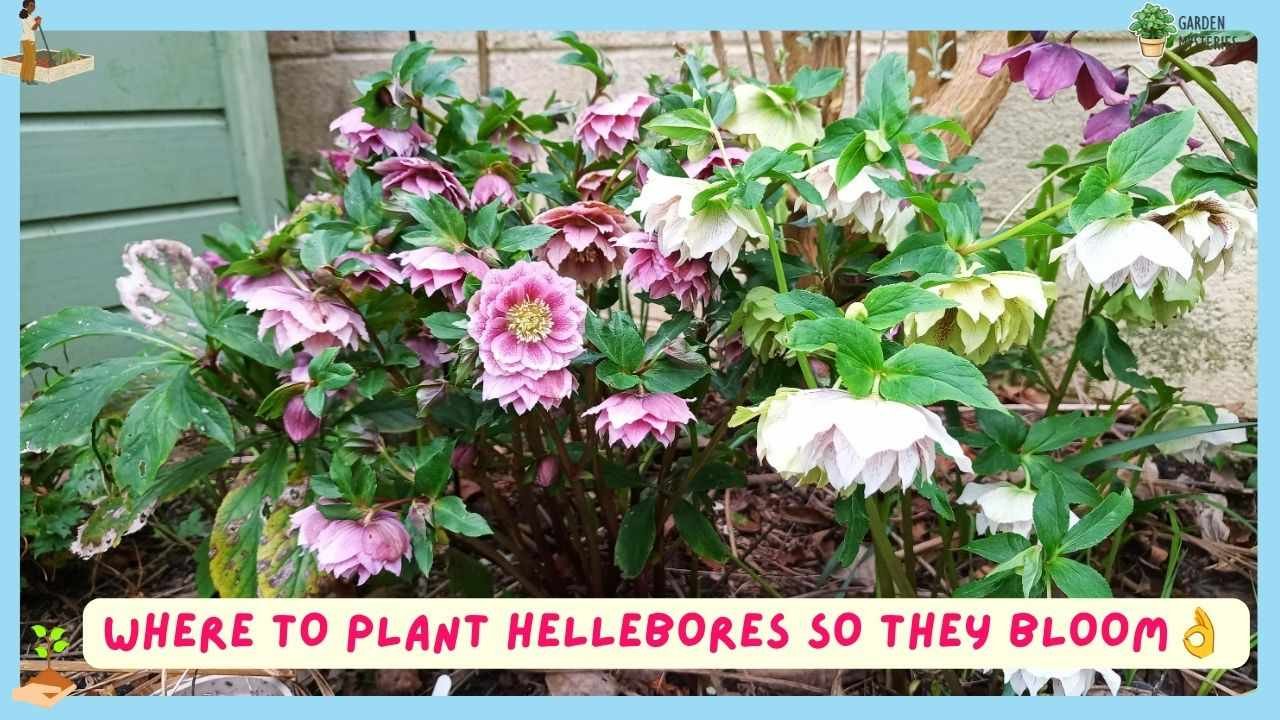
Most gardens go quiet by December, yet hellebores open their flowers in the cold, when nothing else in the garden bothers to bloom. So where to plant hellebores so those blooms return every year?
Put them in partial or dappled shade, ideally under deciduous trees and shrubs. Summer leaves keep the roots cool, and bare branches let winter sun reach the buds. Add rich soil that stays moist but drains freely, and skip soggy ground or scorching afternoon sun.
Have a shady corner where nothing else seems to grow? This guide shows you the exact spots that work, so keep reading before you pick up a spade.
A Note for Our Readers: Some links may be affiliate links. Your purchase may earn Garden Mysteries a small commission at no extra cost to you, helping us grow and share more useful gardening tips, honest reviews, and fresh ideas.
Growing Needs Of Hellebores
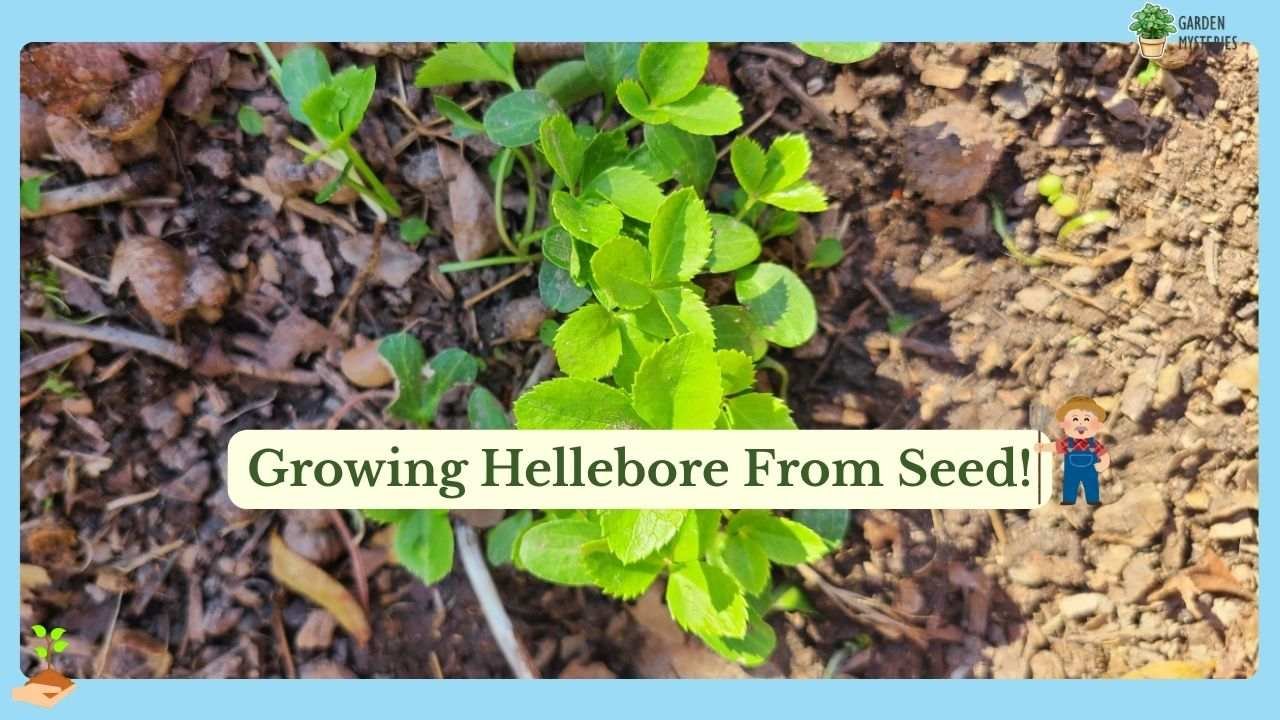
Hellebores ask for very little, but they are particular about the basics. Whether you buy a potted plant or try growing hellebore from seed, which takes a few years to flower, these needs stay the same.
- Dappled Shade: Bright, filtered light under trees keeps the leaves green and the flowers lasting for weeks instead of scorching.
- Rich Soil: Dark, crumbly soil full of compost feeds the roots and gives you bigger, longer-lasting blooms every spring.
- Steady Moisture: Soil that stays damp, never soggy, means no wilting in summer and no rotted roots in winter.
- Cool Roots: A thick layer of mulch keeps the ground cool, so summer heat never stresses the plant.
- Little Disturbance: Established plants dislike being moved, so a spot chosen well once saves you years of fuss.
Where To Plant Hellebores For Healthy Growth And Beautiful Blooms
Hellebores are forgiving once they have the right spot, and the right spot is easier to create than most gardeners expect. These five locations give them cool roots, gentle light, and soil that drains, so the blooms keep coming.
Under Deciduous Trees & Shrubs
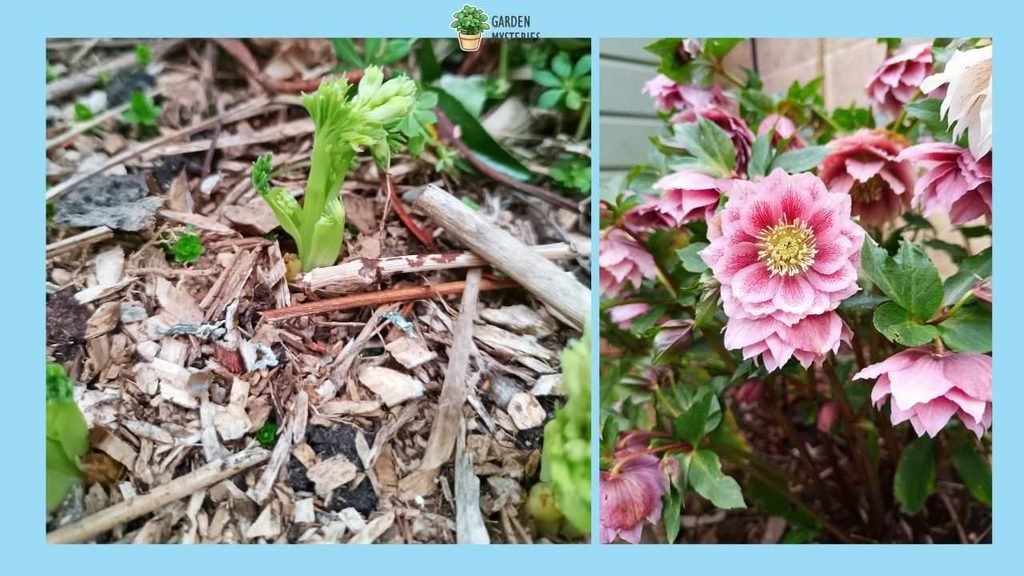
Oak, maple, and hazel drop their leaves in autumn, so hellebores get full winter sun when buds open, then cool shade all summer. It copies the woodland home they evolved in.
Pair them with ferns, snowdrops, and hostas, popular hellebores companion plants that cover the ground in fresh leaves after the flowers fade, so the bed never looks bare.
In Shady Garden Borders & Woodland Gardens
North-facing borders and woodland corners stay cool all year, which suits hellebores perfectly. Plants here need less watering, and the flowers last longer because strong sun never fades the petals.
Plant them in groups of three or five, about 18 inches apart. Within a few seasons, they knit into a carpet of nodding blooms that needs almost no attention from you.
In Partially Shaded Areas With Morning Sun
Morning sun is gentle, and by noon the plant is back in shade. This works well in yards without big trees, such as the east side of a fence or house wall.
- East-Facing Walls: Cool shade by noon
- Fence Lines: Shelter from harsh wind
- Beside Taller Shrubs: Shade after midday
On Slopes & in Raised Garden Beds
Hellebore flowers hang downward, so they hide their faces on flat ground. On a slope or in a raised bed soil mix, you look up into them and see every freckle and petal.

- Feed your raised bed for up to 3 months
- Help feed all fruits, flowers, vegetables and herbs
- Use with Miracle-Gro Raised Bed Soil for an even greater harvest (vs unfed plants)
Both drain fast, which protects roots from rot. If you need the right fertilizer for hellebores or other plants, try Plant Fertilizer Finder; it takes just a few seconds to find the right one.
In Containers on Shaded Patios & Balconies
Pots let you enjoy hellebores on a balcony or doorstep, and you can move them under cover when winter turns harsh. Every two or three years, remove old soil when repotting plants and refill with fresh loam-based compost.
- Deep Pots: Twelve inches or more
- Drainage Holes: No soggy roots
- Shady Spot: Away from afternoon sun
What Planting Locations And Conditions Should You Avoid For Hellebores?
A few bad spots can undo even the best care. Hellebores handle cold, shade, and neglect well, but these five conditions cause weak growth, few flowers, or plants that quietly disappear within a season.
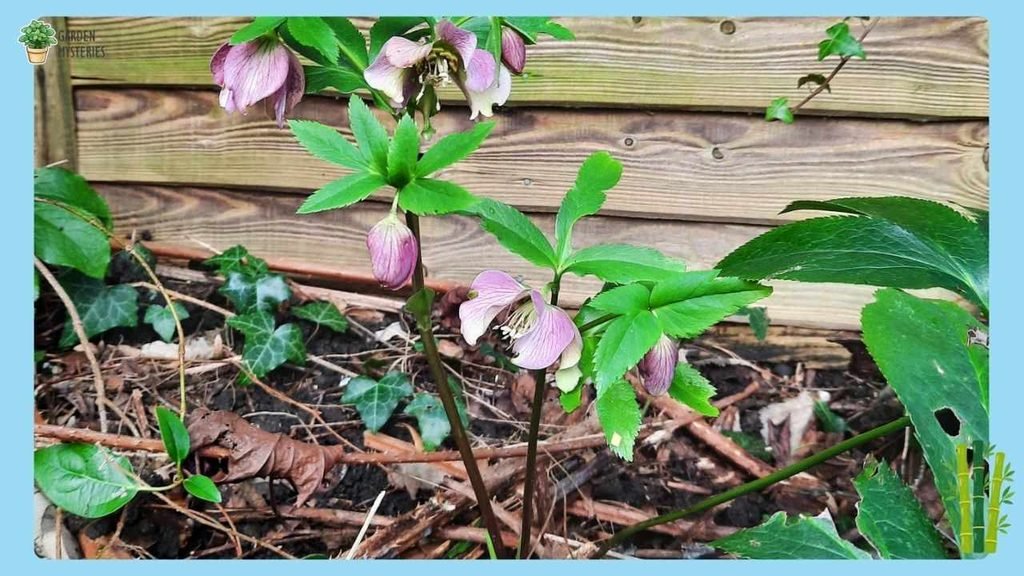
Full, hot afternoon sun
Direct afternoon sun scorches the leaves and turns them brown and crispy by midsummer. Roots dry out fast, so flowers fade early. Two exceptions, Helleborus argutifolius and Helleborus × sternii, tolerate more sun, but only when their roots stay cool and damp.
Waterlogged and soggy ground
Skip low corners where puddles form after rain, and heavy clay that never drains. Roots sitting in wet mud cannot breathe and rot within weeks, which is the fastest way to lose a hellebore.

Dry, compacted soil
Hard-packed dirt stops roots from spreading, so growth stalls and flowers stay small. Gardeners who plant directly in topsoil without loosening it or adding compost often see this. Dig the hole twice as wide and mix in leaf mold first.

- Pre-Mixed & Ready To Use: DUSPRO Recycle indoor potting soil for house plants is meticulously crafted for convenience. O…
- Balanced Drainage & Root Airflow: Our indoor potting mix features a balanced soil texture for indoor plants, enhancing a…
- Balanced 7-Ingredient Blend: Enriched with essential nutrients, our potting soil for indoor plants supports routine care…
Climates outside their range
Check your hellebores’ zone (USDA Zones 3 through 9) before you buy. Anything colder than Zone 3 freezes the roots, and anything hotter than Zone 9 bakes the plant through summer. In borderline areas, grow them in pots so you can move them to shelter.
Dark, deep shade
Dark corners under dense evergreens or beside a wall that never sees daylight leave hellebores stretched and floppy, with few flowers. They need some winter light to build buds. Helleborus foetidus is the one exception, since it handles deeper shade well.
How To Prepare The Soil Before Planting Hellebores
Good soil does half the work for you. A little prep before planting means stronger roots, bigger flowers, and far less fuss later, and it takes about an hour per bed. Follow these five steps.
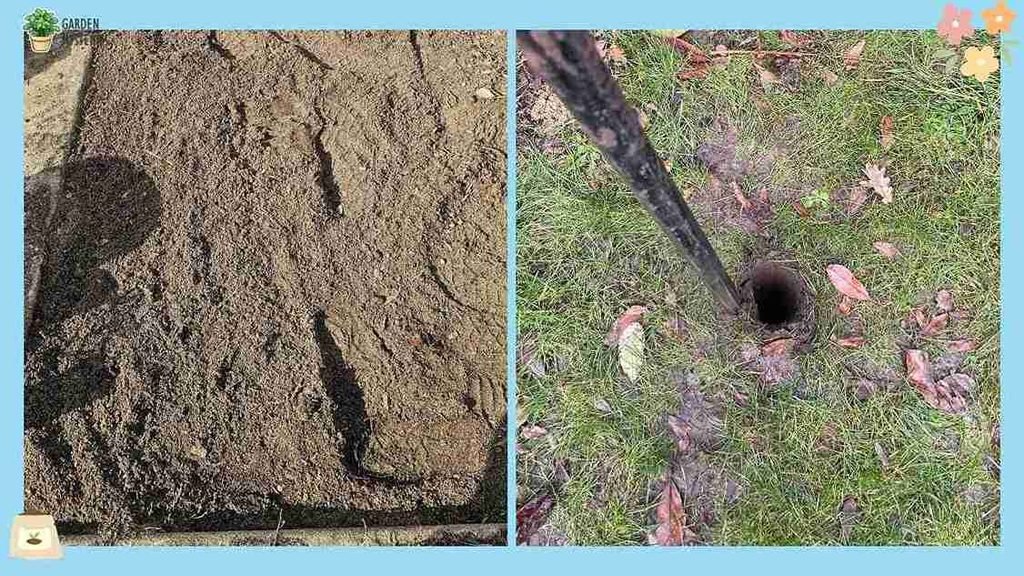
Loosen the ground
Dig the planting area about 12 inches deep and break up any lumps. Loose soil lets roots spread quickly, so the plant settles in and starts blooming sooner than it would in packed dirt.
Add organic matter
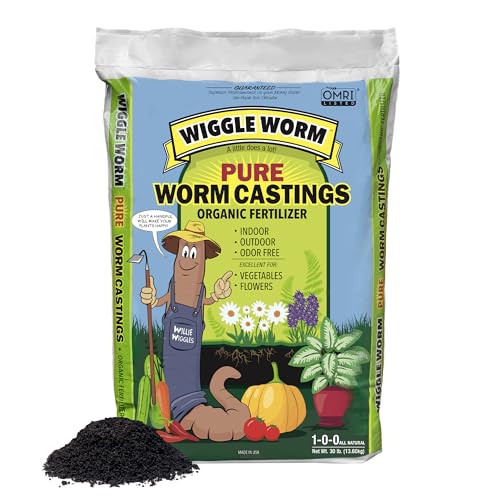
Mix in compost, well-rotted manure, or leaf mold, using a ready-made blend like Black Cow Garden Soil if you have none at home. The rich mix feeds roots slowly and holds moisture without turning soggy.


Test the drainage
Fill the planting hole with water and watch it sink. If the water is still sitting there after a few hours, mix in coarse grit or sand, or switch to a raised bed.
Check soil acidity
Most hellebores like neutral to slightly alkaline soil. If your soil is acidic, sprinkle a little garden lime over it and mix it in before planting. A cheap test kit from a garden store shows where you stand and where to plant hellebores.

- Comprehensive Soil Analysis: Liquid soil test kits offer a comprehensive analysis of essential soil parameters, includin…
- Customized Fertilizer Recommendations: With data on pH and nutrient levels, liquid soil test kits help users apply the r…
- Time and Cost-Effective: Liquid soil test kits are relatively quick and easy to use, saving time for gardeners and agric…
Plant at the right depth
Set the plant so the top of the root ball sits level with the soil surface. Too deep a hole invites rot, so firm the soil gently and water well afterward.
How To Care For Hellebores After Planting
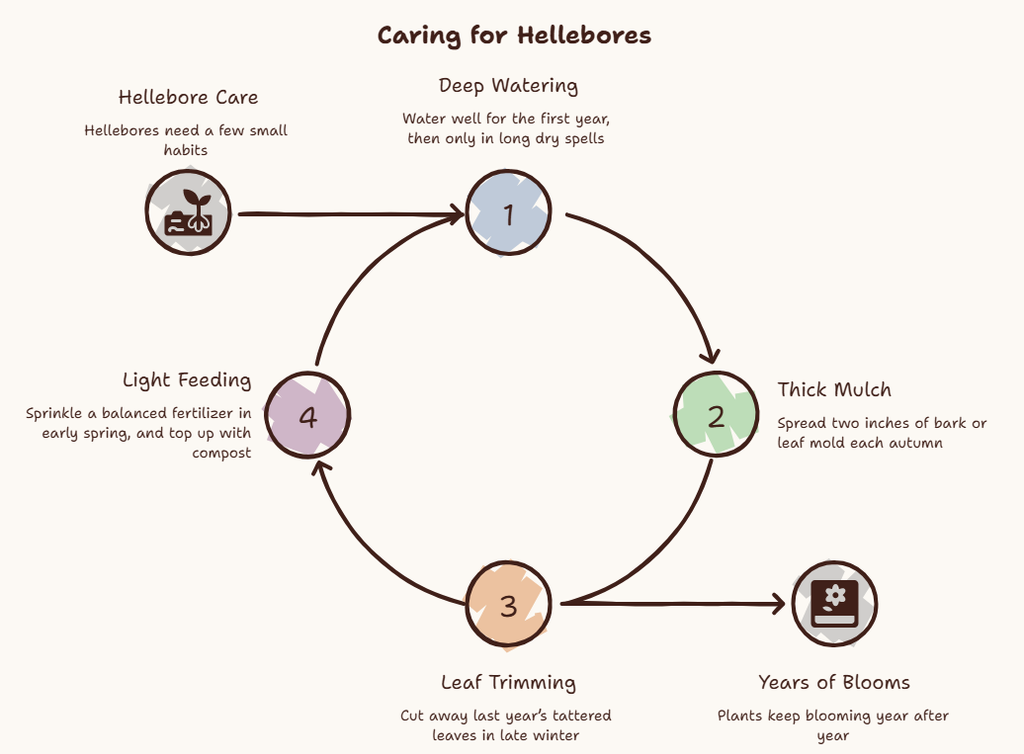
Hellebores take care of themselves once settled, so a few small habits are all they need. These keep the plants flowering for many years with almost no effort from you. Here is what to do through the year.
- Deep Watering: Water well for the first year, then only in long dry spells; the soil should feel damp, not wet.
- Thick Mulch: Spread two inches of bark or leaf mold each autumn to keep roots cool and weeds from taking over.
- Leaf Trimming: Cut away last year’s tattered leaves in late winter so new flowers show clearly, and disease has nowhere to hide.
- Light Feeding: Sprinkle a balanced fertilizer in early spring, and top up with compost, so plants keep blooming year after year.
End Note
Hellebores reward gardeners who put them in the right place: cool roots, filtered light, and soil that drains. Get those three right and the plant flowers every year while the rest of the garden is still asleep.
Walk your yard this weekend and look for the spot under a tree, along a shaded border, or beside an east-facing wall. Mark it, prep the soil, and plant. Next winter, you will have blooms to look forward to.
Our tool on fertilizer picks:
Free Tool – Garden Mysteries
Find the Right Fertilizer for Your Indoor Plants
Select your plant and get a personalized fertilizer recommendation – no guesswork needed.
Try the Fertilizer Finder →Disclosure: Some links may earn Garden Mysteries a small commission at no extra cost to you, helping us share more honest reviews and practical gardening advice.