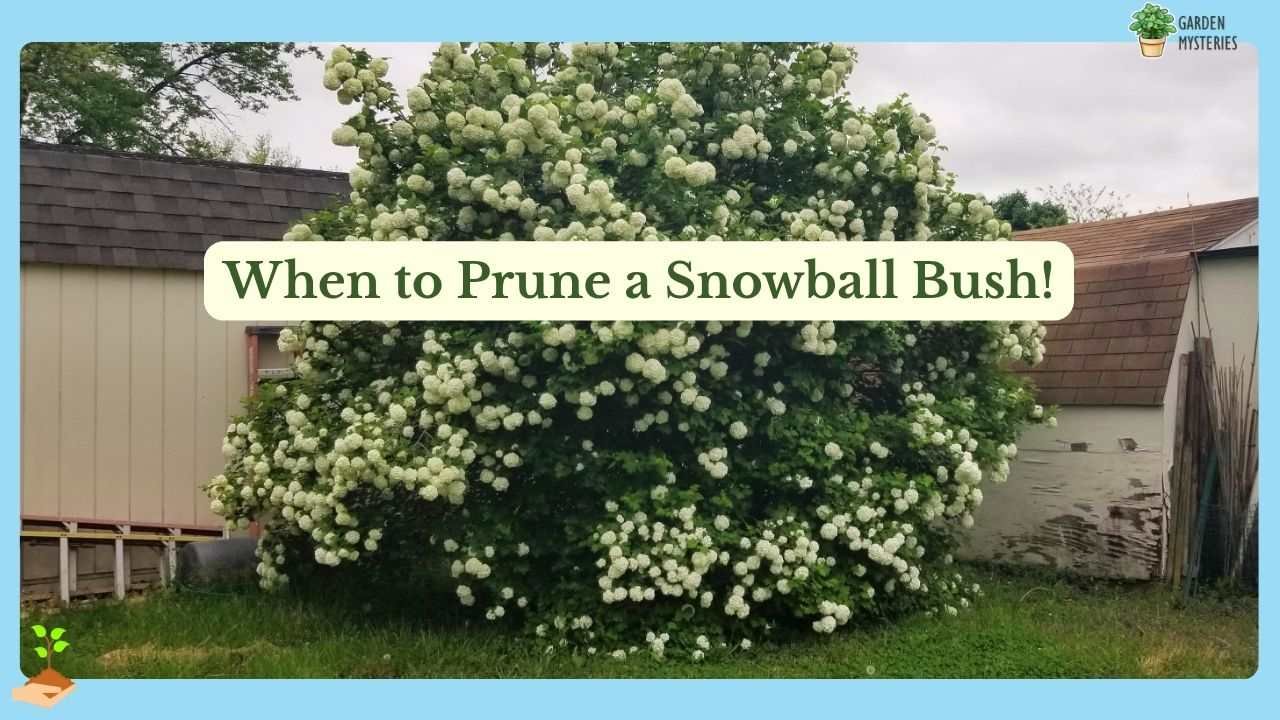
Here is when to prune snowball bush plants: right after the white flower balls finish and turn brown, usually between April and June. Cut them, and next spring’s full, round, fluffy blooms stay safe on every single branch.
Wait too long, and you trim off the buds that form soon after the flowers drop. Prune in fall, winter, or early spring, and you get a leafy bush with few or no blooms the next year.
Got a snowball bush that needs a trim? Read on, and you’ll learn when to prune snowball bush, the right month, the right cuts, and how to keep every bloom.
Viburnum or Hydrangea: Know Your Snowball Bush First
Two very different plants go by the name snowball bush, and mixing them up is how people lose a season of flowers. Check which one you own, using the clues below, before the shears come out.
- European Snowball Viburnum: Maple-like leaves and blooms that open lime green, then turn white in spring. Prune right after flowering.
- Chinese Snowball Viburnum: Oval leaves, often staying green in mild winters, with giant white blooms in spring. Trim once blooms fade.
- Smooth Hydrangea: Heart-shaped leaves and white blooms from early summer. Flowers on fresh growth, so prune in late winter instead.
- Quick Check: Spring flowers mean viburnum. Summer flowers on heart-shaped leaves mean hydrangea. Unsure? Show a photo to a nursery.
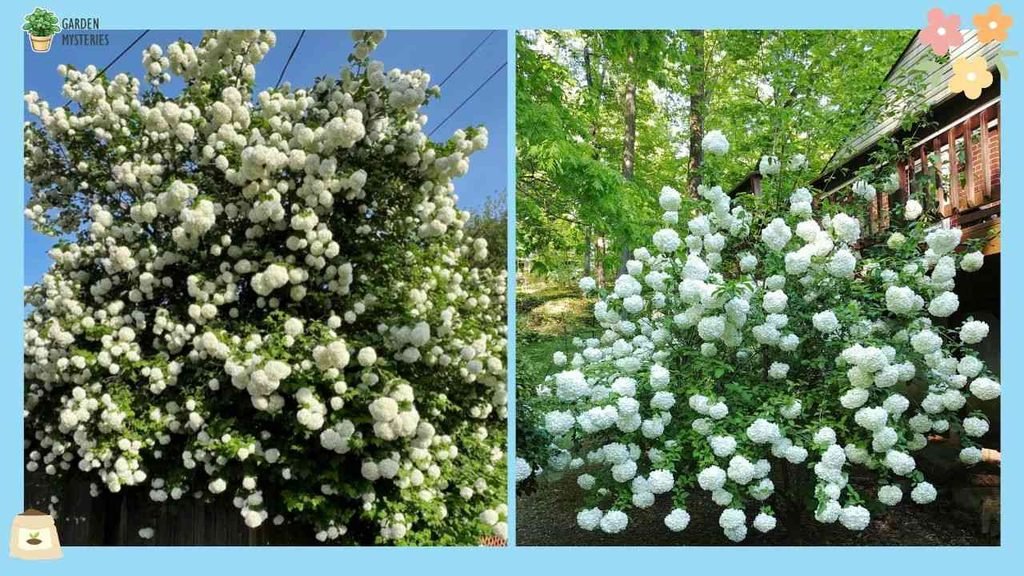
Good news: once you know your plant, the care is simple. Pair the right pruning month with a flower fertilizer homemade from compost and banana peels, and both types reward you with fuller, heavier blooms each year.
When Is the Best Time to Prune a Snowball Bush?
The best time to prune a snowball bush is within a few weeks after the last flowers turn brown, between late spring and early summer. Done then, you lose nothing and keep every bud for next year’s full, fluffy show.
Right After the Blooms Fade
Snowball bushes start forming next year’s flower buds soon after this year’s blooms drop. That short window is your green light, so grab the shears while the petals are browning, not months later.
Afterward, feed the bush with a liquid fertilizer or granular fertilizer, so it recovers fast and grows healthy leaves. The whole job takes one afternoon, and your shrub looks tidy by dinner.
Timing by Climate and Region
In warm areas, snowball bushes bloom early, so pruning can begin in April. In cooler regions, flowers open in May or June, and your window moves to late June or early July.
Skip the calendar when in doubt and follow the flowers. A cold snap or hot spell can shift bloom time by weeks, so the bush’s schedule beats the date on your phone.
Signs the Flowering Is Truly Finished
Look for flower balls that have turned from white to papery brown and shed petals at a touch. A few late blooms hiding inside mean the bush isn’t finished, so wait for those too.
Fresh green leaves pushing out around the spent flowers are another good signal. Quick test: if more than a handful of fresh blooms remain, hold off one more week and check again.
Seasons to Avoid Pruning
Fall, winter, and early spring are the times to keep your shears in the shed. Cutting then removes buds already tucked away for spring, leaving a healthy bush with no flowers.
Smooth hydrangea is the one exception to this rule, since it blooms on fresh growth and prefers a late winter trim. If your bush has heart-shaped leaves and blooms in summer, flip the calendar.
Do Snowball Bushes Need Full Sun?
Snowball bushes bloom best in full sun, which means about six hours of direct light a day. More light gives you more flower balls, and a sunny spot keeps the branches sturdy instead of floppy.
They also handle partial shade well. In a spot with morning sun and afternoon shade, you get fewer blooms, but the leaves stay fresh and green.
In hot regions, afternoon shade is a bonus. It stops the leaves from scorching and keeps the white blooms from browning early.
Why Does Pruning at the Wrong Time Cost You Blooms?
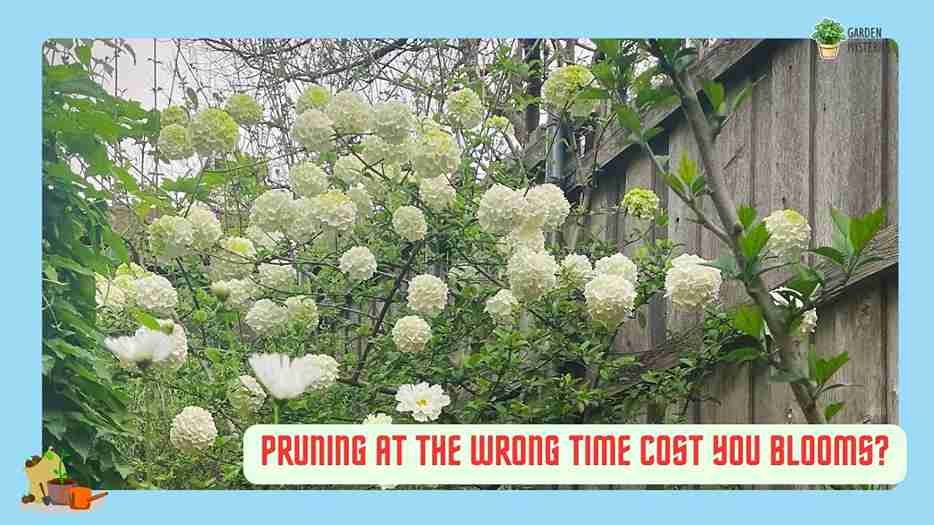
A snowball bush plans ahead. Within weeks of dropping its flowers, it tucks away next year’s buds on the branches. Cut those branches at the wrong moment and the show is gone for a year.
Next Year’s Buds Are Already Waiting
Buds for next spring form by mid-summer, sitting right at the tips of this year’s stems. A fall trim chops off those tips, and every bud on them goes into the compost pile. Think of it like picking tomorrow’s flowers before they open.
A Leafy Bush With No Flowers
The good news is the bush itself stays healthy. It grows green, full leaves all summer, but the white flower balls simply never show up. Your neighbor’s shrub blooms while yours looks plain, and that’s the only damage, lasting just one season.
Stress That Invites Trouble
Big cuts in late fall leave open wounds just as cold weather arrives. Fresh tips can freeze, and trimmed stems have little time to heal, which leaves the shrub weaker going into winter. Cutting in early summer gives wounds months to close.
Why Weak Soil Makes It Worse
After a badly timed cut, the bush leans on its roots to recover. Heavy, soggy ground holds it back, so mix Pearl Lite soil into the planting area to loosen the dirt and help water drain. Better drainage means roots breathe and recover faster.
How Fast Blooms Come Back
Expect one quiet spring, then a full return the spring after. In between, let the bush grow all summer freely, since that’s when it sets fresh buds, and skip heavy trimming until its next flowers fade. A little patience gets you bigger blooms.
How Do You Prune a Snowball Bush Step by Step?
You need one free afternoon and just a handful of simple cuts. Follow these steps in order, and your bush ends up tidier, lighter, and ready to bloom bigger next spring, with no lost flowers.
Gather Clean, Sharp Tools
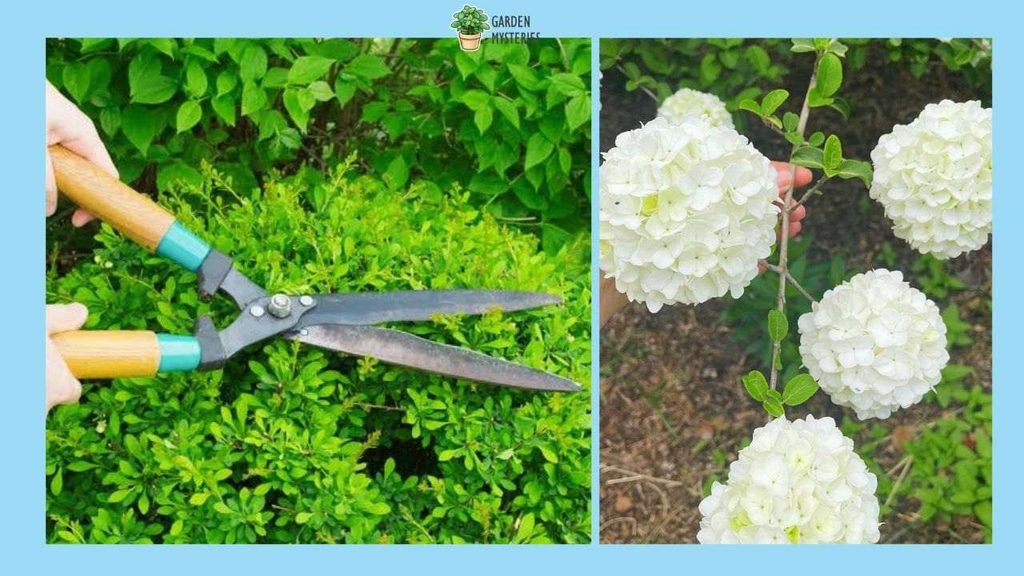
Sharp blades make clean cuts that heal fast. Wipe them with rubbing alcohol first so no germs hop from plant to plant.
- Hand Pruners: stems up to finger width
- Loppers: branches thicker than a finger
- Pruning Saw: old, very thick branches
- Gloves: scratch-free hands
Cut Dead and Damaged Branches First
Start with the easy wins: dry, gray, or broken branches. Follow each one back to the green, living part, or all the way to the base, and cut just above a leaf bud. Dead wood also hides pests and disease. The bush instantly looks cleaner.
Remove Crossing Stems and Thin the Center
Branches that rub against each other leave scratches where disease can sneak in. Pick the weaker of the two and cut it out. Then thin the center by removing a few stems, so sunlight and air reach every leaf and the bush dries quickly after rain.
Follow the One-Third Rule
Never remove more than a third of the bush in one year. Here is the safe range:
- Light Tidy: snip faded flowers and stray tips
- Moderate Shaping: shorten the tallest stems by a few inches
- Upper Limit: stop at one-third of the whole bush
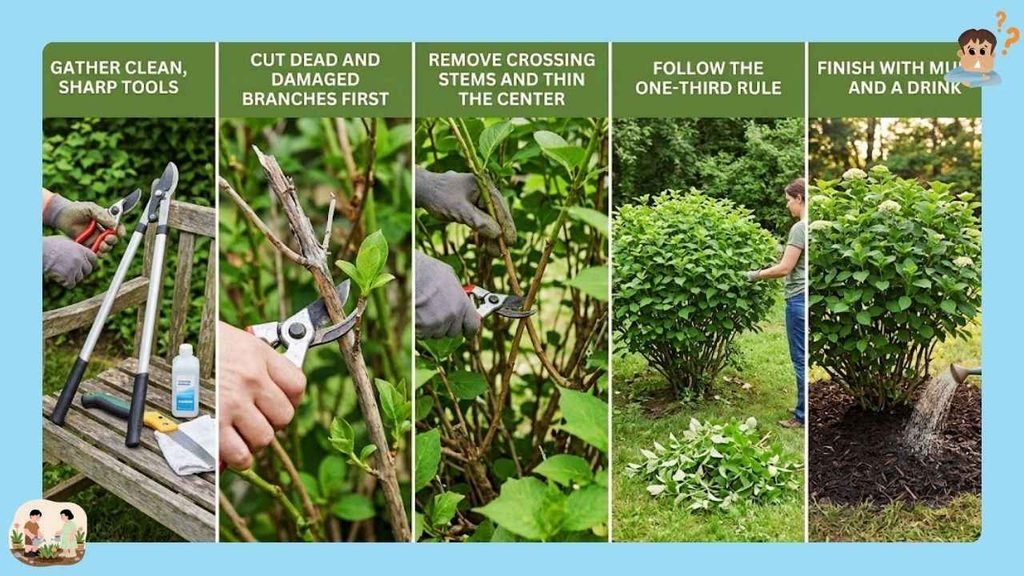
Finish With Mulch and a Drink
Water deeply after pruning, then spread a two-inch layer of natural organic mulch around the base, keeping it a few inches from the stems. The mulch holds moisture, blocks weeds, and feeds the soil as it breaks down.
Rescuing an Overgrown or Leggy Snowball Bush
An overgrown snowball bush doesn’t need a dramatic haircut. A hard cut to the ground can cost you two springs of flowers, so spread the work across three years and keep some blooms every season. Leggy stems, bare at the bottom with blooms far overhead, respond well to this slow approach.
Right after flowering each year, cut the oldest, thickest stems down near the ground. New shoots will sprout from the base and fill in the gaps. Feed the bush afterward with a scoop of Purple Cow Compost around the roots to speed up fresh growth.
| Year | What to Cut | What You Get |
| Year 1 | Remove up to one-third of the oldest, thickest stems at ground level | Fresh shoots at the base, plus blooms from the stems you left |
| Year 2 | Remove another third of the old stems and shorten the tallest tips slightly | A fuller, lower bush with flowers at eye level |
| Year 3 | Take out the last of the old stems and tidy the shape | A compact bush full of blooms you can reach |
By year three, you have a compact, well-shaped bush that kept flowering the whole way. If height is your main worry, shorten the tallest stems by a few inches each year right after the blooms fade.
What Is the Difference Between a Snowball Bush and a Hydrangea?
A snowball bush is usually a viburnum, a spring bloomer, while the hydrangea sold under the same nickname flowers in summer. The two look alike from afar, but the pruning month is different.
- Bloom Time: Viburnum flowers in April to June. Hydrangea flowers from June to September.
- Leaves: Viburnum leaves are lobed like maple leaves or oval and glossy. Hydrangea leaves are heart-shaped and toothed.
- Flower Color: Viburnum blooms open lime green and turn white. Hydrangea blooms start green or white, then fade to cream.
- Pruning Time: Viburnum needs a trim right after flowering. Hydrangea needs one in late winter.
Match your leaves and bloom month to the list, and you will know which pruning calendar to follow, no guessing.
End Note
The rule is simple: prune right after the flowers fade, and every bud waiting for next spring stays put. Prune in fall, winter, or early spring, and you trade a whole season of big, fluffy blooms for nothing.
Before you pick up the shears this season, double-check whether you own a viburnum or a smooth hydrangea. Then mark your calendar for the week the petals turn brown, and let next spring’s big blooms do the bragging for you. Happy pruning!