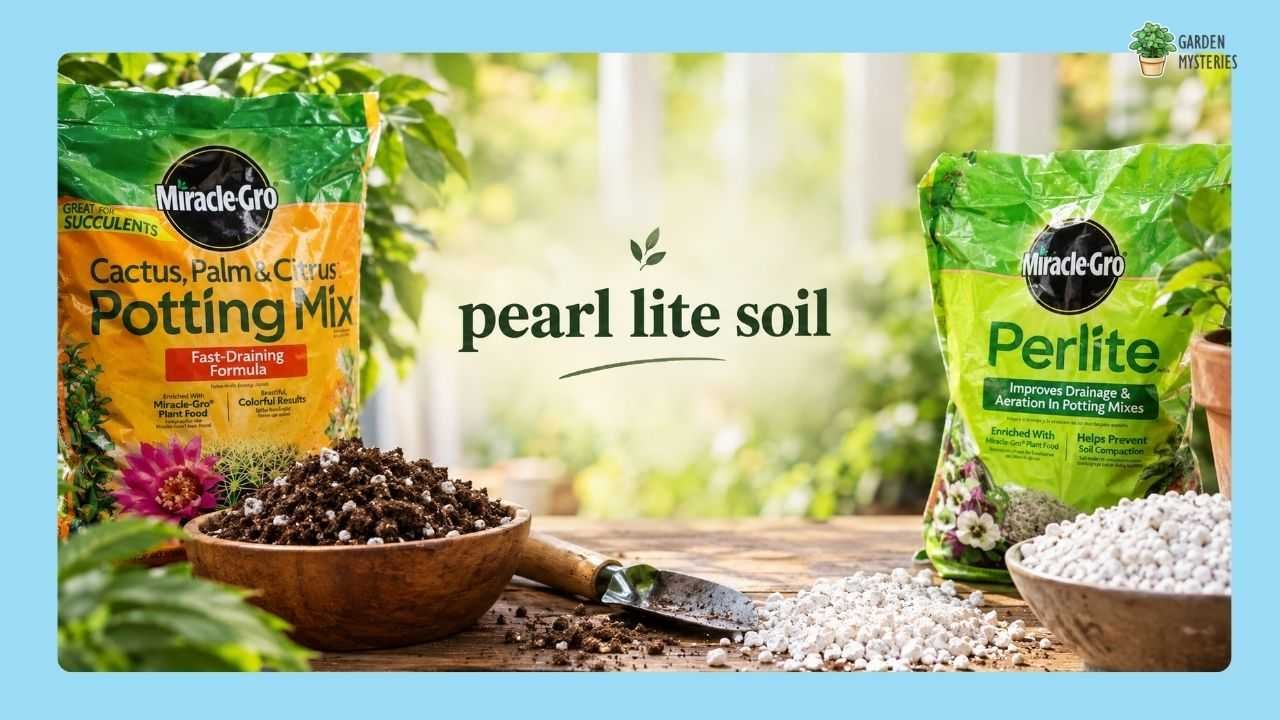
Pearl lite soil usually means potting soil or a plant mix containing perlite, a lightweight expanded volcanic glass used to improve aeration and drainage. Perlite itself is not complete soil, so it works as one part of a wider growing mix.
The spelling can be confusing because searches for “pearl lite soil” mainly lead to information about perlite. I used 100% Organic Perlite in my balcony garden during May and June. Since then, my plants have been blooming, and I have also harvested lemons.
I cannot say perlite alone caused those results because light, watering, feeding, plant health, and the rest of the soil mix matter too. In this guide, I’ll explain what perlite does, where it fits, and what I learned from using it myself.
Key Takeaways: Pearl Lite Soil
The main facts about pearl lite soil become easier to understand once perlite is separated from the soil itself.
- Perlite is a lightweight mineral amendment, not a complete potting soil.
- It can increase air space and improve drainage within growing mixes.
- Different plants may need different amounts of perlite in soil.
- Perlite does not replace nutrients supplied by compost or fertilizers.
- I used Back to the Roots perlite during May and June.
- My balcony plants are blooming, and I harvested lemons too.
Disclaimer: This post may contain Amazon affiliate links, which may earn us a commission. Ads may also appear through Google AdSense. These do not affect our editorial opinions.
What Is Pearl Lite Soil and What Is It Made Of?
Pearl lite soil is generally soil or potting mix containing perlite, rather than a separate type of soil. Perlite is a naturally occurring volcanic glass that expands when heated, producing the lightweight, porous particles used by gardeners.
Those familiar white pieces are useful because their structure creates spaces within a growing medium. This can give roots better access to air while allowing excess water to move through the mix.
It is worth clearing up another point here. Perlite is an amendment, not a replacement for every other ingredient in potting soil. A container mix still needs suitable moisture retention, physical support, and nutrients for the plant being grown.
Perlite also comes in different particle sizes. Coarser particles generally create more air space, while finer grades can hold more moisture. Because of that, two perlite products may not behave exactly the same way in a particular pot.
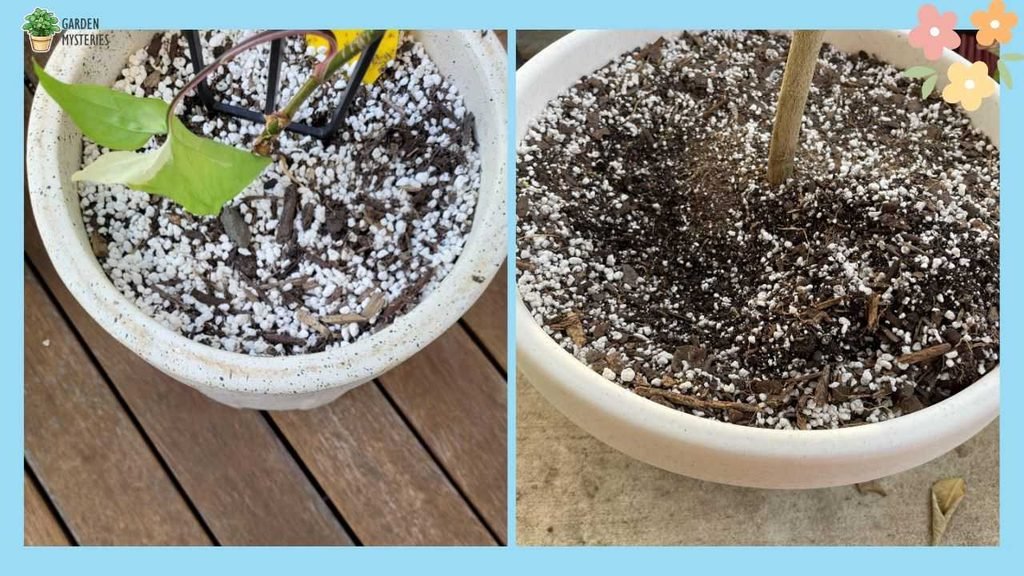
That is one reason I would avoid treating every pearl lite soil recipe as a fixed formula. The existing mix, container, watering routine, and plant all matter.
What Does Perlite Do for Plants?
Perlite mainly changes the physical structure of a growing mix by increasing air space and helping excess water move through it. It does not act like a conventional fertilizer.
When a dense potting mix becomes compacted, there may be fewer useful spaces for air and water around the roots. Adding a suitable amount of perlite can make the medium more open and less dense.
Perlite can also retain some moisture within its porous structure. The amount depends partly on particle size and the other ingredients in the mix. So, describing perlite as something that simply “dries everything out” would be too simplistic.
Another important point is nutrition. Perlite is not a substitute for compost, fertilizer, or a nutrient-containing potting mix. I see it more as a material that changes the physical side of the growing medium.
That distinction helped me understand why a plant can benefit from a better-structured mix without receiving any nutrition from the perlite itself.
If you are considering a perlite and vermiculite mix, remember that the two materials can serve different purposes. Perlite is commonly used for aeration and drainage, while vermiculite is generally associated more strongly with moisture retention.
How Much Perlite Should You Add to Potting Soil?
There is no single perlite ratio that works for every plant or every potting mix. The amount should depend on the existing ingredients, the plant’s moisture needs, and the result you want from the mix.
The Perlite Institute lists potting-mix usage rates ranging from about 5% to 40% by volume. That broad range is useful because it shows why claims about one perfect recipe can be misleading.
For a general container mix, I would start conservatively rather than immediately adding a large amount. You can then observe how quickly the mix drains and how long it remains moist after watering.
For plants that need a more open mix, a higher proportion may be appropriate. Plants that prefer steadier moisture may need a different balance.
A Simple Way to Judge Your Mix
Before changing an entire batch, mix a small amount first and observe what happens after watering. Look at how quickly water passes through and how the mix feels after it drains.
You can also compare the amended mix with your original potting soil. A small trial can tell you more about your particular materials than blindly following a recipe.
If you are preparing pearl lite soil for a specific plant, check the plant’s normal moisture requirements first. Perlite should help you adjust the growing medium rather than dictate the entire recipe.
When Should You Use Perlite in a Planting Mix?
Perlite can be useful when a growing medium needs more air space, better drainage, or a lighter physical structure. It is commonly used in potting mixes, seed-starting media, propagation, and container gardening.
One situation where I would consider it useful is when an existing mix feels dense and remains wet longer than expected. However, the problem may also come from the container, drainage holes, watering habits, or the ingredients already present.
Perlite can also be used for propagation. Some growers use it alone or combine it with other materials when rooting cuttings. The exact approach depends on the plant and propagation method.
It is also important to distinguish compost from potting media. Compost vs Potting Soil is not simply a choice between two interchangeable products. They have different roles, and perlite does not replace either one.
The same applies when deciding between Compost or Manure. Perlite mainly changes the physical structure of the growing medium, while organic materials can contribute organic matter and nutrients.
A perlite and vermiculite mix can also be useful when you want to combine different physical properties. The right balance still depends on the plants and the rest of the growing medium.
Perlite or Vermiculite: Which One Fits Your Soil Mix?
Perlite or vermiculite depends mainly on whether your mix needs more aeration and drainage or greater moisture retention. Both are useful growing-media components, but they do not behave in exactly the same way.
Perlite is lightweight and porous. It is commonly added when growers want more air space and drainage within a mix.
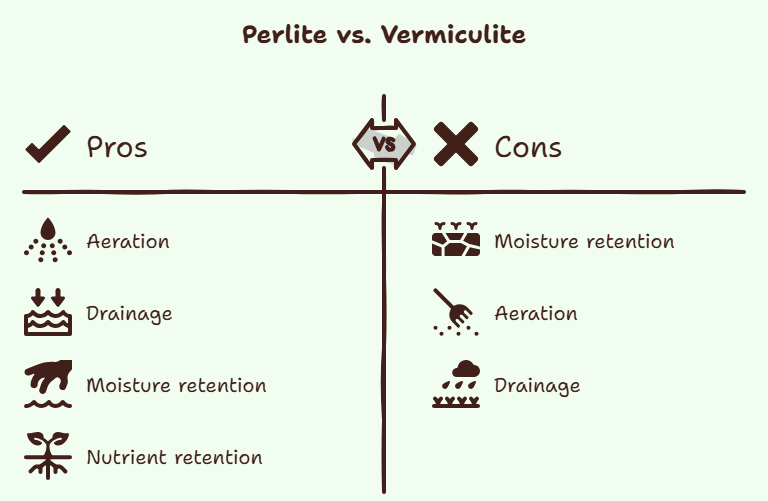
Vermiculite also has a porous structure, but it has stronger moisture-retention characteristics. It can therefore make sense when keeping moisture available is a bigger concern.
| Feature | Perlite | Vermiculite |
| Main role | Aeration and drainage | Moisture retention |
| Water holding | Some | Higher |
| Typical use | Potting and propagation mixes | Seed-starting and moisture-retaining mixes |
| Structure | Lightweight and porous | Lightweight and moisture-retentive |
This is why perlite vs vermiculite should not really be treated as a competition. The useful choice depends on what the growing medium is missing.
I have used a vermiculite from Ferry-Morse 8QT, it was a nice experience overall. I used it in small amounts for my seedlings, then on indoor money plants.
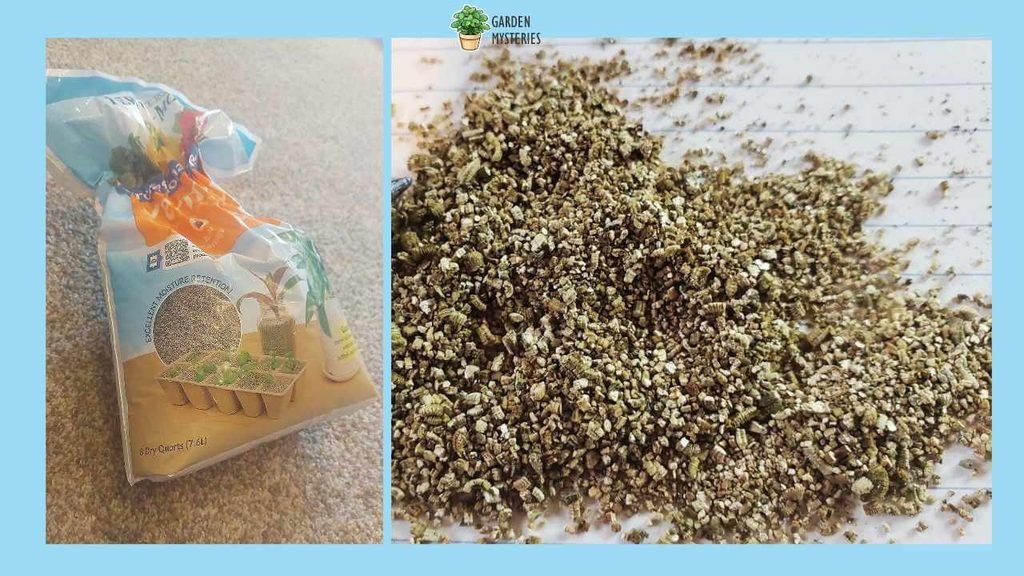
In some situations, gardeners use both materials. The choice between perlite or vermiculite may come down to whether you are trying to create more air space or retain more moisture.
When comparing perlite and vermiculite, I would also look at the complete recipe rather than judging either material by itself.
Can You Mix Perlite With Compost, Garden Soil, or Raised Bed Mixes?
Yes, perlite can be combined with other growing-media ingredients, but it should be viewed as a structural amendment rather than the main source of plant nutrition.
For example, compost can contribute organic matter while perlite creates additional pore space. Potting mixes may also combine materials such as peat or coconut coir with perlite and other amendments.
Garden soil is a different matter in containers. Field soil can be heavy and may not provide the balance of drainage and pore space that container plants need.
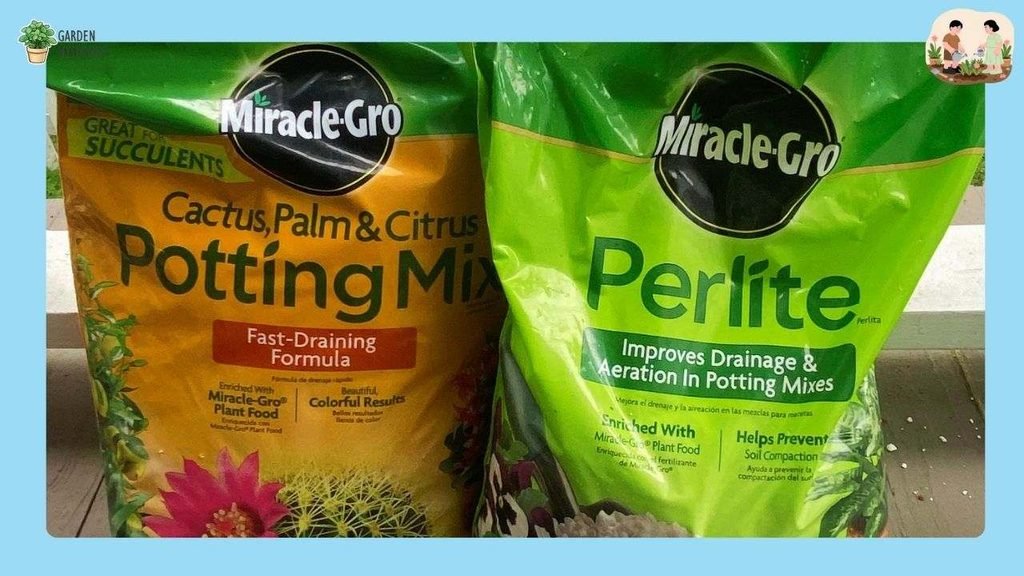
For raised beds, the same principle applies. A Raised Bed Soil Mix needs to provide the overall physical and nutritional environment plants require. Perlite may have a role, but it should not be treated as the entire growing medium.
I would also avoid adding perlite simply because a gardening recipe includes it. If the existing mix already drains well and has a suitable structure, adding more may not provide a meaningful improvement.
For my own balcony garden, the wider growing conditions matter too. The perlite was only one part of the mix, alongside the other ingredients, watering, sunlight, feeding, and normal plant care.
Common Mistakes When Using Perlite in Soil
The biggest mistake is assuming that more perlite automatically means a better growing medium. Perlite changes the physical structure, so adding a large amount can also change how quickly the mix loses moisture.
Another mistake is ignoring particle size. Coarse perlite generally creates more air space, while finer material can retain relatively more moisture. The product you buy therefore matters.
It is also easy to forget that perlite does not provide the complete nutrition a plant needs. The rest of the growing medium still matters.
Dry perlite can create airborne particles when handled, so I prefer to work carefully and avoid unnecessary dust. A little care during mixing makes the process more comfortable.
What Pearl Lite Soil I Used in My Own Balcony Garden
I used Back to the Roots 100% Organic Perlite, batch 810667035327, during May and June in my balcony garden. This is the specific product I actually used, rather than a product I am describing only from its packaging.
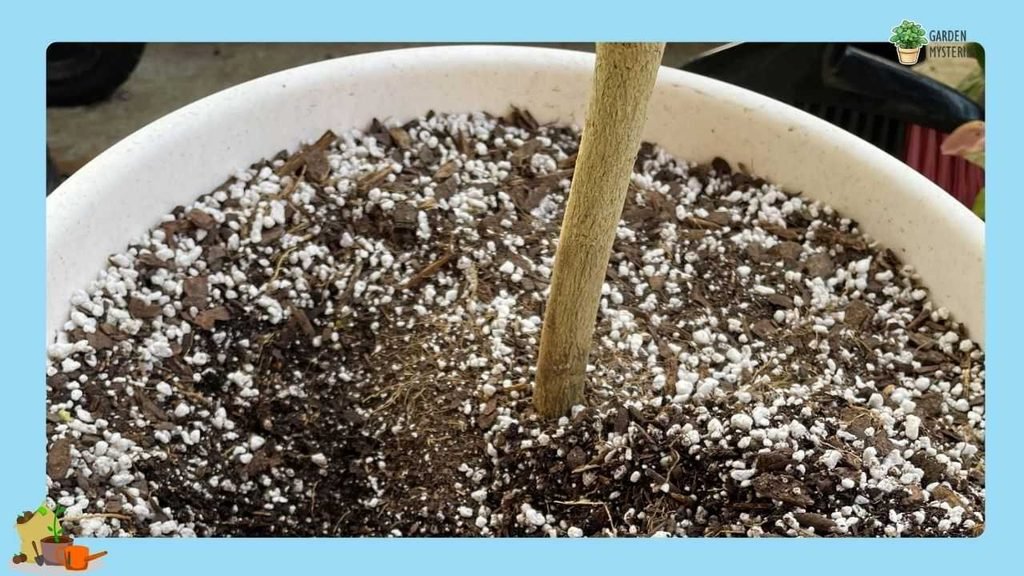
Since using it, the plants in my balcony garden have been blooming, and I also harvested lemons. Those are genuine observations from my garden, but I would not attribute those results to perlite alone.
Plant growth depends on several factors, including sunlight, watering, nutrition, the plant’s condition, temperature, and the rest of the growing medium. I did not run a controlled experiment separating perlite from all those other factors.
For that reason, I see my experience as useful firsthand information, not a product performance guarantee. If I wanted to compare the effect properly, I would grow similar plants under similar conditions with and without perlite and record the results over time.
FAQs: Pearl Lite Soil
Pearl lite soil is generally a search term referring to soil or a growing mix containing perlite. The material itself is correctly called perlite. It is a lightweight expanded volcanic glass used as a growing-medium amendment.
Perlite mainly helps increase air space and improve drainage within a growing medium. It can also retain some moisture, depending on its particle size and the other ingredients surrounding it.
There is no universal amount. The Perlite Institute gives a broad 5% to 40% range for potting mixes, while the useful starting point depends on your plant and existing growing medium.
The choice depends on what you want to change in the growing medium. Perlite is generally associated with aeration and drainage, while vermiculite has stronger moisture-retention properties.
Yes. Perlite and compost can perform different jobs in the same growing medium. Perlite changes physical structure, while compost contributes organic matter and can provide nutrients.
Conclusion
Pearl lite soil is better understood as a growing mix that contains perlite rather than a special kind of soil. Perlite is mainly useful for changing the physical conditions around plant roots by increasing pore space, aeration, and drainage.
I used Back to the Roots 100% Organic Perlite in my balcony garden during May and June. The plants have been blooming, and I also harvested lemons, but I would not claim that perlite alone produced those results.
For me, the most useful approach is to look at the growing mix as a whole. If it feels dense or holds more moisture than your plants need, perlite may be worth testing in a small batch first. Then observe how the mix behaves before changing everything.
Note: Plant growth can vary by species and conditions. Always adjust water, light, and care based on your plant’s specific needs.
Our Other Works: