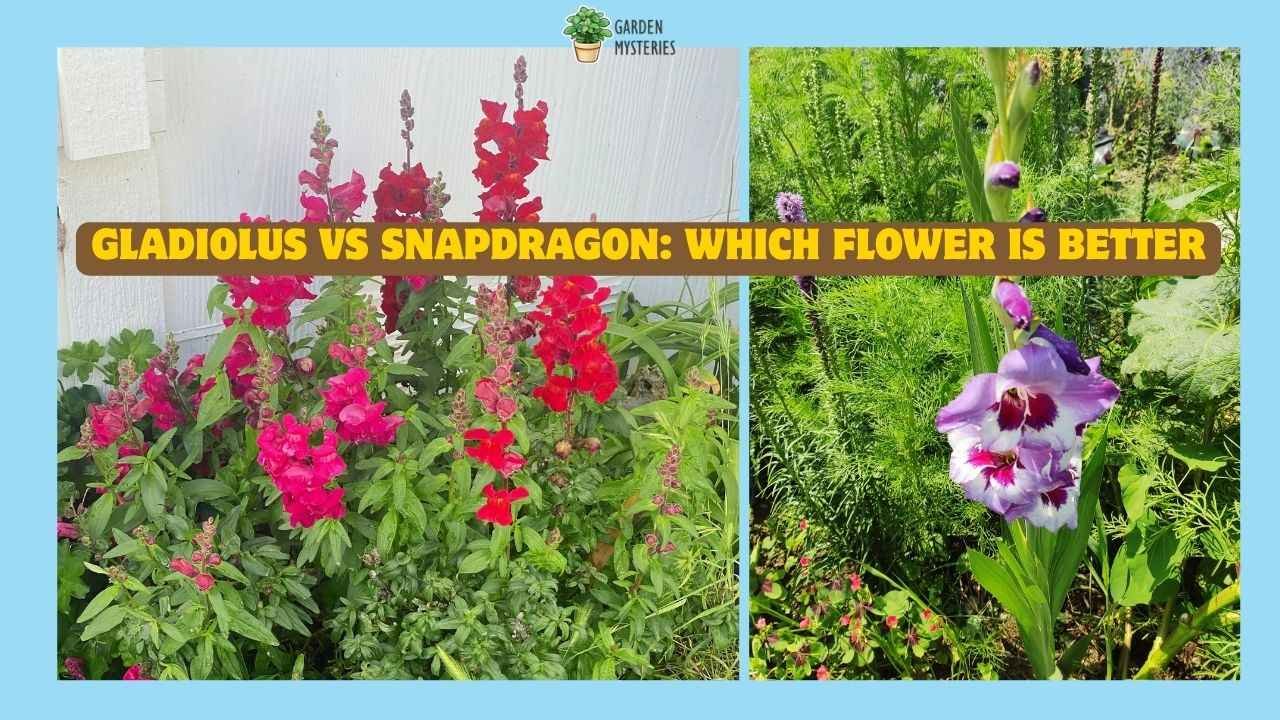
Gladiolus and snapdragons are both tall, colorful flowers, but gladiolus vs snapdragon comes down to their growing habits, bloom shapes, and seasonal needs. Well, gladiolus produces large, trumpet-shaped flowers on upright spikes, while snapdragons carry smaller, dragon-shaped blooms along their stems.
Gladiolus grows from underground corms and usually flowers in warm weather. Snapdragons grow from seeds or young plants and prefer cooler conditions. Both can brighten garden beds and bouquets, but your climate and available space will influence which performs better.
Want beautiful blooms without unnecessary gardening struggles? Read on to compare their growth, care, and best uses before choosing your flowers.
Note: This article may contain affiliate links. We may earn a commission from qualifying purchases at no extra cost to you. Opinions reflect our research and personal gardening experience.
Gladiolus vs Snapdragon: Key Differences at a Glance
Gladiolus produces large, dramatic blooms on tall spikes, while snapdragons offer clusters of smaller, distinctive flowers. Their growing seasons, planting methods, and winter needs also differ, so choosing between them depends on your garden.
Both flowers grow well in suitable conditions. Gladiolus suits sunny borders and tall arrangements, while snapdragons offer flexible options for containers, garden edges, and cooler-season displays.
| Feature | Gladiolus | Snapdragon |
| Growing method | Corms | Seeds or seedlings |
| Flower shape | Trumpet-shaped | Dragon-like, two-lipped |
| Blooming season | Mainly summer | Mainly spring and fall |
| Height | Around 2 – 5 feet | Around 6 inches – 4 feet |
| Best location | Sunny garden beds | Beds and containers |
| Main use | Tall displays and bouquets | Borders and mixed bouquets |
| Winter care | Some varieties need corm storage | Depends on climate and variety |
How Do Gladiolus and Snapdragons Differ in Appearance?
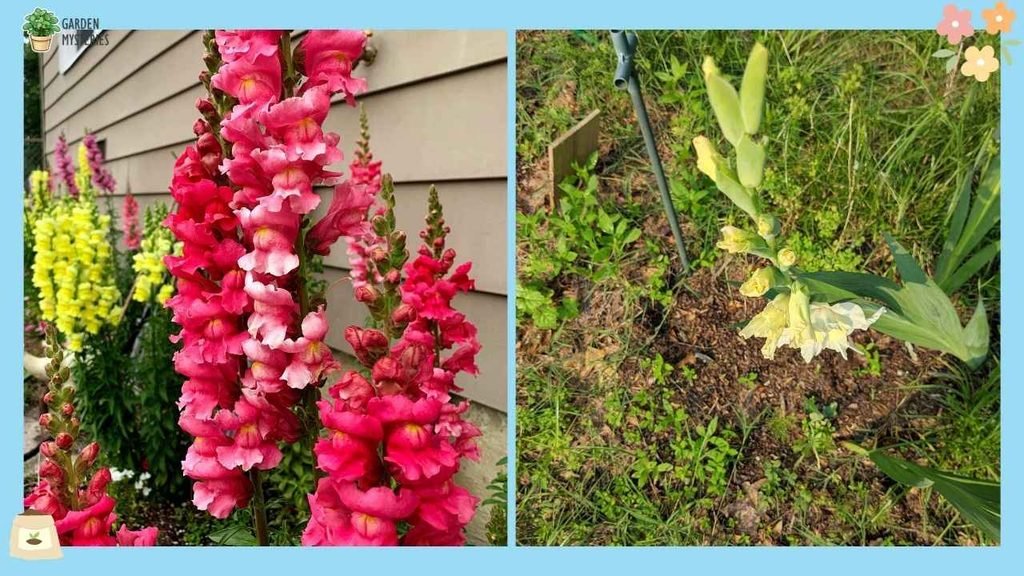
Both flowers grow upright stems, but their blooms look quite different. Gladiolus has large flowers arranged along a tall spike, while snapdragons produce smaller blossoms that resemble little mouths and may grow on branching stems.
Gladiolus: Large, Trumpet-Shaped Blooms
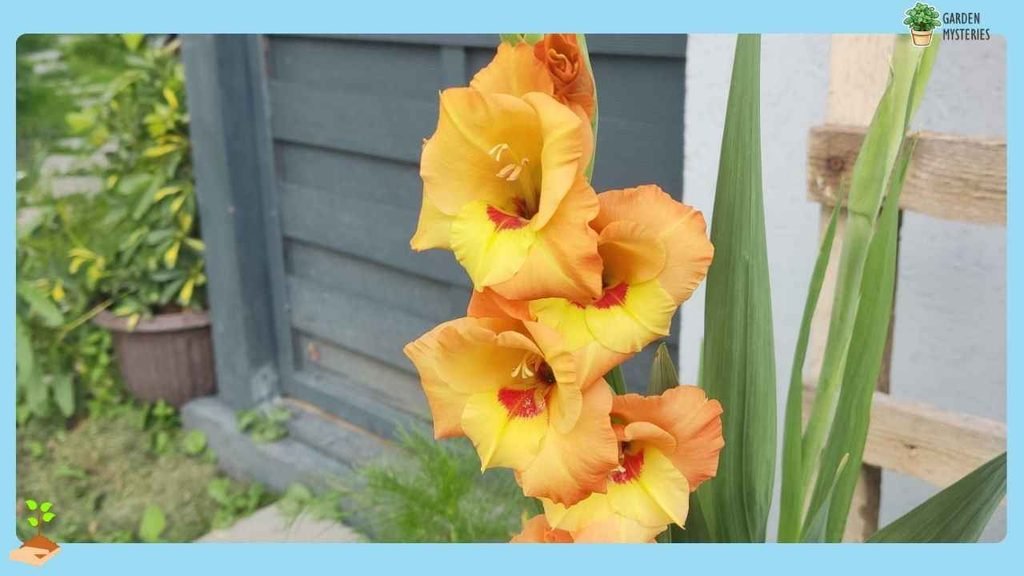
The Gladiolus flowers open progressively along tall stems, creating a dramatic display. Their colors include pink, red, white, yellow, and purple, making them useful for garden borders and striking flower arrangements.
Snapdragon: Distinctive Dragon-Like Flowers
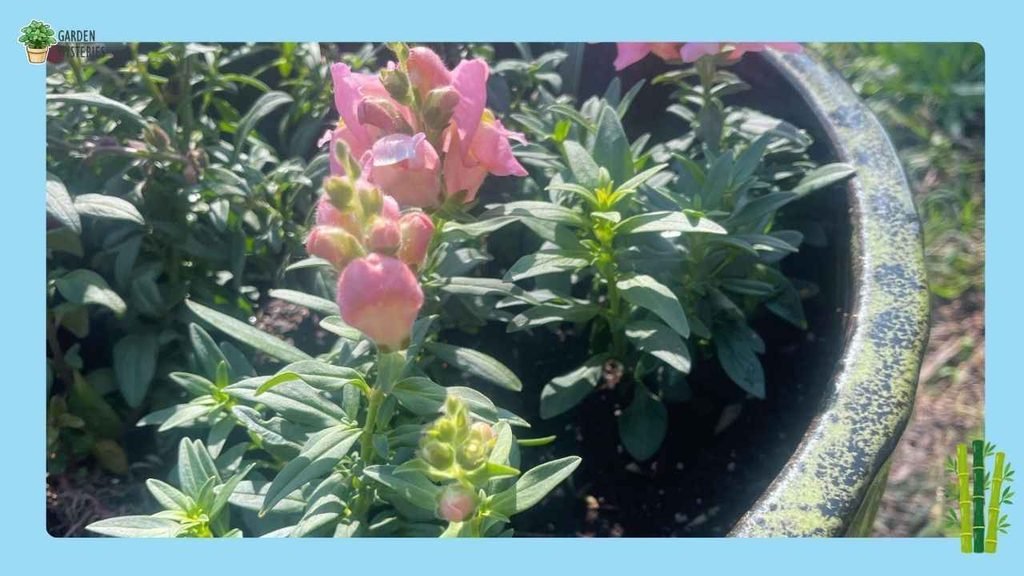
Snapdragon blossoms have two lips that resemble a dragon’s mouth. Their stems can branch, particularly after pinching, producing fuller plants with colorful blooms in shades of peach, pink, white, yellow, and red.
Leaves and Plant Height
Gladiolus has long, sword-shaped leaves growing from its base. Snapdragons have narrower leaves along their stems. Tall gladiolus varieties suit the back of garden beds, while compact snapdragons fit smaller spaces.
Do Gladiolus and Snapdragons Grow From Bulbs or Seeds?
Gladiolus grows from corms, which resemble bulbs, while snapdragons commonly grow from seeds or nursery seedlings. Choosing healthy planting material and preparing suitable soil helps both flowers establish successfully.
Growing Gladiolus From Corms
Choose firm, healthy corms and plant them pointed side up in well-drained soil. Back to Roots Mulch may help conserve moisture when applied around established plants, but it should not replace suitable soil or be packed against the corm.
- Plant corms around 4 – 6 inches deep.
- Choose a sunny location.
- Water after planting.
- Leave enough room between plants.

- 100% Organic & Peat-Free: Our organix mulch mix is 100% organic & peat-free. Peat is one of Mother Nature’s most importa…
- Intended for use in Mulch Soil: Our unique soil blend is ideal for nurturing herbs, vegetables, and fruits planted in a …
- Better Moisture Control and Water Absorption: Our unique soil blend incorporates yucca extract for moisture control, dol…
Growing Snapdragons From Seeds
Snapdragon seeds are tiny and usually need light to germinate. Sow them on the surface of moist seed-starting mix rather than burying them deeply. Keep the mix moist, provide bright light, and transplant seedlings carefully.
- Start seeds during suitable cooler weather.
- Avoid waterlogged soil.
- Harden off indoor seedlings before transplanting.
Should You Use Compost or Manure?
Mature compost or manure can improve soil fertility and structure. Mix a modest amount of well-decomposed material into the soil before planting. Avoid fresh manure, which may damage tender roots and encourage excessive leafy growth.
Snapdragon vs Gladiolus: Blooming Seasons and Flowering Duration
Gladiolus generally flowers during warm weather, while snapdragons prefer cooler conditions. Both can produce weeks of color, but planting time, temperature, and regular care determine how long their displays last.
Gladiolus: Summer Flowers
Gladiolus usually blooms in summer, with flowers opening from the bottom of each spike upward. Planting corms in batches can spread flowering over several weeks.
Snapdragon: Spring and Fall Flowers
Snapdragons thrive during cooler weather and may flower through spring and fall in mild climates. Excessive heat can reduce flowering, even when watering and feeding are appropriate.
Extending the Flowering Season
Plant gladiolus corms at intervals when the growing season permits. For snapdragons, choose a planting time that avoids extreme heat and remove faded flowers to encourage further blooms.
Perennial Growth, Winter Care, and Regrowth: Gladiolus vs Snapdragon
Neither flower returns reliably every year in every climate. Gladiolus survival depends on its variety and winter conditions, while snapdragons may behave as annuals or short-lived perennials depending on where they grow.
Gladiolus Winter Care
Some gladiolus varieties tolerate winter outdoors, while others need protection from frost. In cold climates, lift tender corms after the foliage begins to yellow, dry them, and store them somewhere cool and frost-free.
- Remove damaged corms.
- Keep stored corms dry.
- Replant when conditions become suitable.
Snapdragon Winter Care
Snapdragons may survive mild winters but struggle in extreme heat or severe cold. Remove unhealthy growth, avoid soggy soil, and protect plants from harsh weather where necessary.
- Check whether your variety is winter-hardy.
- Look for self-sown seedlings.
- Replace plants that no longer flower well.
Do Both Flowers Return Every Year?
Gladiolus may regrow from surviving corms, while snapdragons can regrow or reseed under favorable conditions. Neither is guaranteed to return, so consider your climate and variety before expecting repeat blooms.
Common Winter-Care Mistakes
Wet storage can cause gladiolus corms to rot, while cold, waterlogged soil can damage snapdragon roots. Allow stored corms to dry properly and avoid overwatering plants during cool weather.
Planting and Growing Requirements of Gladiolus and Snapdragon
Healthy blooms begin with suitable sunlight, soil, water, and planting times. Although gladiolus and snapdragons share several basic needs, their different growth habits mean each benefits from slightly different care.
Sunlight and Location
Gladiolus generally needs full sun to produce strong flower spikes. Snapdragons also grow well in sunny locations, but afternoon shade can help protect them in hotter climates. Avoid planting either in deep shade.
Soil Preparation
Both flowers prefer fertile, well-drained soil. Mix mature compost into poor garden soil, and use quality potting mix for containers. Avoid heavy, waterlogged ground that can damage roots or cause gladiolus corms to rot.
Planting Time and Spacing
Plant gladiolus corms when conditions are warm enough for growth. Snapdragons generally establish best during cooler weather. Follow variety-specific spacing instructions, since dwarf snapdragons need less room than tall varieties.
Watering and Feeding
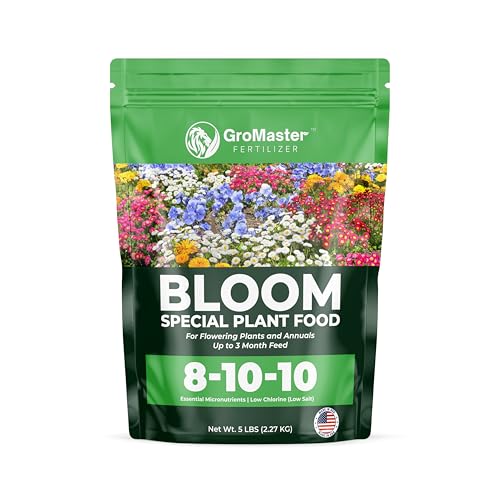
Water deeply when the soil begins to dry, adjusting for rainfall and container size. The best fertilizers for annuals & perennials depend on existing soil fertility. Use a suitable fertilizer according to its label, and avoid excessive nitrogen that encourages leaves instead of flowers.

Pruning and Supporting Stems
Stake tall gladiolus stems before they lean or bend. Pinch suitable young snapdragon varieties to encourage branching, and remove faded flowers to keep plants tidy. Leave healthy gladiolus foliage until it yellows naturally.
Growing in Containers
Choose pots with drainage holes and enough room for mature roots. Dwarf snapdragons work well in smaller containers, while gladiolus needs a deeper, stable pot to support its tall flower spikes.
Common Growing Problem of Snapdragon and Gladiolus
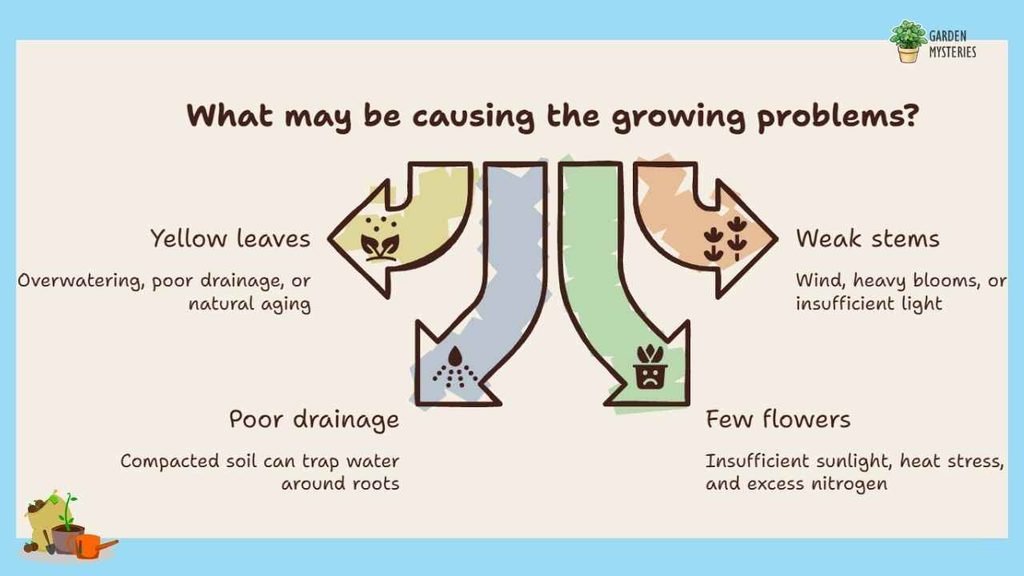
Poor flowering, yellow leaves, and weak stems can result from unsuitable conditions rather than a lack of fertilizer. Identify the cause before changing your watering routine or adding soil amendments.
Yellow Leaves and Root Rot
Yellow leaves may indicate overwatering, poor drainage, or natural aging. Improve drainage and remove severely damaged material. Purple Cow Compost may help improve soil when used appropriately, but it cannot fix waterlogged ground on its own.
Weak or Falling Stems
Gladiolus stems may lean because of wind or heavy blooms, while snapdragons can become leggy in insufficient light. Support tall stems and provide suitable sunlight rather than applying extra fertilizer without checking the cause.
Poor Soil Drainage
Compacted soil can trap water around roots. Pearl Lite Soil, if it contains perlite, may improve aeration in an appropriate container mix. Use pots with drainage holes and avoid keeping the growing medium constantly wet.
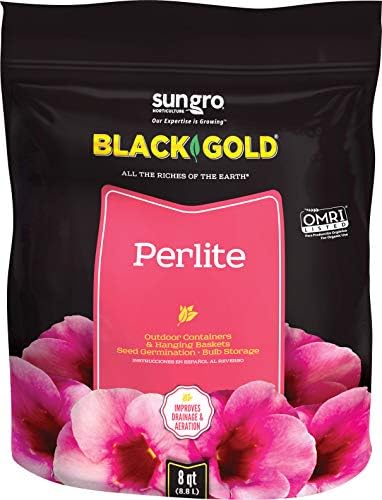
- SOIL AMENDMENT BENEFITS: Enhances aeration and drainage in potting mixes for healthier root growth. Ideal for use as gar…
- MOISTURE RETENTION SUPPORT: Retains moisture and nutrients while remaining lightweight. Perfect for perlite gardening to…
- MULTIPLE GARDEN USES: Suitable for starting seeds, rooting cuttings, storing bulbs, and making hypertufa planters. This …
Few Flowers and Pest Damage
Insufficient sunlight, heat stress, and excess nitrogen can reduce flowering. Inspect plants for aphids and damaged foliage, remove affected material, and improve airflow. Choose varieties suited to your climate for better results.
Gladiolus vs Snapdragon: Which Flower Is Best for Your Garden?
The better flower depends on your space, climate, and gardening goals. Gladiolus vs Snapdragon is a choice between large, dramatic flower spikes and smaller, branching blooms that perform well during cooler seasons.
Choose Gladiolus for Height and Bouquets
Gladiolus suits gardeners who want tall stems and large blooms for dramatic displays.
- Best for sunny borders.
- Excellent for tall flower arrangements.
- Requires staking or winter corm storage in some climates.
Choose Snapdragon for Borders and Containers
Snapdragons are useful for colorful garden edges, pots, and mixed bouquets, particularly in cooler weather.
- Compact varieties suit small spaces.
- Tall varieties work well as cut flowers.
- Heat protection may be necessary in warm climates.
End Note
Gladiolus and snapdragons each offer a different way to add color to your garden. Gladiolus delivers large, upright blooms, while snapdragons provide distinctive flowers and flexible planting options.
Consider your local climate, available space, and preferred flowering season before planting. With suitable soil, sunlight, and watering, either flower can reward you with a beautiful display without unnecessary gardening complications.
Disclosure: This blog reflects my gardening experience and does not guarantee results. Some links may be affiliate links, and we may earn a commission from qualifying purchases at no extra cost.
Check out our tool:
Free Tool – Garden Mysteries
Find the Right Fertilizer for Your Indoor Plants
Select your plant and get a personalized fertilizer recommendation – no guesswork needed.
Try the Fertilizer Finder →