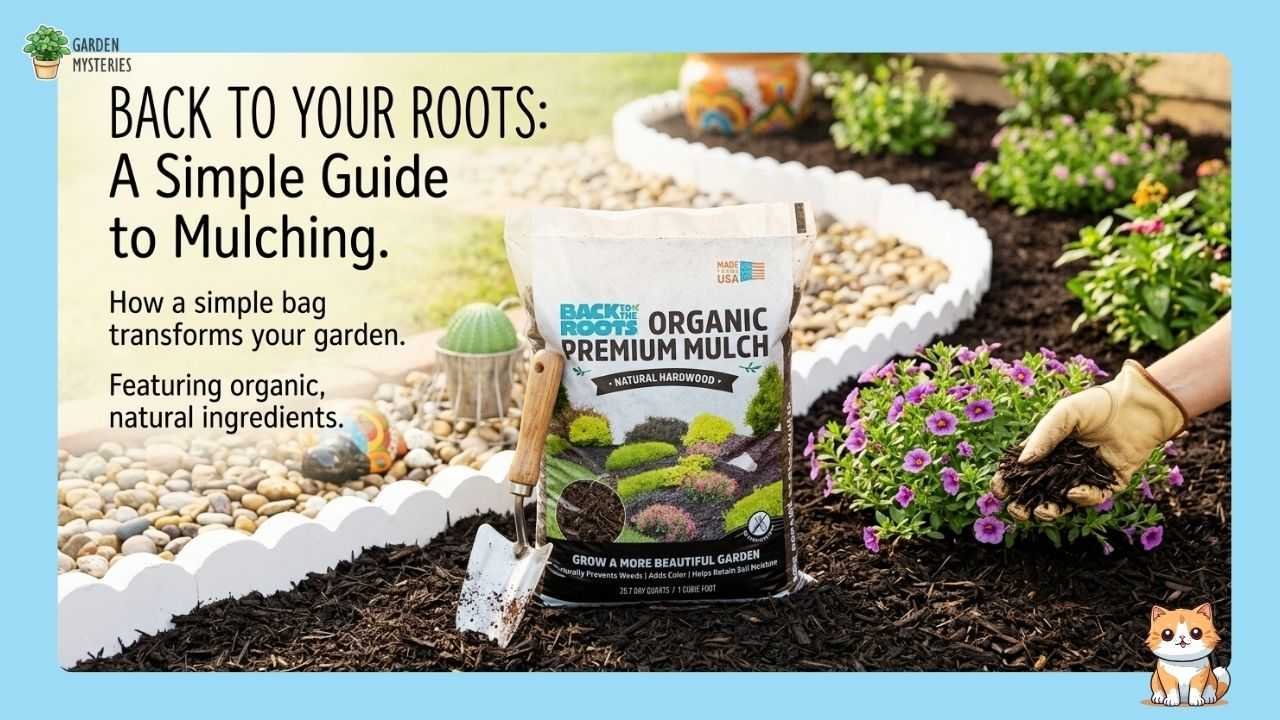
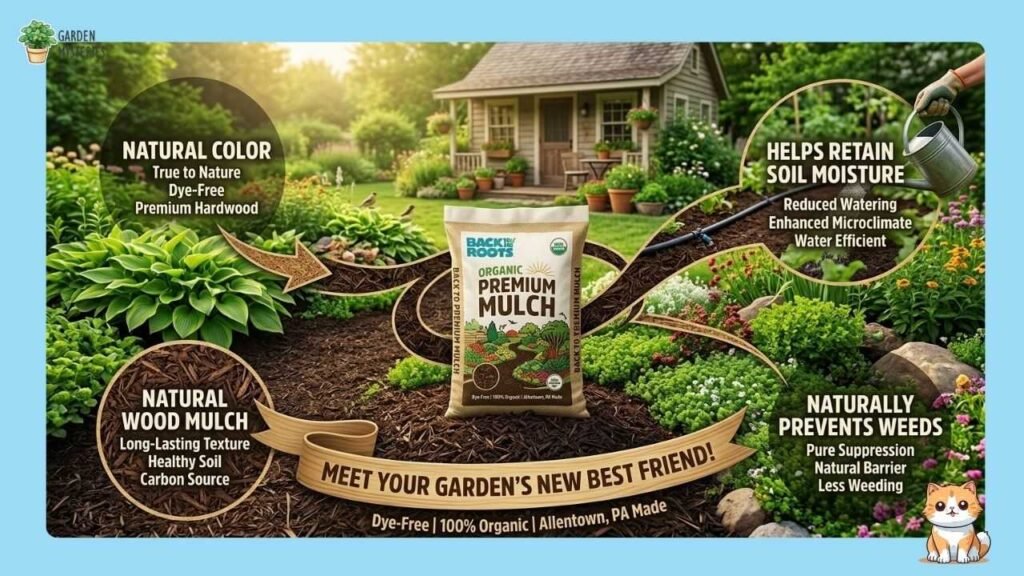
Back to the Roots organic mulch for the garden is a USA-made, dye-free wood or coconut coir mulch that suppresses wild plants, holds soil moisture, and breaks down naturally over time. It is one of the few retail mulch products that skips synthetic colorants entirely.
A lot of gardeners assume “organic” on a mulch bag just means it’s made of wood. Not always. Some brands still add chemical dyes to get that deep black or red color. Back to the Roots does not. That is the main thing that sets it apart on store shelves.
I started paying closer attention to mulch labels after I accidentally used a cactus soil mix under my lavender bed one spring. The drainage was fine, but the soil dried out so fast between waterings that I ended up with stress-wilted tips by June. A proper mulch layer would have fixed that.
So yes, mulch choices genuinely matter, and I want to walk you through everything you need to know about this brand.
What Is Back to the Roots Mulch?
Back to the Roots mulch is an organic, chemical-free garden mulch made from either natural hardwood or coconut coir. The brand started as an urban mushroom farm in Oakland, California.
It grew into one of the most widely distributed organic gardening brands in the US, now available in over 10,000 stores. The company focuses on peat-free, USA-sourced materials.
Their products carry OMRI certification, which means an independent body verified the organic claims. That is not just a marketing label. OMRI listing means no synthetic fertilizers, no prohibited pesticides, and no sewage sludge in the production process.
Back to the Roots sells mulch in two distinct forms. They are described below:
Premium Hardwood Mulch (Natural Wood)
Back to the Roots Premium wood Mulch is a 100% natural bark mulch with no synthetic dyes or added colorants. It is made from American hardwood, bagged in the USA, and designed for outdoor garden beds, raised beds, and landscaping.
You can buy it in 1 cu. ft. bags of Back to the Roots Premium wood Mulch from online stores to get it right at your home. You can also find it at Home Depot, Lowe’s, and Target.
The hardwood version works as a ground cover that regulates soil temperature, blocks weed germination, and slows down moisture loss. It has no strong smell, and the color leans dark gray-brown rather than jet black, even on the packages labeled “black.”
Organic Coconut Coir Mulch
Back to the Roots Organic Coconut Coir Mulch is a compressed, peat-free expanding mulch block made from coconut husks. It is OMRI listed and comes in a 10 lb block that expands to over 2 cubic feet when hydrated.
You can buy this Organic Coconut Coir Mulch at $29.99~. The mildly acidic pH makes it a good match for orchids, microgreens, acid-loving herbs, and hydroponic setups.
This one is not just a garden bed mulch. It works well as a soil amendment, greenhouse growing medium, and seed starting mix. The expansion factor makes it more economical than it looks in the bag.
What Makes Back to Roots Mulch Different From Regular Brands?
Back to the Roots mulch stands apart mostly because it skips synthetic dyes, holds OMRI certification, and sources hardwood from within the United States. Most budget mulch brands do not clear all three of those bars at once.
No Synthetic Dyes
Most colored mulches on store shelves get their deep red, black, or brown mulch tones from iron oxide or carbon-based dyes. Back to the Roots uses none of those. The color you see is just the natural wood tone.
This matters if you grow edibles, have pets digging in the beds, or just prefer not to add unnecessary chemistry to your soil.
OMRI Certification
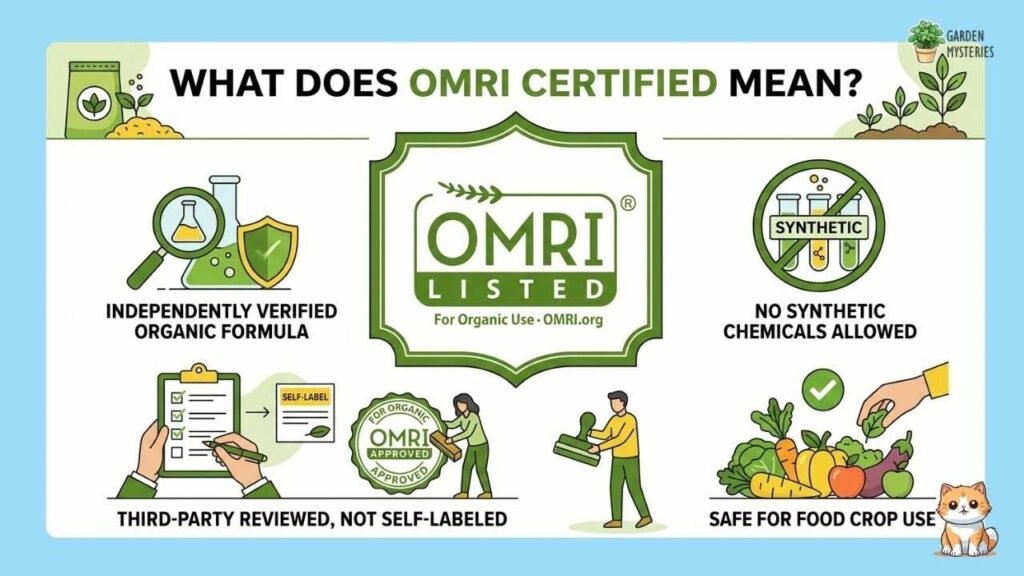
OMRI stands for the Organic Materials Review Institute. It is a third-party body that reviews products for use in certified organic farming. Getting listed means the formula was actually checked, not just labeled. Most mass-market mulch brands do not carry this certification.
USA-Sourced Hardwood
The hardwood mulch comes from American forests, not imported wood pulp of unknown origin. It keeps the supply chain shorter and reduces the risk of invasive pests or treated lumber entering your garden bed, which has been a real concern with some imported wood products.
Peat-Free Formula
Both mulch products skip peat moss entirely. Peat extraction drains carbon-rich bogs that take thousands of years to form. Replacing it with coconut coir or upcycled wood fiber is a practical choice that works just as well for most home gardens.
Use Cases of Back to Roots Mulch
This natural organic mulch works in outdoor garden beds, raised beds, containers, indoor growing setups, and around landscape plantings. The hardwood and coir versions each fit different situations, so the right pick depends on what you are growing and where.
Vegetable and Herb Garden Beds
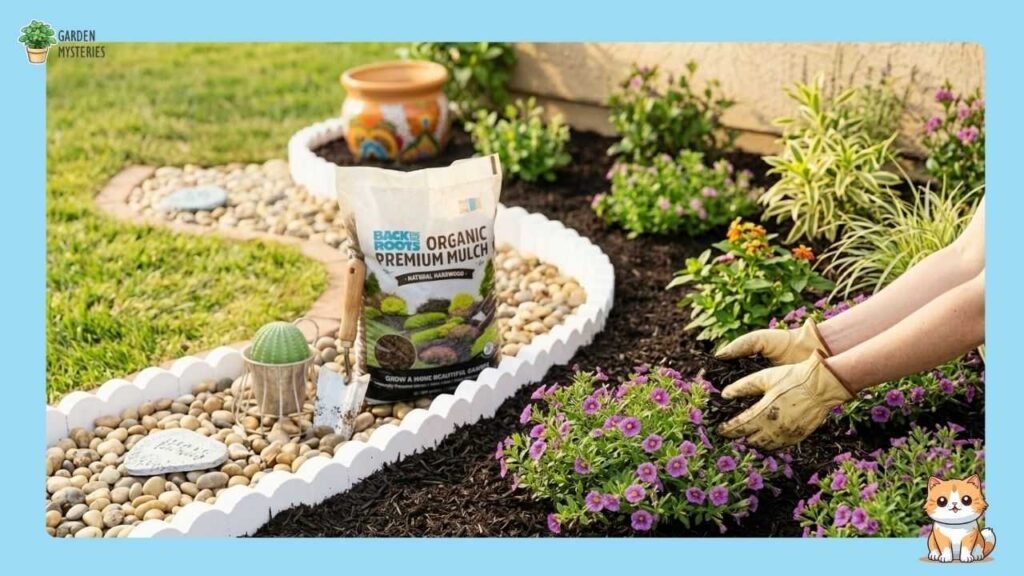
The hardwood mulch is a strong choice for food gardens because it contains no dyes or chemicals that could leach into edible plants. A 2 to 3 inch layer of the mulch over raised bed soil mix for vegetables keeps the bed moist and cuts down on weeding between harvests.
Raised Beds and Containers
The coconut coir mulch works especially well in raised beds and pots. It holds moisture without compacting. I wish I had used something like this under my lavender that year instead of the cactus soil situation I described earlier.
Orchids and Indoor Plants
Coconut coir has a mildly acidic pH and a loose, airy texture that orchids respond well to. The expansion from a single compressed block also means you get a lot of growing medium from a relatively small, lightweight purchase.
Lawn Borders and Flower Beds
The hardwood bark mulch is the better option for outdoor decorative use around shrubs, trees, and flower beds. It stays in place well and does not blow around easily. It gives a natural-looking finish without the fake sheen that dyed mulches sometimes have.
Microgreens and Hydroponics
The coir mulch is peat-free and OMRI-listed, which makes it suitable for microgreens trays and hydroponic setups where you want a clean, inert growing medium. It expands quickly, in just a few minutes with water, and is ready to use right away.
How to Apply Back to the Roots Mulch
The application process is straightforward for both versions. The main mistakes most beginners make are piling mulch too thick, pushing it against plant stems, or skipping the replenishment step after rain.
Step 1: Prepare the Area
Clear visible wild plants before applying. Mulch slows new weed growth but will not kill existing wild plants already rooted in the soil with compost or manure. Pull them first and save yourself a bigger problem later.
Step 2: Apply the Right Depth
Spread hardwood mulch in a 2 to 3 inch layer across the bed. More than 3 inches can block air and water from reaching roots. Less than 2 inches is not thick enough to suppress weeds consistently.
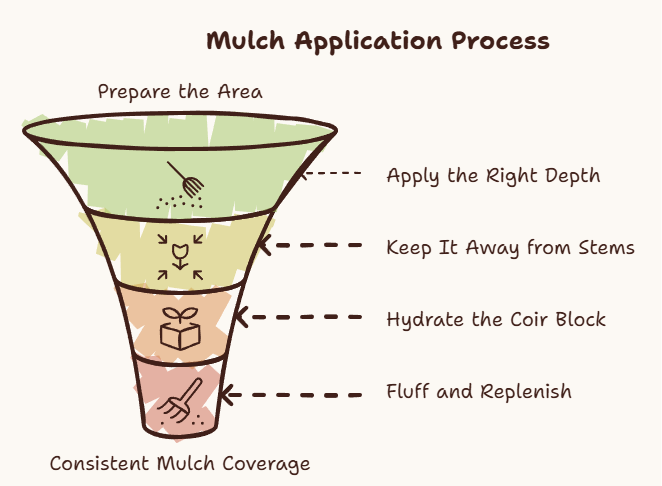
Step 3: Keep It Away from Stems
Leave a 2 to 3 inch gap between the mulch and the base of any plant stem or tree trunk. Mulch piled against stems holds moisture in the wrong place and creates conditions where rot can set in over time.
Step 4: Hydrate the Coir Block First
For the coconut coir mulch, add water to the compressed block and let it expand fully before spreading. It only takes a few minutes. Spread it evenly once it is fully expanded, then water again lightly to settle it in place.
Step 5: Fluff and Replenish as Needed
Hardwood mulch can compact over time and crust on the surface. Fluff it occasionally with a hand fork to restore air and water flow. After heavy rain or wind, check coverage and top up any thin spots to maintain a consistent 2 to 3 inch layer.
Is Back to the Roots Mulch Worth It?
Back to the Roots mulch is worth it for organic gardeners, food growers, and anyone who wants a no-dye, certified option. It costs more per bag than most competitors, but the quality and transparency are hard to argue with.
Pros:
- No synthetic dyes: Natural wood color only, no added chemicals
- OMRI certified: Independently verified organic, not just labeled
- Peat-free formula: Coir and hardwood options skip peat entirely
- Two distinct mulch types: Hardwood for outdoor beds, coir for containers and indoor use
- Safe for edibles: No dyes or synthetic additives near food crops
- Widely available: Sold at Home Depot, Lowe’s, Target, and Amazon
- USA-made hardwood: Domestic sourcing, no mystery wood imports
Cons:
- Higher price: At roughly $24 per cu. ft., it costs more than most competitors
- Inconsistent texture: Some hardwood bags contain larger wood chunks alongside finer material
- Color labeling: The “black” version reads more as dark gray-brown in practice
- Limited color range: No dyed options if color matching matters for your landscaping
For most home gardeners who care what goes in their soil, it is a good buy. If you are covering a large area on a budget and growing nothing edible, cheaper options will do the same basic job.
The Full Back to the Roots Product Line Beyond Just Mulch
Back to the Roots makes a full range of organic gardening products, not just mulch. The brand covers everything from seed starting to compost, so you can run your entire garden on their product line if you want to stay within one organic brand.

Their soil and amendment range includes options for almost every growing setup, from indoor seed starting to large outdoor raised beds. All products carry the same peat-free, no-synthetic-chemicals approach that the mulch line is known for.
- Back to Roots Potting Soil: Lightweight, peat-free mix with yucca extract for moisture control. Good for containers and indoor plants.
- Organic Back to the Roots Soil: Designed for in-ground beds. Nutrient-rich base for vegetables and flowers.
- Organic Raised Bed Soil: A deeper blend suited for raised bed gardening with better drainage.
- Organic Topsoil: A basic, clean topsoil for filling garden beds or correcting soil level.
- Back to the Roots Organic Compost: A peat-free compost blend with no animal manure. Available in 1 cu. ft. bags and bulk pallets.
- All-Purpose Plant Food: OMRI-listed liquid fertilizer with mycorrhizae for root development.
- Heirloom Seed Packets: Non-GMO seeds for vegetables and herbs.
- Grow Kits: Indoor mushroom and vegetable kits for beginners and kids.
FAQs
Yes. Both the hardwood and coconut coir options are safe around edibles. The hardwood mulch contains no synthetic dyes or pesticides, and the coir mulch is OMRI listed. Apply a 2 to 3 inch layer and keep it away from plant stems.
Not particularly. Multiple customer reviews mention that it has very little odor compared to other wood mulches. Fresh hardwood mulch can have a mild earthy scent when first opened, but it is not strong and fades quickly once spread outdoors.
Hardwood mulch typically lasts one to two seasons before it starts decomposing noticeably. This is actually a benefit, since decomposed wood adds organic matter back into the soil. Top it up each spring to maintain the right coverage depth.
Not exactly. The coconut coir mulch can serve as a soil amendment or standalone growing medium, but it does not come pre-fertilized the way a potting mix does. Just like compost vs potting soil are different, coconut coir is different too.
End Note
Back to the Roots organic mulch does what it claims. It holds moisture, slows weeds, and skips the synthetic dyes and chemicals you find in most budget mulch brands. The hardwood version works for outdoor beds, and the coconut coir block is genuinely useful for containers, indoor plants, and hydroponics.
If you want clean, organic mulch that works without harsh additives, Back to the Roots is a solid choice for most home gardens.
Note: Some links on this page are affiliate links. If you make a purchase through them, we may earn a small commission at no additional cost to you.