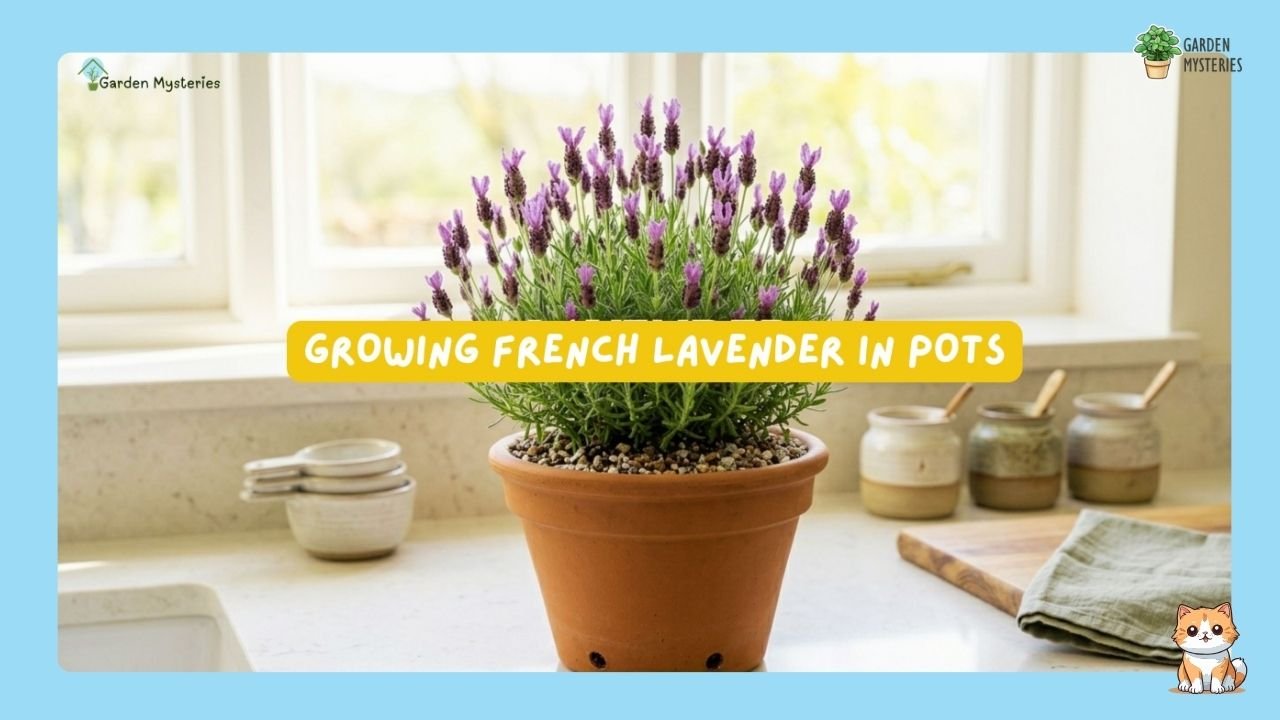
Yes, growing French lavender in pots is very much possible. It grows very well in pots when planted in fast-draining soil and a terracotta container with drainage holes. It needs 6 to 8 hours of sun, infrequent watering, and slightly alkaline soil. Skip the heavy potting soil, and never let the pot sit in water.
I learned this the hard way. My first two French lavender plants turned brown and mushy within a few weeks. The third one barely made it past summer. I kept blaming the plants, but the real problem was always the setup. Once I fixed the soil and the pot, things changed fast.
This guide will cover everything I now do to keep my potted French lavender alive and actually blooming. If you have been struggling too, keep reading.
Key Takeaways – French Lavender in Pots
- French lavender in pots needs fast-draining, gritty soil to stay healthy.
- Terracotta pots work better than plastic or glazed ceramic containers.
- At least 6 to 8 hours of direct sun is needed every day.
- Water only when the top inch or two of soil feels completely dry.
- Heavy nitrogen fertilizers will likely do more harm than good.
- French lavender is not cold-hardy and may need to move indoors in winter.
The recommendations in this guide are based on several seasons of container growing French lavender in pots and practical troubleshooting of drainage, watering, and overwintering issues.
Growing French Lavender in Pots at a Glance
Check out this table to get an idea before going through the whole blog.
| Factor | Recommendation |
|---|---|
| Pot Size | 12-16 inches |
| Pot Type | Terracotta |
| Sunlight | 6-8 hours direct sun |
| Soil pH | 6.5-7.5 |
| Watering | Only when top 1-2 inches dry |
| Fertilizer | Low nitrogen |
| Hardiness | USDA 8-10 |
Can I Grow French Lavender in Pots?
French lavender grows well in pots as long as you get the basics right. It actually does better in containers than in heavy garden soil in many climates, because you control the drainage completely.
The main thing French lavender cannot handle is wet roots. In a pot, you decide the soil mix, the drainage, and how often it gets watered. That control is a real advantage. My garden soil is heavy clay, so pots are honestly the better option for me.
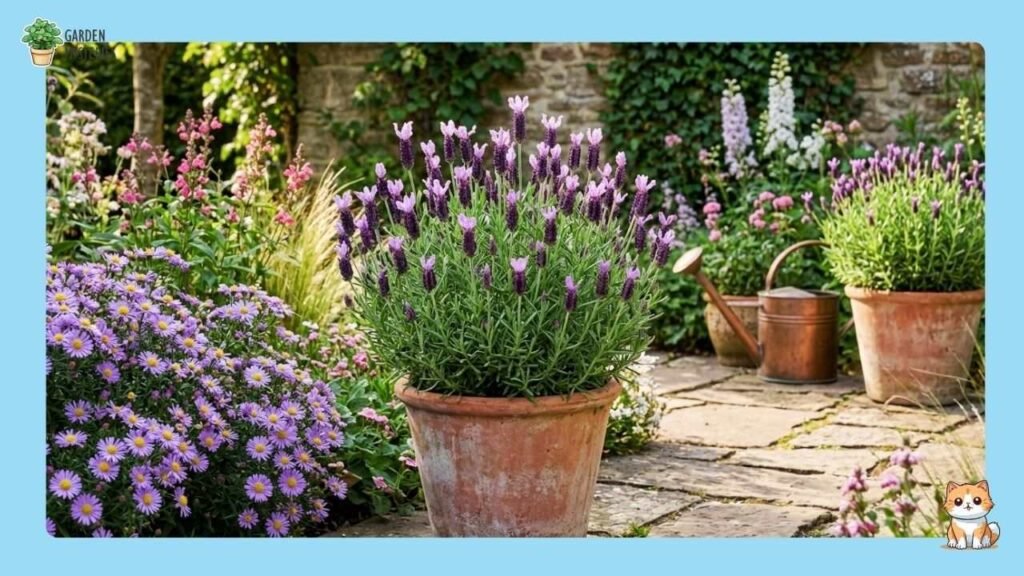
That said, French lavender is not as tough as English lavender. It does not like cold winters, and it grows bigger than people expect. A small pot will slow it down quickly. Give it space and the right conditions from the start, and it tends to reward you.
One more thing worth knowing: French lavender blooms for a longer stretch than English lavender, often from spring well into summer. That alone makes the extra effort worth it.
What Kind of Pot Does French Lavender Actually Need?
The right pot makes a bigger difference than most people realize when growing French lavender in containers. I tried plastic pots for my first two plants, and the soil stayed wet far too long between waterings.
Pot Material
Unglazed terracotta and concrete pots are the best options for French lavender. Both materials are porous, which means they let some moisture escape through the walls.
This keeps the root zone drier between waterings, which is exactly what lavender needs. Plastic and glazed pots hold moisture much longer. That extra moisture is usually what kills lavender plants in containers.
Pot Size
A 12 to 16 inch wide and deep pot is the right size for most French lavender plants. Smaller pots dry out too fast in summer and restrict root growth.
If you have a dwarf variety, an 8 to 10 inch pot can work for a season, but plan to size up. A larger pot also keeps roots cooler during heatwaves, which helps the plant stay stable.
Drainage Rules
Multiple large drainage holes are not optional with lavender. One small hole at the bottom is not enough. Water needs to move through the soil quickly and exit freely. I also skip the layer of gravel at the bottom of the pot.
Research has shown it does not actually improve drainage and can sometimes make things worse. Just use the right topsoil mix and let the holes do the work.
Best Soil for Potted French Lavender
The soil you choose is probably the single most important decision when growing French lavender in pots. Standard potting soil is too dense and holds too much water on its own. The best soil for potted lavender is gritty, well-draining, and neutral to slightly alkaline.
Best Store-Bought Soil Mix for French Lavender
No single bagged product works perfectly for lavender straight from the bag. Most gardeners start with a gritty base mix and adjust from there.
A good soil mix for lavender in pots should feel sandy and light in your hand. Heavy, dense mixes hold too much moisture for lavender roots to stay healthy.
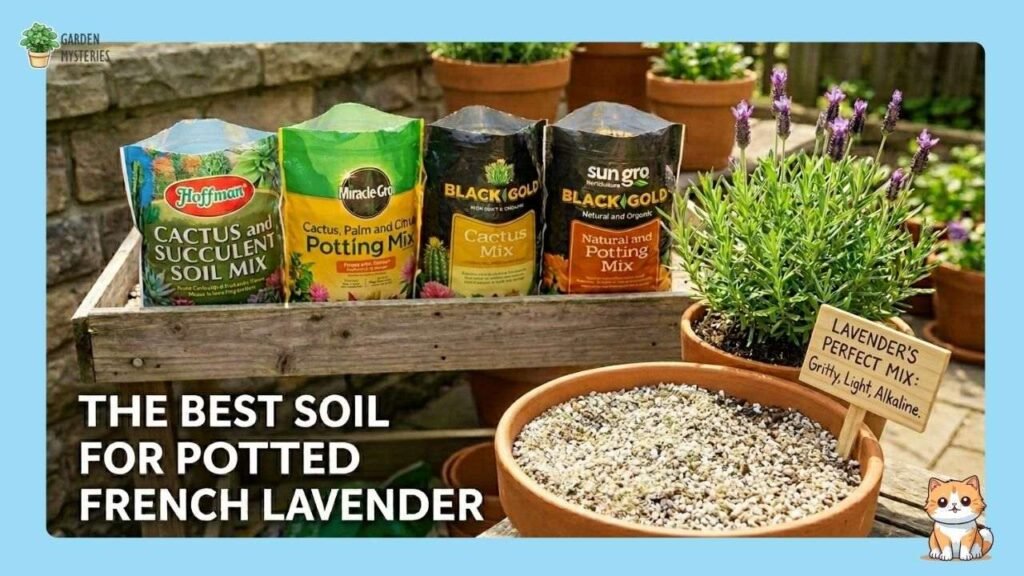
Some commonly available cactus and succulent soil mixes that gardeners use for lavender include:
- Hoffman Cactus and Succulent Soil Mix: A gritty, fast-draining mix with perlite already blended in. Hoffman Cactus Soil works well as a lavender base.
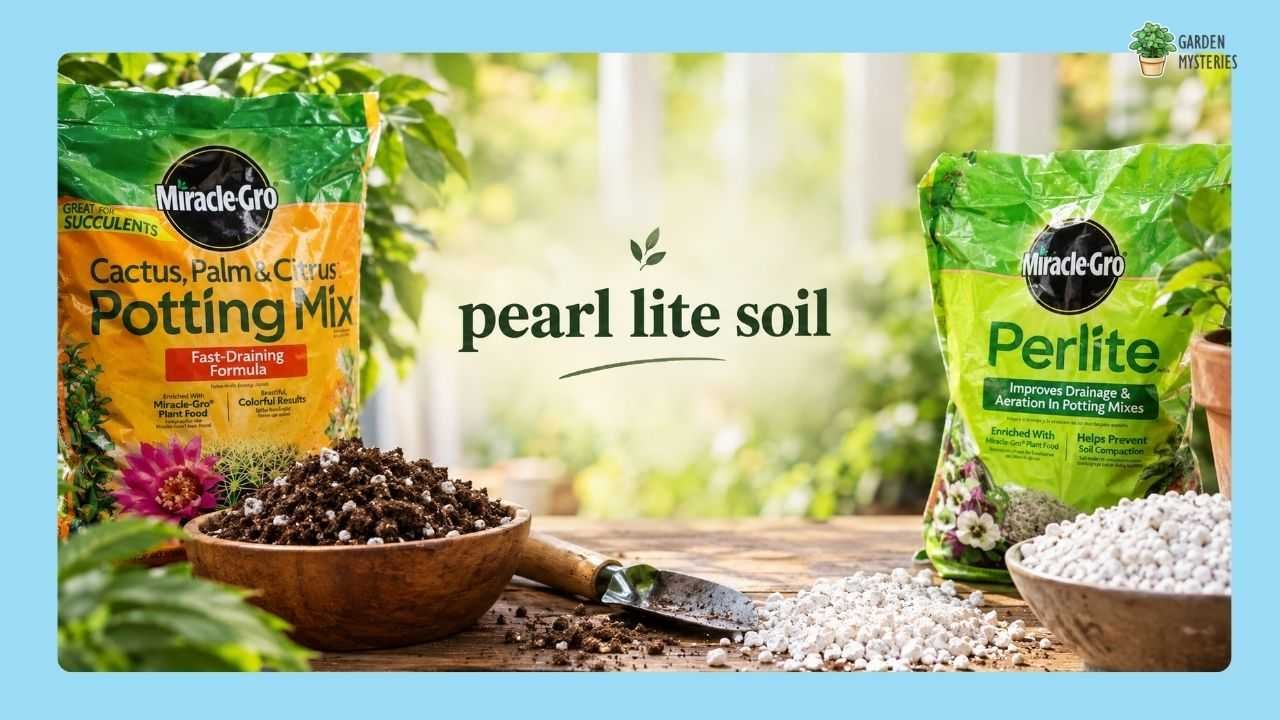
- Miracle-Gro Cactus, Palm and Citrus Potting Mix: Coarser than standard potting soil. Miracle-Gro Cactus Mix drains faster and suits lavender containers well.
- Black Gold Cactus Mix: Contains pumice and perlite for good aeration. Black Gold Cactus Mix is a reliable low-moisture option for potted lavender.
- Sun Gro Horticulture Black Gold Natural and Organic Potting Mix: A lighter all-purpose base. Black Gold Organic Mix pairs well with added perlite for lavender.
What Soil to Avoid
Lavender comes from poor, lean Mediterranean soil, so rich and moisture-heavy mixes push weak leafy growth and lead to root rot fairly quickly.
- Avoid moisture-retaining potting mixes with added water crystals
- Skip heavy compost-based blends marketed for vegetables or flowers
- Do not mix in extra compost when planting or repotting lavender
- Avoid high-nitrogen fertilizers added directly into the potting soil
- Skip any mix labeled “moisture control” or “extended feeding formula.”
How to Build Your Own Mix
Mix standard potting soil with horticultural sand, pumice, or perlite in roughly a 2:1 ratio (two parts soil to one part grit). Some growers go 3:1 if their potting mix is already fairly light.
For those wondering about using cactus soil for lavender, it can work well as a base since it is already formulated to drain fast. Just make sure it does not have added fertilizers mixed in.
Sun, Water, and Feeding Your Potted French Lavender
Getting the sun, water, and feeding balance right is what keeps potted French lavender healthy through the whole season.
How Much Sun It Needs – Growing French Lavender in Pots
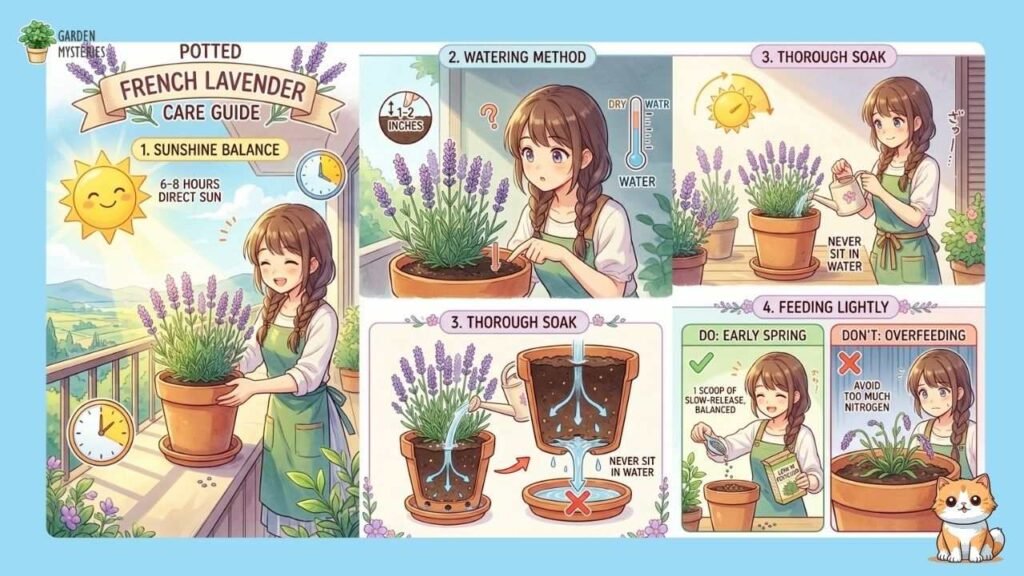
French lavender needs at least 6 to 8 hours of direct sunlight each day. A south or west-facing spot usually works well. One benefit of growing in pots is that you can move the container to follow the sun if needed.
In very hot climates, a little afternoon shade may help during peak summer heat. But if you have to choose between too much shade and too much sun, lavender handles sun far better.
How to Water Without Taking It Out
Wait until the top 1 to 2 inches of soil feel completely dry before watering again. When you do water, soak the pot thoroughly until water drains freely from the bottom. Then leave it alone until it dries out again.
During summer, this usually works out to about once a week. In winter, cut back to every two to three weeks. Never leave the pot sitting in a saucer full of water. That habit killed both of my first plants.
Expert Tip
French lavender is more likely to die from overwatering than underwatering. If you are unsure whether to water, wait another day and check the soil again. Slight dryness is safer than constantly moist soil.
What to Feed and What to Skip
What to feed lavender plants in pots is a question I see a lot, and the honest answer is: not much. Lavender is a light feeder. A single application of a balanced, low-nitrogen garden fertilizer in early spring is usually enough for the season. You can also use some homemade flower fertilizers as well.
Too much feeding, especially nitrogen-heavy fertilizers, pushes soft leafy growth that the plant cannot support well. I stopped fertilizing heavily after my third plant, and the ones I have now look healthier than any of the earlier ones did.
Pruning and Overwintering French Lavender in Pots
Pruning and overwintering are two areas where potted French lavender needs more attention than an in-ground plant. Getting these right will extend the life of your plant by several seasons.
When to Prune
Prune lightly in spring when you first see new green growth appearing on the stems. This is the best time to clean up any winter damage and shape the plant a little. After the main summer blooming period, give the plant a more significant trim.
This second pruning keeps the plant from getting too woody and encourages a second flush of blooms in some cases.
How to Prune French Lavender
Always cut back into the green growth, not into the hard woody stems. Cutting deep into old wood can kill that branch entirely, and sometimes the plant does not recover. Aim to remove about one third of the plant at the most during a single pruning session.
Use clean, sharp scissors or pruning shears. I wipe my blades with rubbing alcohol between plants. It is a small habit that prevents spreading disease.
How to Overwinter a Potted Plant
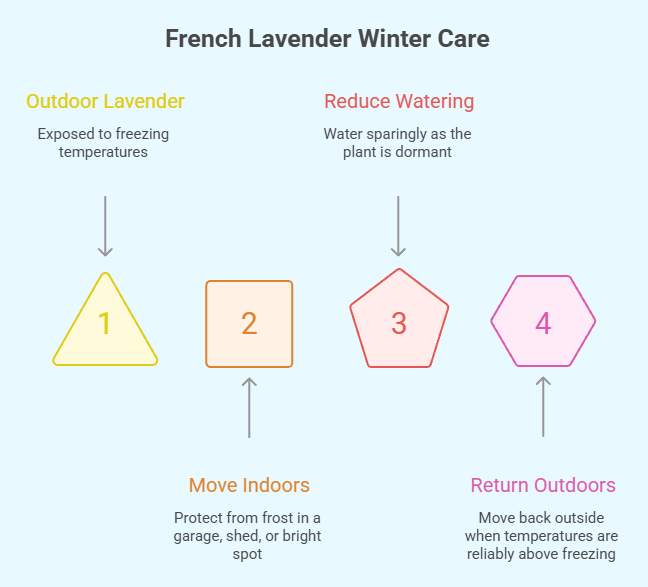
French lavender is not cold-hardy in the way English lavender is. If your area gets freezing temperatures, the pot needs to move. A garage, shed, or bright indoor spot will work through winter.
Cut back watering significantly during this period, as the plant is mostly dormant. Move it back outside once nighttime temperatures stay reliably above freezing. Container growing French lavender in cold climates really comes into its own here, because you can bring the plant inside without any digging.
FAQs
Yes. French lavender is not fully frost-hardy and can be brought indoors for winter. Place it in a bright location, water sparingly, and return it outdoors after the last frost.
The best time to plant lavender in pots is in spring, after the last frost has passed. This gives the plant a full warm season to establish its roots before winter. In mild climates, early fall planting also works well.
French lavender in pots should be watered only when the top 1 to 2 inches of soil are dry. During summer, this is often once every 7 to 10 days. In winter, watering may only be needed every 2 to 3 weeks.
It can, but it depends on your climate. French lavender is a perennial, but it is not frost-hardy. In mild climates, it may return each year. In colder regions, you will likely need to bring it indoors for winter or treat it as an annual.
When deciding what to plant with lavender in a pot, look for drought-tolerant companions. Rosemary, thyme, and sage share similar water and soil needs. Most moisture-loving plants will struggle in the same pot as lavender, so keep companions lean and sun-loving.
French lavender can stay outdoors in winter only in mild climates, usually USDA zones 8 to 10. In colder areas, move the pot indoors or to a frost-free location until spring.
End Note
Growing French lavender in pots is not complicated once you understand what the plant actually needs. Good drainage, lean soil, full sun, and careful watering cover most of it. The mistakes I made early on were all fixable once I stopped treating lavender like a regular garden plant.
If your lavender has been struggling, start by looking at the soil and the pot. Those two things solve most problems before they start.
Note: This guide is for informational purposes only. Product examples may include Amazon or other retailers for reference. Always choose products based on your plants, growing conditions, and local gardening recommendations.