As we all know, epsom salts are a very commonly used garden supplement. But did you ever wonder whether will epsom salt kill plants?
So, does Epsom salt hurt plants? Yes, it can, especially when you use too much or apply it when the plant does not need additional magnesium or sulfur.
So, you cannot just trust this plant friend and apply it whenever you want. You should follow the right ways to apply epsom salts to any type of plant. Also, it is essential to have an idea about when and how does Epsom salt hurt plants.
Can Epsom Salt Kill Plants?
Yes, Epsom salt can kill plants if it is applied excessively or when plants do not need extra magnesium. Overuse may contribute to nutrient imbalances, root stress, and poor growth. However, when used correctly and only where needed, Epsom salt is unlikely to harm healthy plants.
Will Epsom Salt Kill Plants?
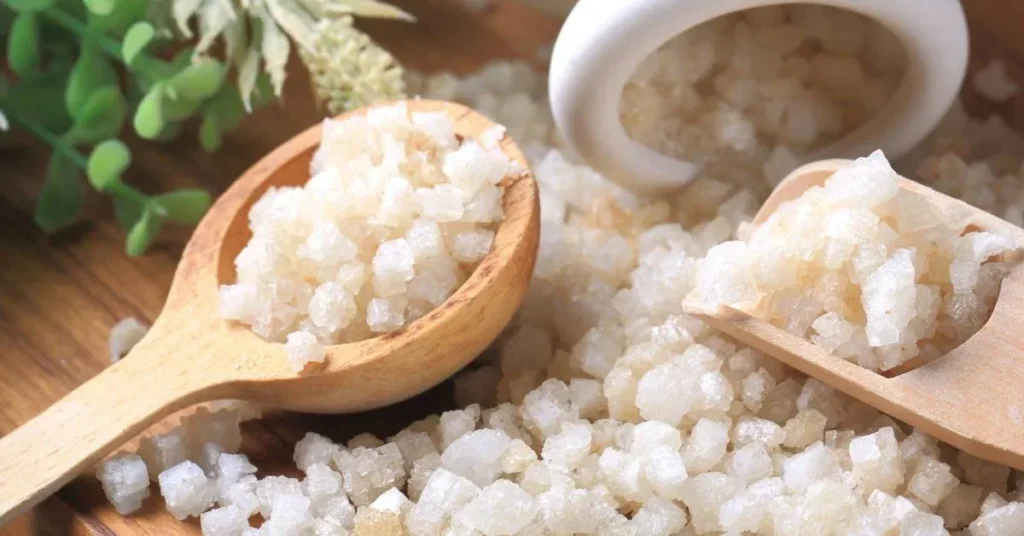
Epsom salt, also known as magnesium sulfate, can be beneficial for plants in certain situations.
It contains magnesium and sulfur, both of which are important nutrients for plant growth. However, using too much Epsom salt or using it in the wrong way can harm plants.
If you apply too much Epsom salt to the soil, it can increase the salt content of the soil and make it difficult for plants to absorb water and nutrients. This can eventually lead to the death of the plant.
Can Epsom Salt Be Used as Fertilizer?
Epsom salt can provide plants with magnesium and sulfur, but it is not a complete fertilizer. It does not contain the main nutrients plants need in larger amounts, such as nitrogen, phosphorus, and potassium.
You can use Epsom salt as a supplement when a soil test shows that a plant needs more magnesium or sulfur. However, adding it to healthy soil without a confirmed deficiency is usually unnecessary and can contribute to nutrient imbalances.
So, while Epsom salt can supplement plant nutrition, it should not replace a complete fertilizer.
Additionally, if you apply Epsom salt directly to the leaves of a plant, it can burn the leaves and cause damage.
Therefore, while Epsom salt can be beneficial for plants in the right quantities and application methods, it can also be harmful if used improperly.
How Can Epsom Salt Be Dangerous for Your Plant?
Epsom salt is generally safe for most plants when used in moderation and according to package instructions. However, overuse or misuse of Epsom salt can be harmful to plants.
Here are the facts that make Epsom salt dangerous for plants.
1. Overuse of Epsom Salt Kill Plants
Can too much Epsom salt hurt plants? Yes. Excessive Epsom salt can increase the amount of soluble salts around the roots and contribute to a nutrient imbalance. Too much magnesium can also interfere with the uptake of other nutrients.
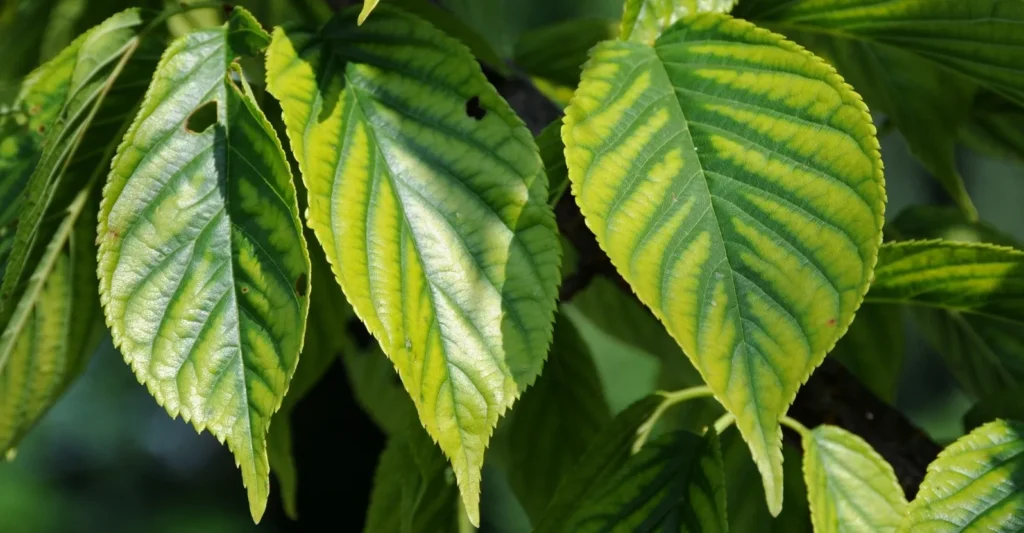
Eventually, this may cause yellowing leaves, poor growth, root stress, or other signs of plant damage.
This is why more Epsom salt does not mean healthier plants. It should only be used when there is a clear reason for adding extra magnesium or sulfur.
Eventually, this can cause the leaves of the plant to turn yellow or brown, and the plant may stop growing or even die.
2. Incorrect Application
Epsom salt should be applied to the soil around the base of the plant. You should not apply it directly to the leaves.
If Epsom salt is applied directly to the leaves, it can cause leaf burn or other damage.
3. Plants That Are Sensitive
Azaleas and rhododendrons may not benefit from unnecessary Epsom salt applications unless soil testing indicates a magnesium deficiency.
In such cases, epsom salts can cause leaf scorching and some other issues with normal growth.
4. Plants with Magnesium or Sulfur Toxicity
Some plants are naturally high in magnesium or sulfur and may not benefit from the additional nutrients provided by Epsom salt. In fact, the excess nutrients can lead to toxicity in these plants.
While Epsom salt can be a useful tool for promoting plant growth and health, it should be used in moderation and according to the package instructions.
If used incorrectly or on plants that are sensitive to its effects, Epsom salt can be dangerous for the plant and cause more harm than good.
If you are interested in seed mix, feel free to check our blog on DIY seed starting mix in your leisure.
How Much Epsom Salt for Plants to Use?
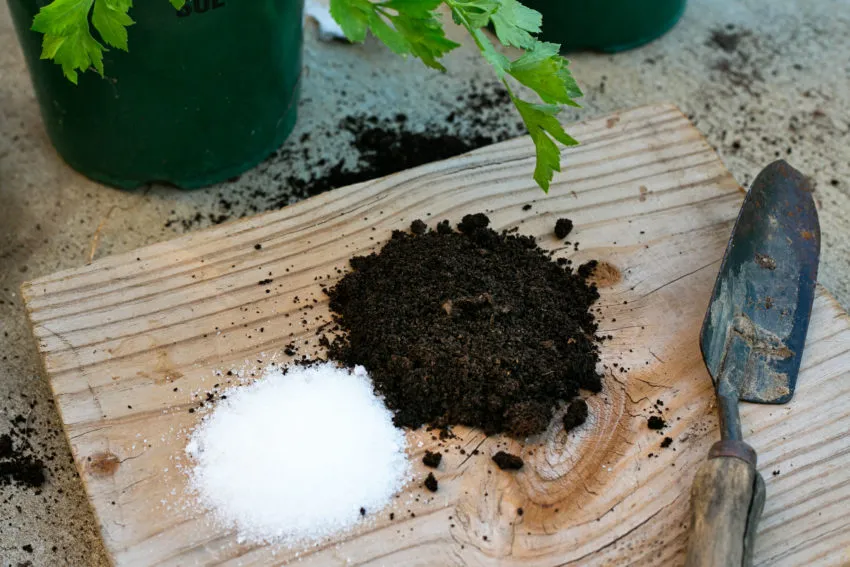
As you’ve learned, the most common reason that makes epsom salt kill your plants is overusing it. So, you should first learn how much Epsom salt to use for plants.
The amount of Epsom salt you should use for your plants depends on several factors. For instance, the type of plants you are growing, the soil conditions, and the specific needs of your plants.
As a general guideline, you can use the following amounts:
1. Epsom Salt for Potted Plants
Mix 1 tablespoon of Epsom salt with 1 gallon of water. Water your plants with this solution once per month.
2. Epsom Salt for Garden Plants
Sprinkle 1 cup of Epsom salt per 100 square feet of soil. Mix the Epsom salt into the soil before planting or water it after planting. Repeat this every few weeks during the growing season.
Can I Sprinkle Epsom Salt Around Plants?
Yes, you can sprinkle Epsom salt around plants, but you should not do it routinely or in large amounts. Epsom salt should only be applied when plants need additional magnesium or sulfur.
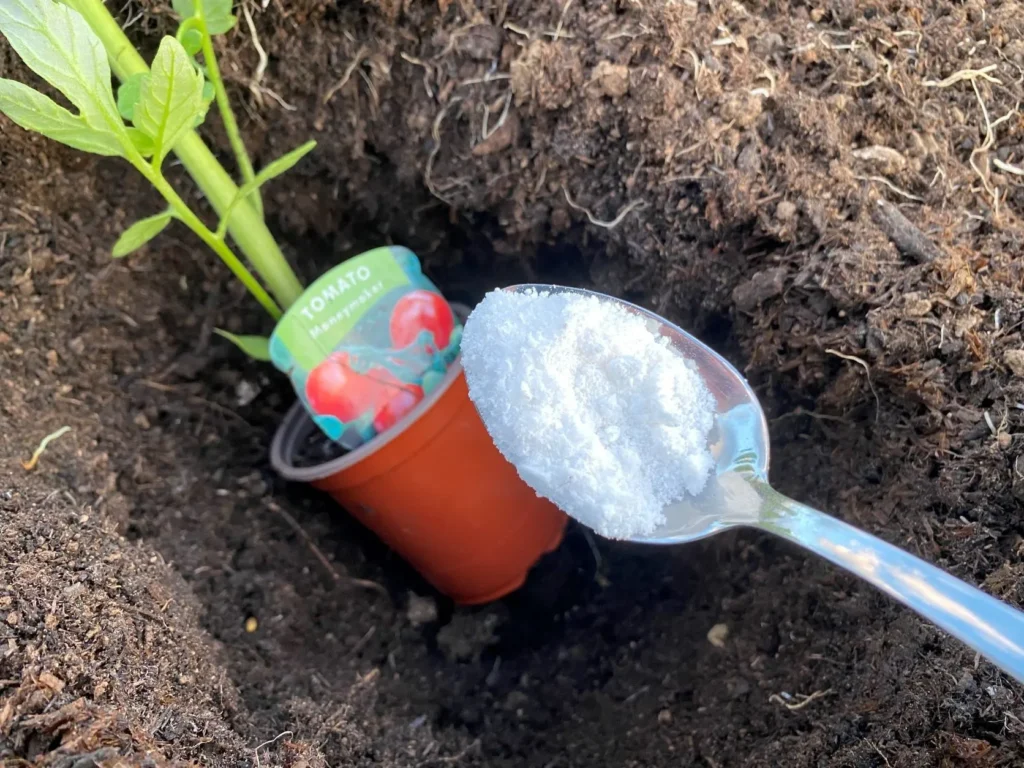
If you use dry Epsom salt, spread it evenly over the soil rather than placing a concentrated pile next to the stem or roots. Water the area afterward so the salt dissolves into the soil.
For the safest approach, test your soil first. If your soil already contains enough magnesium, sprinkling Epsom salt around your plants is unlikely to provide a benefit and may contribute to excess salts.
It’s important to note that using too much Epsom salt can be harmful to your plants. So it’s best to follow the package instructions and use it in moderation.
Additionally, it’s always a good idea to consult with a gardening expert if you’re unsure about the appropriate amount of Epsom salt to use for your specific plants.
What Plants Don’t Like Epsom Salt?
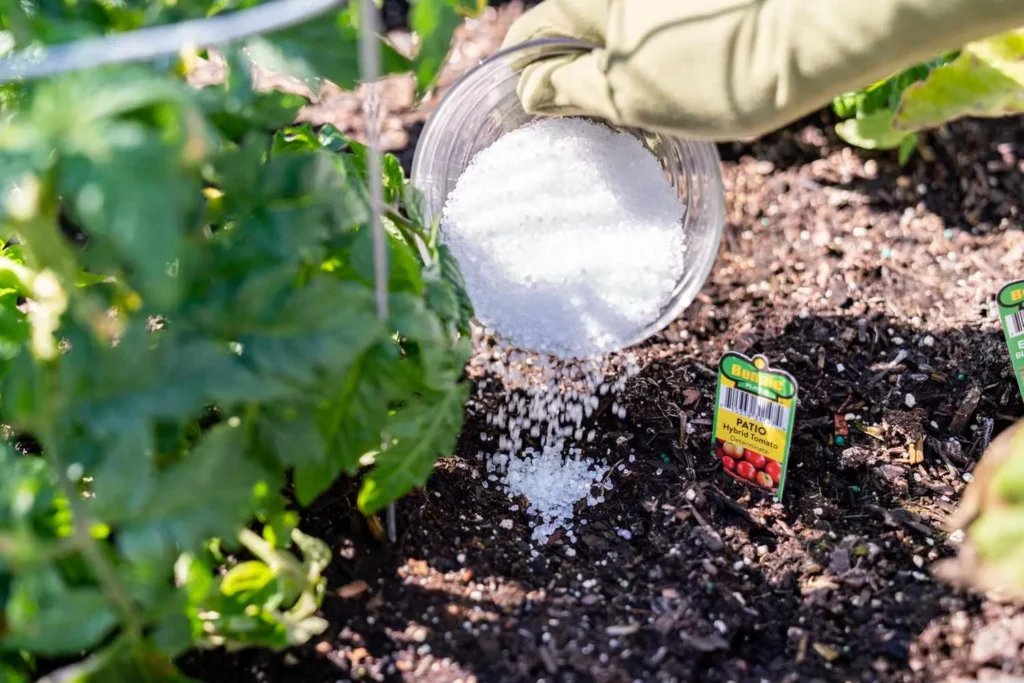
Most plants can benefit from Epsom salt when used in moderation and according to package instructions.
However, there are some plants that may not respond well to Epsom salt or may even be harmed by its use. Here are some examples:
1. Succulents
Usually, succulents are adapted to grow in nutrient-poor soils and may not require the additional nutrients provided by Epsom salt. In fact, over-fertilization can cause succulents to become waterlogged and rot.
2. Ferns
Most ferns grow well without supplemental magnesium and typically do not benefit from routine Epsom salt applications. Unless a soil test confirms a magnesium deficiency, adding Epsom salt is usually unnecessary and may disrupt nutrient balance.
3. Plants that Prefer Alkaline Soil
Plants that shine in alkaline soils, like lavender, generally do not benefit from routine Epsom salt applications unless a magnesium deficiency is confirmed. So, you don’t need to apply it now and then.
4. Plants That Are Sensitive to Salt
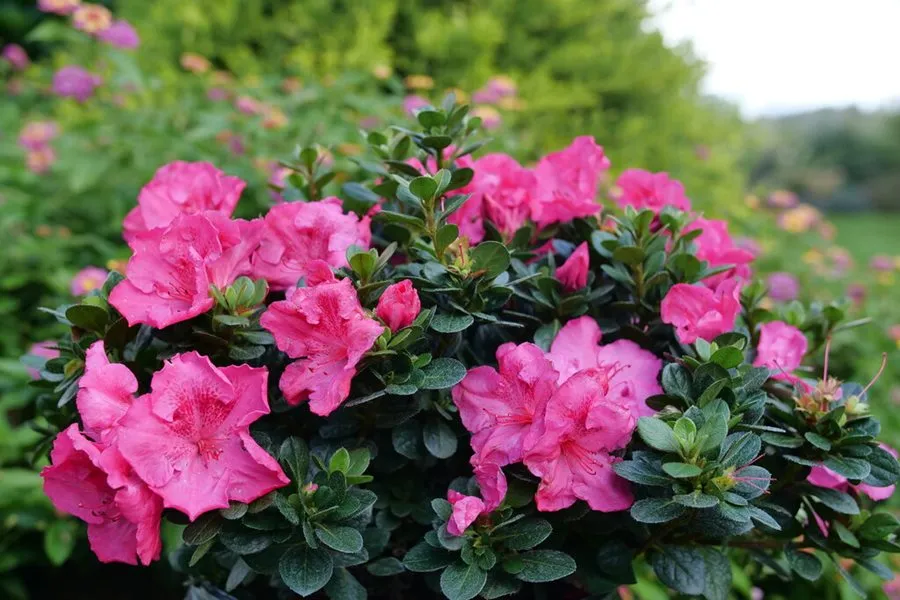
Azaleas and rhododendrons typically grow best in acidic soils and generally do not need additional magnesium unless a soil test indicates a deficiency. So, applying Epsom salt unnecessarily may contribute to nutrient imbalances without providing any clear benefit.
5. Plants That are not Actively Growing
Epsom salt is most effective when plants are actively growing and producing new leaves and flowers.
If you apply Epsom salt to plants that are not actively growing, such as those that are dormant or stressed, it may not be as effective and could even harm the plant.
If you’re unsure whether your plants would benefit from Epsom salt, consult with a gardening expert or do some research on the specific needs of your plants.
Tips to Use Epsom Salt
Is Epsom salt good for indoor plants? Yes, here are some tips for using Epsom salt in your garden or for your potted plants:
1. Test Your Soil
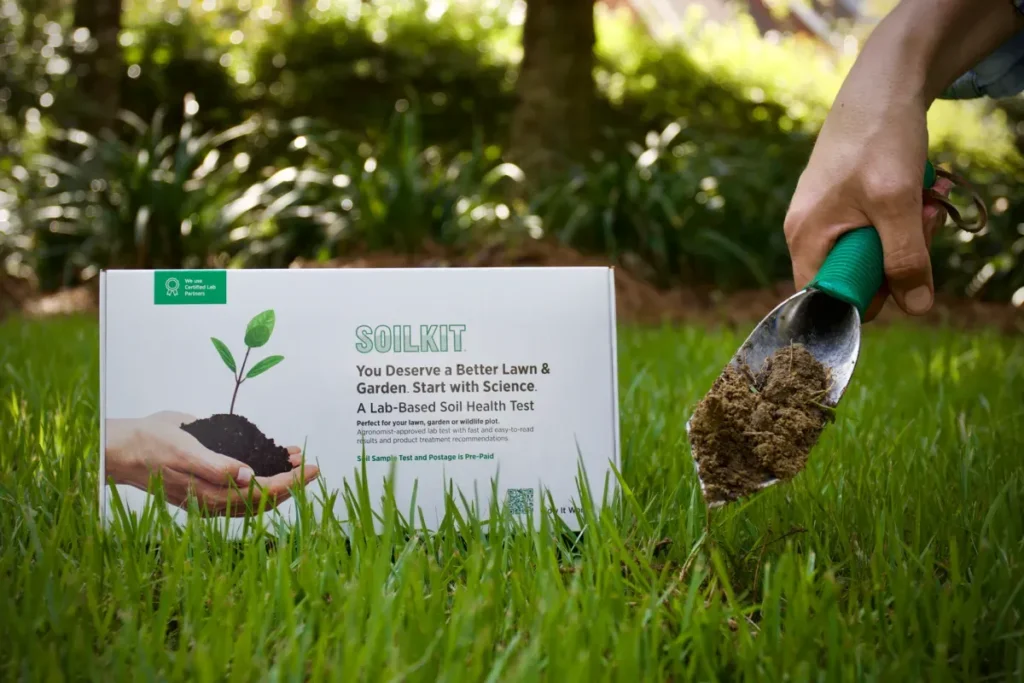
Before applying Epsom salt, test your soil to determine whether it is deficient in magnesium or sulfur. You can purchase a soil testing kit at your local garden center or online.
2. Use in Moderation
Epsom salt should be used in moderation, as overuse can be harmful to plants. You should follow package instructions.
Make sure to use no more than 1 tablespoon of Epsom salt per gallon of water for potted plants and no more than 1 cup per 100 square feet of soil for garden plants.
3. Apply at the Right Time
Usually, epsom salt is most effective when applied during the growing season, when plants are actively growing and producing new leaves and flowers.
4. Water after Application
After applying Epsom salt, you need to water your plants thoroughly to help the nutrients soak into the soil and reach the roots.
5. Avoid Direct Contact with Foliage
Epsom salt can burn plant foliage if applied directly to the leaves. To avoid this, apply the Epsom salt to the soil around the base of the plant.
6. Combine with Other Fertilizers
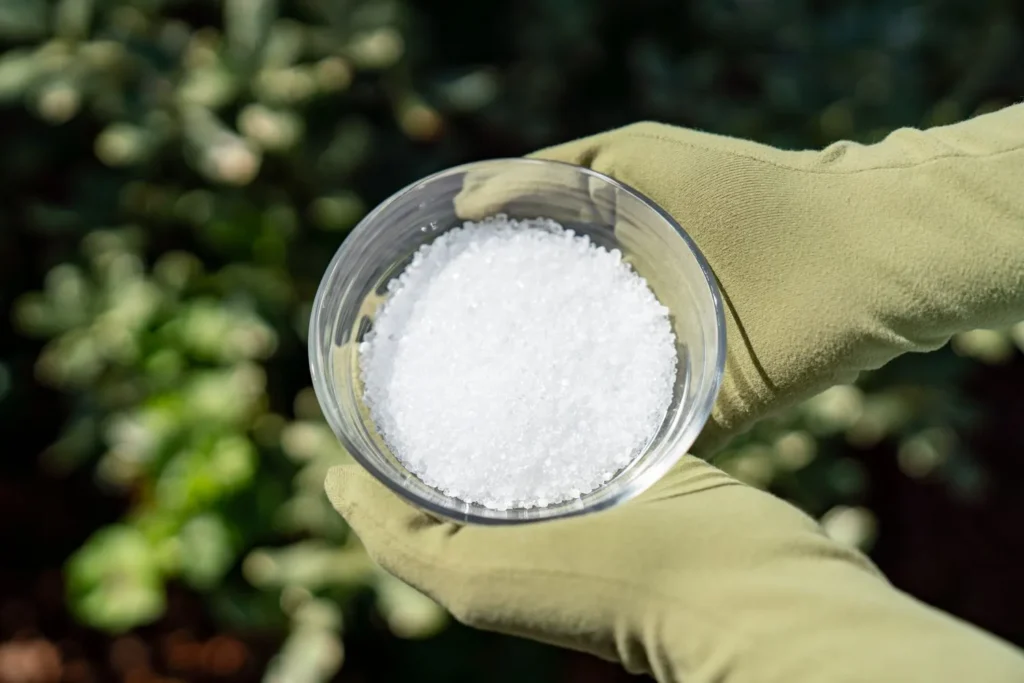
Usually, Epsom salt can be combined with other fertilizers, like compost or a balanced fertilizer, to provide a complete nutrient package for your plants.
FAQs: Epsom Salt Kill Plants
Is Epsom salt good for potted plants?
Yes, Epsom salt can be beneficial for potted plants as well as garden plants. Potted plants can be especially vulnerable to nutrient deficiencies because the nutrients in the potting soil can become depleted over time. Epsom salt can help replenish the magnesium and sulfur levels in the soil, which are essential nutrients for plant growth.
Is Epsom Salt Safe for Houseplants?
Epsom salt can help houseplants with a confirmed magnesium or sulfur deficiency. However, most healthy houseplants do not need it routinely. Excess salts can build up in potting soil, so use it only when necessary.
Can Epsom salt damage the soil?
Yes, overuse of Epsom salt can damage the soil. It can cause the soil to become too acidic, which can harm the beneficial microorganisms that live in the soil. This can lead to nutrient deficiencies and poor plant growth.
Can Epsom salt kill beneficial insects?
Excessive use may disrupt soil balance over time, but normal garden applications are not generally considered harmful to beneficial insects. These organisms can be harmed by the buildup of salt in the soil, which can also affect the health of plants.
How often should Epsom salt be used on plants?
Epsom salt should only be used when a magnesium deficiency is suspected or confirmed. Routine application is usually unnecessary for plants growing in healthy soil.
Can Epsom salt harm the environment?
Yes, excessive Epsom salt use can harm the environment. Excess magnesium and sulfate can leach into soil and waterways, potentially affecting water quality and aquatic ecosystems. Use Epsom salt only when plants actually need it.
Other Blogs: