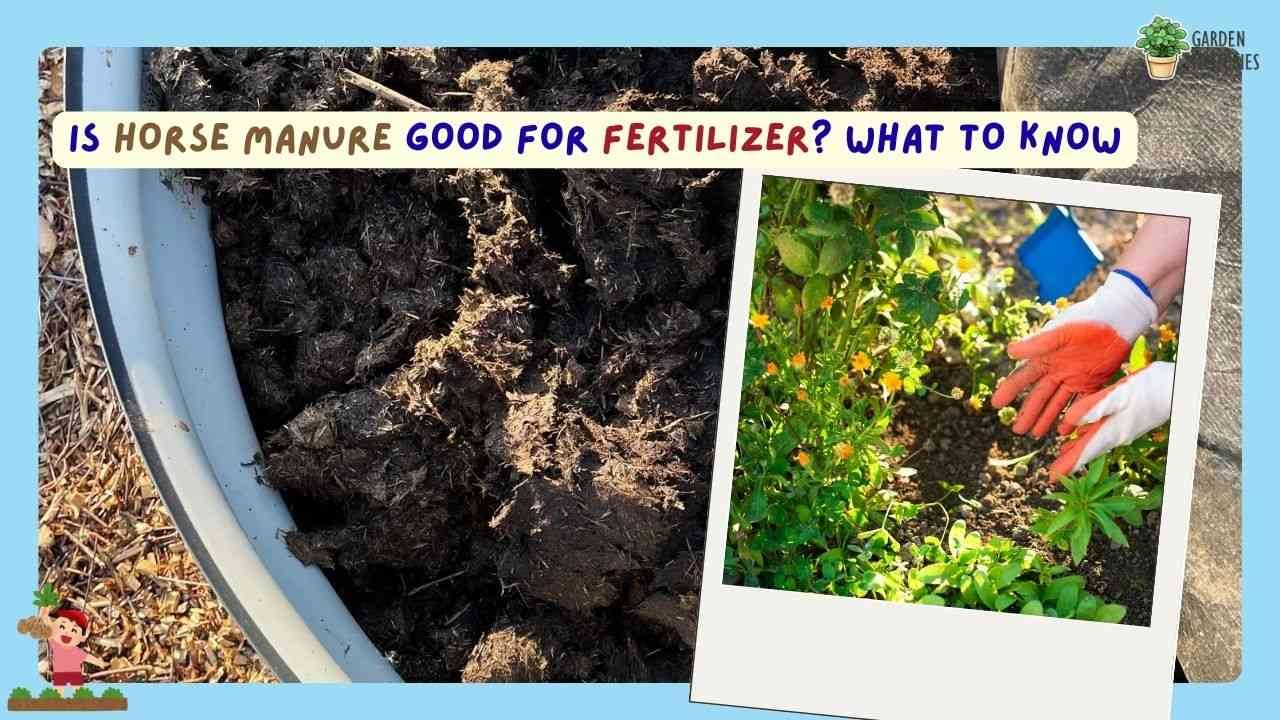
A free pile behind a neighbor’s stable can look like a gardener’s jackpot, until a scorched tomato bed says otherwise. Is horse manure good for fertilizer, or does it cause more trouble than it fixes?
Yes, horse manure is a very good fertilizer once it has aged or turned into compost. It feeds soil gently, rarely burns roots, and loosens heavy clay. Fresh manure is the one version to skip.
Home gardeners who want fuller beds, bigger blooms, and zero guesswork, this guide is for you. Read on for safe preparation, simple tests, and exact amounts.
Disclosure: This page may contain ads and affiliate links. We may earn a small commission from qualifying purchases at no extra cost to you. Thank you for supporting our work!
Horse Manure Is a Good Fertilizer When It Is Aged or Composted
Aged horse manure gives a garden what store-bought bags often lack: slow, steady food plus soft, crumbly soil. Plants grow at an even pace instead of rushing up and then stalling.
Stable bedding of straw or shavings is mixed in, and that fiber is the secret. It lightens sticky clay, helps sandy soil hold water, and keeps earthworms well fed.
Horses also eat plain grass and hay, so their manure is milder than chicken droppings. That means fewer scorched leaves and fewer lost plants.
Compare any compost or manure benefits list, and horse manure holds its own: free in many areas, easy to find, and gentle on beginners who are still learning how much is too much.
Nutrient Content of Horse Manure Compared With Cow, Chicken, and Other Manures
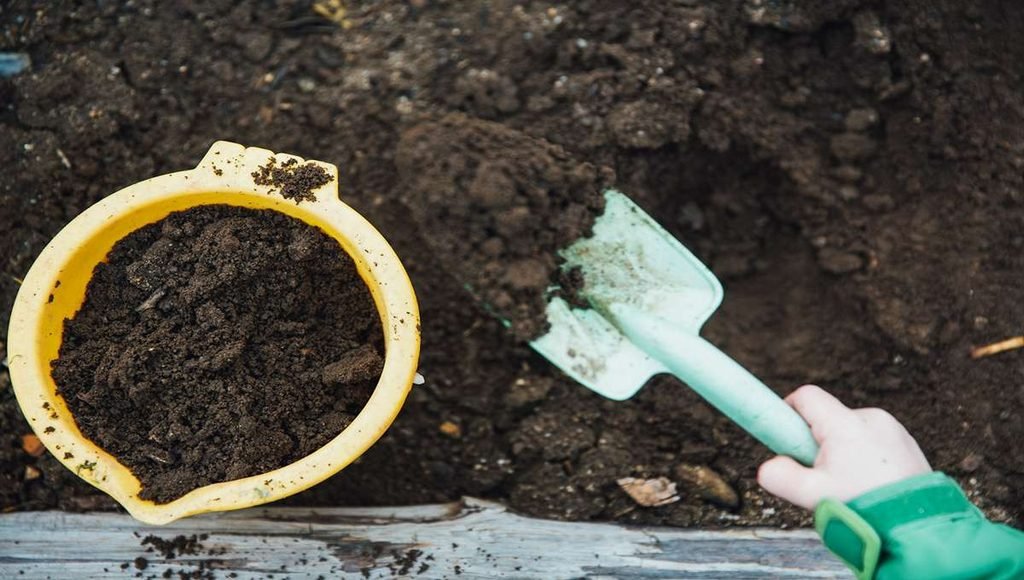
Photo by Markus Spiske on Unsplash
Manure types differ in strength, and strength decides how safely each one goes on the garden. NPK simply lists the three main plant foods: nitrogen for leaves, phosphorus for roots and flowers, and potassium for overall toughness. Horse manure sits in the middle, with balanced food, mild action, and easy use in most beds.
| Manure | NPK (Plant Food) | Burn Risk | Best Use |
| Horse (aged) | About 0.6-0.3-0.5, balanced | Low | Vegetable beds, flower beds, lawns, fruit trees |
| Cow | Mild and balanced | Low | General soil building and flower beds |
| Chicken | Higher nitrogen than horse | High unless fully composted | Leafy crops, small amounts after full composting |
Why Fresh Horse Manure Can Damage Plants and Soil
Fresh manure looks harmless but acts like a strong chemical in the soil. Four problems show up often, and each has a simple fix. A quick read here can save a full season of replanting.
Ammonia and Root Burn
Raw manure releases ammonia, the sharp gas found in many household cleaners. Roots that touch it dry out, and leaves yellow within days. Young seedlings suffer most, so a rich-looking bed can lose a whole row in a week. Aged manure is the best fertilizer for annuals and perennials with tender roots, because the sting is gone.
Nitrogen Tie-Up From Wood Shavings
Wood shavings borrow nitrogen from the soil while they break down, which starves nearby plants. A bed can look dark and rich yet grow pale, sluggish seedlings. Three signs give it away:
- Yellowing lower leaves
- Slow growth after planting
- Stable bedding heavy on sawdust
Weed Seeds in Manure
Horses do not digest every seed in their hay, so unaged manure often sprouts a fresh crop of weeds. One wheelbarrow can add months of extra pulling. Well-heated horse manure compost destroys most of those seeds before they ever reach your beds.
Pathogens Such as E. coli and Salmonella
Fresh manure can carry germs such as E. coli and Salmonella, which cling to lettuce, carrots, and other crops that touch the soil. Proper aging cuts that risk sharply, and a few habits add extra safety:
- Wash hands after every garden session
- Rinse all produce well before eating
- Store raw piles away from edible beds
How to Compost Horse Manure Before Using It in the Garden
Compost is just manure given time, air, and moisture. Six simple steps turn a smelly pile into dark, crumbly soil food that is safe for beds, pots, and borders. No special equipment is needed.
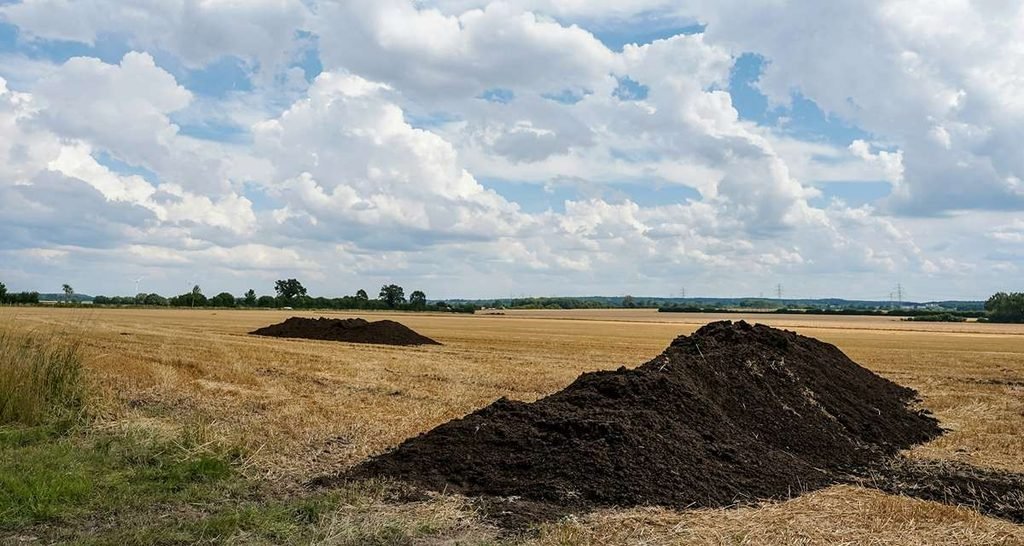
Photo by Wolfgang Weiser on Unsplash
Choosing the Right Spot for the Pile
A flat, partly shaded corner works best, away from wells, streams, and the vegetable patch. Shade keeps the pile from drying out, and distance keeps runoff away from anything you eat. Make sure a hose can reach it.
Building the Pile
Layer manure with dry leaves, straw, or shredded paper so air can move through. Aim for a pile about 3 feet wide and 3 feet tall, since smaller ones cool down too fast.
- Alternate thin layers of manure and dry material
- Wet each layer until it feels like a wrung-out sponge
- Cover with a tarp to hold heat and block rain
Hot Composting Method
Turn the pile every week or two and keep it damp. Once the center reaches 131°F (55°C), weed seeds and germs start dying off. A cheap compost thermometer takes the guesswork out and tells you exactly when to turn.
Cold Aging Method and Timeline
If you plan to use horse manure as fertiliser without turning anything, cold aging works with almost no effort. Cover the pile and let time do the job.
- Straw bedding: 3 to 6 months
- Wood shavings: closer to a year
Signs That the Manure Is Ready
Finished manure looks like dark, crumbly soil and smells earthy, not sharp. Most straw pieces vanish, and the center no longer feels warm. For anyone hunting the best flower fertilizer homemade, this result is a strong contender. A leftover ammonia smell means it needs more time.
Safe Handling During the Process
Wear gloves, wash hands after every session, and keep the pile away from children and pets. Rinse tools afterward. Dry manure throws off dust, so dampen it before turning to avoid breathing it in.
Herbicide Residue in Horse Manure and How to Test for It
Some weed-killers sprayed on hay pass through a horse and survive in the manure, even after composting. Whether the pile is fresh or already rotted/composted, it can still stunt young tomatoes, beans, peas, and potatoes.
Opinions differ on how common this problem is, but a small test costs almost nothing next to a ruined garden. Ask the stable owner a few questions first, then try the bean test below. Both steps take little effort.
- Ask About Hay: Ask the stable owner whether the horses ate hay or grass from fields treated with weed-killer.
- Watch Early Growth: Curled, cupped, or twisted leaves on young plants often point to herbicide trouble rather than disease or pests.
- Pot Setup: Fill two pots, one with a manure and soil mix and one with plain potting soil.
- Plant Beans: Sow three or four bean or pea seeds in each pot, since both react quickly to herbicide.
- Compare Growth: Wait about three weeks, then compare; twisted or stunted seedlings in the manure pot mean trouble.
- Failed Test: Keep that batch away from vegetable and flower beds, then switch to a supplier with untreated hay.
How to Apply Composted Horse Manure for Best Results
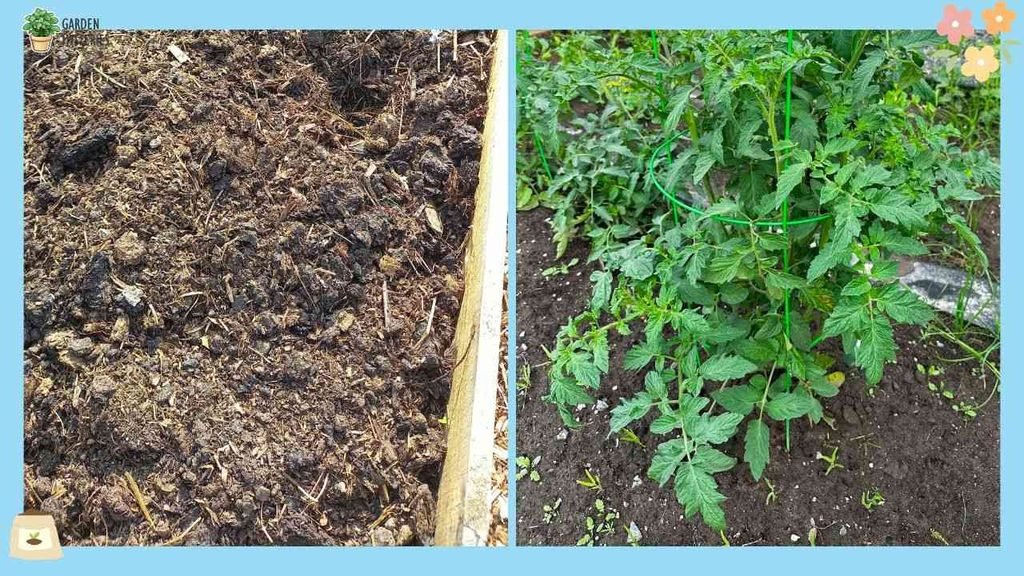
Composted manure still needs smart timing and the right dose. Too little does little, and too much wastes the pile. Five quick guides below show how much, when, and where to spread it, so every bed benefits.
Best Time to Apply
Early spring, a few weeks before planting, suits most beds. Autumn works too, since winter rain mixes the compost into resting soil.
Raw manure needs far more patience. The USDA Agricultural Marketing Service states that raw manure must go on at least 90 days before harvest for crops that stay off the soil, and 120 days for crops that touch it.
How Much to Use per Square Foot
A layer about 1 to 2 inches deep across the bed is plenty for most gardens.
For new raised beds or pots, mix topsoil with compost so the compost makes up roughly a quarter to a half of the blend. Roots get plenty of food, and drainage stays healthy.
Vegetable and Fruit Crops
Tomatoes, squash, corn, and cabbage love the steady meal. Spread compost over the bed before planting and rake it in lightly.
Strawberries and young fruit trees benefit too. Keep compost a few inches from stems and trunks so bark and crowns stay dry.
Flowers, Lawns, and Trees
Roses, perennial borders, and annual flowers bloom longer with a yearly top layer. Rake a thin coat over a lawn in spring, then water it in.
Around trees, spread compost out to the drip line, the edge of the branches, and leave the trunk itself bare.
Plants That Prefer Less Manure
Carrots, beets, and other root crops tend to fork or split in very rich soil. Beans, peas, and herbs like rosemary and thyme prefer lean ground.
Succulents and cacti also do better with a very light touch. When unsure, use a thin layer and add more next season.

End Note
Horse manure earns a real place in the garden once it has aged or turned into compost. Handled the right way, it feeds plants slowly, builds soft, workable soil, and often costs nothing at all.
Start with one small bed this season, run the bean test, and watch how the plants respond. A little patience now brings thicker blooms, fuller harvests, and richer soil for years to come. Then spread the wins to every other bed.
Note: This blog may contain ads and affiliate links. We may earn a commission from qualifying purchases at no extra cost to you. Product prices and availability may change without notice.
Our Recent Blogs: