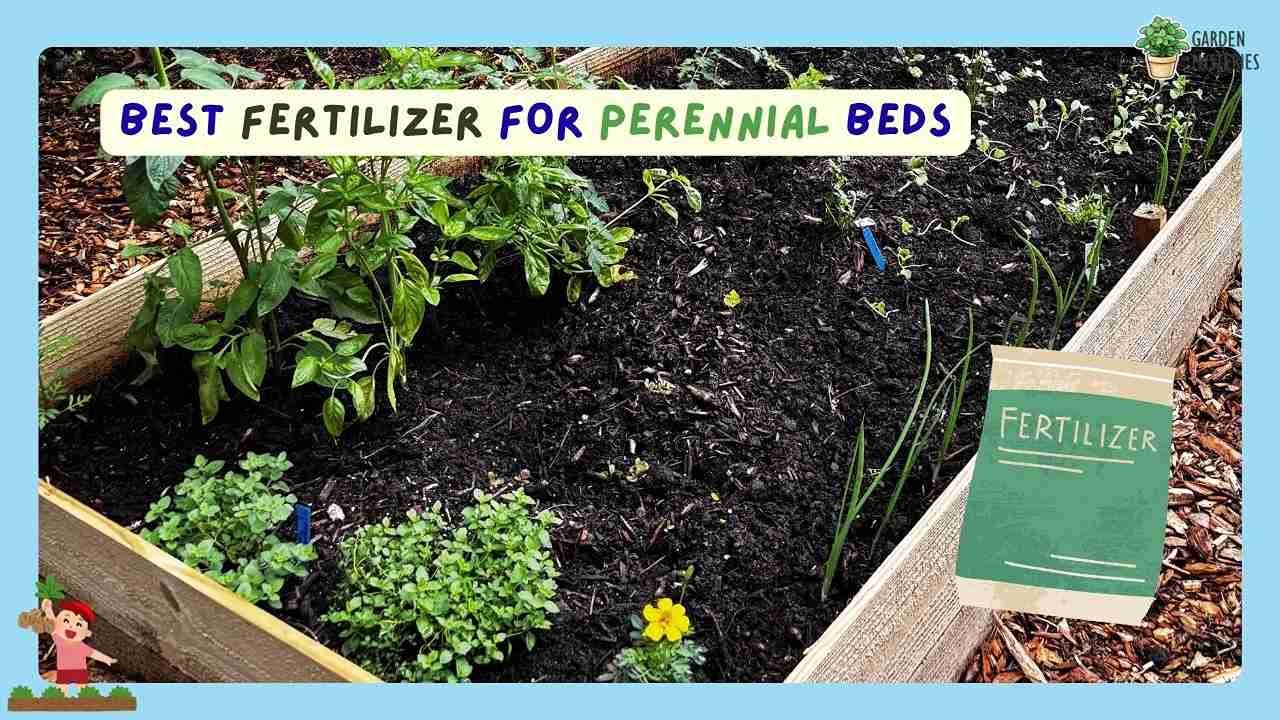
Perennials grow in the same spot for years, so the soil slowly runs out of food. What is the best fertilizer for perennial flower beds that should bloom bigger every spring?
Burpee Bone Meal builds strong roots, Alaska Fish Emulsion grows thick green leaves, and Farmer’s Secret Soil Revitalizer rebuilds tired soil. Each one feeds gently, so roots stay safe, and flowers keep coming.
Busy home gardeners, this guide is for you. Read on to see five top picks, simple feeding tips, and easy homemade recipes that bring back full, colorful beds.
A Little Disclosure: Our blog may include ads and affiliate links. If you make a purchase through these links, we may earn a small commission at no extra cost to you. Your support helps us keep sharing useful and fun content.
Signs That Your Perennials Need Fertilizers
Perennials rarely complain loudly. They send small signals first, and a quick walk through the bed shows you which plants are hungry before the problem gets worse. Look for these six signs.
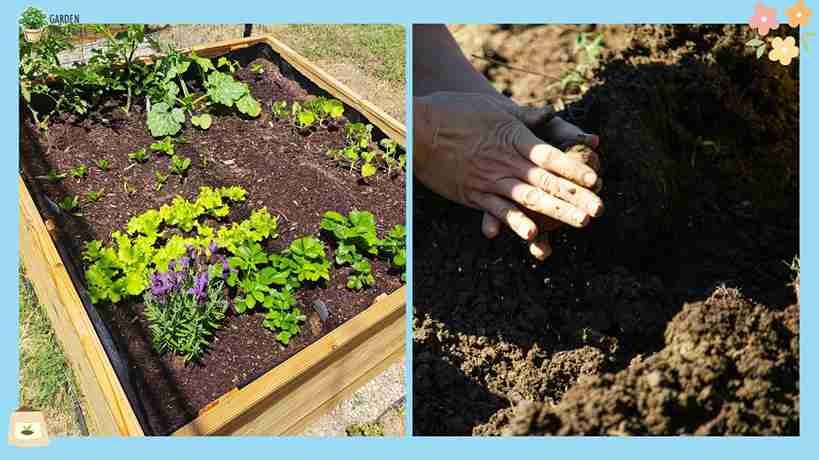
- Pale Yellow Leaves: Leaves fade to light green or yellow while veins stay dark, a clear sign the plant needs nitrogen.
- Slow Stunted Growth: Shoots stay short in spring, and the clump looks smaller than last year, even with enough sun and water.
- Weak Blooms: Stems stand tall, yet buds are few and the flowers that open look small and washed out.
- Floppy Stems: Stems bend under the weight of their own flowers and need stakes, a sign of low potassium or thin roots.
- Bare Center: The middle of an older clump dies back and leaves a hole, because roots have used up the nearby food.
- Repeat Pest Problems: Aphids and mildew move in faster on stressed plants, so repeated attacks often mean the soil needs a boost.
Spot two or more signs? Feed now, then plan one more round in early fall to prepare perennials for winter.
A well-fed plant stores energy in its roots, survives frost better, and returns stronger next spring. Keep notes on which plants showed signs, so next year you can feed them first.
5 Best Fertilizers for Perennials
Photo by Neslihan Gunaydin on Unsplash
1. Age Old Grow Natural Based Liquid Fertilizer
- Form: Liquid
- Size Reviewed: 32 ounces
- Rating: 4.7 out of 5 from 432 buyers
- Where It Works: Indoor, urban, and home gardens, plus hydroponics
- Badge: Amazon’s Choice
Busy gardeners get a fast-acting, all-purpose feed in one bottle. Plant nutrients come from natural sources, so perennials like coneflower and daylily green up quickly after a tired, dry late summer.
The formula is concentrated, so a small amount goes a long way. One 32-ounce bottle covers many watering cans. For a garden tub size planter of salvia or catmint, a measured splash is enough.
Age Old began as a small family business and now ships across the United States. Home gardeners hunting for the best fertilizer for annuals and perennials get one bottle that feeds both beds.
When & how to use
Dilute it in a watering can using the ratio on the label, then pour it around the base of each plant. Feed during spring and summer growth, and stop when frost arrives.

- PRODUCT NOT AVAILABLE FOR SALE IN OREGON
- Natural based plant nutrients
- Fast-acting all-purpose fertilizer
2. Alaska Fish Emulsion Fertilizer 5-1-1
- Type: Liquid fish emulsion
- Formula: 5-1-1, OMRI listed
- Size Reviewed: 1-gallon concentrate (115 fluid ounces)
- Works On: Vegetables, shrubs, trees, and container plants
- Rating: 4.7 out of 5 from 1,283 buyers
Nitrogen leads this formula, so leafy growth comes first. Peonies, phlox, and hardy geraniums push out thick, deep green foliage in spring, and that strong top growth sets up flowers later.
Fish is a time-tested source of nutrients, and it feeds the soil life too. Microbes thrive on it and break down organic matter faster, so your beds improve with every season.
Growers who want a fruit bloom booster fertilizer can pair this jug with a phosphorus source like bone meal, because its own phosphorus number stays low. Fruit trees and berry bushes still get a steady nitrogen feed from it.
When & how to use
Every three weeks during the growing season, mix a measured dose with water and pour it over the soil around each plant. Follow the label amounts, and the formula will not burn plants.
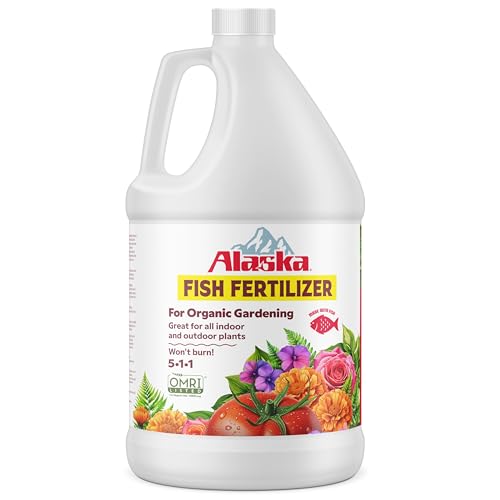
- For Organic Gardening: Certified by OMRI for organic use, this organic fish fertilizer is trusted by gardeners who value…
- Made with Fish: Trusted for generations, this fish emulsion fertilizer is a natural source of essential nutrients to sup…
- Plant Food for Every Garden: This Alaskan Fish Fertilizer feeds vegetables, fruits, roses, shrubs, trees, and container …
3. Brut Worm Farms Organic Worm Castings
- Form: Granular vermicompost
- Pack: Two 30 lb bags
- Approval: Certified organic
- Best For: Potting mixes and soil enrichment, indoors and out
- Rating: 4.7 out of 5 from 176 buyers
Picture a tired perennial bed in October. Worm castings are the gentle, slow-working answer because they feed plants without any risk of burning tender roots. Hostas and asters especially enjoy the mild, steady feed.
Iron joins the blend, and leaves that look pale usually appreciate it. The granules also hold moisture in the soil, which helps potted perennials between waterings on hot summer days.
The bulk size of this best fertilizer for perennials leaves plenty to share, and a scoop steeped in water becomes a homemade fertilizer tea for your blooms. Fill pots, top-dress beds, and still have bags left for next spring.
When & how to use
Sprinkle a handful around each plant’s base in early spring, or blend it into potting mix at planting time. Water well afterward so the nutrients settle in and reach the roots.

- Supercharge Your Garden: Elevate your plants' growth with premium organic Brut Worm Castings. Our certified organic form…
4. Burpee Natural & Organic Bone Meal Fertilizer
- Form: Powder
- Size Reviewed: 3 lb pack
- Approval: OMRI listed for organic gardening
- Rating: 4.7 out of 5 from 8,062 buyers
- Made In: The USA
Strong roots decide how well a perennial returns each year, and bone meal builds them. It delivers nitrogen, phosphorus, and calcium in an organic form plants can use right away.
Gardeners planting tulips and other winter bulb flowers in fall get a big payoff, because the powder breaks down slowly and keeps feeding roots through the cold months, so spring shoots rise strong.
Fine granules spread easily by hand across a bed or inside a pot. Bone meal also helps naturally deter rabbits from nibbling new growth, and Burpee has backed gardeners since 1876.
When & how to use
Mix it into the soil or potting mix at planting, or any time before harvest. Follow the pack for the amount, and work it into the hole so roots reach it quickly.

- STRONGER ROOT DEVELOPMENT: Bone Meal is a natural source of vital, readily available organic nitrogen, phosphorus and ca…
- ADD TO SOIL: Add to soil or potting mix during seed starting or at any time prior to harvest to fuel strong roots and ea…
- ORGANIC CERTIFIED: OMRI listed for organic gardening, Bone Meal is ideal for new bedding plants, giving established home…
5. Farmer’s Secret Soil Revitalizer & Liquid Compost
- Type: Liquid soil builder with activated humic acid
- Size Reviewed: 32 ounces
- Mix Ratio: 1 ounce per gallon of water
- Rating: 4.5 out of 5 from 2,502 buyers
- Made In: Kentucky
Perennials stay in one spot for years, so tired soil hurts them most. Gardeners seeking the best fertilizer for perennial flowers often start here, because it rebuilds the dirt that feeds every plant.
No synthetic chemicals go in the bottle. Activated humics wake up soil microbes and free up nutrients, so the result works like compost on fast-forward, and you skip the long wait for a compost pile.
Worn-out beds recover too, and strong soil helps plants fight off pests and disease. One bottle suits every type of plant you grow, and each bed in the yard benefits.
When & how to use
Apply it monthly during the growing season, and give fall and spring special attention. Water it onto the soil for root feeding, or spray the leaves with a sprayer for a quick boost.

- Feed the soil not the plants – stimulate microbial activity in your soil and boost probability of success with all types…
- For best results, apply monthly throughout the growing season, especially in the fall and spring
- No synthetic chemicals – main ingredient in this product is activated humics derived from organic sources (OMRI certifie…
Organic vs. Synthetic Fertilizer for Perennials
Organic fertilizers come from plants, animals, and minerals, such as compost, worm castings, fish emulsion, and bone meal. They feed slowly, improve the soil, support helpful microbes, and almost never burn roots.
Factories make synthetic fertilizers, and the nutrients reach roots right away. A bag marked NPK 10-10-10 fertilizer gives equal parts nitrogen, phosphorus, and potassium, so one scoop covers every basic need. Leaves green up fast.
| Feature | Organic | Synthetic |
| Speed | Slow and steady | Fast |
| Root Burn Risk | Very low | Higher with extra scoops |
| Soil Health | Feeds soil microbes | Feeds plants only |
| Smell | Earthy, fish types stay strong | Almost none |
| Price | Often higher | Often lower |
| Best Use | Long-term bed health | Quick fixes |
Organic fertilizer suits perennials best, because these plants stay in the same soil for years and love a steady, gentle feed. Liquid fertilizer or granular fertilizer both work in organic form.
Liquid fixes a hungry plant in days, while granules feed for weeks. A daylily bed fed with compost and fish emulsion each spring keeps getting fuller, since the soil improves with every feed.
Synthetic plant food still has a place. Use a half dose in early spring when a plant looks pale, then switch back to organic. Pair either type with a layer of mulch to hold the moisture.
Homemade Fertilizer Ideas for Perennials
Your kitchen and compost bin already hold free plant food. These three recipes take five minutes, cost almost nothing, and give perennials a gentle boost between store-bought feeds. Every homemade flower fertilizer here starts with scraps.
Photo by Hasan Hasanzadeh on Unsplash
Banana peel water
Homemade banana peel fertilizer gives plants a potassium lift, and potassium helps flowers open fuller and stems stay sturdy. Peonies and phlox respond well to it. It really can be one of the best fertilizer for perennial flowers.
Soak two peels in a quart jar of water for 48 hours. Strain, dilute with an equal amount of fresh water, and pour it around the base of each plant.
Compost tea
Finished compost carries the microbes that keep soil healthy. Water pulls those microbes and a little nutrient out of the compost and carries them to the whole root zone.
Pour it on the soil in the morning, once every three weeks. Hostas and asters often show deeper leaf color within a month.
- Fill a bucket with water and add one shovel of finished compost.
- Stir once a day and let it steep for two days.
- Strain it through an old shirt, then dilute until it looks like weak tea.
Worm castings tea
Worm castings are mild, so this tea suits young plants and potted perennials. Mix one cup of castings with a gallon of water and steep for 24 hours.
Strain well, pour it around the base of each plant in early spring, and repeat after the first bloom. Scoop the leftover castings back into the pot as a top layer.
End Note
Perennials reward steady care. Bone meal builds roots, fish emulsion adds leafy growth, worm castings and soil revitalizer improve the ground, and Age Old gives a quick all-purpose feed.
Watch your plants for pale leaves and weak blooms, feed in spring and early fall, and keep doses small. Homemade teas fill the gaps between store-bought feeds.
Pick one product from this list, feed your beds on time, and enjoy fuller flowers next spring. Your garden will thank you with color.
Disclosure: This website may contain advertisements and affiliate links. We may earn compensation from qualifying purchases made through affiliate links, at no additional cost to you. This support helps us maintain the site and continue providing helpful content.