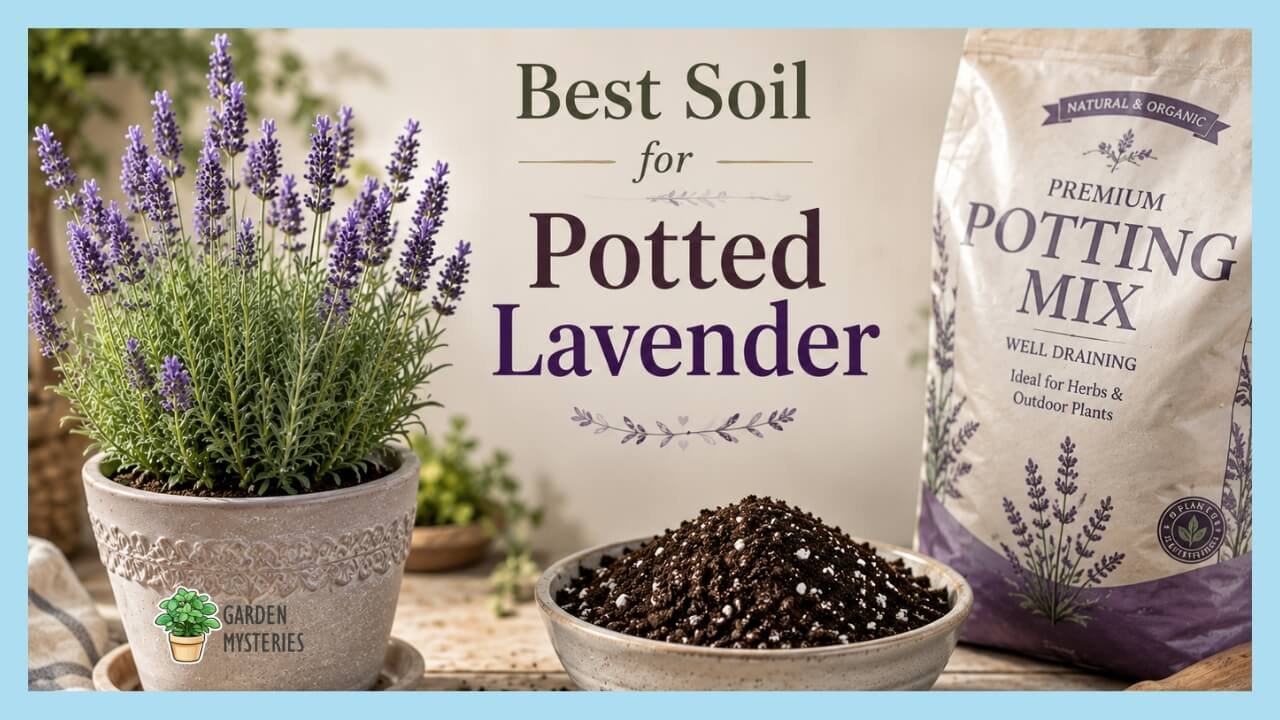
The best soil for potted lavender is a well-draining mix with sandy or gritty texture, slightly alkaline pH, and low organic content. This mimics lavender’s natural Mediterranean habitat and prevents root rot from trapped moisture.
Many gardeners get confused between potting soil for lavender plants and regular potting mix. Regular mixes hold too much moisture and lack the alkaline balance lavender needs. Choosing the wrong soil often leads to yellowing leaves or slow growth.
In this guide, I share soil mixes I have personally tested, including Soil Sunrise Lavender Potting Soil Mix and Doter Premium Lavender Potting Mix. Keep reading to find the right soil, along with easy care tips for healthier blooms.
Key Takeaways
- Lavender needs fast-draining soil with a sandy or gritty texture.
- A slightly alkaline pH between 6.7 and 7.3 suits lavender best.
- Avoid heavy, moisture-retentive soil to prevent root rot issues.
- Soil Sunrise and Doter mixes work well for potted lavender.
- Add coarse sand or perlite to boost drainage in any mix.
- Garden lime helps raise soil pH for healthier lavender roots.
What Type of Potting Soil Is Good for Lavender?
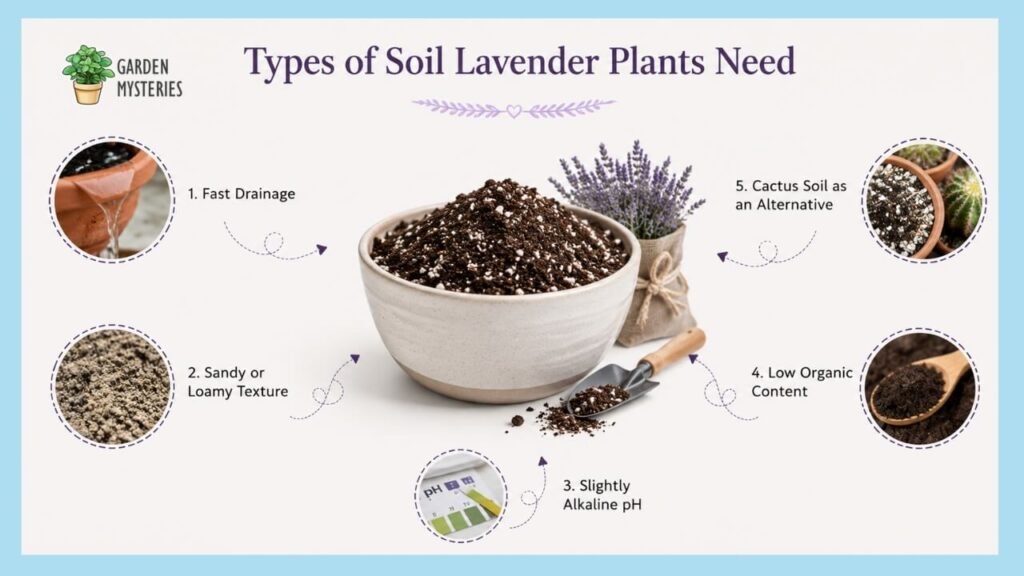
Good potting soil for lavender plants is sandy, well-draining, and slightly alkaline. It should contain grit like perlite, pumice, or coarse sand, plus a little organic matter. This structure mirrors lavender’s native Mediterranean soil and keeps roots healthy and dry.
Fast Drainage
Lavender roots rot quickly in soggy soil, so drainage matters most. Adding perlite, pumice, or coarse sand keeps water moving through fast, protecting roots from staying wet for long periods.
Sandy or Loamy Texture
A sandy or loamy texture gives lavender the loose, breathable structure it prefers. Heavy clay soil compacts easily and traps moisture, which weakens roots and slows plant growth.
Slightly Alkaline pH
Lavender grows best in soil with a pH between 6.7 and 7.3. Most potting mixes lean acidic, so adding garden lime helps raise pH and supports stronger root development.
Low Organic Content
Unlike vegetables or flowering annuals, lavender does not need rich, heavy organic matter. Too much compost or peat holds excess moisture, which can lead to root rot in containers.
Cactus Soil as an Alternative
Cactus soil for lavender can work in a pinch, since both plants prefer fast-draining, gritty conditions. Just check the pH level first, since some cactus blends run more acidic.
5 Best Potting Soil for Lavender Plant
The 5 best potting soil options for lavender are Soil Sunrise Lavender Potting Soil Mix, Doter Premium Lavender Potting Mix, Gardenera Premium Lavender Potting Mix, Proven Winners All Purpose Potting Soil, and Miracle-Gro Succulent Potting Mix as a backup choice.
1. Soil Sunrise Lavender Potting Soil Mix (8 Quarts)
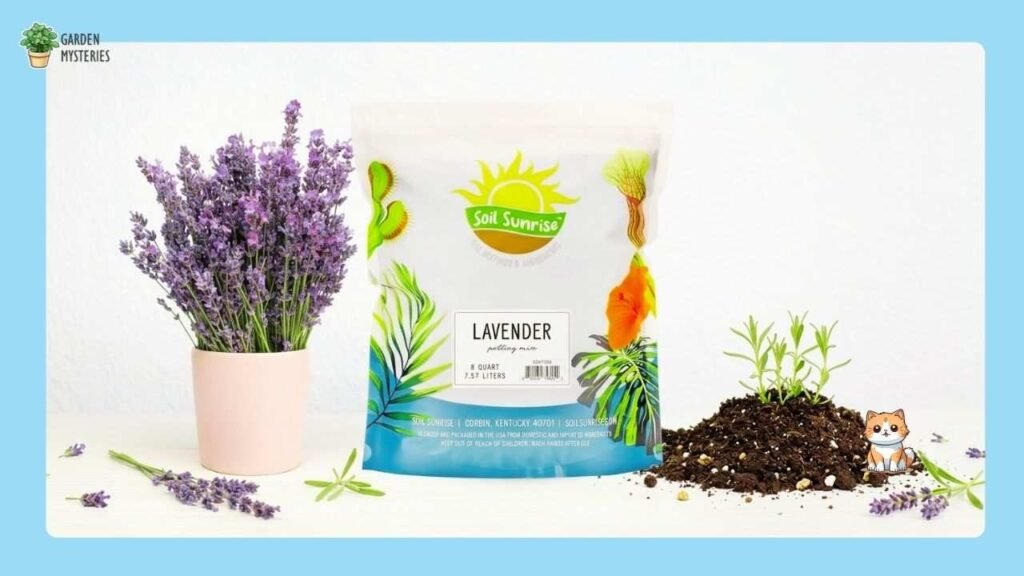
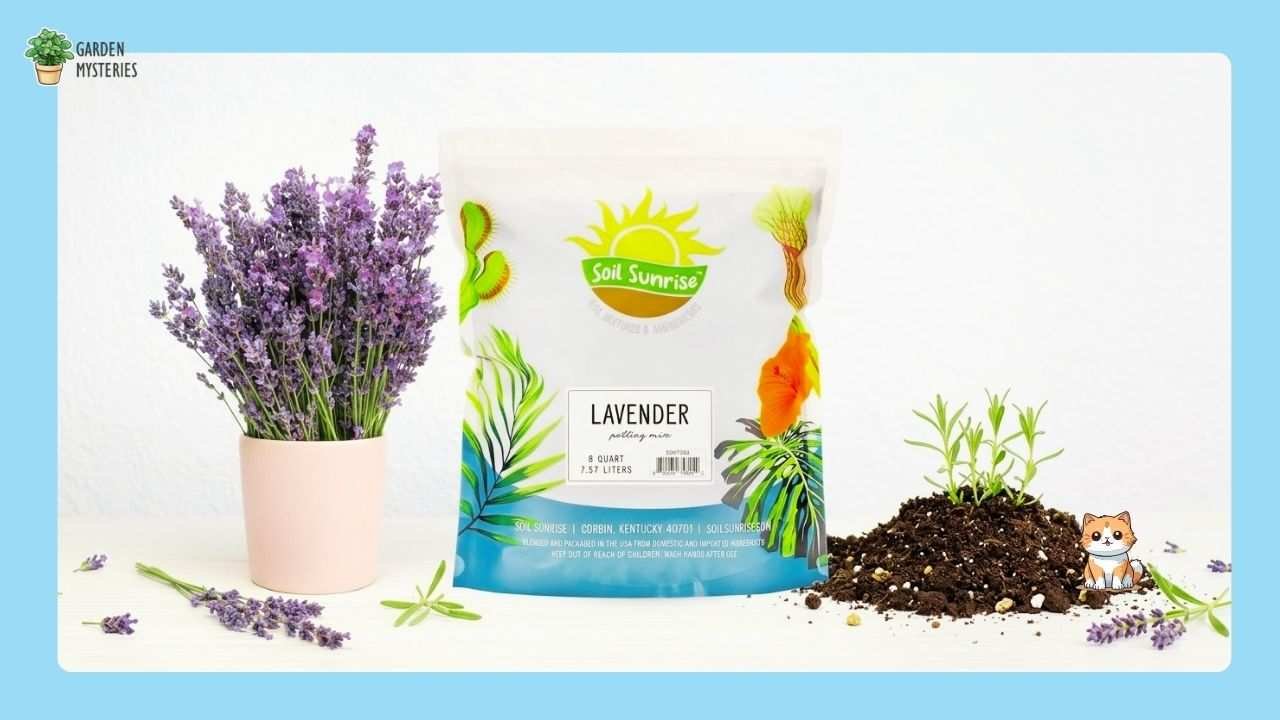
I used this potting soil to grow my potted French lavender last season, and the blend felt right from the start. Peat moss, perlite, pumice, and sand combined to keep drainage strong while holding just enough moisture for healthy roots.
With a 4.4-star rating from over 250 buyers, this Soil Sunrise Lavender soil mix has earned trust among home gardeners. My lavender settled in well within the first two weeks, showing no signs of waterlogging or slow, weak growth.
Soil Sunrise Lavender Potting Soil Mix
Visit the Soil Sunrise Store
🔥 Top Seller ✅ Best For: Lavender & Herb Containers✔ FREE Returns
Buy on AmazonWhy this soil works well for potted lavender:
- Peat moss and worm castings add organic matter and nutrients
- Perlite, pumice, and sand improve drainage and airflow
- Lime helps balance soil pH for lavender’s needs
- Charcoal keeps the mix fresh and filters out impurities
- One 8-quart bag comfortably fills a 12-inch pot
My honest suggestion: you can use this soil directly without adding anything. The blend already balances drainage, nutrients, and pH well, so it works fine straight out of the bag for most potted lavender setups.
2. Doter Premium Lavender Potting Mix (2qt)
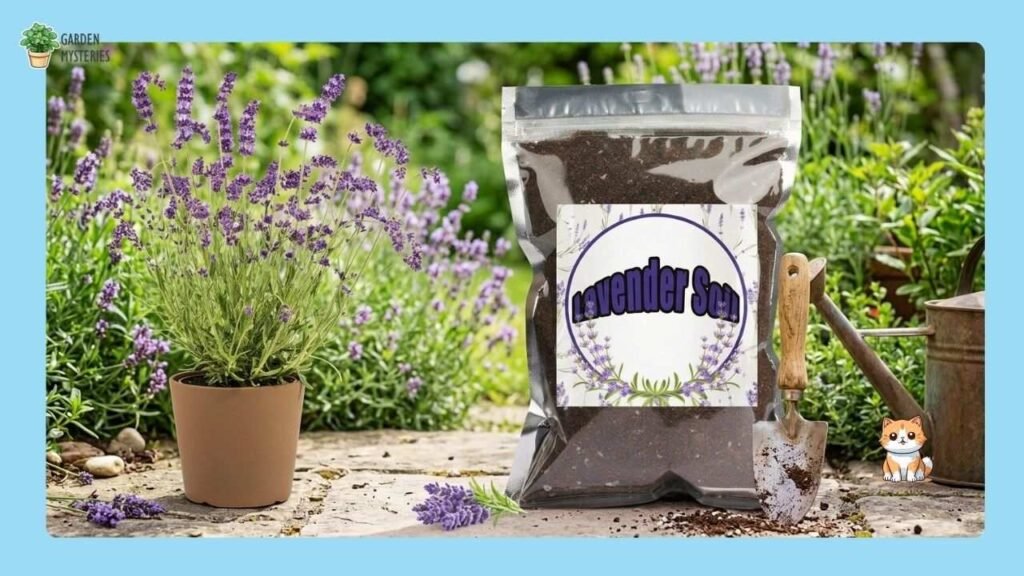
This lavender potting mix caught my attention for its pH focus. Lavender prefers a range between 6.4 and 8.4, and Doter’s blend sits right in that slightly alkaline sweet spot from the start.
Rated 4.0 stars from 68 buyers, this Doter Premium Lavender Potting Mix is a smaller-batch option that still performs well. Perlite and coir handled moisture nicely in my container tests, keeping roots dry between waterings without drying out completely.

Doter Premium Lavender Potting Mix 2qt
Visit the Doter Store
🔥 Top Seller ✅ Best For: Potted Lavender & Herbs✔ FREE Returns
Buy on AmazonWhy it can be the best soil for potted lavender:
- Balanced pH matches lavender’s natural preference range
- Perlite and coir combine for steady drainage and moisture control
- Nutrient content supports fuller, more fragrant blooms
- Compact 2qt size works well for smaller pots or fresh starts
- Backed by a horticultural brand focused on plant-specific soil blends
My suggestion here: if you’re using a larger pot, mix in a bit of coarse sand or extra perlite first, since this smaller quart size leans slightly moisture-retentive on its own.
3. Gardenera Premium Lavender Potting Mix (1 Quart)
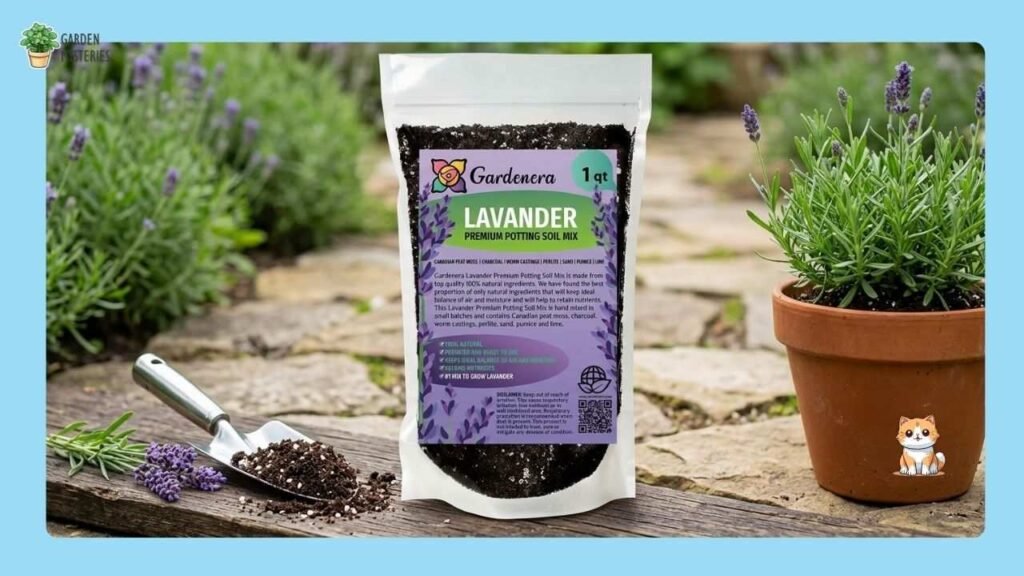
I’ll be upfront about this one. With only 15 reviews and a 3.8-star average, the track record is thinner than the other mixes I’ve tried for my lavender pots.
That said, the ingredient list reads well. Canadian peat moss, charcoal, worm castings, perlite, sand, pumice, and lime cover most bases lavender actually needs to stay happy in a container.

Gardenera Premium Lavender Potting Mix (1 Quart)
Visit the Gardenera Store
🔥 Top Seller ✅ Best For: Potted Lavender & Container Gardens✔ FREE Returns
Buy on AmazonWhere this mix stands out:
- Charcoal helps filter and freshen the soil over time
- Worm castings add a gentler, slower nutrient boost
- Canadian peat moss holds moisture without turning soggy
- Lime keeps pH steady for stronger root uptake
- Small 1-quart size works well for testing before committing to bigger
My honest take: since reviews are limited, I’d start with the smallest bag first. Try it on one lavender pot, watch how it drains, then scale up only if your plant responds well.
4. Miracle-Gro Succulent Potting Mix (4 qt.)
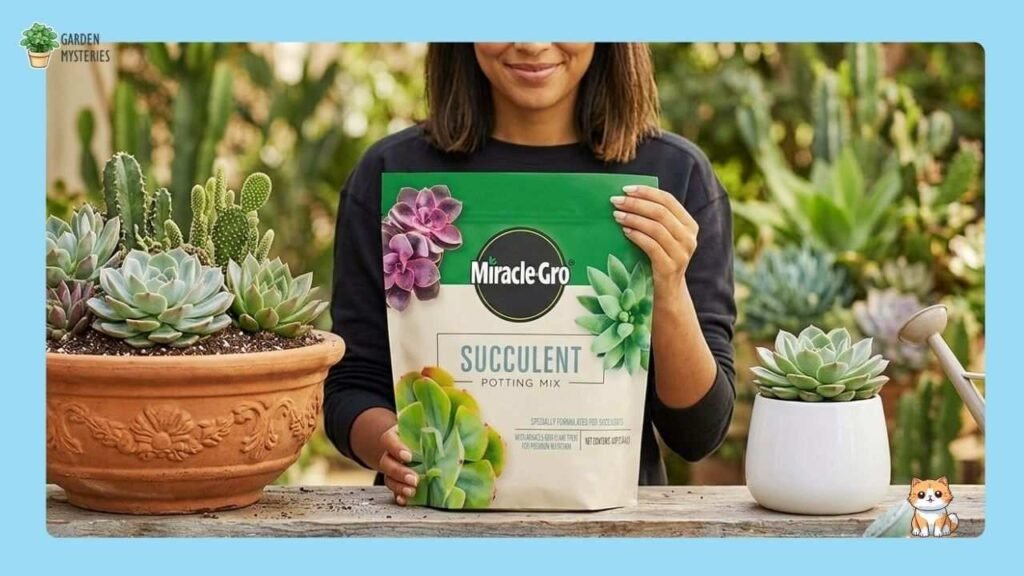
This one isn’t built for lavender, but I tested it anyway out of curiosity. With sphagnum peat moss and forest products, it drains quickly, which lavender roots also prefer in containers.
Rated 4.7 stars from over 13,000 buyers, it’s clearly trusted for succulents and cacti. Lavender showed decent results too, though blooms felt slightly less full compared to lavender-specific blends I tried.

Miracle-Gro Succulent Potting Mix
Visit the Miracle-Gro Store
🔥 Top Seller ✅ Best For: Succulents & Cacti✔ FREE Returns
Buy on AmazonWhere this mix could still help lavender growers:
- Fast-draining texture reduces waterlogging risk in pots
- Miracle-Gro plant food adds a nutrient boost early on
- Works well in dry climates or sunny indoor spots
- Affordable option if lavender-specific mixes aren’t available locally
- Best used for lavender grown alongside succulents in mixed containers
My honest suggestion: if you can get a lavender-specific mix instead, go with that first. Use this one only as a backup, and add a bit of compost for extra nutrients.
5. Proven Winners Premium All-Purpose Potting Soil: My Go-To DIY Base
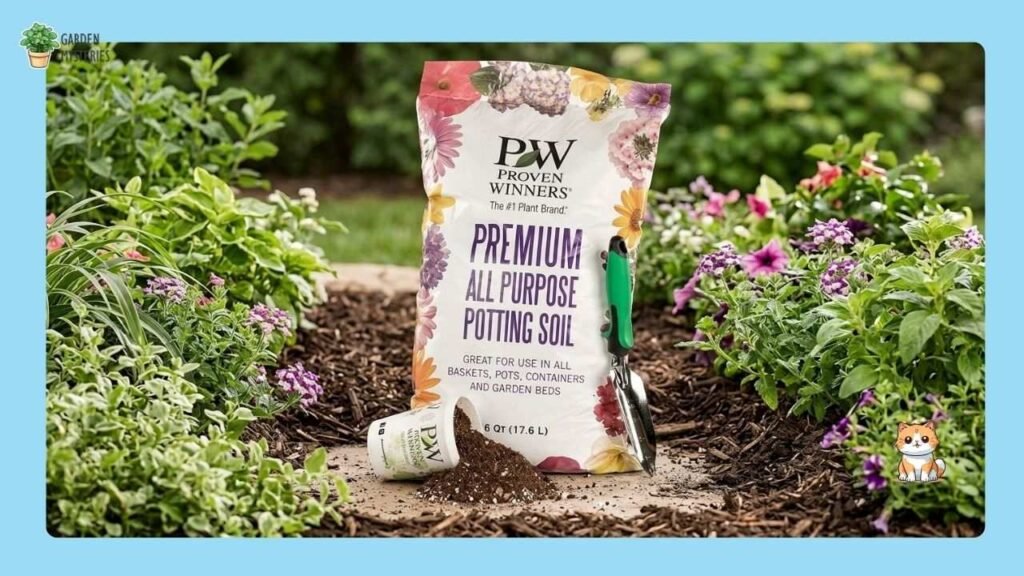
To be honest, this one is not the best soil for potted lavender. Still, I listed it because it’s easy to modify and make the best form.
Well, this is the one I actually use for my own lavender, though not straight from the bag. Composted bark, peat moss, and perlite give a strong base, but lavender needs a bit more adjustment.
I mix one part Proven Winners soil with one part coarse sand or cactus mix. This keeps the soil loose and fluffy, so excess water drains quickly and roots never sit wet for long.
Since lavender prefers a pH between 6.7 and 7.3, and this mix leans slightly acidic, I add garden lime to balance it out.

POTTING SOIL PW 1.5CF
Visit the Proven Winners Store
🔥 Top Seller ✅ Best For: All-Purpose Container Gardening✔ FREE Returns
Buy on AmazonHow I customize this soil for lavender:
- Combine 1 part Proven Winners soil with 1 part coarse sand or cactus mix
- Add 2 to 3 ounces of garden lime per cubic foot of soil
- Mix thoroughly before filling your pot to distribute lime evenly
- Check that drainage holes are open before adding the finished blend
Rated 4.6 stars from over 1,200 buyers, it’s a trusted base for many container plants. With a few simple additions, it becomes one of the best lavender setups I’ve grown with.
What Type of Soil Is Not Ideal for Lavender?
Not every potting mix for lavender works well, especially heavy or moisture-retentive types. Some soils sold for raised beds or vegetables trap water, which harms lavender growing in pots over time.
- Raised bed soil: Even though it’s good for vegetables, raised bed soil mix holds too much moisture for containers, since it’s built for open ground with natural drainage.
- Regular garden topsoil: Topsoil compacts quickly in pots, blocking airflow, and this often causes rosemary leaves turning yellow in nearby containers.
- Moisture-retaining potting mix: Mixes made for ferns or tropical plants hold water too long, leading to root rot fast.
- Peat-heavy blends: Too much peat moss without added grit keeps soil dense and slows drainage inside small containers over time.
- Clay-based soil: Clay holds water tightly and rarely dries out fully, which stresses lavender growing in pots quite badly.
- Fertilizer-heavy potting mix for lavender: Mixes loaded with heavy nitrogen fertilizer push leafy growth but reduce blooms and fragrance in lavender plants.
5 Effective Lavender Care Tips
A good potting mix for lavender is only the start. Long-term care, from watering to winter protection, keeps your plant blooming fully and thriving for years to come.
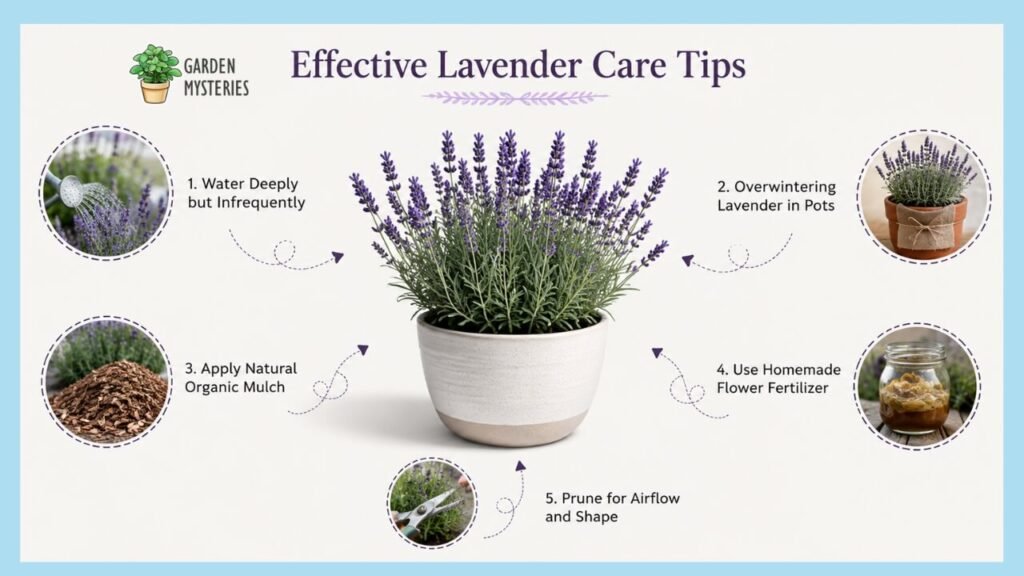
Water Deeply but Infrequently
Lavender prefers dry spells between waterings. Water deeply until it drains through, then wait until the top inch of soil feels dry. Overwatering remains the most common reason potted lavender struggles or dies early.
Overwintering Lavender in Pots
Move containers indoors or against a sheltered wall before frost arrives. Overwintering lavender in pots works best in a cool, bright spot with reduced watering, since dormant roots need far less moisture than in the summer months.
Apply Natural Organic Mulch
A layer of natural organic mulch, like straw or gravel, helps regulate soil temperature and moisture. Keep it away from the stem base, though, since trapped moisture near the crown can invite rot and disease.
Use Homemade Flower Fertilizer
Lavender rarely needs heavy feeding, but a light homemade flower fertilizer, like diluted compost tea, supports blooms without pushing excess leafy growth. Apply sparingly in early spring only, since overfeeding weakens fragrance and flower production overall.
Prune for Airflow and Shape
Regular pruning after blooming keeps lavender compact and encourages fresh growth next season. Good airflow between branches also lowers the risk of fungal issues, keeping your potted lavender healthier through humid summer months.
FAQs: Best Soil for Potted Lavender
Is Miracle-Gro potting mix good for lavender?
Miracle-Gro Succulent Potting Mix can work for lavender since it drains fast, but it’s not lavender-specific. Add coarse sand or garden lime for better results in containers.
Does lavender like deep or shallow pots?
Lavender prefers wide, moderately deep pots that allow roots to spread sideways. Avoid extremely deep containers, since excess soil below the roots holds unused moisture and raises root rot risk.
What should not be planted near lavender?
Avoid planting lavender near thirsty plants like ferns, hostas, or mint, since they need more frequent watering. This mismatch in moisture needs often stresses lavender roots and shortens its lifespan.
How often should lavender be watered?
Water potted lavender once the top inch of soil feels dry, usually every 7 to 10 days. Reduce watering further during cooler months, since the plant needs far less moisture then.
End Note
Finding the best soil for potted lavender comes down to drainage, texture, and pH balance. Once you get these basics right, your lavender rewards you with fuller blooms and a stronger fragrance season after season.
If you want a reliable starting point, Soil Sunrise Lavender Potting Soil Mix and Doter Premium Lavender Potting Mix remain my top picks. Both balance drainage and nutrients well, making them easy choices for beginners and experienced gardeners alike.
Note: Some links on this page may be affiliate links. If you make a purchase, I may earn a small commission at no extra cost to you. I only mention products I believe are genuinely useful for gardeners.