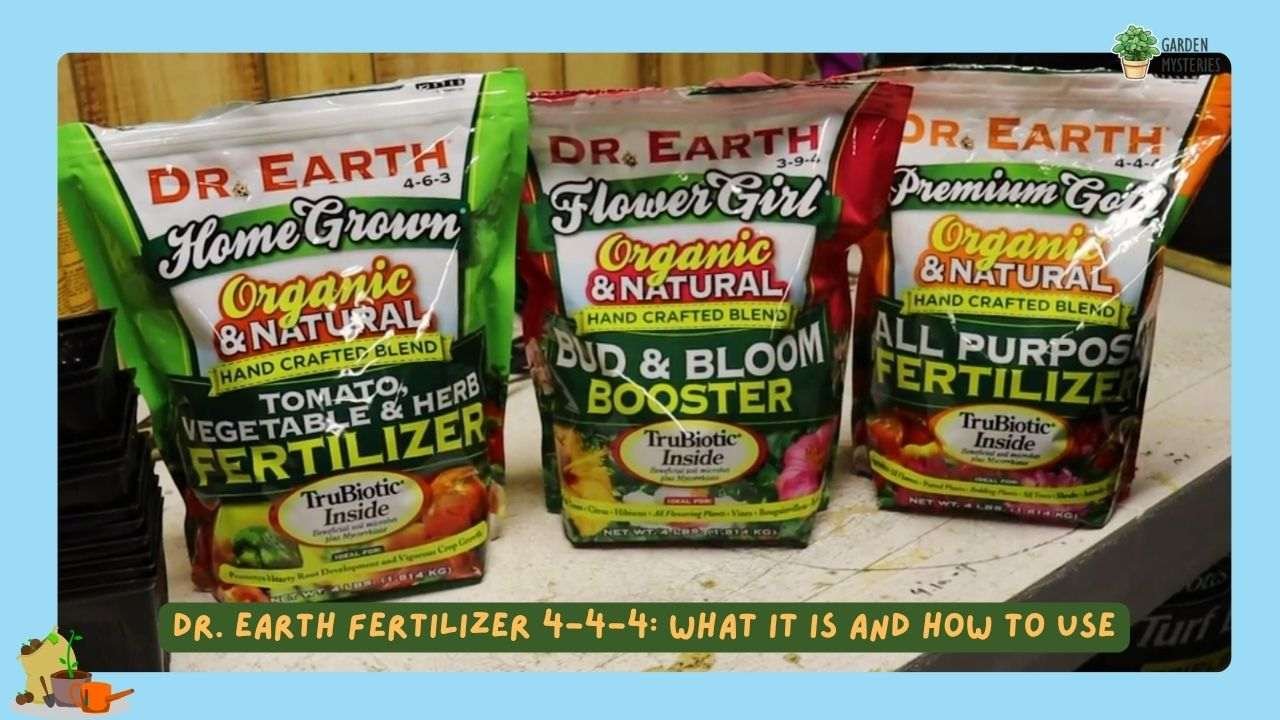
Dr Earth fertilizer 4 4 4 is a balanced, organic all purpose plant food built from fish bone meal, kelp, and mined minerals, feeding gardens with equal parts nitrogen, phosphorus, and potassium. It’s sold under the Premium Gold line and marketed for flowers, vegetables, and general beds alike.
The trouble is that Dr. Earth sells more than one 4-4-4 style product, and other brands like Down to Earth and Sta-Green use the same ratio too. That overlap makes shelf browsing confusing if you don’t check the label closely.
We picked up a bag this spring and ran it through a real planting cycle instead of just reading the back label. Below is what the ratio actually means, how we applied it, and where it fit against the alternatives we compared it to.
Key Takeaways
Before the full breakdown, here’s the short version for anyone skimming on their phone in the garden aisle.
- Premium Gold 4-4-4 is organic, OMRI-listed, and safe for most edible gardens
- It contains TruBiotic microbes and mycorrhizae for root support
- A 4 lb bag covers roughly 60 square feet of bed space
- Prices range from about $7 to $44 depending on bag size
- It suits balanced growth better than plants needing heavy bloom boosts
- We applied it in raised beds and containers between May and June
Dr. Earth Fertilizer 4-4-4 is an organic all-purpose fertilizer with equal amounts of nitrogen, phosphorus, and potassium. It is designed to provide balanced nutrition for vegetables, flowers, herbs, trees, and other garden plants.
Note: This post may contain affiliate links. As an Amazon Associate, Garden Mysteries earns from qualifying purchases made through these links at no extra cost to you.
What Is Dr Earth 4 4 4 Fertilizer?
Dr. Earth fertilizer 4-4-4 is Premium Gold, an organic granular plant food with equal 4-4-4 ratios of nitrogen, phosphorus, and potassium. That balance is meant for steady, even growth rather than pushing one stage like flowering or rooting.
It’s worth separating this from Dr. Earth’s other lines. Home Grown also ships in a 4-4-4 ratio but is aimed at tomatoes and vegetables specifically. Life carries a different 4-6-5 ratio built for heavier feeders. If you’re shopping by name alone, it’s easy to grab the wrong bag.
What’s Inside the Bag and How It Feeds Plants
The formula works through a mix of marine and mineral ingredients rather than synthetic salts, and that’s the core of the 4 4 4 fertilizer appeal for organic gardeners. Fish bone meal and kelp meal supply the base nutrients, while mined minerals round out trace elements.
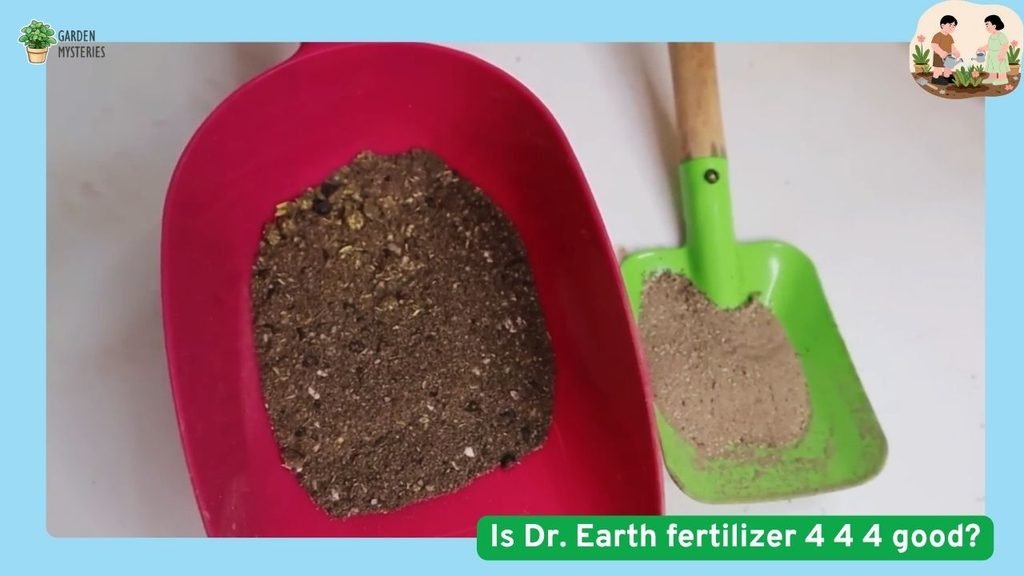
Dr. Earth also adds TruBiotic beneficial microbes and mycorrhizal fungi to the mix. These are meant to help roots pull in nutrients more efficiently and improve how soil holds moisture over time. The company states there’s no GMO content, chicken manure, or sewage sludge involved.
| What it does | Ingredient source |
| Quick nutrient release | Fish bone meal, kelp meal |
| Sustained feeding over months | Mined minerals |
| Root and soil support | TruBiotic microbes, mycorrhizae |
One thing to keep in mind is that this fertilizer doesn’t replace your growing medium. It feeds what’s already there, so the difference between compost vs potting soil still matters for drainage and structure before you ever add fertilizer on top.
How to Apply Dr Earth 4-4-4 in Different Setups
Application generally follows a simple rule, a 4 lb bag covers around 60 square feet, and most labels suggest reapplying every couple of months during active growth. That said, actual coverage can shift a bit depending on soil type and how thickly you spread it.
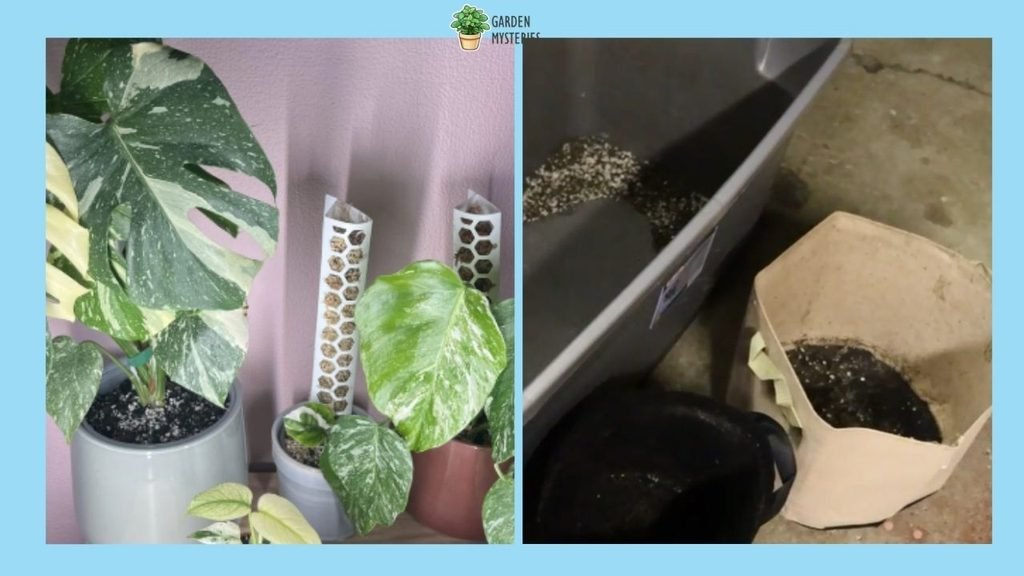
In-Ground Beds
For open garden beds, working the granules into the top few inches of soil before planting seems to help distribution more than surface scattering. We noticed the granules settled better once watered in right after application.
Raised Beds
Raised beds need a bit more thought since the growing medium is often lighter and drains faster. Starting with a proper Raised Bed Soil Mix gives the fertilizer something to hold onto instead of washing straight through after a heavy watering.
Containers
Containers dry out faster than beds, so lighter and more frequent doses tend to make more sense here. We used smaller amounts more often in pots compared to what went into the raised bed.
Dr Earth 4-4-4 vs Other Organic Fertilizer Options
Dr. Earth gold fertilizer isn’t the only 4-4-4 blend on the shelf, and the differences mostly come down to size options and price rather than the ratio itself. Here’s how the main options from our research lined up.
| Product | NPK | Sizes | Price range |
| Dr. Earth Premium Gold | 4-4-4 | 1 to 50 lb | $6.99 to $89.99 |
| Dr. Earth Home Grown | 4-4-4 | 1 to 50 lb | $6.99 to $89.99 |
| Down to Earth Vegetable Garden | 4-4-4 | 1 to 5 lb (case options) | roughly $18 to $75 |
| Sta-Green All Purpose | 4-4-4 | 5 lb | around $10 |
None of these are dramatically different on paper. Some gardeners lean on compost or manure as a slower, cheaper base layer and treat a bagged fertilizer like this as a supplement rather than the only input.
Best Plants and Garden Beds for a 4-4-4 Feed
A 4-4-4 all purpose fertilizer suits plants that want steady, even growth rather than a strong push toward blooming or fruiting. Vegetables, leafy greens, and general perennial beds tend to respond well to that kind of balance.
Flowering plants are a slightly different story. Some, like the ones covered in our post on Coreopsis or Cosmos, bloom heavily on fairly average soil and don’t need a nutrient-heavy feed to perform. For container flowers on a budget, homemade flower fertilizers using kitchen scraps or diluted compost tea can work as a lighter alternative between applications.
Buying Guide, Sizes, and What Happened With My Own Bag
Dr. Earth fertilizer 4 4 4 comes in five sizes, from a 1 lb bag up to a 50 lb option, with prices ranging from about $6.99 direct from the brand to over $40 for a 12 lb bag at retail. Availability and pricing shifted noticeably between Walmart, Ace Hardware, and Tractor Supply in what we checked.
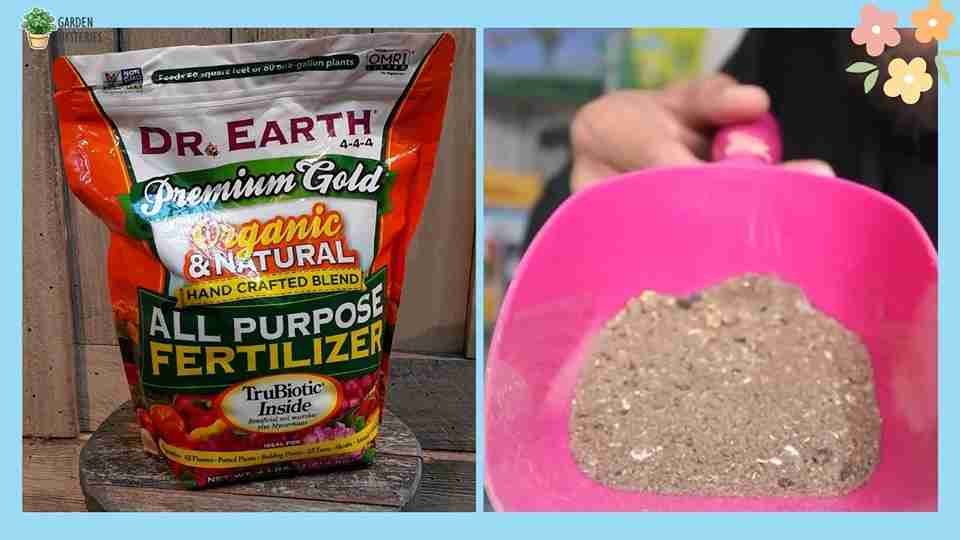
We bought a bag from batch F1833 and used it across a raised bed and a few containers between May and June. The granules were easy to work into soil, and watering in right after application didn’t cause any runoff smell or mess in our case. We can’t promise the same results for every soil type or climate, since one season in one bed isn’t a controlled test, but the process itself was straightforward from start to finish.
If you’re buying for the first time, a 4 lb bag is a reasonable size to test on a single bed before committing to the larger, better value sizes.
FAQs: Dr. Earth fertilizer 4 4 4
A 4-4-4 ratio suits general, all-around plant growth rather than boosting one specific stage. It works well for vegetable beds, leafy plants, and mixed perennial borders that need steady feeding.
Based on our own bag from batch F1833, the granules were easy to apply and didn’t cause any issues in a raised bed or containers. Results can still vary by soil and climate.
Most labels suggest reapplying roughly every couple of months during the active growing season. Watering in after each application seems to help it settle into the soil.
Yes, though raised beds do better with a proper soil base first, and containers generally need smaller, more frequent doses than open ground.
A 4 lb bag of Dr Earth all-purpose 4-4-4 is a practical starting point for testing on one bed or a handful of containers before buying a larger size.
Conclusion
Dr Earth fertilizer 4 4 4 works as a fairly straightforward organic option for gardeners who want balanced, steady feeding rather than a bloom-specific push. It suited our raised bed and container setup without any application issues.
Whether it’s the right pick depends on what you’re growing and how your soil already performs. Raised bed vegetable growers and container flower growers may get different mileage from the same bag, so starting small before scaling up is worth considering.
Disclaimer: Product results vary by soil, plants, climate, and application. Always follow the manufacturer’s label and adjust use to your garden’s needs.