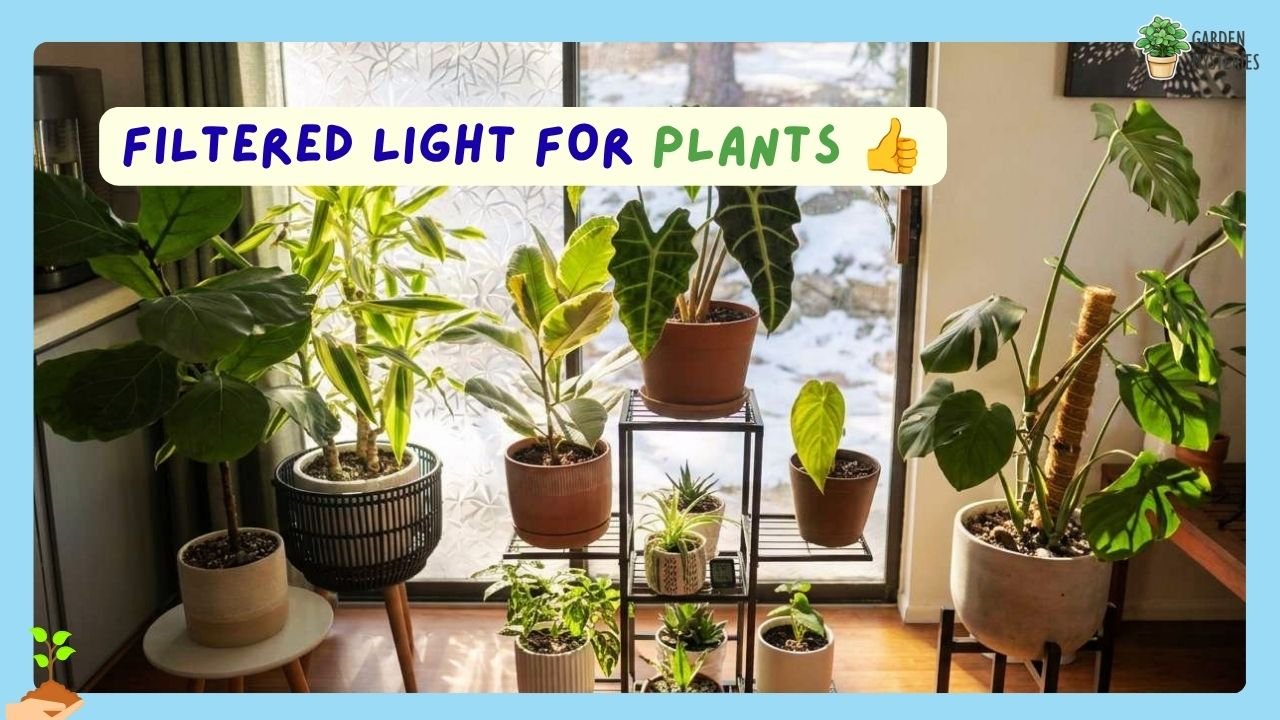
My Monstera was becoming a disappointment. Its beautiful green leaves started developing brown, burnt patches, and I couldn’t figure out what I was doing wrong. Then I was told to set filtered light for plants, and back then, I had no idea what this filtered light was.
Filtered light is sunlight softened by something like sheer curtains, tree branches, or shade cloth before it reaches the leaves. An experienced plant shop owner recently explained this to me after I struggled to find a clear answer online.
If your houseplants are suffering from burnt leaves or struggling to grow, this guide is for you. Let’s make filtered light easier to recognize and create.
Disclosure: This blog post may display ads and include affiliate links. We may receive a small commission when you make a purchase through these links, at no additional cost to you.
What Is Filtered Light for Plants, and Why Does It Matter?
When my Monstera started developing burnt leaves, I initially thought it needed less sunlight. But every article I read seemed to use different terms, including indirect sunlight, diffused light, and partial shade. I couldn’t tell what my plant actually needed.
Then I spoke with an experienced plant enthusiast who had recently opened a plant shop selling houseplants and greenhouse equipment. He explained that filtered light is simply sunlight that passes through something before reaching the plant.
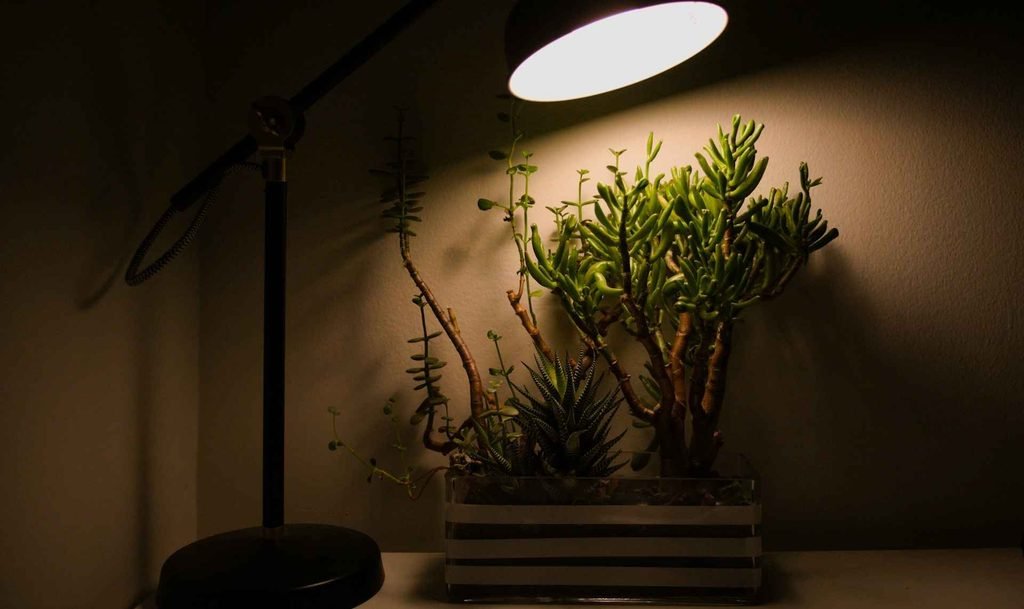
Photo by Sam Jotham Sutharson on Unsplash
Think about how sunlight enters a room through a thin white curtain. You can still see the room glowing, but the harsh sun rays no longer fall directly on your furniture or plants. That’s the basic idea behind filtered light.
In nature, larger trees create a similar environment. Their branches and leaves break up strong sunlight, allowing smaller plants underneath to receive softer illumination without sitting in complete darkness.
Why do plants need it?
- Less risk of burnt leaves: Softer sunlight helps protect delicate foliage from excessive direct exposure.
- Enough natural brightness: Plants can still receive the light they need to produce food and maintain healthy growth.
- A more comfortable growing spot: Tropical foliage plants that naturally grow beneath larger trees often appreciate this environment.
The important thing to remember is that filtered light doesn’t mean keeping your plants in a dark corner. They still need enough brightness to grow.
How to Recognize Filtered Light in Your Home
One thing I wish I had known earlier is that a bright room doesn’t automatically mean every spot is suitable for plants. Sunlight changes depending on your windows, curtains, surrounding buildings, and even the time of day.
Here are a few simple ways to check whether your plant is receiving filtered light.
Try the Hand-Shadow Test
Hold your hand between the sunlight and a nearby surface, around 12 inches above it.
- A sharp, dark shadow usually indicates strong direct sunlight.
- A soft, slightly blurry shadow suggests diffused or filtered light.
- A very faint shadow may indicate low light.
This isn’t a perfect measurement, but it’s a helpful starting point if you don’t own any gardening equipment.
Check What Happens Near Your Windows
Look at the sunlight coming through your windows during different parts of the day.
| Window or location | What to expect |
| Behind sheer curtains | Softened sunlight |
| Near an east-facing window | Gentle morning sunlight |
| Near an unshaded west-facing window | Strong afternoon sunlight |
| Behind outdoor tree branches | Dappled sunlight |
| Far from windows | Potentially insufficient light |
If you’re searching for light sunlight for plants, remember that the important question isn’t simply how bright the room looks. You need to consider how much natural light actually reaches the leaves.
Use a Light Meter If You Need More Accuracy
Your eyes can adjust to different brightness levels, so a room that looks bright to you may not provide enough light for a plant.
According to the University of Florida’s guide to houseplant lighting, medium indoor light generally falls between 100 and 500 foot-candles, while high light ranges from 500 to 1,000 foot-candles.
You can use a basic light-meter device or a smartphone app to estimate the brightness near your plant. Remember that phone readings are approximate, not laboratory measurements.
How I Create Filtered Light Without Buying Expensive Equipment
You don’t need a greenhouse or expensive gardening equipment to provide suitable light for most indoor foliage plants. A few adjustments around your windows can make a noticeable difference.
Here are some practical ways to create a comfortable spot for your plants.
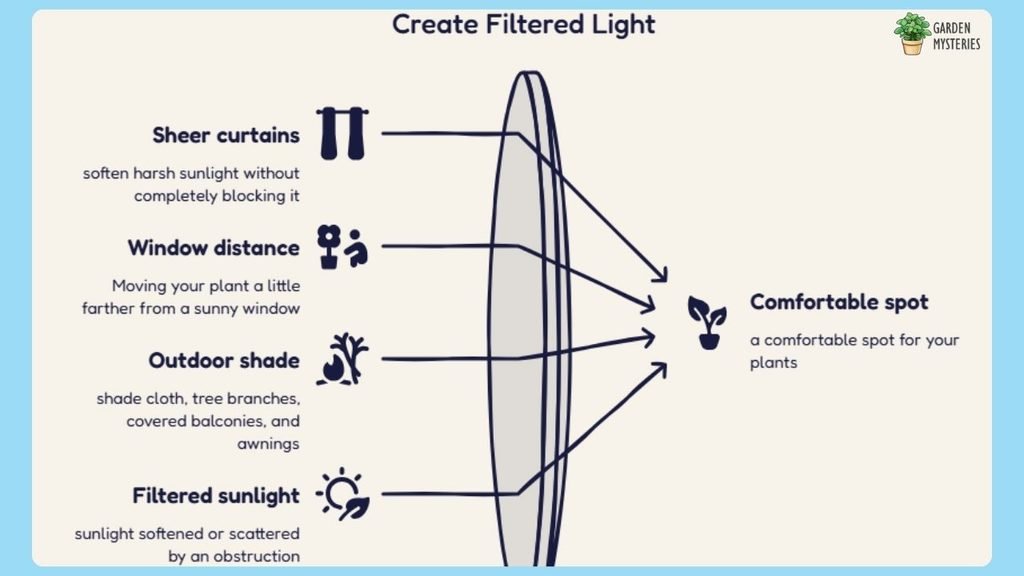
Use Sheer Curtains for Filtered Light for Plants
When I was dealing with the issue with my monstera, I went to a plant shop that sells greenhouse equipment. I met a senior citizen, Mr Ronald, who is very experienced with grow light facts for plants.
He explained that placing a light curtain between the window and the plant helps soften harsh sunlight without completely blocking it.
Actually, this was one of the easiest solutions I found for my own Monstera issue. A thin white curtain can reduce the intensity of incoming sunlight while allowing the room to remain bright.
Look for lightweight, translucent fabric rather than thick blackout curtains. The goal is to soften the sunlight, not leave your plant struggling for brightness.
Adjust the distance from your window
Sometimes, you don’t even need curtains. Moving your plant a little farther from a sunny window can reduce its exposure to harsh rays.
For example:
- Move plants away from unshaded west-facing windows if they receive intense afternoon sunlight.
- Keep tropical foliage plants near bright east-facing windows.
- Try a spot a few feet from a sunny south-facing window, then observe how the leaves respond.
The right distance depends on window size, outdoor shade, and the amount of sunlight entering your room.
Create Shade for Outdoor Plants
If you keep plants on a balcony, rooftop, or patio, you can use shade cloth to reduce intense sunlight.
Tree branches, covered balconies, and awnings can also provide natural protection. These options are particularly useful when outdoor plants receive several hours of harsh afternoon sunshine.
Don’t Confuse Filtered Sunlight with Low Light
You may come across the phrase filtered sunlight is direct sunlight that fills the room most of the day, but that isn’t an accurate definition.
Filtered sunlight is sunlight softened or scattered by an obstruction. A room can feel bright throughout the day without direct rays reaching your plant.
Similarly, light that’s been filtered or dispersed in some way can still provide useful energy for photosynthesis.
Which Plants Benefit From Filtered Light?
Not every plant needs the same amount of sunlight. Some enjoy several hours of direct exposure, while others develop leaf damage when exposed to intense rays for too long.
Tropical foliage plants are particularly good examples of greenery that often benefits from bright, filtered conditions.
Here are a few popular options:
Monstera
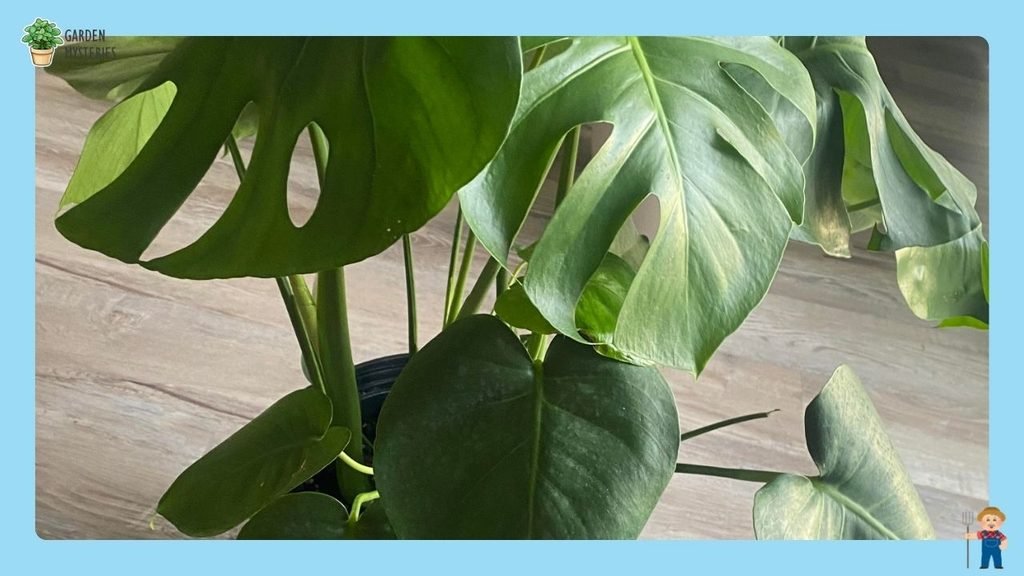
My Monstera is the reason I started researching this topic in the first place. These plants generally appreciate bright conditions without prolonged exposure to harsh sunlight.
A spot near a bright window with sheer curtains can be a good starting point. According to the University of Minnesota Extension, Monstera deliciosa is an understory plant that grows well in medium-light locations.
If you’ve also searched for using cactus soil for Monstera, remember that soil and lighting are two different care requirements. Monstera generally needs a loose, well-draining potting mix rather than a growing medium chosen solely because it suits cacti.
Calathea and Maranta
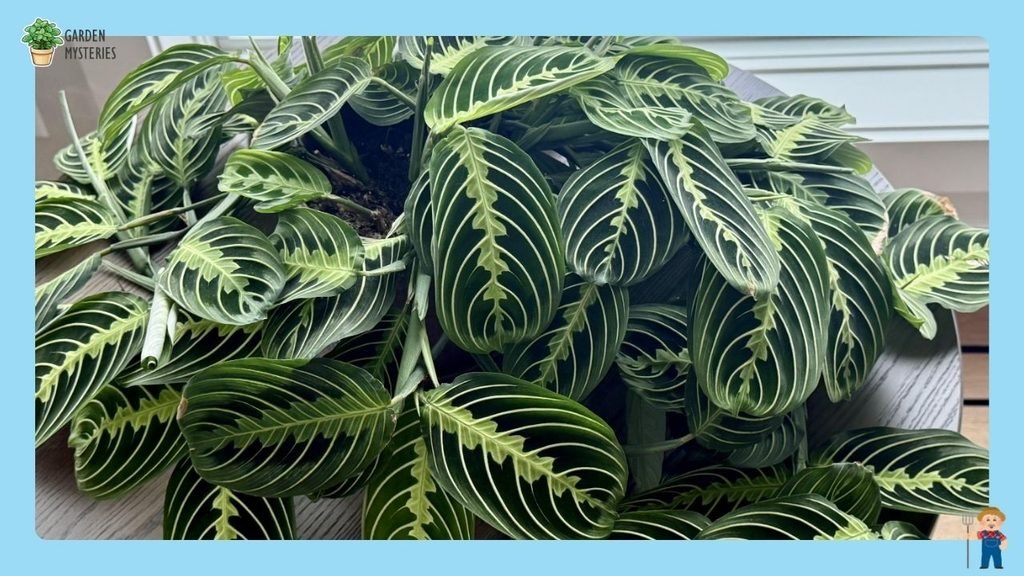
These plants are popular for their decorative leaves, but strong direct sunlight can damage their appearance.
A bright position behind a sheer curtain is often a suitable option. Avoid placing them in a dark corner simply because they prefer protection from harsh rays.
Pothos and Philodendron
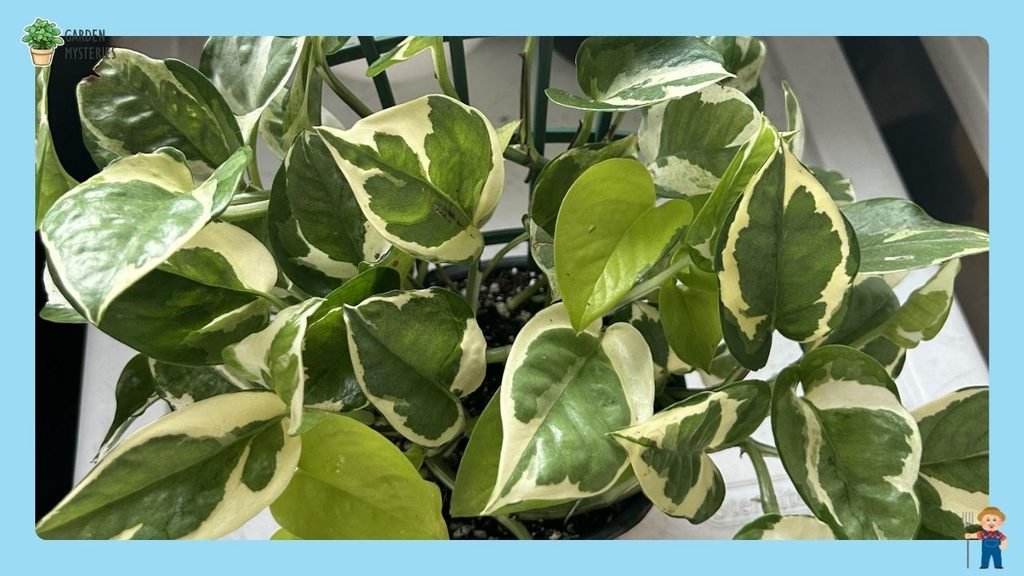
Both plants can tolerate different indoor conditions, but they generally grow better with sufficient natural brightness.
A position near a window without strong direct afternoon exposure is a practical starting point.
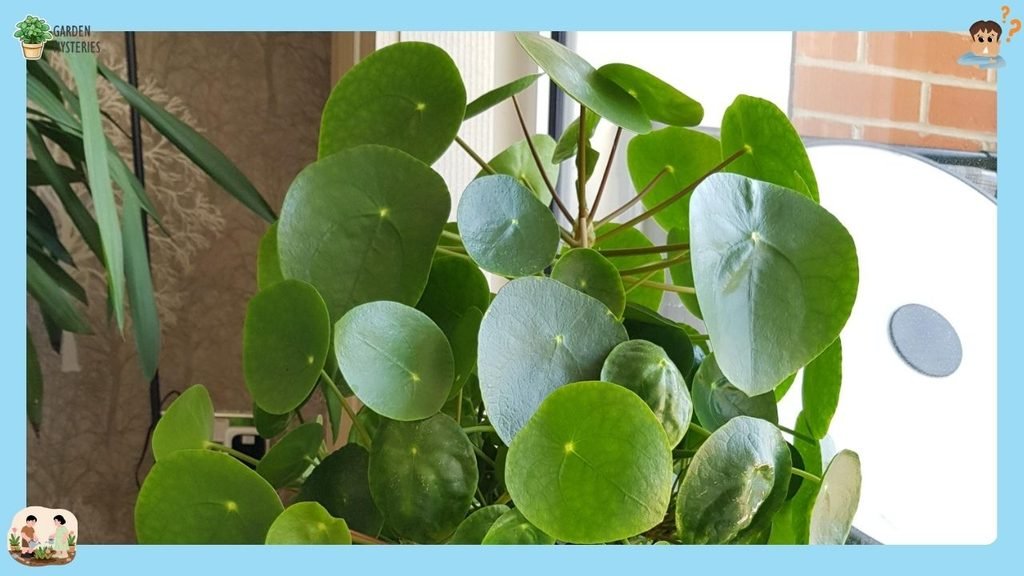
Chinese Money Plant
The Chinese Lucky Money Plant, also known as Pilea peperomioides, is another popular indoor option. It generally prefers bright, indirect light. Keep it near a well-lit window while protecting its leaves from intense afternoon sunshine.
Orchids
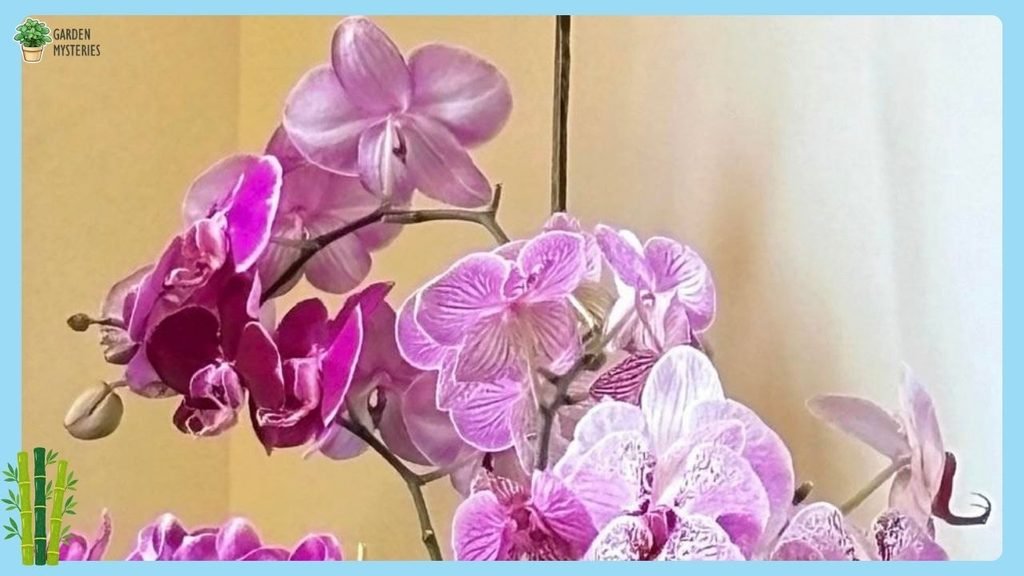
Phalaenopsis orchids often appreciate bright, indirect conditions. An east-facing window can provide gentle morning sunlight, while a sheer curtain can help soften stronger exposure. It’s one of the flowers you can grow indoors without any major issues.
One important thing: Don’t assume every plant in this list needs exactly the same amount of light. Leaf color, growth, window direction, and seasonal changes all affect the ideal placement.
How to Tell Whether Your Plant Is Getting Enough Filtered Light
Creating filtered light is only half the job. You also need to observe how your plant responds after moving it to a new location.
My Monstera’s burnt leaves made me realize that I needed to look beyond the watering schedule and soil condition. However, brown leaves don’t always mean too much sunlight. Root problems, underwatering, and other environmental issues can also cause similar symptoms.
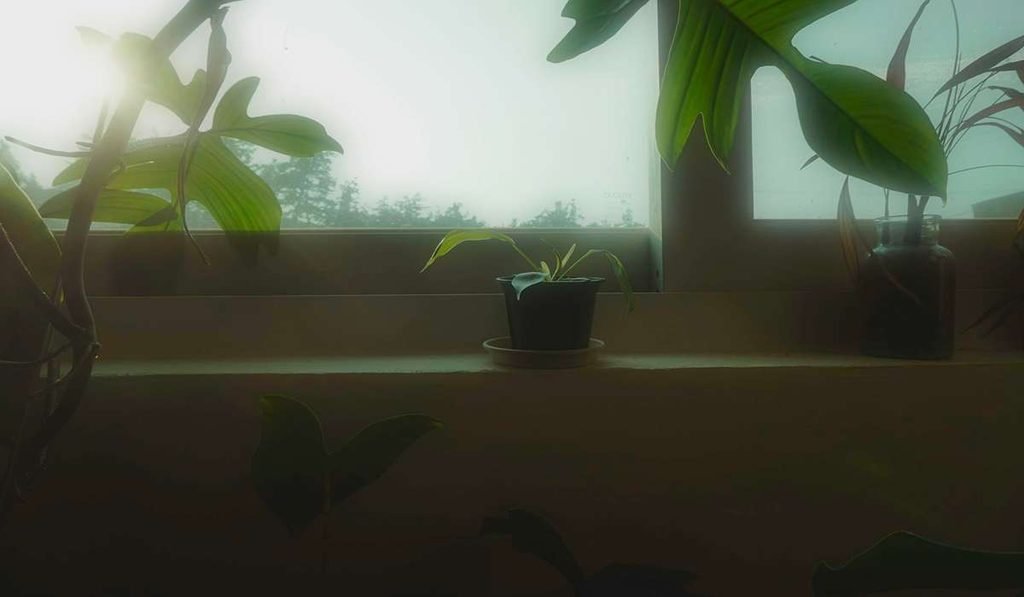
Photo by Thingsneverchange on Unsplash
Signs of Excessive Sunlight
- Brown, crispy patches on leaves.
- Pale or bleached areas that weren’t there before.
- Dry patches on the side facing the window.
- Leaves developing sudden damage after a change in location.
If you notice these problems, move the plant away from harsh rays or introduce a sheer curtain.
Signs of Insufficient Light
- Stems becoming unusually long and stretched.
- New leaves appearing smaller than usual.
- Slower growth during the growing season.
- Variegated leaves gradually becoming greener.
Move the plant closer to a brighter location if these symptoms appear. Give it time to adjust instead of repeatedly changing its position.
The University of Florida’s indoor plant lighting guide explains that medium-light indoor areas generally receive 100-500 foot-candles, while high-light areas receive 500-1,000 foot-candles. These ranges can help you compare different locations in your home.
Off Topic: Alongside Filtered Light, I Tried These Tricks Also for My Monstera
While fixing the lighting, check a few other things that might be affecting your plant:
- Watering: Allow the upper portion of the soil to dry before watering again. Constantly wet soil can damage the roots.
- Drainage: Make sure excess water can escape through the pot’s drainage holes.
- Damaged leaves: If a Monstera leaf snapped off, the broken leaf itself won’t grow back. Check the remaining stem and remove damaged material with clean tools when necessary.
- Pest inspection: Check underneath leaves and around stems for insects or unusual marks.
You might also see black or brown mulch in outdoor gardening discussions. Although mulch can help protect garden soil, changing its color or type won’t solve an indoor plant’s lighting problem.



If your room doesn’t receive enough natural brightness, grow lights for plants can provide additional illumination. Just remember that artificial lighting also needs the right intensity, distance, and daily exposure.
For more practical advice, I have covered some other topics in an indoor plant light guide which can help you compare your home’s available light with the needs of individual plants. Don’t rely on one lighting rule for every variety.
End Note
My Monstera’s burnt leaves initially seemed like another confusing plant care problem. But researching filtered light and speaking with an experienced plant shop owner helped me understand why the right amount of sunlight matters just as much as watering and soil.
You don’t need expensive equipment to improve your plant’s environment. Observe the sunlight in your home, use sheer curtains when necessary, and watch how your plants respond. A few thoughtful adjustments can help protect their leaves and support healthier growth.
Note: This post may feature ads and affiliate links. We may earn a small commission from qualifying purchases at no extra cost to you. Your support helps keep our content growing.