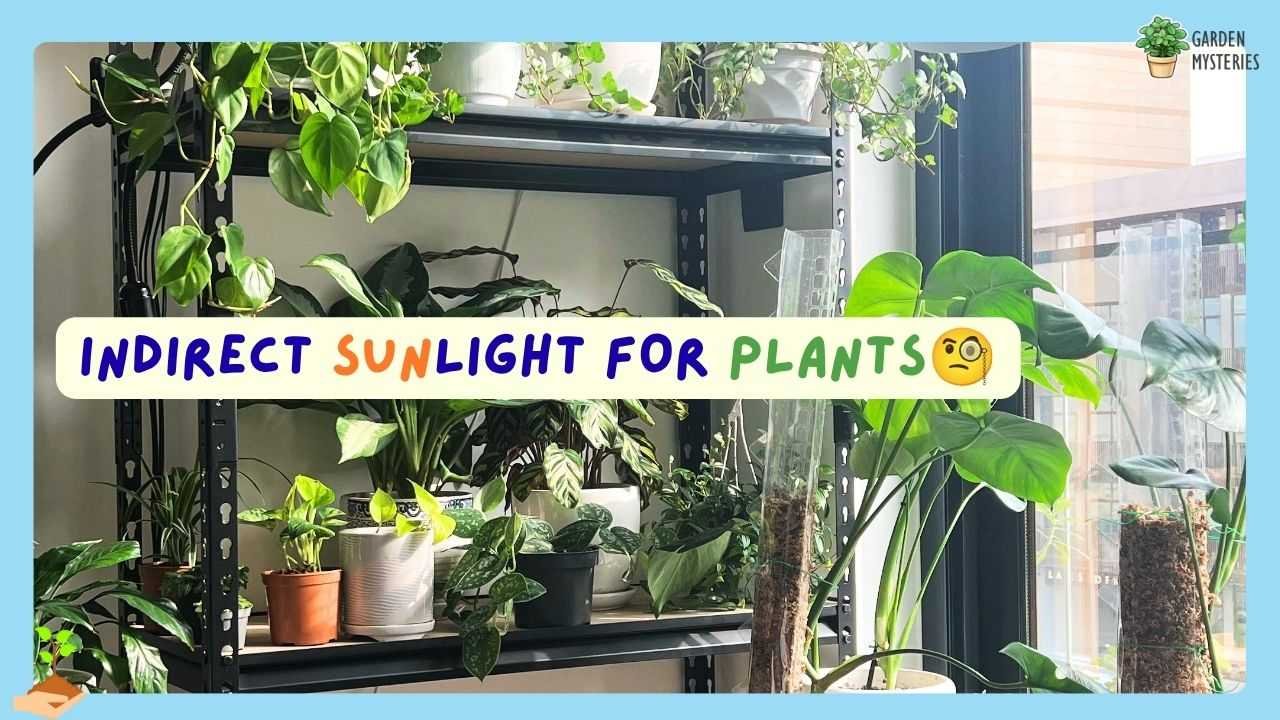
Almost every houseplant tag asks for bright indirect light, yet none of them tell you where that spot sits in your home. So, what is indirect sunlight for plants, and how do you give it?
It means your plant sits in bright daylight but is not directly in a sunbeam. Leaves still get plenty of energy to grow, and you skip the brown, crispy patches that harsh sun causes.
If you are tired of guessing where to put your plants, this guide gives you simple checks, easy fixes, and a clear plan. Keep reading to begin.
What Indirect Sunlight Means For Your Plants
Indirect sunlight for plants is daylight that fills a space without a sunbeam landing straight on the leaves. Picture the soft, filtered glow under a big tree on a sunny day.
Direct sun is the opposite. The direct light indoor plants receive through a sunny window can trap heat against the leaves and scorch them, which is why sill plants often look crispy.
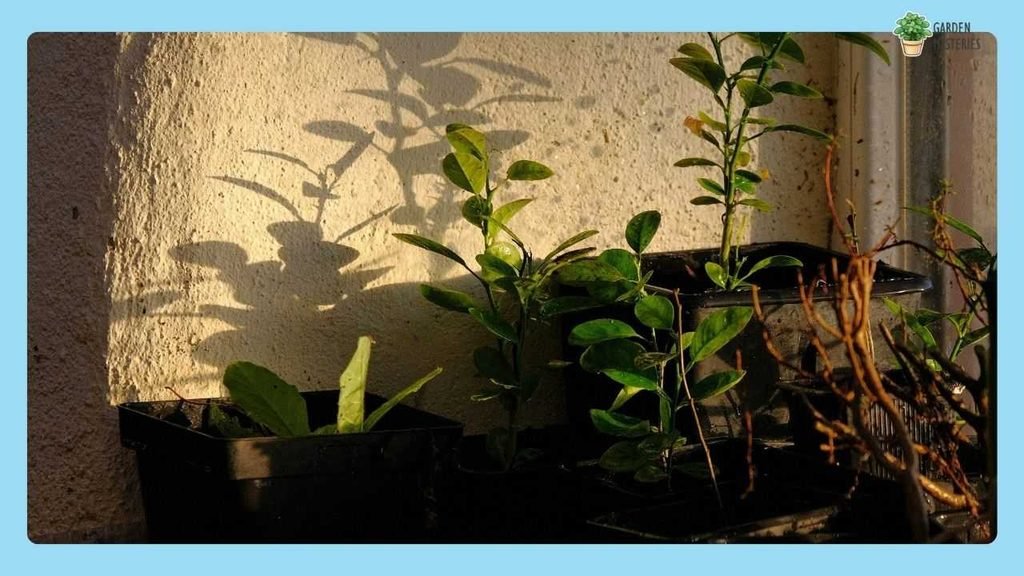
Most plants will prefer bright indirect light because it provides necessary energy without the damaging effects of direct sun. Many houseplants come from forests, where tall trees filter the sun above them.
Low-light plants still manage in dim spots, but they grow slowly. A brighter spot gives you fuller leaves and quicker new shoots.
Differences Between Bright, Medium, And Low Indirect Light
Outdoor sun reaches 10,000 to 12,000 foot-candles, so even a bright room looks dim to a plant. Here is how the three indoor light levels compare, and who thrives in each.
| Light Level | Foot-Candles | Where To Find It | Best Plants |
| Bright Indirect | 500 to 1,000+ | Near east-facing windows, a little back from south or west windows, or behind a sheer curtain | Monsteras, philodendrons, orchids, anthuriums |
| Medium Indirect | 100 to 500 | Rooms facing north, or two to three feet deeper into a bright room | Spider plants, hoyas, ferns, dracaenas |
| Low Indirect | 25 to 100 | Dim areas far from windows, such as hallways and deep corners | Snake plants, ZZ plants, cast iron plants |
Foot-candles are just a brightness score: the bigger the number, the brighter the spot. Keep this indoor plant light guide beside you while you read any plant tag. Low light keeps hardy plants alive, though growth slows noticeably.
Simple Ways To Check The Light In Your Room
Your eyes adjust to light so well that a room can look bright and still leave plants hungry. Four quick checks remove the guesswork.
Shadow Test
Hold your hand a foot above the leaves at midday. Soft, fuzzy edges mean indirect light; a sharp, dark shadow means direct sun. It takes ten seconds and costs nothing, so test every spot you are considering.
Window Direction Guide
In the Northern Hemisphere, each window direction gives a different amount of light, so use this as a quick map.
- East: Gentle morning sun that suits bright indirect light.
- North: Soft, steady light for medium-light plants.
- South: The strongest light all day, so keep plants back from the glass.
- West: Hot afternoon rays that need a curtain or extra distance.
Using a Light Meter App
Free light meter apps on your phone give a rough foot-candle number in seconds. Hold the phone at leaf height, screen facing up. Some apps show lux instead. Divide that number by 10 to get close to foot-candles.
Check a few spots across the room, since one reading near the window hides how fast light fades farther in.
Reading the Room at Different Times of Day
Light moves, so check your spot a few times in one day.
- Morning: Note where the first soft rays land.
- Noon: Look for sharp shadows and bright patches.
- Late Afternoon: Watch for hot rays on west-facing glass.
- Evening: Confirm the spot has not turned dim as the sun drops.
Pick the spot that stays bright without a hot beam at any hour.
Practical Ways To Create Indirect Sunlight Indoors
Good indirect sunlight for plants is easy to build at home with what you already own and a few minutes. Six simple setups work for almost any room, from bright balconies to dim city flats.
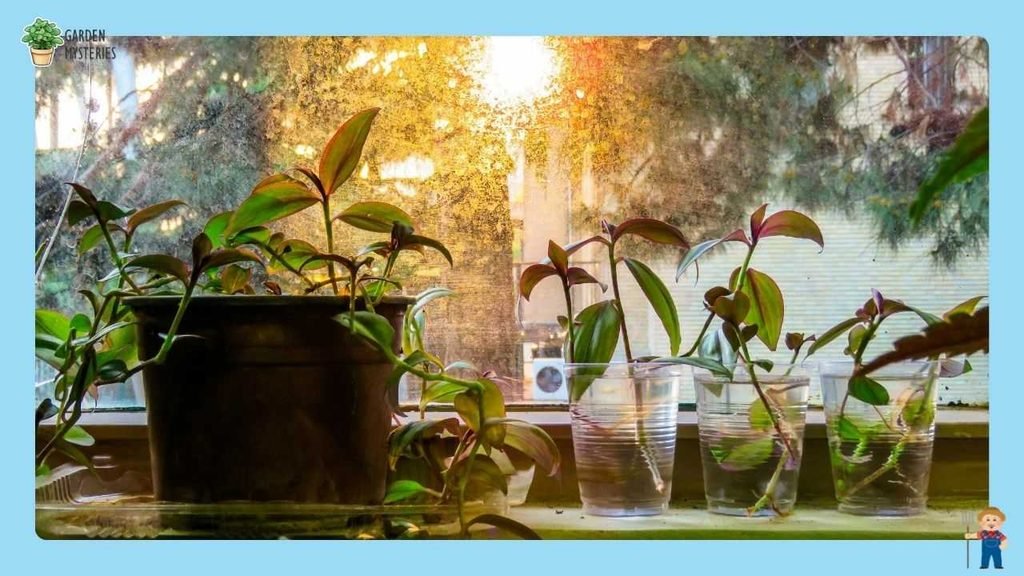
Photo by Naeem shahrizadegan on Unsplash
Using East-facing Windows
Take advantage of eastern light. Morning sun is soft and cool, so plants soak up energy without any scorching.
A table right at an east window suits monsteras, philodendrons, and anthuriums, even when the sun peeks in early. By mid-morning, the sun moves on, and the room stays bright.
Moving Plants Back from South and West Windows
Strong afternoon rays burn leaves fast, so positioning plants a few feet back from the glass keeps the brightness and drops the heat.
Light can fall from 1,000 to 100 foot-candles within a few feet of a window. Start one to three feet back, then run the shadow test.
Hanging Sheer Curtains
Sheer curtains give filtered light for plants and shield leaves from harsh midday rays at a south or west window.
White or cream fabric softens the glare into light sunlight for plants to enjoy all day. Pull the curtain across only during the brightest hours, and open it again once the sun softens.
Applying Window Films
Window film is a set-and-forget fix: stick it on once and glare is softened every day.
- Frosted Film: Spreads light evenly and adds privacy.
- Tinted Film: Keeps your view while trimming strong sun.
Pick a film based on what you want to keep: privacy or the view.
Using Reflective Surfaces to Spread Indirect Sunlight for Plants
A white wall, a pale tabletop, or a mirror placed opposite the window bounces daylight deeper into the room, so far corners get brighter. Keep mirrors slightly off-angle so no beam lands directly on leaves. A pale tray under the pot also bounces light up to the lower leaves.
Adding a Grow Light for Dark Corners
Grow lights for plants fill in when no window helps, whether it is a dark corner, a bathroom, or an office desk.
- Best Type: A full-spectrum LED stays cool and costs little to run.
- Daily Hours: Run it 12 to 14 hours a day with a cheap plug-in timer.
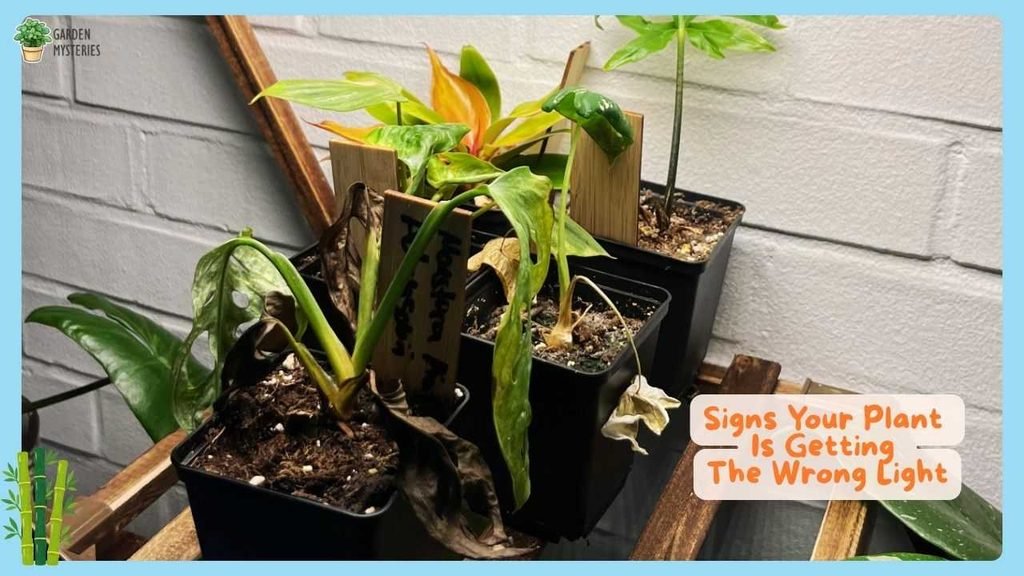
Signs Your Plant Is Getting The Wrong Light
Leaves speak up early when light is wrong. A spot under 50 foot-candles will not sustain a plant for long, says Mississippi State University Extension, and light also changes how often you water plants in the home.
Too Much Light
- Crispy Brown Patches: Dry, papery spots show up on the side facing the window, where sun has burned the leaf.
- Bleached or Faded Leaves: Color turns pale yellow or washed-out white, as if someone dipped the leaf in bleach and left it there.
- Fast-Drying Soil: The pot dries out within a couple of days, and leaves curl inward to save water.
- Afternoon Wilting: Leaves wilt in the afternoon even when the soil is damp, then perk up again by evening.
Too Little Light
- Leggy Stems: Long gaps open up between leaves because the plant stretches toward the nearest window looking for more light.
- Small, Pale Leaves: New leaves come in smaller than older ones, and the oldest slowly turn yellow and drop.
- Lost Pattern and Slow Growth: Variegated leaves fade to plain green, and nothing new sprouts for weeks even in the growing season.
Fixing Light Problems Without Stressing Your Plant
Most light problems fade once the plant sits in the right spot. The trick is patience, because sudden changes shock leaves as badly as the original problem did. Each fix below is gentle and easy to follow at home.
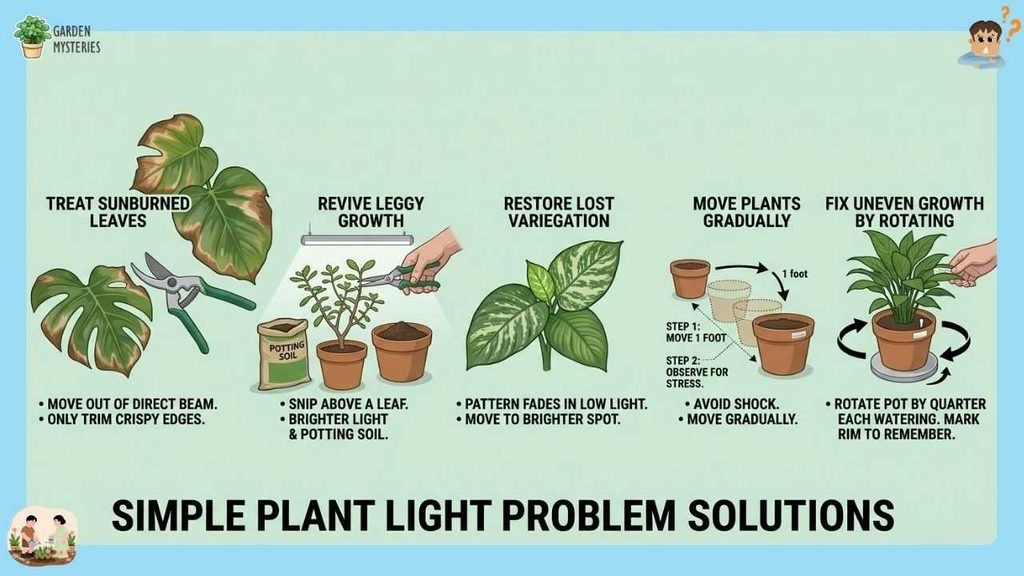
Treating Sunburned Leaves
Burnt patches will not turn green again, so move the plant out of the beam first. Trim only the crispy edges with clean scissors, and keep leaves that are still half green.
Water as usual, because extra water cannot repair burnt tissue and may rot the roots.
Reviving Leggy Growth
Snip stretched stems just above a leaf, and the plant will branch out from that point. Then move it to brighter light, and refresh tired soil while you are at it.
Compost or potting soil? Potting soil is the safer pick, because compost alone packs down and holds too much water.
Restoring Lost Variegation
Patterned leaves fade to plain green when light is too low, because the plant needs more green to feed itself.
Move it to a brighter spot; only new leaves regain their pattern, so give it a few weeks. Old leaves keep their plain look, so judge progress by new growth.
Moving Plants Gradually
A sudden jump from dim to bright shocks a plant, and leaves can drop or burn within days.
- Step One: Shift the pot about a foot closer every few days.
- Step Two: Watch the leaves for a week and pause if they droop.
- Step Three: Stop once new growth looks firm and healthy.
Fixing Uneven Growth by Rotating
Plants lean toward the window, so one side grows fuller while the other looks bare. Rotate the pot by a quarter each time you water, and growth stays even all around.
Also, mark the pot rim with a sticker so you remember where you stopped. Do this for healthy plants too, since the window side always grows faster.
Seasonal Light Changes And Precautions To Take
Light changes with the seasons, so a perfect spot in July can be wrong by December. Run through these checks each season and adjust before leaves start complaining.
- Winter Light Drop: Shorter days and a low sun weaken the light, so move plants closer to the window and expect slower growth.
- Winter Feeding: Growth slows when light fades, so hold off on compost or manure until spring and then add only a thin layer.
- Cold Glass: Leaves touching freezing glass get damaged just like sunburned ones, so leave a small gap on cold nights.
- Summer Intensity: A spot that was perfect in January can scorch by June, so shift plants a little farther from the glass.
- Dusty Windows: A film of dust blocks light, so wipe the glass and the leaves every few weeks.
- Drafty Spots: Heaters and vents dry leaves out, so keep pots a few feet away from them.
- Common Placement Mistakes: Pots hidden behind furniture, heavy curtains swapped in for sheer ones, and plants left in one spot all year lose light without you noticing.
FAQs: Indirect Sunlight for Plants
What is considered indirect light for plants?
Indirect light is bright daylight that reaches a plant without a sunbeam touching the leaves. Think of a spot near a window softened by a sheer curtain, or a few feet back from the glass.
What is direct sunlight for plants?
Direct sunlight means the sun’s rays land straight on the leaves, with no curtain, tree, or wall in between. A south or west window at midday is the classic example.
What plants do best in indirect sunlight?
Monsteras, philodendrons, and orchids love bright indirect light, while hoyas and ferns like medium light. ZZ plants and snake plants cope with low light, and a brighter spot can trigger new ZZ plant shoot growth.
Is 2 hours of sunlight enough for plants?
Two hours is enough for many leafy houseplants, especially with bright indirect light for the rest of the day. Sun-lovers like cacti and succulents need four to six hours of direct sun.
End Note
Indirect sunlight for plants comes down to one idea: bright daylight, no sunbeam on the leaves. Test your spots with the shadow test, move pots back from hot windows, and add soft curtains or grow lights where daylight falls short.
Keep this houseplant light guide handy, and recheck your spots whenever the seasons change. A few small moves now mean greener, fuller plants all year, no more guessing at the tag, and far fewer rescue missions. Pick one plant and start today.
More Useful Reads: