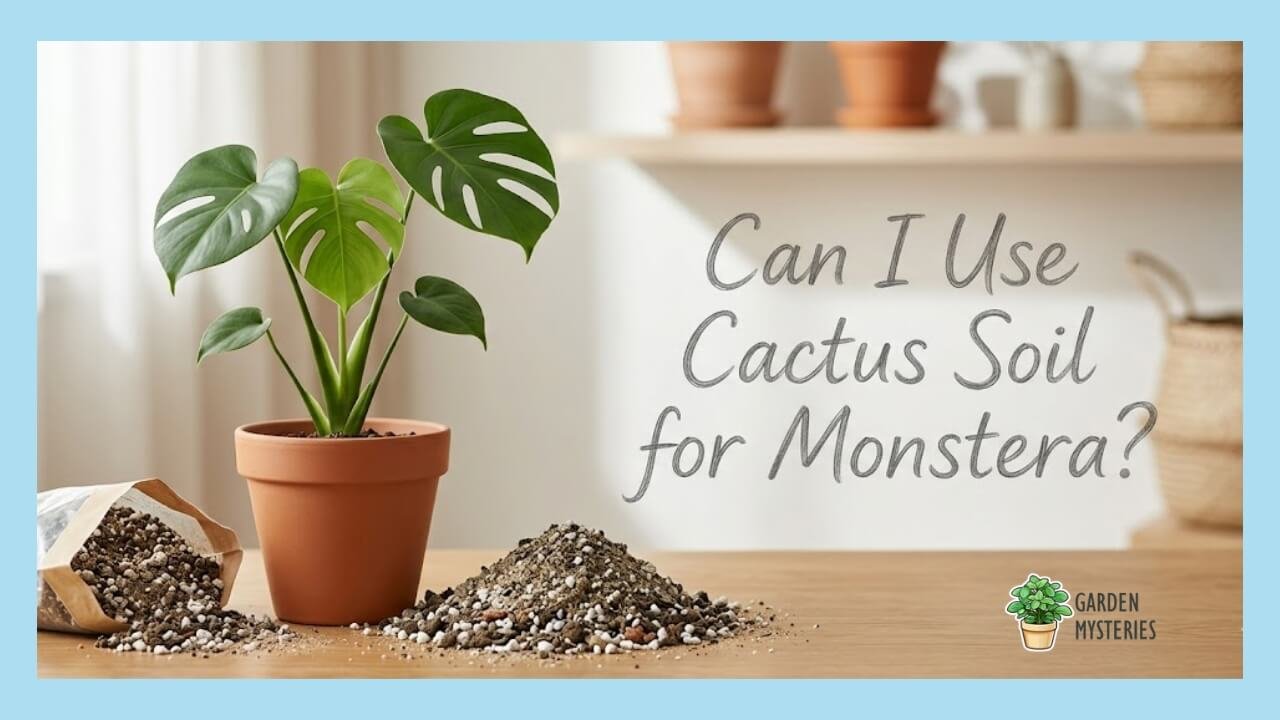
You can use cactus soil for Monstera, but you should not use it alone. Straight cactus soil drains far too fast and leaves Monstera roots without the moisture they need to grow well.
My friend learned this the hard way. He ran out of his usual mix and grabbed cactus soil instead. A few weeks later, his Monstera cutting looked worse than the day he planted it. Neither of us expected that.
So I am sharing his full experience here, along with what I learned from it. This is not a blog about using succulent soil for Monstera as a shortcut. It is a warning, and it comes with a real fix.
Key Takeaways
- Cactus soil alone drains too fast and starves Monstera roots of moisture.
- Monstera plants need chunky, well-draining soil that still holds some water.
- You can fix cactus soil by mixing it with perlite and regular potting mix.
- Signs of trouble include drooping, dry roots, and very slow or zero growth.
- Several store-bought mixes work well for Monstera without any DIY blending.
- Always repot into fresh, proper soil when a Monstera starts to look stressed.
Can I Use Cactus Soil for Monstera?
You can use cactus soil for Monstera, but it is not a good long-term choice on its own. The soil type for Monstera needs to hold some moisture while still draining well, and cactus soil does not do that.
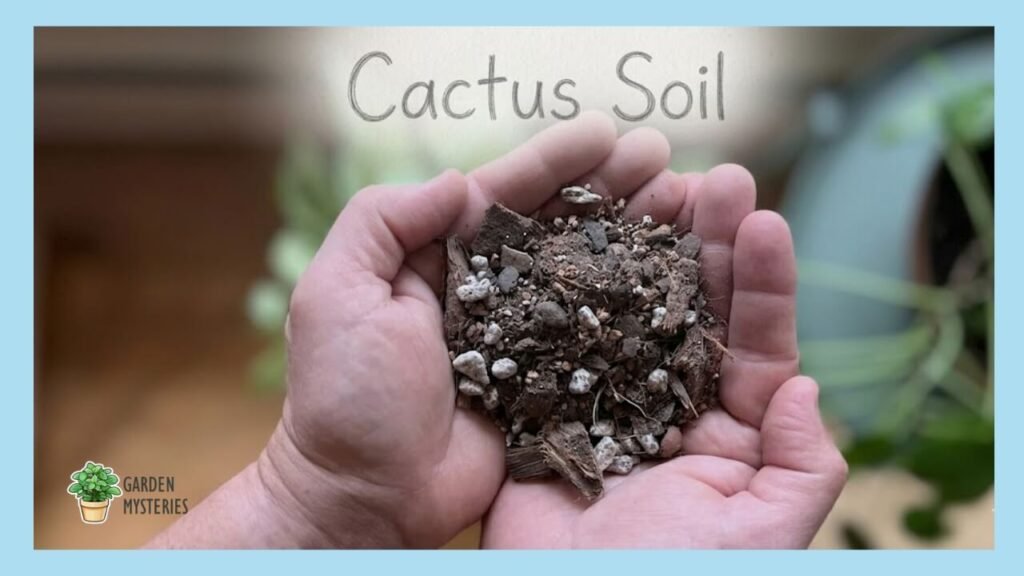
Monstera and cacti are very different plants. Cacti live in dry climates and have adapted to sitting in fast-draining, nearly nutrient-free soil. Monstera comes from tropical rainforests where the ground stays moist and rich in organic matter.
So, is cactus soil good for Monstera as a base amendment? Yes, in small amounts. But as the only growing medium, it will likely stress your plant. The roots dry out too fast and cannot take up nutrients properly.
What Happens When You Use Cactus Soil for Monstera
Using the wrong soil does not kill a Monstera overnight. But you will notice the damage within two to four weeks if you look closely at the plant.
The Friend’s Cactus Soil Experiment
I once used cactus soil for lavender in a small pot, and it worked great. The lavender loved the fast drainage and dry conditions. I mentioned this to my friend in passing, and he filed it away.
A few weeks later, he was repotting a Monstera cutting that had rooted in water. He had no potting soil and remembered what I said about cactus soil. Then he figured a mix that worked for lavender would probably be fine.
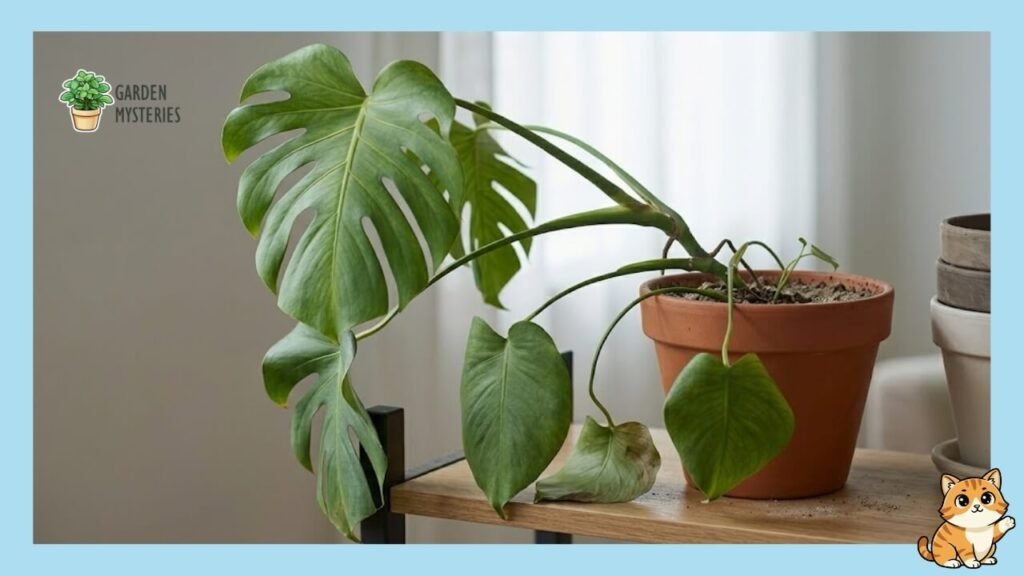
He potted the cutting and waited. The first week looked okay. By week two, the single leaf that had unfurled looked dull and slightly limp even after watering. He watered more, which made things worse.
By week four, he pulled the plant out to check the roots. They were bone dry an hour after watering. The fine root hairs had shriveled. The cutting had stopped growing because the soil gave it no stable moisture.
Why Cactus Soil Is Not Suitable for Monstera
Cactus soil is built for drought tolerance, and Monstera needs consistent moisture with good drainage, like compost or regular potting soil with bark and perlite. Those are very different requirements, and the wrong soil makes that gap obvious within weeks.
Drains Too Fast
Water passes through cactus soil in seconds. The roots barely get a chance to absorb it before it is gone, leaving them in dry grit within the hour.
Low Organic Matter
Cactus soil has very little compost or bark. Monstera roots need organic material around them to pull nutrients from. Without it, feeding the plant through the soil becomes very difficult.
No Moisture Buffer
Regular potting soil holds water in its fibers and releases it slowly. Cactus soil has no such buffer. The wet-dry cycle becomes extreme, which stresses tropical roots fast.
Wrong pH Range
Cactus soils vary by manufacturer, but many contain mineral ingredients and lower organic matter than Monstera prefers. The bigger issue is usually moisture retention rather than pH. Monstera prefers a pH between 5.5 and 7.0. Cactus mixes may fall outside this and make nutrient uptake harder.
Root Damage From Dry Grit
Very coarse cactus mixes can dry out delicate new roots quickly, especially on recently rooted cuttings. Fine root hairs, like those on a cutting that rooted in water, are especially vulnerable to drying out and breaking apart.
The Right Soil Type for Monstera
The perfect soil type for Monstera is chunky, well-aerated, and moisture-retaining all at once. It should drain freely but not dry out completely within an hour of watering.
What Monstera Roots Actually Need
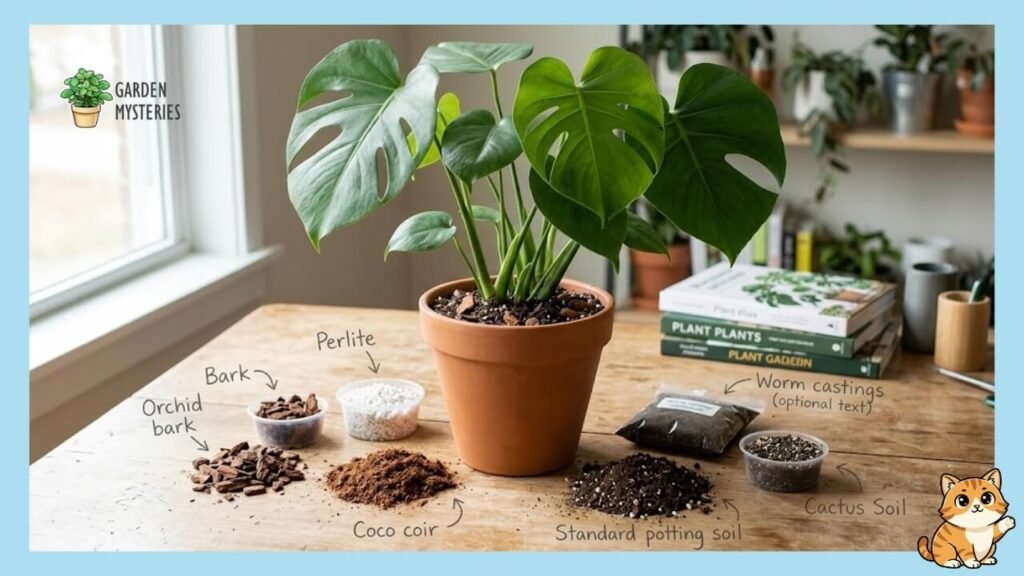
What soil is good for Monstera comes down to three things: aeration, organic matter, and controlled moisture. The roots need air pockets to breathe, organic material to feed from, and a medium that stays slightly damp between waterings.
- Orchid bark: Adds chunky air pockets and mimics the bark Monstera clings to in nature; prevents soil compaction over time.
- Perlite: Lightweight volcanic mineral that keeps the mix loose and draining; stops roots from sitting in soggy soil.
- Coco coir: Holds moisture without becoming waterlogged; breaks down slowly and keeps the mix light.
- Standard potting soil: Provides the organic base and nutrient content that Monstera roots actually feed from.
- Worm castings: Optional but useful; adds slow-release nutrients and improves soil structure without chemicals.
What Is the Best Soil Mix for Monstera?

The best soil mix for Monstera contains potting soil, orchid bark, and perlite. This combination provides drainage, airflow, and moisture retention, which helps prevent root rot while supporting healthy growth.
DIY Soil Mix Ratios That Work
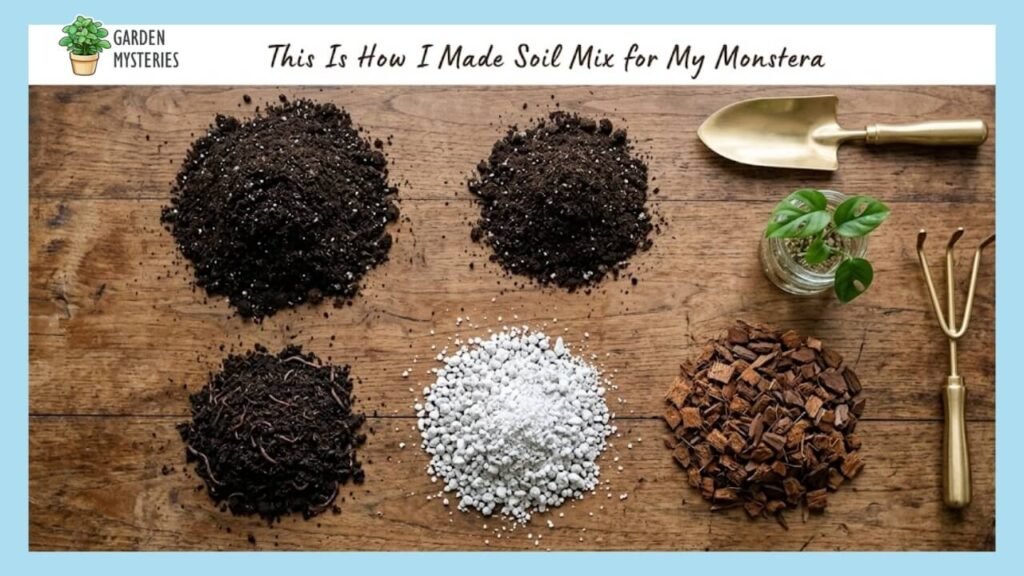
You do not need to buy a special bag if you have a few basic materials at home. These four blends are widely used by growers who keep aroids in good health year-round. Check the image below, and you’ll get an idea about how I make my own soil mix for my Monstera plants.
The Aroid Mix
Combine 40% orchid bark, 30% perlite, and 30% potting soil. This stays open and draining while still holding some moisture and nutrients for healthy root growth.
The Coco Coir Mix
Mix 40% coco coir, 30% perlite, and 30% potting soil. The coco coir holds slightly more moisture than bark. Good for drier indoor environments where the pot tends to dry out quickly between waterings.
The Simple Two-Ingredient Mix
Combine two parts standard potting soil with one part perlite. This is not fancy, but it works well for beginner growers who do not have orchid bark or coco coir available right now.
The Cactus Soil Rescue Mix
If cactus soil is all you have, mix one part cactus soil with two parts regular potting mix and a large handful of perlite. This dilutes the fast-draining properties and adds back the organic matter the plant actually needs.
Best Soil for Monstera Plants You Can Buy from a Store
The best soil for Monstera plants from a store should list bark, perlite, or coco coir in the ingredients. If the bag says it is designed for aroids or tropical plants, that is a good sign it will work well.
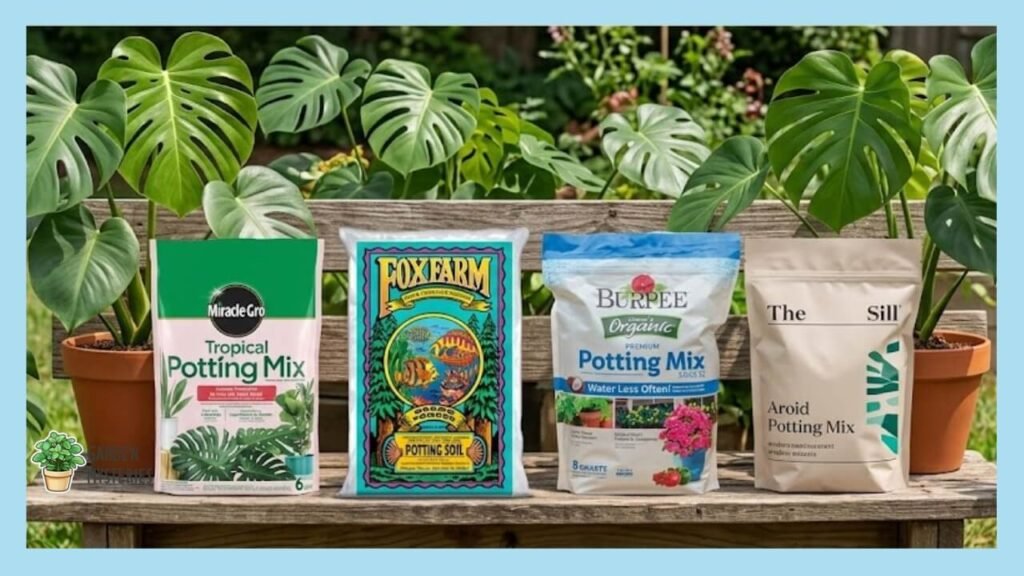
Avoid anything labeled for succulents or cacti as a standalone mix. Dense vegetable soils also stay too wet and can cause rot. What soil to use for Monstera from a store depends on your budget and how much you want to amend it.
Miracle-Gro Tropical Potting Mix
This is an accessible option available at most garden centers and on Amazon’. It contains coconut coir for moisture retention and bark for aeration. It works well for Monstera straight from the bag for most home growers.
FoxFarm Ocean Forest Potting Soil
FoxFarm Ocean Forest is a nutrient-rich blend with composted forest materials, earthworm castings, and perlite. Many Monstera growers use it as a base and add a bit more perlite to improve drainage further. Happy Frog or Ocean Forest, both do well for Monstera and pothos-type plants.
Burpee Natural Organic Premium Growing Mix
This mix uses coconut coir as the main base, which makes it lighter and more aerated than peat-based soils. It drains well and holds enough moisture for tropical plants. Available online and suitable for Monstera without heavy amendments.
The Sill Aroid Potting Mix
The Sill makes a potting mix specifically formulated for aroids, which includes Monstera. It contains chunky bark, perlite, and organic matter in the right ratios. It costs more than general-purpose mixes, but it is ready to use without any guesswork.
How to Fix Cactus Soil for Monstera If It’s All You Have
If cactus soil is your only option right now, what is good for Monstera soil-wise can actually be built from materials you probably already have at home.
Amendments That Save a Cactus Soil Mix
The goal is to slow down drainage and add organic content. You can do that with a few simple additions that most plant owners keep in their supply corner.
- Regular potting soil: The most important addition; it adds organic matter and slows the drainage rate of the mix significantly.
- Perlite: Already in most cactus soils, but a bit more helps create air pockets while balancing the overall texture.
- Coco coir: If you have a brick or bag, rehydrate it and mix it in; it acts as a moisture buffer between waterings.
- Worm castings: A small scoop adds nutrients and helps the soil structure retain some moisture without getting heavy.
You can also use compost mixed with topsoil along with the other elements.
The Quick Fix Ratio to Follow
Use one part cactus soil, two parts standard potting mix, and one part perlite. Mix well before potting. Water lightly and check moisture after one hour. If it feels completely dry, add more potting mix next time. This soil mix ratio also works well to make your pothos bushier.
FAQs
Yes, and this is the recommended fix if cactus soil is all you have. Use one part cactus soil to two parts regular potting mix. Add a handful of perlite to keep the blend draining well without drying out too fast between waterings.
Monstera grows best in slightly acidic to neutral soil, around pH 5.5 to 7.0. Most standard potting mixes fall within this range. You do not need to adjust pH unless your plant is showing signs of nutrient deficiency despite regular feeding.
Fresh soil every one to two years is a good general rule. Potting mixes break down over time and lose their structure. Old soil compacts, holds too much water, and stops providing the aeration and nutrients that Monstera roots depend on.
Perlite is not strictly necessary, but it makes a noticeable difference. It keeps the mix loose and well-draining, which helps prevent root rot. If you do not have perlite, coarse sand or orchid bark in small amounts can do a similar job.
A Monstera can survive in cactus soil for a short period, but it usually will not thrive. The mix dries too quickly for healthy root development and may lead to drooping leaves, slower growth, and reduced nutrient uptake.
End Note
My friend’s Monstera did recover, but it took time and a full repot into a proper mix. He still keeps cactus soil on hand for his succulents, just not anywhere near the Monstera shelf anymore.
If you find yourself in the same situation, do not panic. Mix the cactus soil with regular potting mix and perlite, then repot carefully. Give it a few weeks to bounce back. Monstera is tough when the soil is right.
Note: This article shares personal gardening experiences and general plant-care information. Results may vary by climate, soil, and growing conditions. Always follow product labels, manufacturer instructions, and local gardening recommendations when using any soil or amendment.