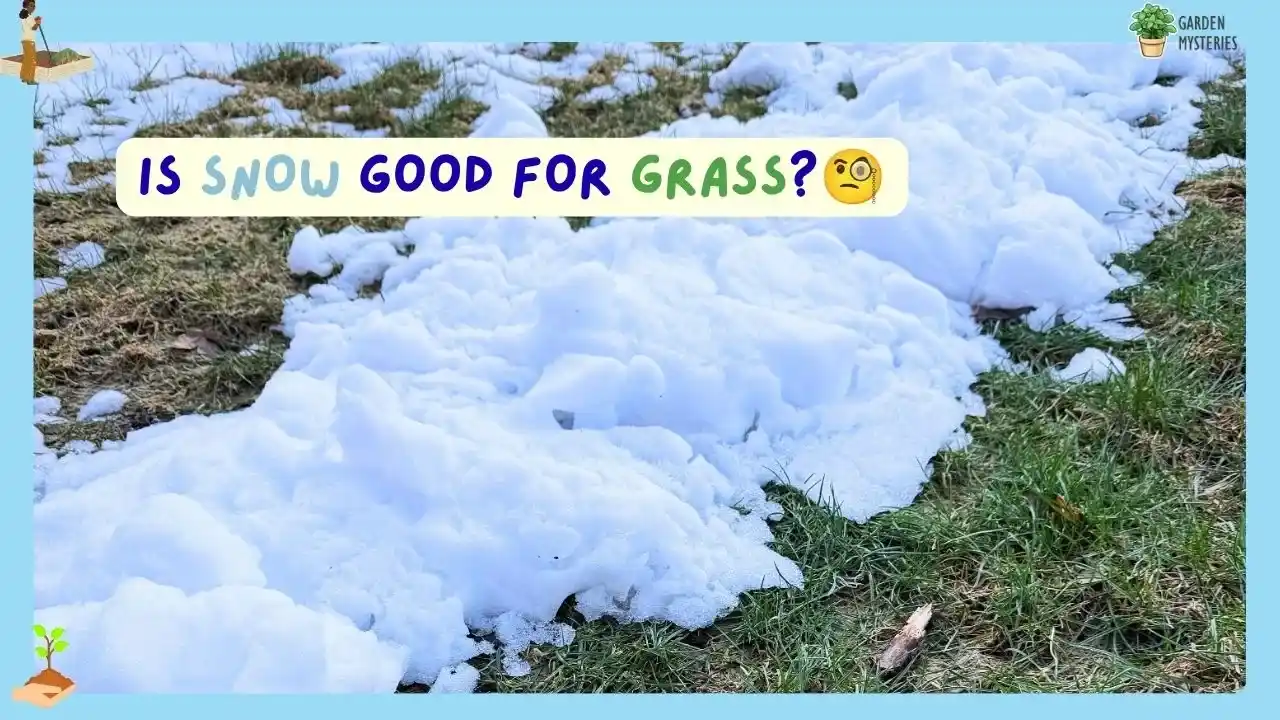
Snow-covered lawns may look lifeless, but a blanket of snow can actually protect grass from harsh winter conditions. The real concern is how long it stays there.
So, Is Snow Good for Grass? Yes, in most cases. A healthy layer of snow insulates grass roots, retains soil moisture, and protects the lawn from freezing winds. However, prolonged snow cover and solid ice can cause problems.
If you want a healthy, green lawn after winter without unnecessary damage, keep reading. These practical tips will help you protect your grass and prepare it for spring.
A Note for Our Readers: Some links may earn Garden Mysteries a small commission at no extra cost to you, helping us share more honest reviews and practical gardening advice.
How Snow Affects Grass During Winter
Grass doesn’t necessarily die when winter arrives. Most lawn grasses slow their growth or become dormant as temperatures drop. Snow can protect them during this resting period, but its effects depend on the weather, snow depth, and how long the ground stays covered.
Grass Enters Dormancy to Survive Cold Weather
As temperatures fall, grass gradually slows its growth and uses less energy. Some varieties turn brown and stop producing new blades, but their roots and growing points remain alive beneath the soil.
This natural resting period helps grass survive conditions that would otherwise make active growth difficult. When warmer temperatures and longer days return, the surviving plants can begin producing fresh green blades.
Snow Creates a Protective Layer Over the Lawn
A consistent snow cover acts like a blanket between the grass and freezing air. It reduces exposure to sudden temperature changes, cold winds, and repeated freezing and thawing that can damage exposed grass.
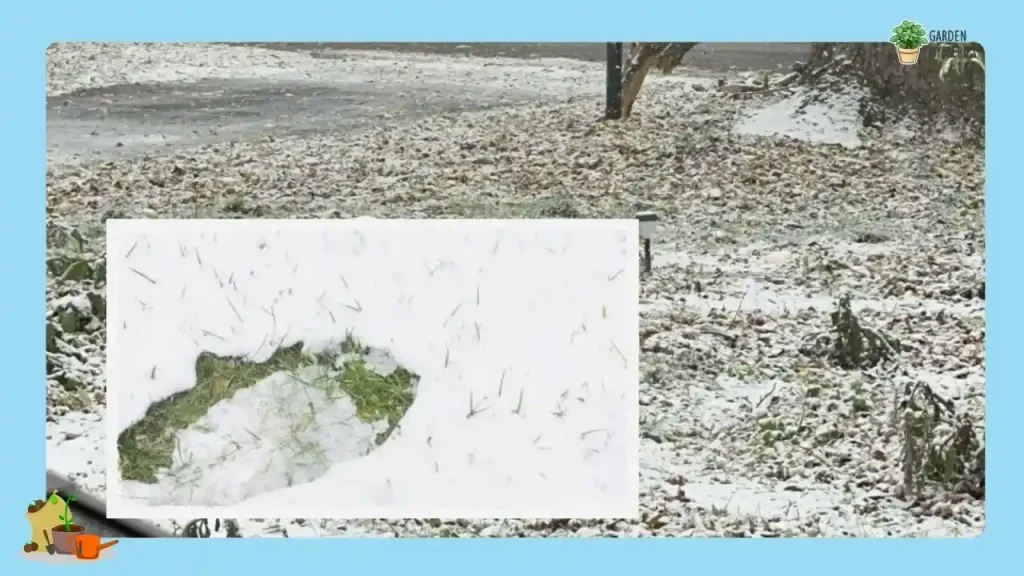
This is one important advantage of snow during winter. Even when the air feels extremely cold, the soil beneath the snow can remain considerably warmer. A Canadian government research report describes how a 20 cm snow cover helped maintain warmer soil temperatures during extremely cold weather.
Melting Snow Replenishes Soil Moisture
Snow doesn’t disappear without benefiting the ground. As temperatures rise, it gradually melts and releases water into the soil. This moisture helps prevent the ground from becoming excessively dry during winter.
Unlike heavy rainfall, gradual melting can give the soil more time to absorb water. However, the result depends on soil drainage. Compacted or poorly drained ground may remain waterlogged, especially when melting snow combines with rain.
Winter Conditions Can Affect the Soil Around Grass
Snowfall also changes the moisture and temperature conditions around the roots. A healthy soil environment helps grass recover when its growing season returns.
- Soil moisture: Melting snow gradually adds water to the ground.
- Soil protection: Snow reduces direct exposure to freezing air.
- Organic matter: Decomposed leaves can return nutrients to the soil, much like compost or potting soil supports plants in garden beds.
- Root survival: More stable soil temperatures help protect underground growing parts.
The Benefits of Snow Cover for a Healthy Lawn
A layer of snow isn’t automatically bad news for your lawn. When conditions are right, it offers several natural benefits without requiring extra watering or winter maintenance. Here are five ways snow can support healthier grass.
- Natural Insulation Against Extreme Cold: Snow protects grass roots and crowns from freezing winds and sudden temperature changes, helping vulnerable plants survive winter.
- Steady Moisture Supply: Gradually melting snow releases water into the soil, reducing winter dryness and providing moisture for roots without frequent watering.
- Small Amounts of Atmospheric Nitrogen: Falling snow collects tiny amounts of nitrogen from the atmosphere. As it melts, some of these nutrients reach the soil and provide a mild natural boost.
- Protection From Drying Winter Winds: Snow cover shields low-growing grass from harsh winds that can remove moisture and leave exposed blades vulnerable to winter drying.
- Delayed Weed Seed Germination: Cold winter conditions keep many weed seeds inactive. Snow helps maintain these conditions, delaying some unwanted growth until temperatures become warmer.
When Snow and Ice Start Damaging Your Grass
Snow can protect your lawn, but too much moisture and prolonged freezing conditions can create problems. The biggest risks usually come from fungal growth, solid ice, heavy pressure, and salt exposure rather than ordinary snowfall.
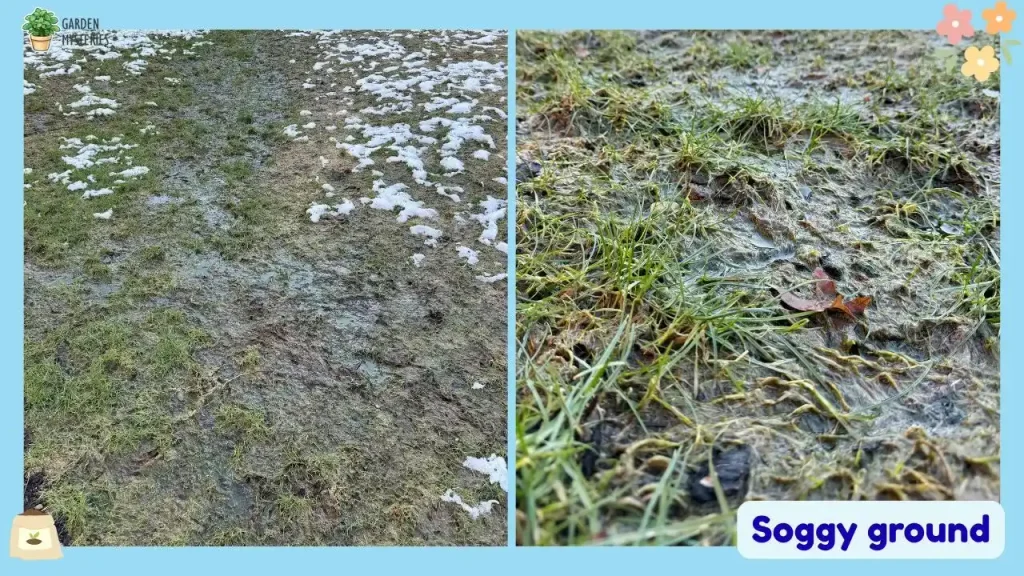
Snow Mold Growth Under Long-Lasting Snow Cover
Snow mold is a fungal disease that develops in cold, damp conditions. It can leave circular patches of gray, pink, or brown grass after the snow melts. Matted leaves and poor air circulation increase the risk.
According to UMass Amherst, gray snow mold commonly develops after 45-60 days of snow cover. If you notice snow mold grass damage, avoid disturbing wet patches until the lawn starts drying.
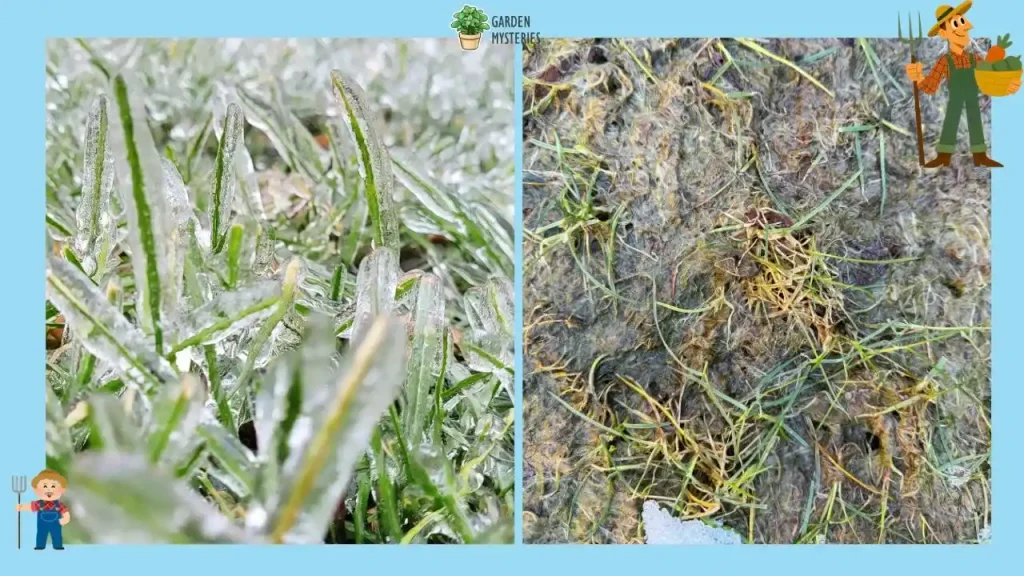
Ice Sheets and Oxygen Deprivation
A thick layer of ice can trap gases and restrict oxygen around grass plants. When the ice remains for weeks or months, the lack of oxygen and buildup of harmful gases can damage or kill the grass.
Grass Damage From Foot Traffic and Heavy Loads
Walking or driving over frozen grass can injure the growing points and compact the soil. Repeated pressure also makes spring recovery more difficult.
- Avoid unnecessary walking: Keep foot traffic away from frozen lawns.
- Move heavy equipment: Don’t park vehicles or leave heavy objects on snow-covered grass.
- Protect play areas: Keep children and pets away from vulnerable patches.
Salt Damage Along Driveways and Walkways
De-icing salt can reach nearby grass through splashes, runoff, and melting snow. Excessive salt draws moisture away from plant roots and can leave brown, damaged strips along lawn edges.
- Use less salt: Apply only the amount needed for safe walking.
- Choose alternatives: Consider sand for traction where suitable.
- Protect lawn edges: Keep salty snow away from grass.
- Repair affected areas: Flush salt from the soil with fresh water when conditions allow. Add compost or manure only when needed to improve soil condition, not as a substitute for removing excess salt.
Lawn Damage From Heavy Snow Piles
Repeatedly piling snow in one location can bury grass under excessive weight and moisture. These areas may remain frozen or wet longer than the rest of the lawn, increasing the risk of fungal damage and poor spring growth.
How to Help Snow-Damaged Grass Recover in Spring
Brown grass after winter doesn’t always mean your lawn is dead. Some plants are simply dormant, while others have damaged leaves but healthy roots. Give the lawn time to dry and begin growing before deciding which areas need repair.
Inspect Grass for Snow Mold and Winter Damage
Once the snow melts, walk around your lawn and look for unusual patches. Gray, pink, or brown circular areas may indicate fungal damage, while completely bare patches could suggest dead grass.
Check whether the affected areas have living roots and growing points. Healthy roots offer a good chance of recovery, even when the upper blades look damaged. If fungal growth is present, avoid spreading infected debris across healthy areas.
Rake Away Dead Grass and Debris
Wet leaves, matted blades, and dead plant material can block sunlight and airflow. Once the ground is dry enough, gently rake the lawn to remove debris without pulling out healthy grass.
A light layer of natural organic mulch can benefit nearby garden beds, but don’t leave thick, wet mulch covering the recovering lawn. Proper airflow helps the grass dry and reduces conditions that encourage fungal growth.


Reseed Bare and Damaged Lawn Patches
If some areas remain bare after the surrounding grass starts growing, reseeding can help restore an even lawn. First, loosen the surface soil and remove dead roots or debris.
- Choose grass seed suitable for your climate.
- Spread the seed evenly over bare patches.
- Cover lightly with soil if needed.
- Keep the area consistently moist until the new grass establishes.
For larger damaged areas, consider using sod instead of waiting for seeds to fill the gaps.
Restore Soil Health With Proper Watering and Fertilizing
Spring recovery requires enough moisture and nutrients, but too much care can cause additional problems. Water deeply when the soil starts drying rather than keeping the lawn constantly wet.
Apply a suitable lawn fertilizer when active growth resumes, following the recommended rate. If you notice recurring snow mold in lawn patches, improve drainage, remove excess thatch, and avoid leaving thick layers of leaves before the next winter.
Common Snow-Cover Lawn Care Mistakes to Avoid
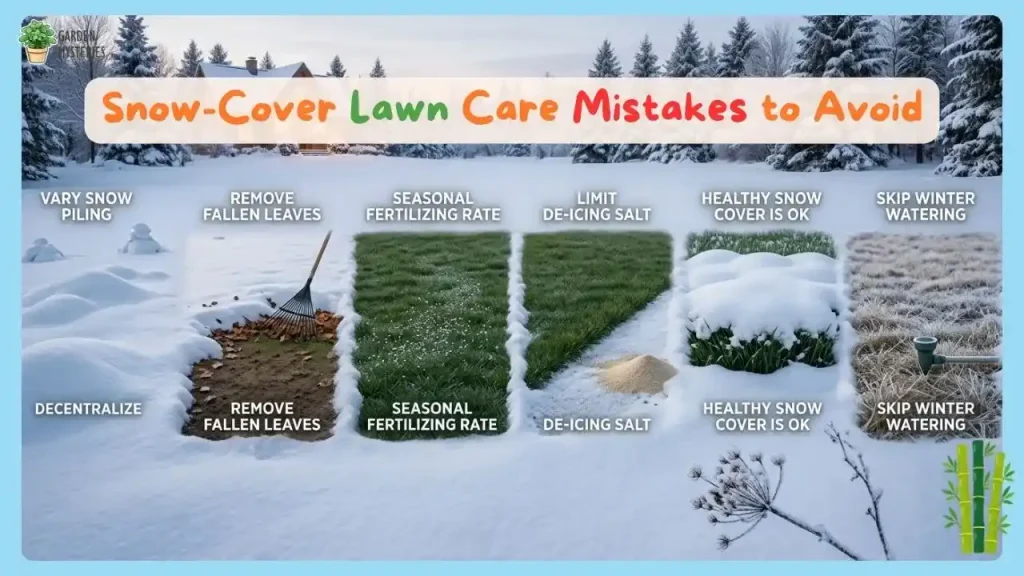
Even when snowfall is unavoidable, a few simple lawn care habits can prevent unnecessary damage. Many winter problems happen because homeowners treat every snow-covered lawn the same way instead of considering moisture, drainage, and grass condition. Avoid these mistakes to give your lawn a better chance of returning green in spring.
- Repeated Snow Piling: Keep snowbanks in different suitable areas instead of repeatedly burying the same grass.
- Leaving Fallen Leaves: Remove thick leaf layers before snowfall to prevent trapped moisture and fungal growth.
- Excessive Fertilizing: Apply fertilizer at the right seasonal rate rather than forcing dormant grass to grow.
- Overusing De-Icing Salt: Limit salt near lawn edges and consider safer alternatives for traction.
- Removing All Snow: Don’t assume snow on grass is harmful; healthy snow cover can protect roots from extreme cold.
- Unnecessary Winter Watering: Avoid running a water sprinkler for the garden over dormant, frozen, or already wet lawns.
FAQs
Does snow add nitrogen to the soil?
Yes, falling snow collects small amounts of atmospheric nitrogen. As it melts, some nitrogen reaches the soil. However, the amount is too small to replace regular lawn fertilization.
Does snow help grass grow?
Snow doesn’t directly encourage grass to grow during winter. Instead, it protects roots from extreme cold and provides moisture as it melts, helping grass recover when warmer weather returns.
What is the coldest temperature you can cut grass at?
There is no single minimum temperature for mowing. Cool-season grass generally stops growing when daytime temperatures consistently fall below 50°F. Avoid mowing frozen or frost-covered grass.
Will grass come back after a freeze?
Yes, most established grass can recover after freezing temperatures because its roots and growing points often survive. Once temperatures rise, dormant grass can produce fresh blades again.
Final Thoughts: Snow on Grass
Snow can be a natural protector for your lawn, keeping roots warmer, retaining moisture, and reducing exposure to harsh winter winds. However, prolonged snow cover, ice buildup, and excessive salt can cause damage that appears after melting.
Keep your lawn free of thick leaves, avoid walking on frozen grass, and give it time to recover in spring. With a little care, your grass can return green and healthy after winter.
Check Our Fertilizer Finder Tool:
Free Tool – Garden Mysteries
Find the Right Fertilizer for Your Indoor Plants
Select your plant and get a personalized fertilizer recommendation – no guesswork needed.
Try the Fertilizer Finder →